Feleciano Diogo R, Juenemann Katrin, Iburg Manuel, Brás Inês C, Holmberg Carina I, Kirstein Janine
Leibniz Institute for Molecular Pharmacology (FMP) im Forschungsverbund Berlin, Berlin, Germany.
Department of Experimental Neurodegeneration, University Medical Center Goettingen, Goettingen, Germany.
Front Aging Neurosci. 2019 Jan 29;11:9. doi: 10.3389/fnagi.2019.00009. eCollection 2019.
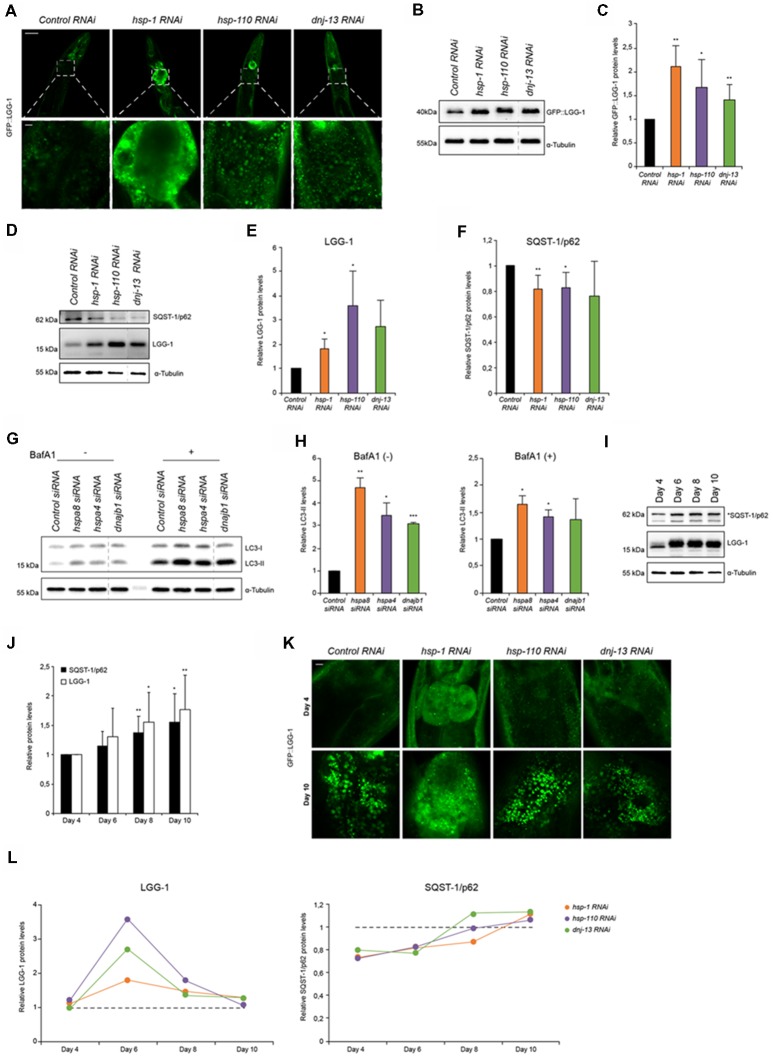
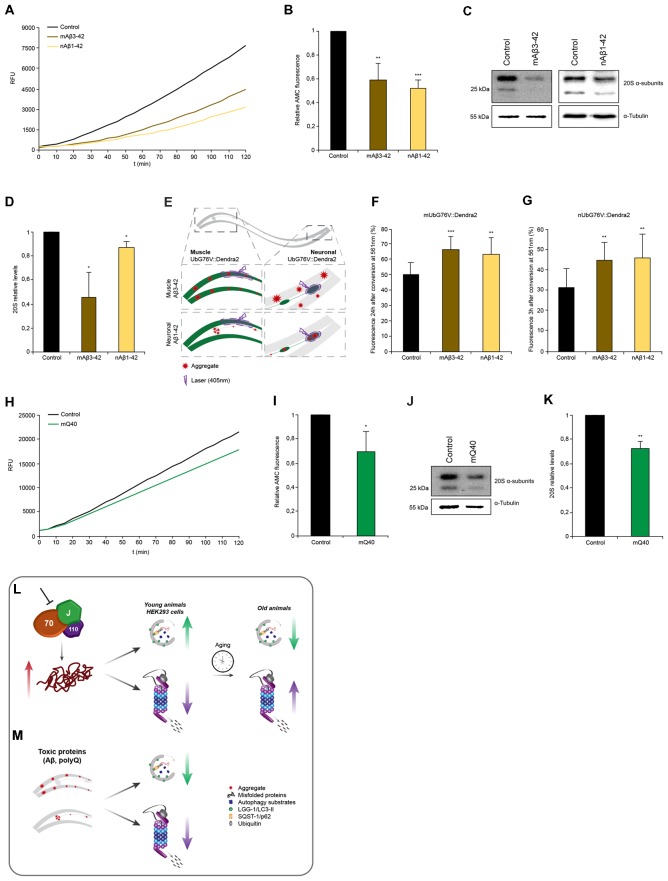
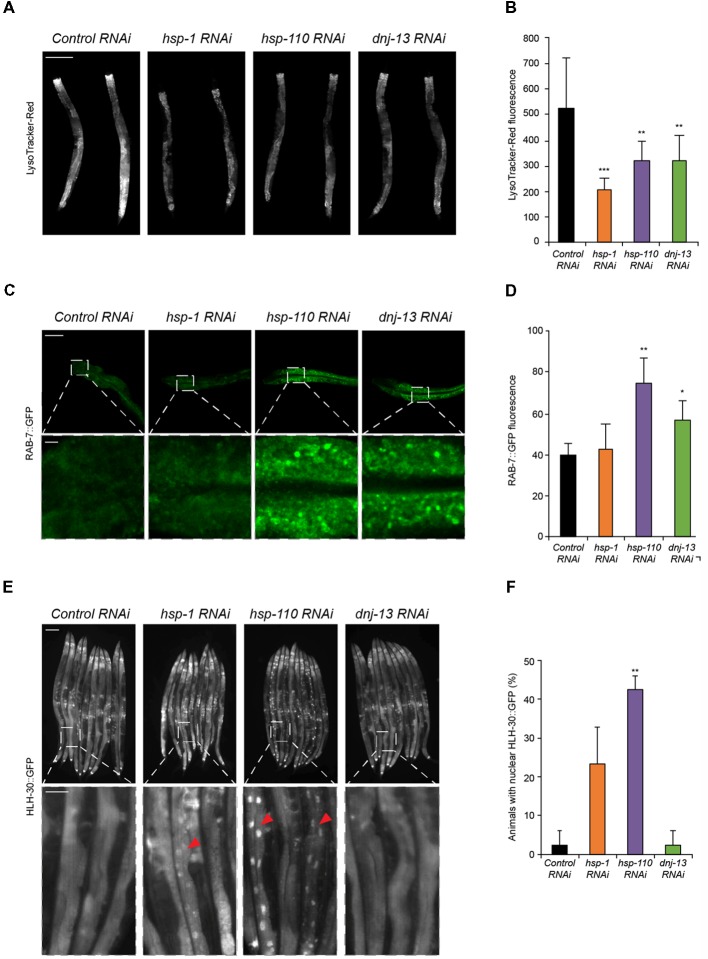
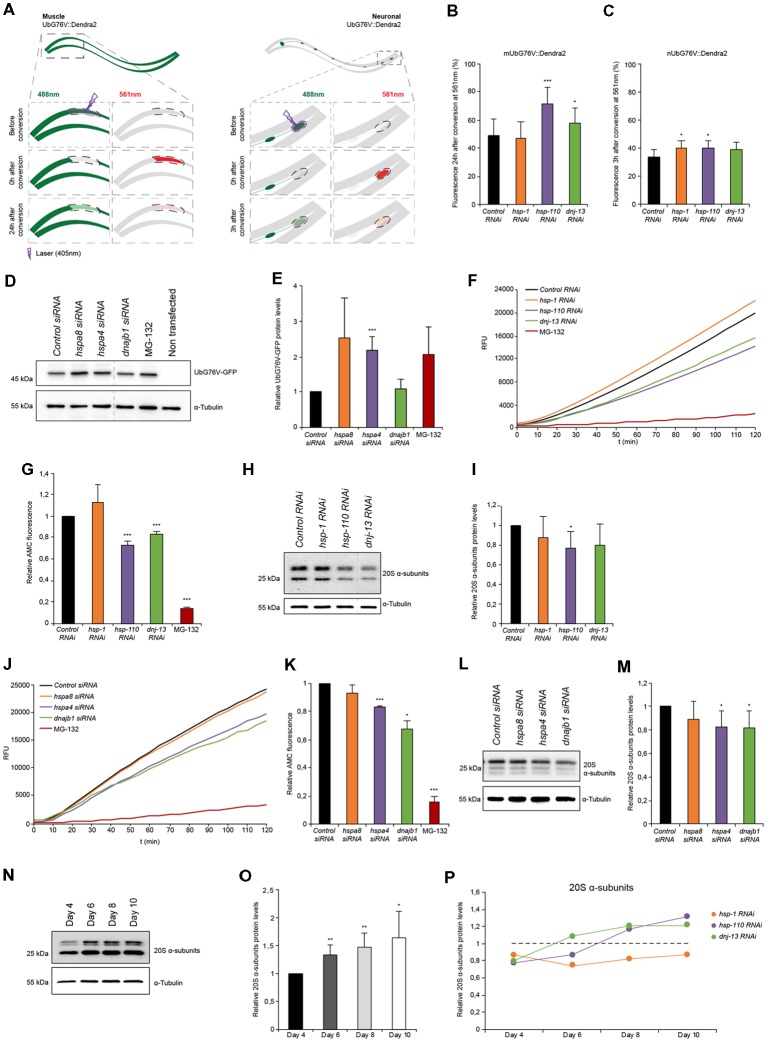
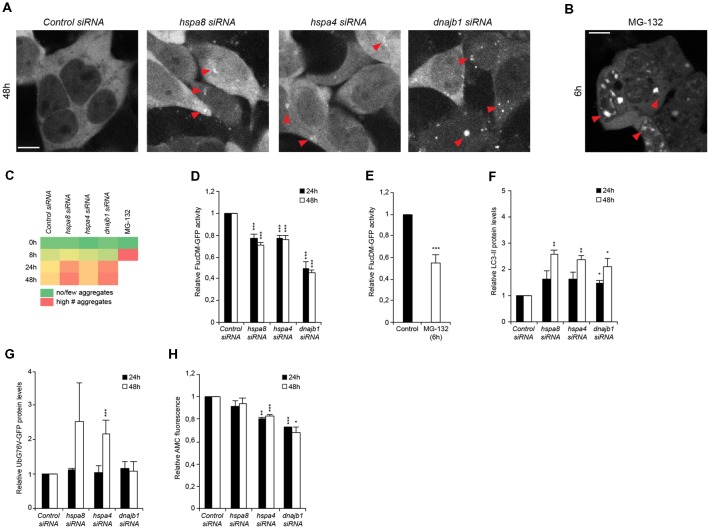
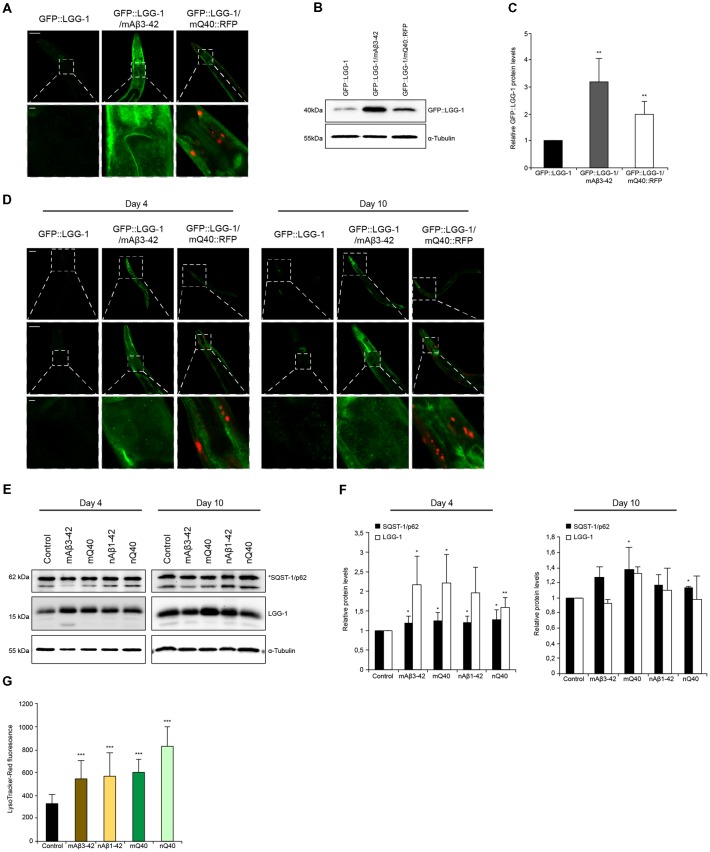
A functional protein quality control machinery is crucial to maintain cellular and organismal physiology. Perturbation in the protein homeostasis network can lead to the formation of misfolded and aggregated proteins that are a hallmark of protein conformational disorders and aging. Protein aggregation is counteracted by the action of chaperones that can resolubilize aggregated proteins. An alternative protein aggregation clearance strategy is the elimination by proteolysis employing the ubiquitin proteasome system (UPS) or autophagy. Little is known how these three protein aggregate clearance strategies are regulated and coordinated in an organism with the progression of aging or upon expression of disease-associated proteins. To unravel the crosstalk between the protein aggregate clearance options, we investigated how autophagy and the UPS respond to perturbations in protein disaggregation capacity. We found that autophagy is induced as a potential compensatory mechanism, whereas the UPS exhibits reduced capacity upon depletion of disaggregating chaperones in and HEK293 cells. The expression of amyloid proteins Aβ and Q result in an impairment of autophagy as well as the UPS within the same and even across tissues. Our data indicate a tight coordination between the different nodes of the proteostasis network (PN) with the progression of aging and upon imbalances of the capacity of each clearance mechanism.
功能性蛋白质质量控制机制对于维持细胞和机体生理状态至关重要。蛋白质稳态网络的紊乱会导致错误折叠和聚集蛋白的形成,这是蛋白质构象紊乱和衰老的标志。伴侣蛋白的作用可抵消蛋白质聚集,其能使聚集蛋白重新溶解。另一种蛋白质聚集清除策略是通过利用泛素蛋白酶体系统(UPS)或自噬进行蛋白水解来清除。对于这三种蛋白质聚集清除策略在生物体中如何随着衰老进程或疾病相关蛋白的表达而受到调控和协调,我们知之甚少。为了揭示蛋白质聚集清除途径之间的相互作用,我们研究了自噬和UPS如何应对蛋白质解聚能力的扰动。我们发现自噬作为一种潜在的补偿机制被诱导,而在酵母和HEK293细胞中,当解聚伴侣蛋白耗尽时,UPS的能力会降低。淀粉样蛋白Aβ和Q的表达会导致同一组织甚至不同组织内自噬以及UPS功能受损。我们的数据表明,随着衰老进程以及每种清除机制能力失衡,蛋白质稳态网络(PN)的不同节点之间存在紧密协调。