Molecular Imaging Center, Department of Molecular Biotechnology and Health Sciences, University of Turin, Via Nizza 52, Turin, Italy.
Institute of Biostructures and Bioimaging (IBB), Italian National Research Council (CNR), Via Nizza 52, Turin, Italy.
Cancer Metastasis Rev. 2019 Jun;38(1-2):25-49. doi: 10.1007/s10555-019-09782-9.
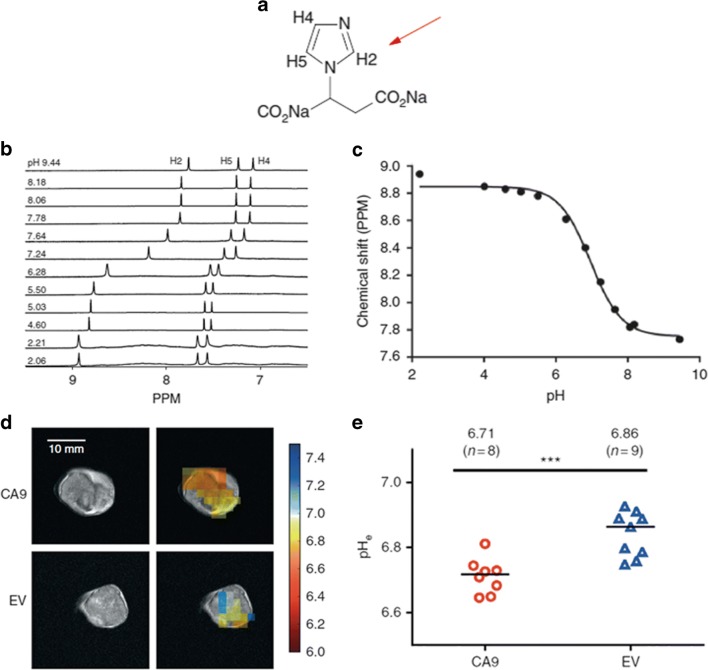
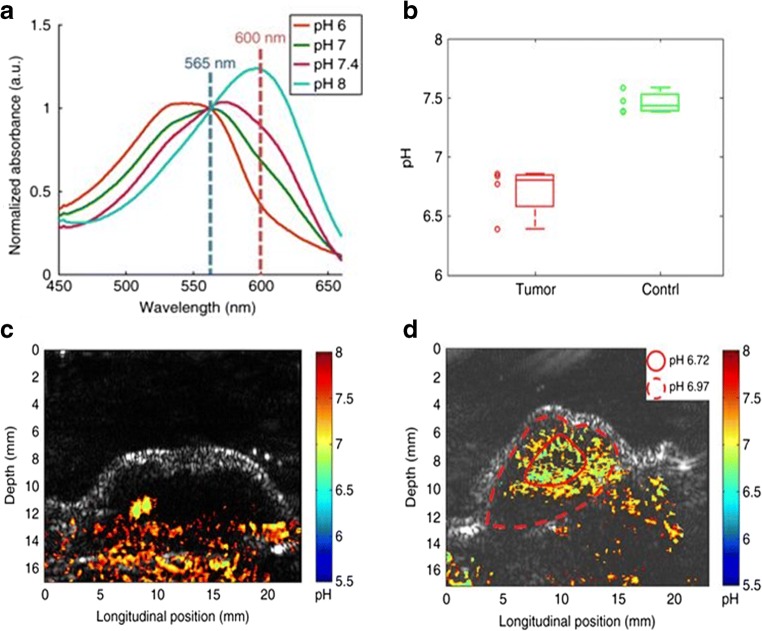
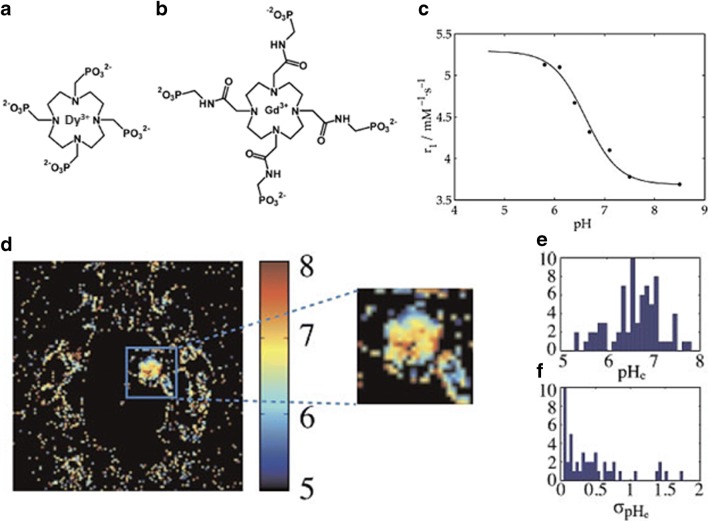
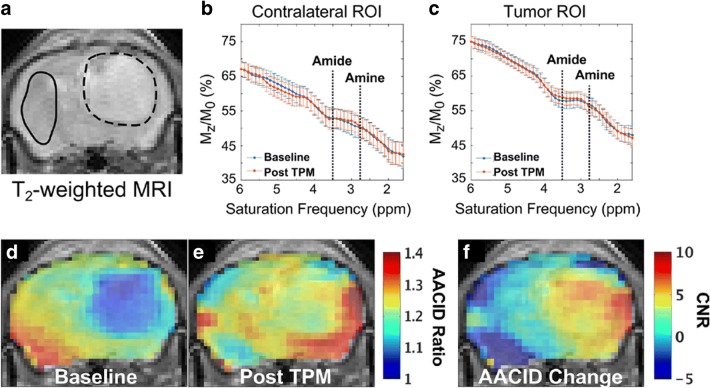
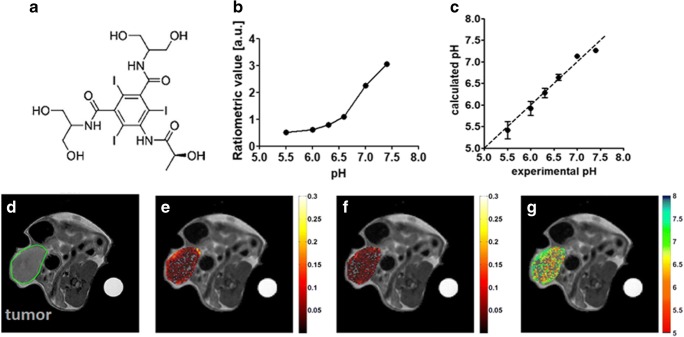
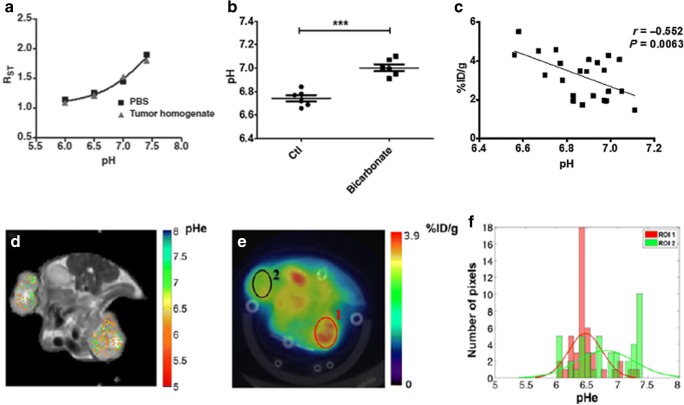
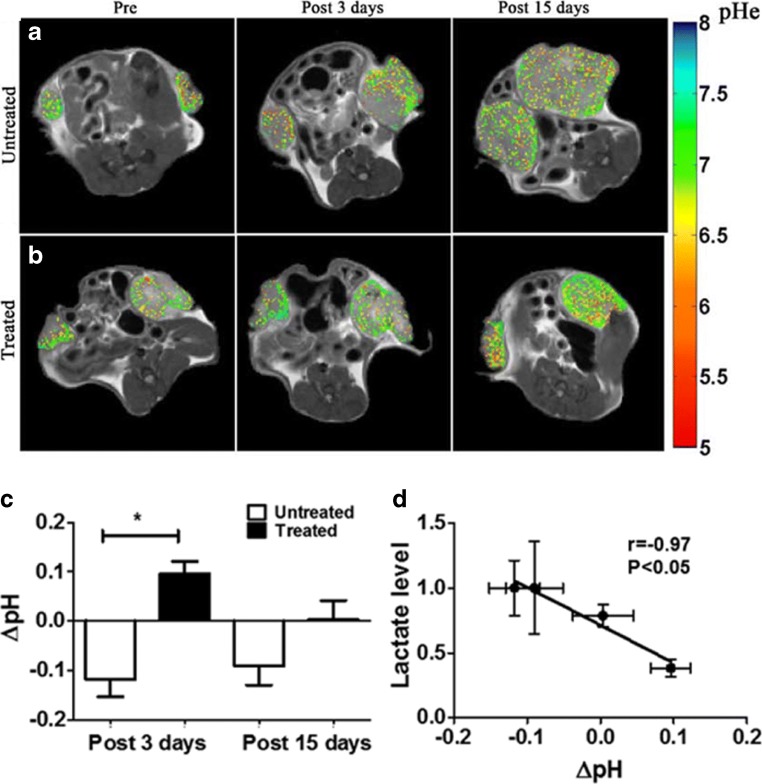
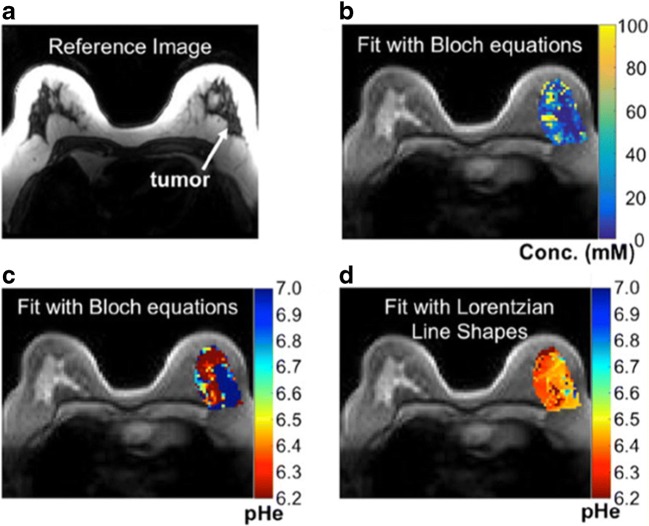
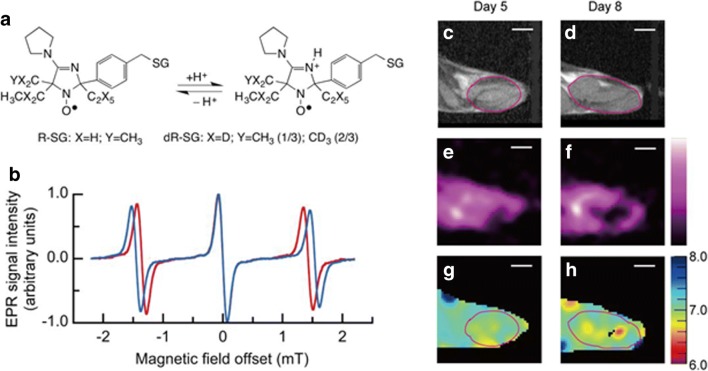
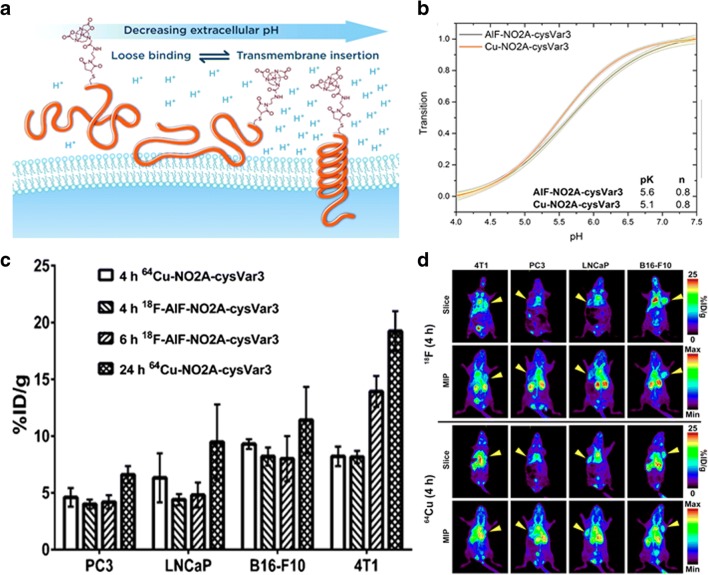
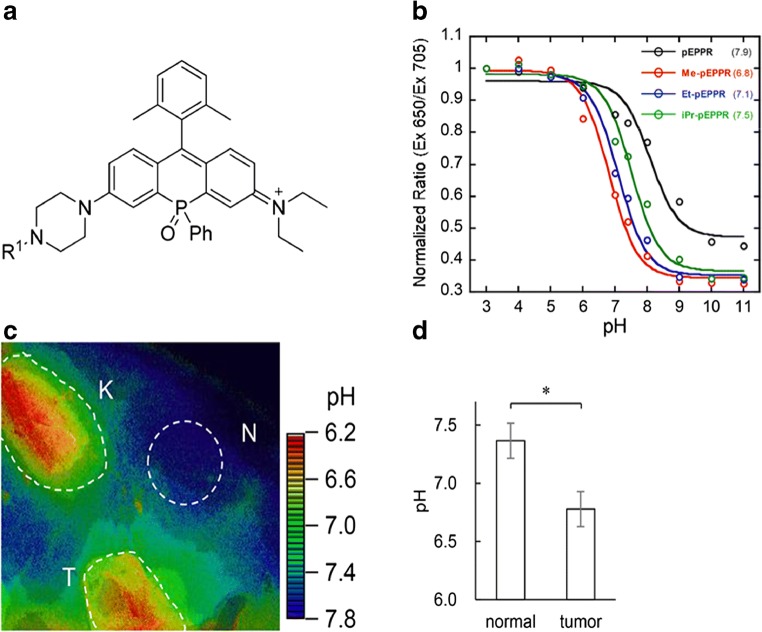
Cancer cells are characterized by a metabolic shift in cellular energy production, orchestrated by the transcription factor HIF-1α, from mitochondrial oxidative phosphorylation to increased glycolysis, regardless of oxygen availability (Warburg effect). The constitutive upregulation of glycolysis leads to an overproduction of acidic metabolic products, resulting in enhanced acidification of the extracellular pH (pHe ~ 6.5), which is a salient feature of the tumor microenvironment. Despite the importance of pH and tumor acidosis, there is currently no established clinical tool available to image the spatial distribution of tumor pHe. The purpose of this review is to describe various imaging modalities for measuring intracellular and extracellular tumor pH. For each technique, we will discuss main advantages and limitations, pH accuracy and sensitivity of the applied pH-responsive probes and potential translatability to the clinic. Particular attention is devoted to methods that can provide pH measurements at high spatial resolution useful to address the task of tumor heterogeneity and to studies that explored tumor pH imaging for assessing treatment response to anticancer therapies.
癌细胞的代谢特征是细胞能量产生的转变,由转录因子 HIF-1α 协调,从线粒体氧化磷酸化到增加的糖酵解,无论氧气供应如何(Warburg 效应)。糖酵解的组成性上调导致酸性代谢产物的过度产生,导致细胞外 pH(pHe~6.5)的增强酸化,这是肿瘤微环境的一个显著特征。尽管 pH 和肿瘤酸中毒很重要,但目前没有可用的临床工具来成像肿瘤 pHe 的空间分布。本综述的目的是描述用于测量细胞内和细胞外肿瘤 pH 的各种成像方式。对于每种技术,我们将讨论主要优点和局限性、应用 pH 响应探针的 pH 准确性和灵敏度以及潜在的临床转化能力。特别关注可以提供高空间分辨率 pH 测量的方法,这些方法可用于解决肿瘤异质性的任务,并探讨肿瘤 pH 成像用于评估抗癌治疗反应的研究。