Haggag Yusuf A, Matchett Kyle B, Falconer Robert A, Isreb Mohammad, Jones Jason, Faheem Ahmed, McCarron Paul, El-Tanani Mohamed
Department of Pharmaceutical Technology, Faculty of Pharmacy, University of Tanta, Tanta 31111, Egypt.
School of Pharmacy and Pharmaceutical Sciences, Saad Centre for Pharmacy and Diabetes, Ulster University, Cromore Road, Coleraine, Co. Londonderry BT52 1SA, UK.
Cancers (Basel). 2019 Feb 14;11(2):222. doi: 10.3390/cancers11020222.
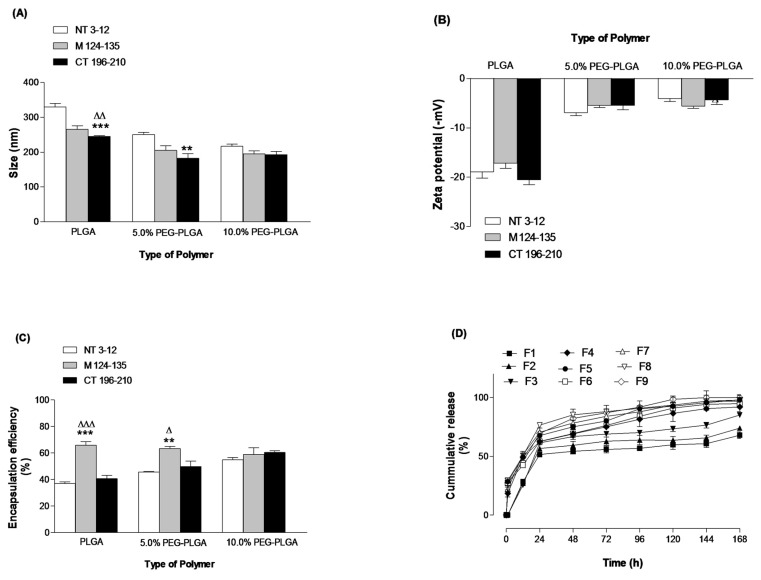
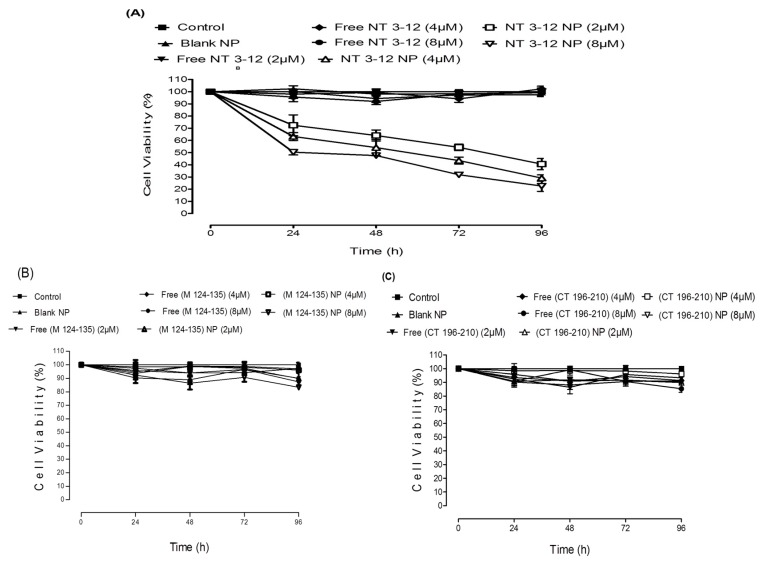
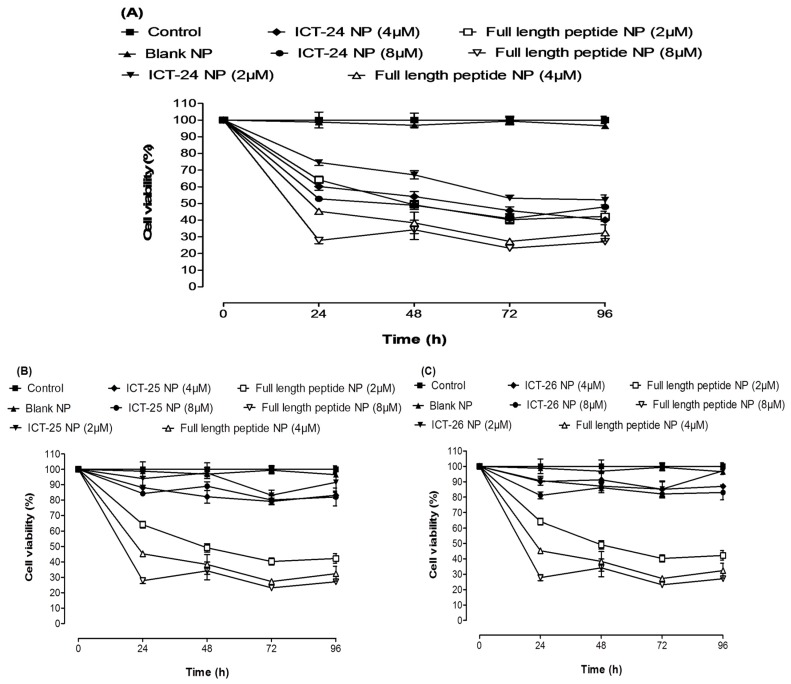
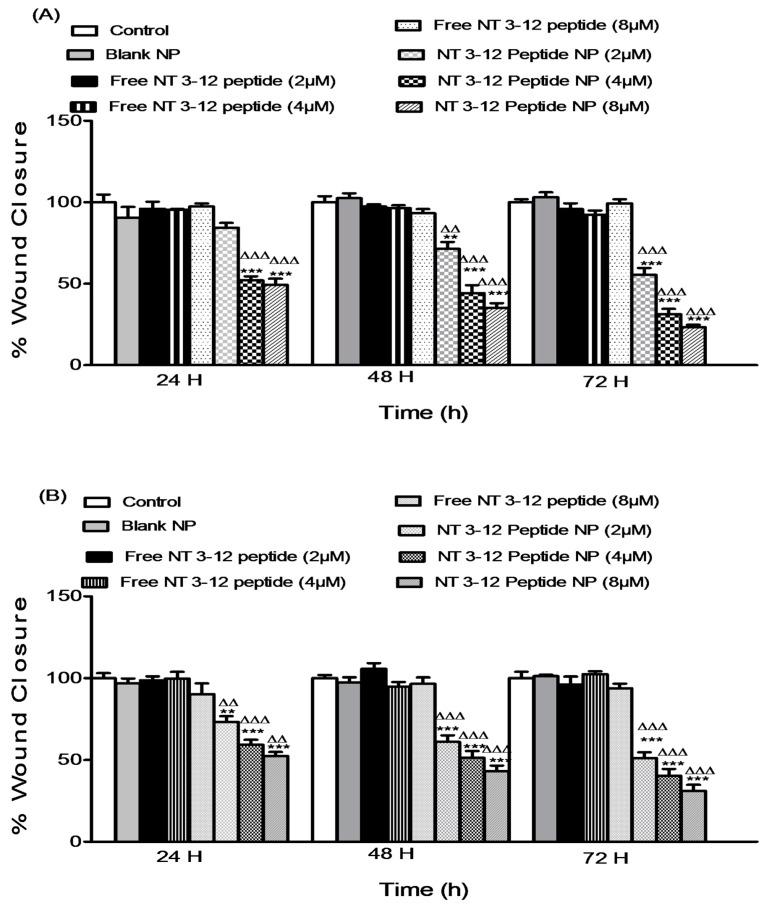
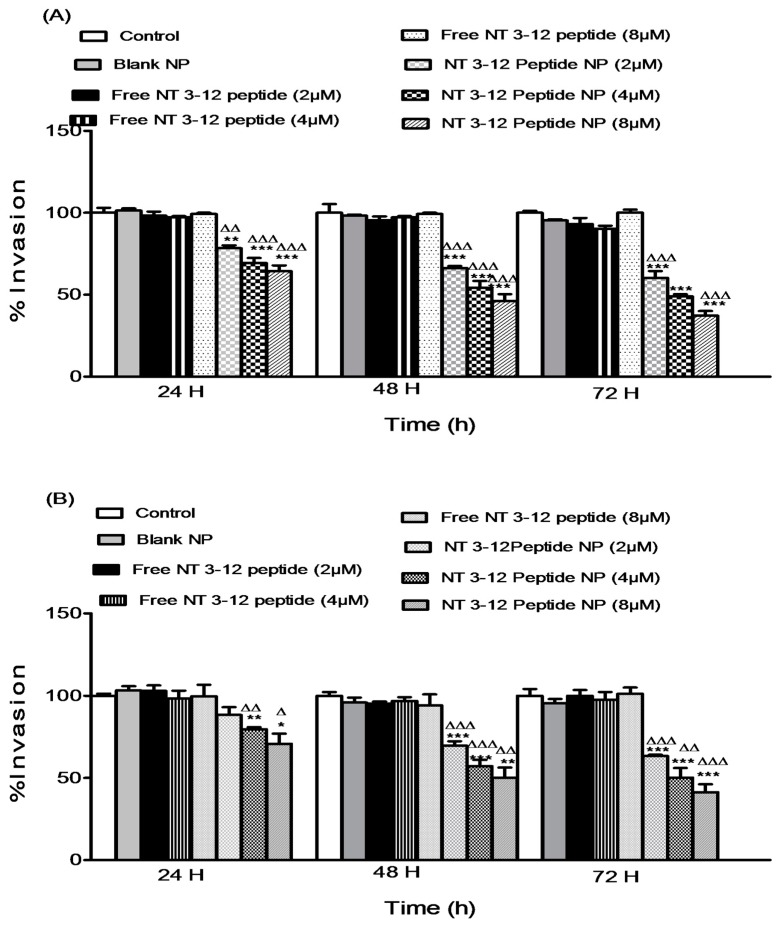
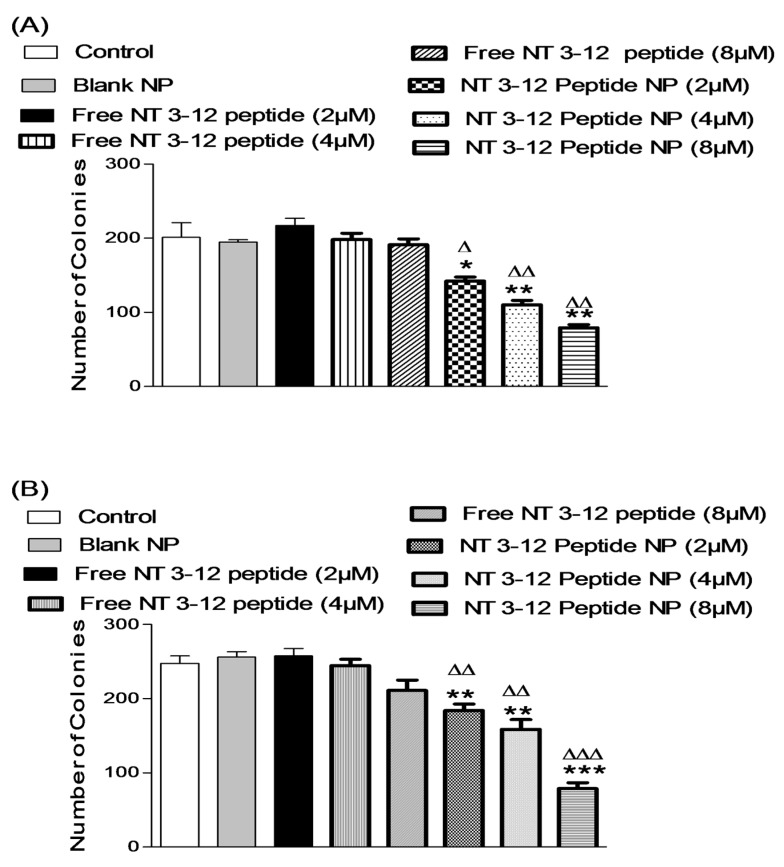
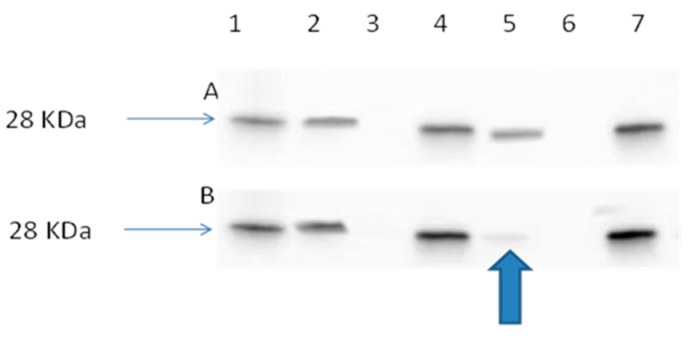
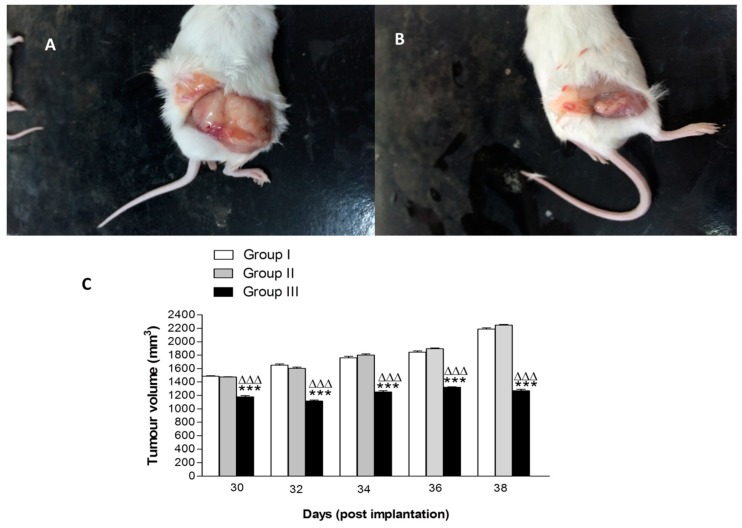
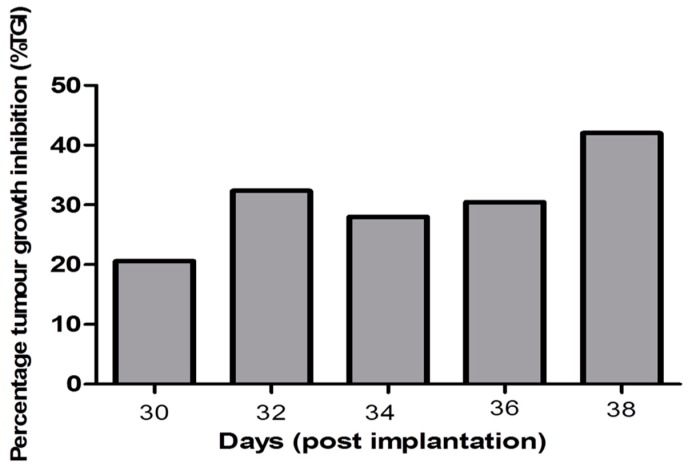
The delivery of anticancer agents to their subcellular sites of action is a significant challenge for effective cancer therapy. Peptides, which are integral to several oncogenic pathways, have significant potential to be utilised as cancer therapeutics due to their selectivity, high potency and lack of normal cell toxicity. Novel Ras protein-Regulator of chromosome condensation 1 (Ran-RCC1) inhibitory peptides designed to interact with Ran, a novel therapeutic target in breast cancer, were delivered by entrapment into polyethylene glycol-poly (lactic-co-glycolic acid) PEG-PLGA polymeric nanoparticles (NPs). A modified double emulsion solvent evaporation technique was used to optimise the physicochemical properties of these peptide-loaded biodegradable NPs. The anti-cancer activity of peptide-loaded NPs was studied in vitro using Ran-expressing metastatic breast (MDA-MB-231) and lung cancer (A549) cell lines, and in vivo using Solid Ehrlich Carcinoma-bearing mice. The anti-metastatic activity of peptide-loaded NPs was investigated using migration, invasion and colony formation assays in vitro. A PEG-PLGA-nanoparticle encapsulating -terminal peptide showed a pronounced antitumor and anti-metastatic action in lung and breast cancer cells in vitro and caused a significant reduction of tumor volume and associated tumor growth inhibition of breast cancer model in vivo. These findings suggest that the novel inhibitory peptides encapsulated into PEGylated PLGA NPs are delivered effectively to interact and deactivate Ran. This novel Ran-targeting peptide construct shows significant potential for therapy of breast cancer and other cancers mediated by Ran overexpression.
将抗癌药物递送至其亚细胞作用位点是有效癌症治疗面临的一项重大挑战。肽是多种致癌途径的组成部分,由于其选择性、高效性以及对正常细胞无毒性,具有作为癌症治疗药物的巨大潜力。设计用于与Ran相互作用的新型Ras蛋白 - 染色体凝聚调节因子1(Ran - RCC1)抑制肽,Ran是乳腺癌中的一个新型治疗靶点,通过包封于聚乙二醇 - 聚(乳酸 - 乙醇酸)(PEG - PLGA)聚合物纳米颗粒(NPs)中进行递送。采用改良的双乳液溶剂蒸发技术优化这些负载肽的可生物降解NPs的物理化学性质。使用表达Ran的转移性乳腺癌(MDA - MB - 231)和肺癌(A549)细胞系在体外研究负载肽的NPs的抗癌活性,并使用荷实体艾氏癌小鼠在体内进行研究。使用体外迁移、侵袭和集落形成试验研究负载肽的NPs的抗转移活性。一种包封了 - 末端肽的PEG - PLGA纳米颗粒在体外对肺癌和乳腺癌细胞显示出显著的抗肿瘤和抗转移作用,并在体内使乳腺癌模型的肿瘤体积显著减小且相关肿瘤生长受到抑制。这些发现表明,封装于聚乙二醇化PLGA NPs中的新型抑制肽能够有效递送,以与Ran相互作用并使其失活。这种新型的靶向Ran的肽构建体在治疗由Ran过表达介导的乳腺癌和其他癌症方面显示出巨大潜力。