Li Zhijian T, Janisiewicz Wojciech J, Liu Zongrang, Callahan Ann M, Evans Breyn E, Jurick Wayne M, Dardick Chris
Appalachian Fruit Research Station, United States Department of Agriculture - Agricultural Research Service, Kearneysville, WV, United States.
Food Quality Laboratory, Beltsville Agricultural Research Center, United States Department of Agriculture - Agricultural Research Service, Beltsville, MD, United States.
Front Plant Sci. 2019 Feb 1;9:1959. doi: 10.3389/fpls.2018.01959. eCollection 2018.
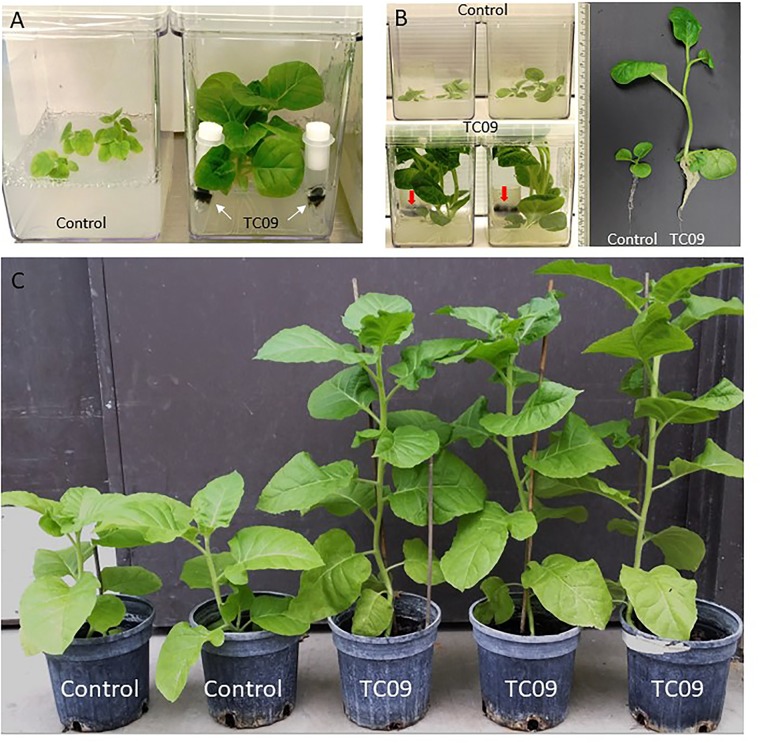
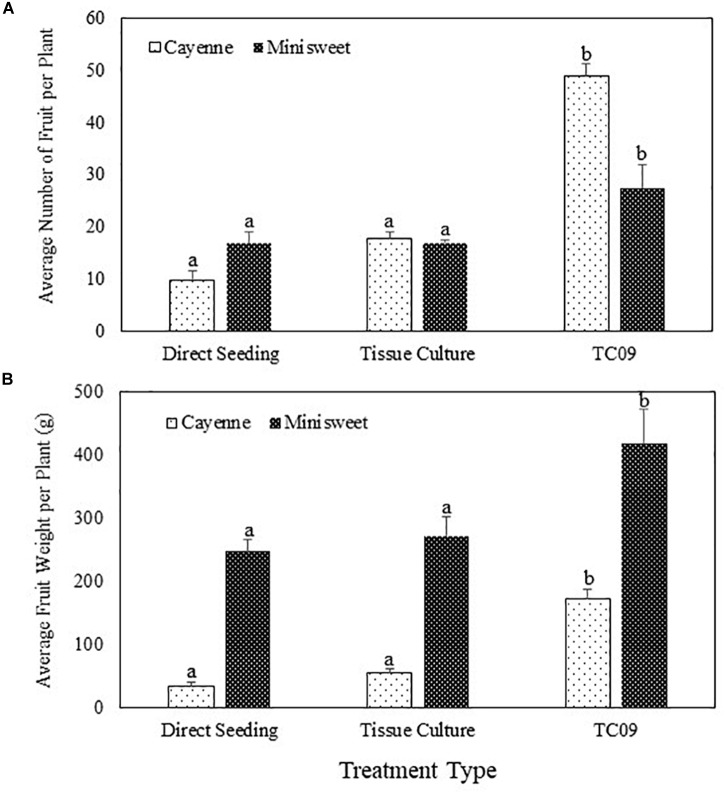
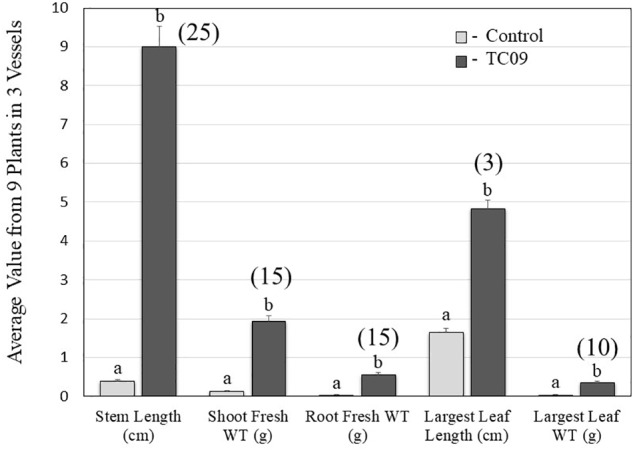
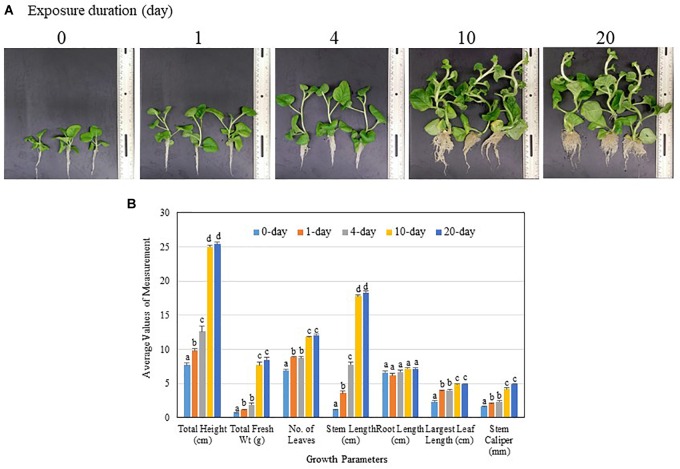
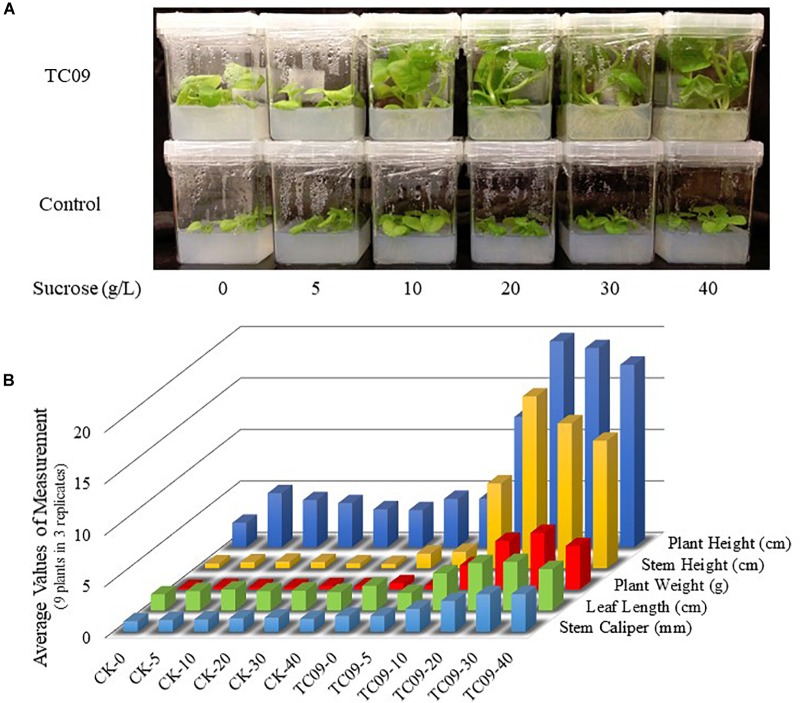
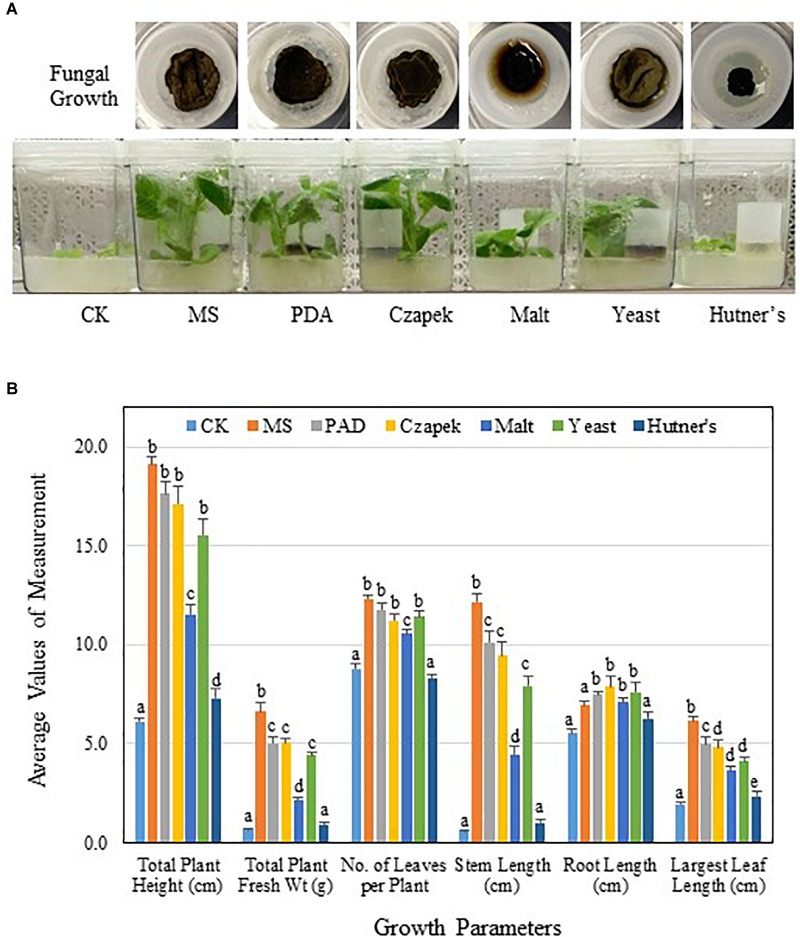
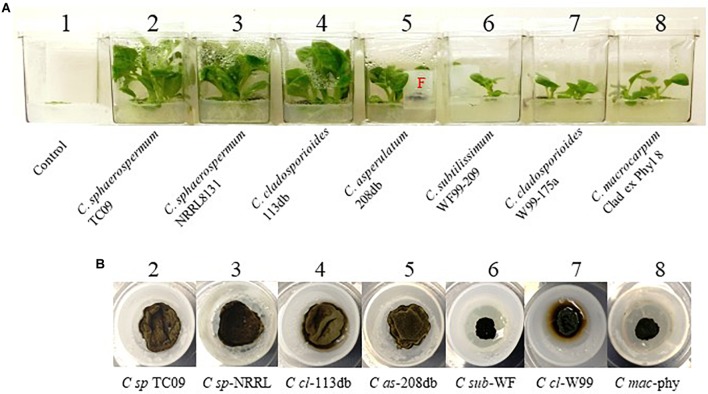
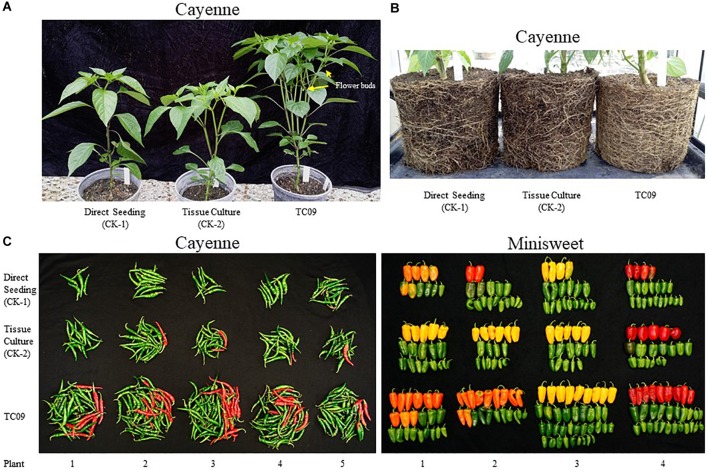
A growing number of bacteria and fungi have been found to promote plant growth through mutualistic interactions involving elements such as volatile organic compounds (VOCs). Here, we report the identification of an environmentally isolated strain of (herein named TC09), that substantially enhances plant growth after exposure beyond what has previously been reported. When cultured on Murashige and Skoog (MS) medium under conditions, tobacco seedlings () exposed to TC09 cultures for 20 days increased stem height and whole plant biomass up to 25- and 15-fold, respectively, over controls without exposure. TC09-mediated growth promotion required >5 g/L sucrose in the plant culture medium and was influenced by the duration of exposure ranging from one to 10 days, beyond which no differences were detected. When transplanted to soil under greenhouse conditions, TC09-exposed tobacco plants retained higher rates of growth. Comparative transcriptome analyses using tobacco seedlings exposed to TC09 for 10 days uncovered differentially expressed genes (DEGs) associated with diverse biological processes including cell expansion and cell cycle, photosynthesis, phytohormone homeostasis and defense responses. To test the potential efficacy of TC09-mediated growth promotion on agricultural productivity, pepper plants ( L.) of two different varieties, Cayenne and Minisweet, were pre-exposed to TC09 and planted in the greenhouse to monitor growth, flowering, and fruit production. Results showed that treated pepper plants flowered 20 days earlier and yielded up to 213% more fruit than untreated controls. Altogether the data suggest that exposure of young plants to produced VOCs may provide a useful tool to improve crop productivity.
越来越多的细菌和真菌被发现通过涉及挥发性有机化合物(VOCs)等元素的互利共生相互作用来促进植物生长。在此,我们报告了一株从环境中分离出的菌株(在此命名为TC09)的鉴定结果,该菌株在暴露后能显著促进植物生长,其促进效果超过了此前的报道。在Murashige和Skoog(MS)培养基上,在特定条件下培养时,暴露于TC09培养物20天的烟草幼苗()的茎高和整株生物量分别比未暴露的对照增加了25倍和15倍。TC09介导的生长促进作用需要植物培养基中蔗糖浓度>5 g/L,并且受到暴露时间(从1天到10天)的影响,超过10天则未检测到差异。当移植到温室条件下的土壤中时,暴露于TC09的烟草植株保持较高的生长速率。对暴露于TC09 10天的烟草幼苗进行的比较转录组分析揭示了与多种生物学过程相关的差异表达基因(DEGs),包括细胞扩张和细胞周期、光合作用、植物激素稳态和防御反应。为了测试TC09介导的生长促进作用对农业生产力的潜在功效,将两个不同品种的辣椒植株(卡宴辣椒和迷你甜椒)预先暴露于TC09,然后种植在温室中以监测其生长、开花和结果情况。结果表明,经过处理的辣椒植株比未处理的对照提前20天开花,果实产量高出213%。总之,这些数据表明,让幼苗暴露于TC09产生的VOCs可能为提高作物生产力提供一种有用的工具。