Nguyen Vu H
Public Health Program, Department of Health Sciences, School of Health Professions, University of Missouri, Columbia, MO, USA.
Osteoporos Sarcopenia. 2018 Jun;4(2):39-46. doi: 10.1016/j.afos.2018.05.002. Epub 2018 Jun 7.
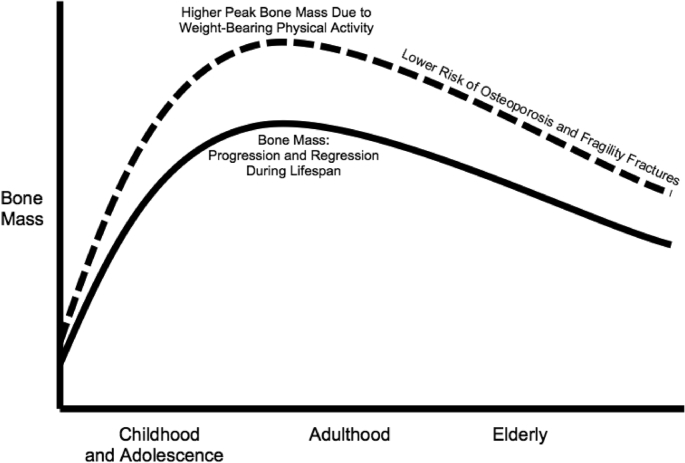
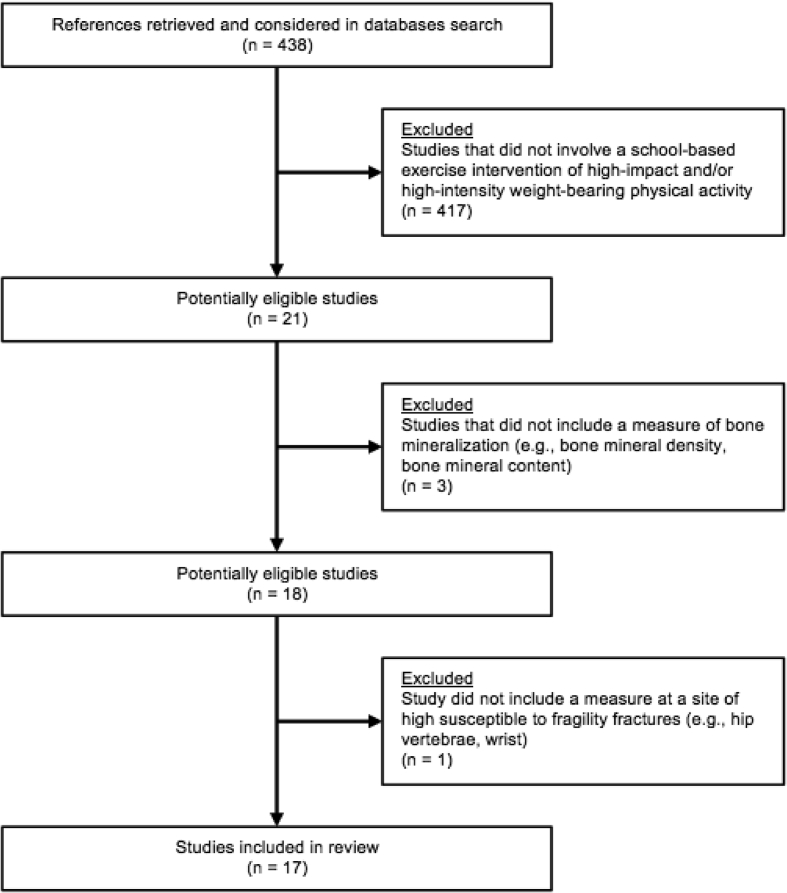
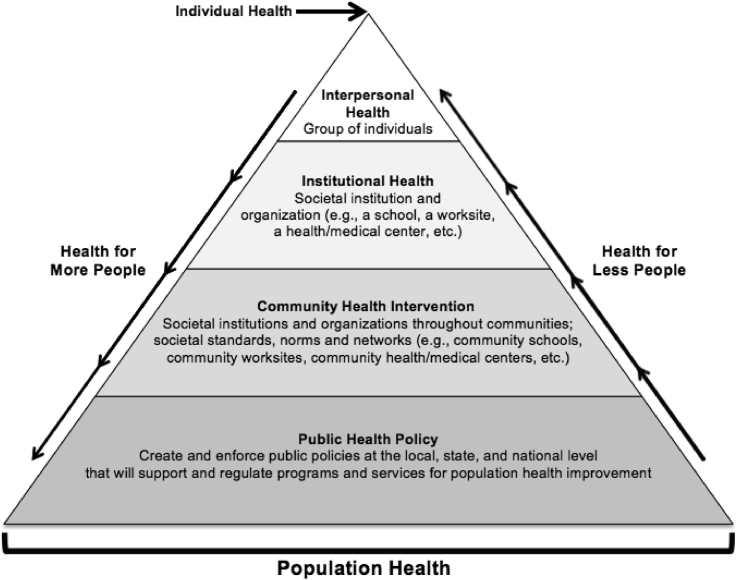
Osteoporosis and fragility fractures have become major global public health concerns, and they can be prevented by maximizing peak bone mass during childhood and adolescence with weight-bearing physical activity, which can result in stronger and healthier bones that significantly decrease the risk of osteoporosis and fragility fractures in adulthood and the elderly years. From a public health perspective, implementing weight-bearing physical activity for children and adolescents is best achieved with school-based exercise interventions, and a review of school-based exercise interventions was conducted to determine their effectiveness in increasing bone mineral density (BMD) and/or bone mineral content (BMC). Seventeen studies were reviewed, all school-based exercise interventions utilized jumping exercises, and 15 of the 17 studies found at least one significant increase in measures of BMD and/or BMC for the total body, and/or at the hip, vertebrae, and/or wrist. One study that found no significant differences did report significant increases in bone structural strength, and the other study with no significant differences had exercises that measured and reported the lowest ground reaction forces (GRFs) of only 2-3 times body weight (BW), whereas the other studies that showed significant increase(s) in BMD and/or BMC had exercise with measured and reported GRFs ranging from 3.5 × to 8.8 × BW. School-based exercise interventions are time- and cost-efficient and effective in increasing BMD and/or BMC in children and adolescents, but must incorporate high-intensity exercise, such as high-impact jumping of sufficient GRFs, in order to significantly increase bone mineralization for osteoporosis and fragility fracture prevention later in life.
骨质疏松症和脆性骨折已成为全球主要的公共卫生问题,通过在儿童期和青少年期进行负重体育活动使骨量峰值最大化可预防这些问题,这能使骨骼更强壮、更健康,显著降低成年期和老年期患骨质疏松症和脆性骨折的风险。从公共卫生角度来看,对儿童和青少年实施负重体育活动最好通过基于学校的运动干预来实现,因此开展了一项关于基于学校的运动干预的综述,以确定其在增加骨矿物质密度(BMD)和/或骨矿物质含量(BMC)方面的有效性。共审查了17项研究,所有基于学校的运动干预都采用了跳跃运动,17项研究中的15项发现全身和/或髋部、脊椎和/或腕部的BMD和/或BMC测量值至少有一项显著增加。一项未发现显著差异的研究确实报告了骨结构强度的显著增加,另一项无显著差异的研究中,其运动测量和报告的最低地面反作用力(GRF)仅为体重(BW)的2 - 3倍,而其他显示BMD和/或BMC显著增加的研究中,其运动测量和报告的GRF范围为3.5×至8.8×BW。基于学校的运动干预在增加儿童和青少年的BMD和/或BMC方面具有时间和成本效益且有效,但必须纳入高强度运动,如具有足够GRF的高冲击力跳跃,以便在以后的生活中显著增加骨矿化,预防骨质疏松症和脆性骨折。