Ji Jian, Xu Yibin, Zheng Mingzhu, Luo Chenglong, Lei Huangtao, Qu Hao, Shu Dingming
State Key Laboratory of Livestock and Poultry Breeding, Guangdong Key Laboratory of Animal Breeding and Nutrition, Institute of Animal Science, Guangdong Academy of Agricultural Sciences, Guangzhou 510640, China.
Molecular and Cellular Immunoregulation Section, Laboratory of Immune System Biology, National Institute of Allergy and Infectious Diseases, National Institutes of Health, Bethesda, Maryland 20892, United States.
ACS Omega. 2019 Jan 31;4(1):2331-2336. doi: 10.1021/acsomega.8b03571. Epub 2019 Jan 30.
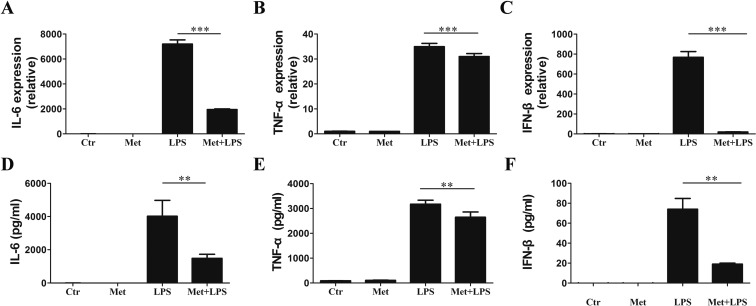
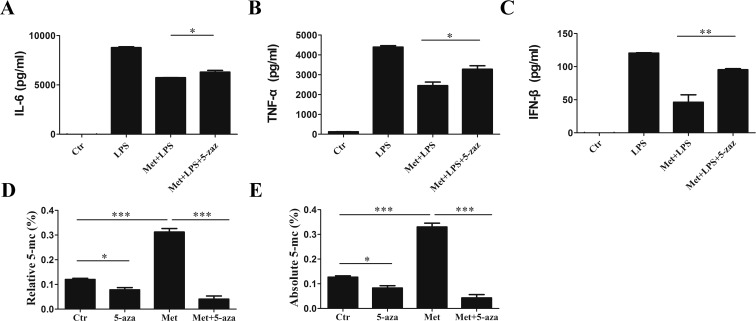
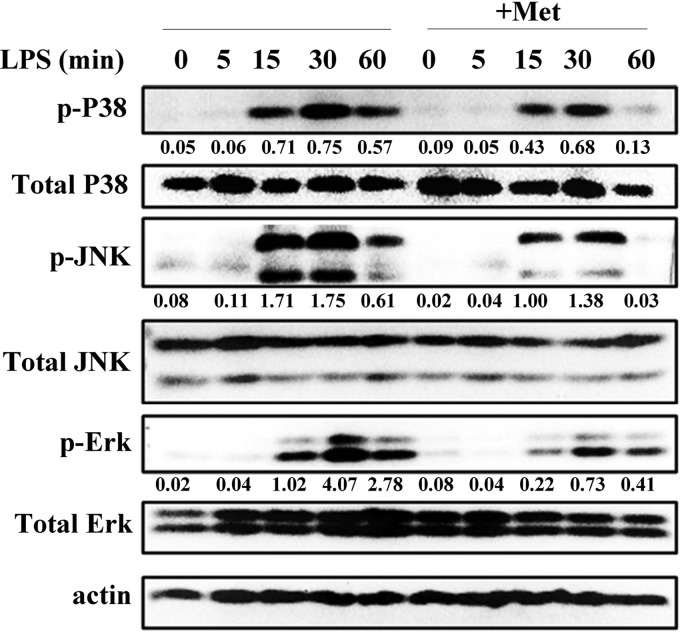
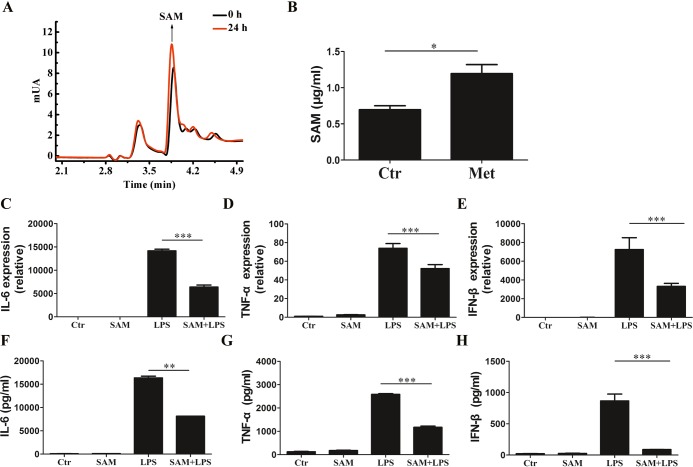
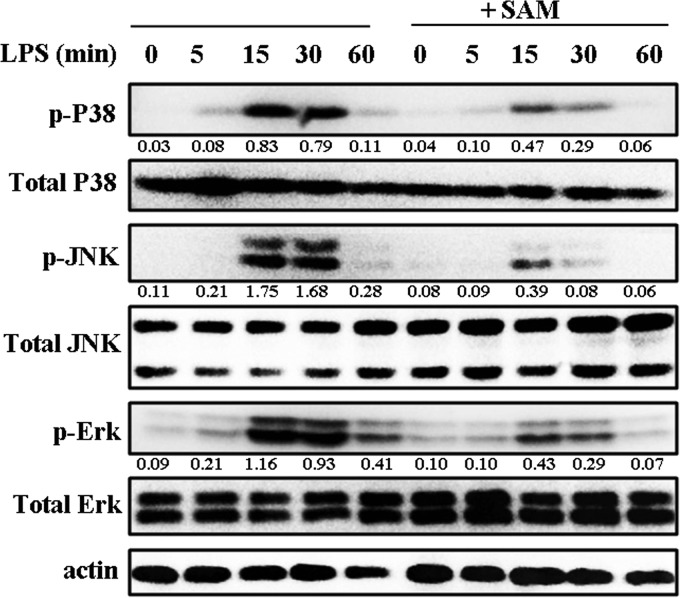
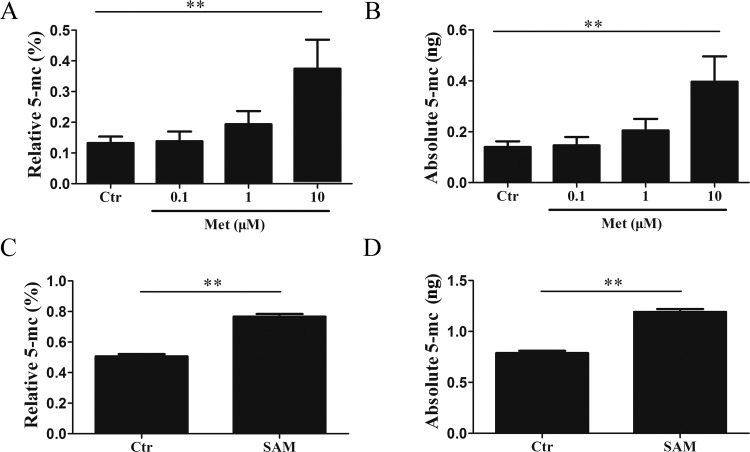
Methionine (Met) is an essential and multifunctional nutrient in vertebrate diets. It is a precursor of -adenosylmethionine (SAM), the methyl donor for DNA methylation, which has an important role in the inflammatory responses. However, whether Met exerts anti-inflammatory effects by altering DNA methylation in macrophages is unclear. In this study, Met was found to diminish the activation of the mitogen-activated protein kinase signaling pathway; decrease the production of tumor necrosis factor-α, interleukin-6, and interferon-β; and enhance the levels of intracellular SAM after lipopolysaccharide (LPS) treatment in macrophages. Similarly, SAM inhibited the LPS-induced inflammatory response, consistent with the result of Met treatment. Met-treated macrophages displayed increased global DNA methylation. The DNA methyltransferase inhibitor 5-aza-2'-deoxycytidine partially blocked the anti-inflammatory effects of Met in macrophages, suggesting a mechanism involving DNA methylation. Collectively, the results indicated that Met inhibits the LPS-induced inflammatory response by altering DNA methylation in RAW 264.7 macrophages. The findings provide new insights into the interplay between nutrition and immunology, and highlight the regulatory effects of amino acids on the host immune system.
蛋氨酸(Met)是脊椎动物饮食中一种必需的多功能营养素。它是S-腺苷甲硫氨酸(SAM)的前体,SAM是DNA甲基化的甲基供体,在炎症反应中起重要作用。然而,Met是否通过改变巨噬细胞中的DNA甲基化发挥抗炎作用尚不清楚。在本研究中,发现Met可降低丝裂原活化蛋白激酶信号通路的激活;减少肿瘤坏死因子-α、白细胞介素-6和干扰素-β的产生;并在巨噬细胞中用脂多糖(LPS)处理后提高细胞内SAM水平。同样,SAM抑制LPS诱导的炎症反应,与Met处理的结果一致。经Met处理的巨噬细胞表现出整体DNA甲基化增加。DNA甲基转移酶抑制剂5-氮杂-2'-脱氧胞苷部分阻断了Met在巨噬细胞中的抗炎作用,提示存在一种涉及DNA甲基化的机制。总体而言,结果表明Met通过改变RAW 264.7巨噬细胞中的DNA甲基化来抑制LPS诱导的炎症反应。这些发现为营养与免疫之间的相互作用提供了新的见解,并突出了氨基酸对宿主免疫系统的调节作用。