Integrative Microbiology Research Centre, Guangdong Province Key Laboratory of Microbial Signals and Disease Control, College of Agriculture, South China Agricultural University, Guangzhou, Guangdong 510642, China.
College of Plant Protection, Hainan University/Key Laboratory of Green Prevention and Control of Tropical Plant Diseases and Pests, Ministry of Education, Haikou 570228, China.
Viruses. 2019 Feb 20;11(2):178. doi: 10.3390/v11020178.
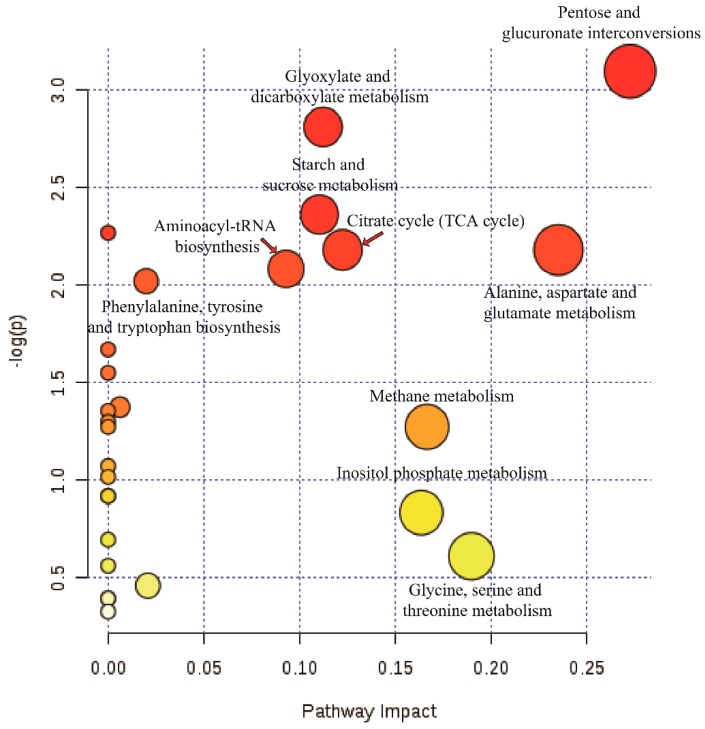
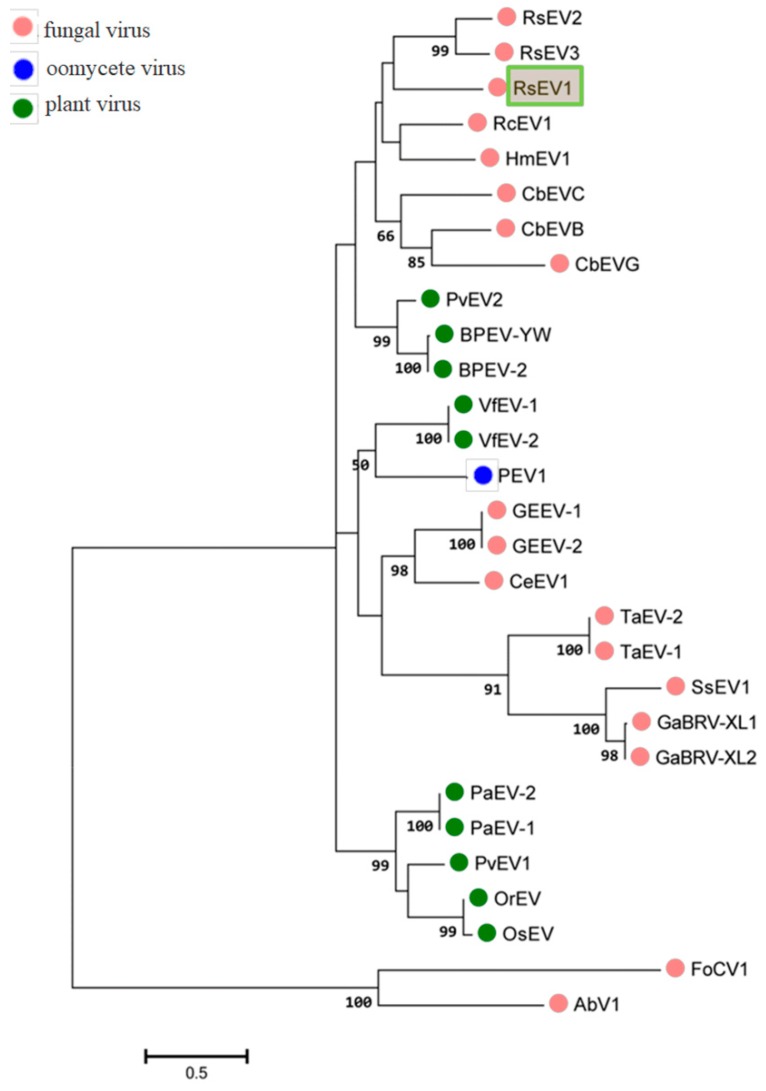
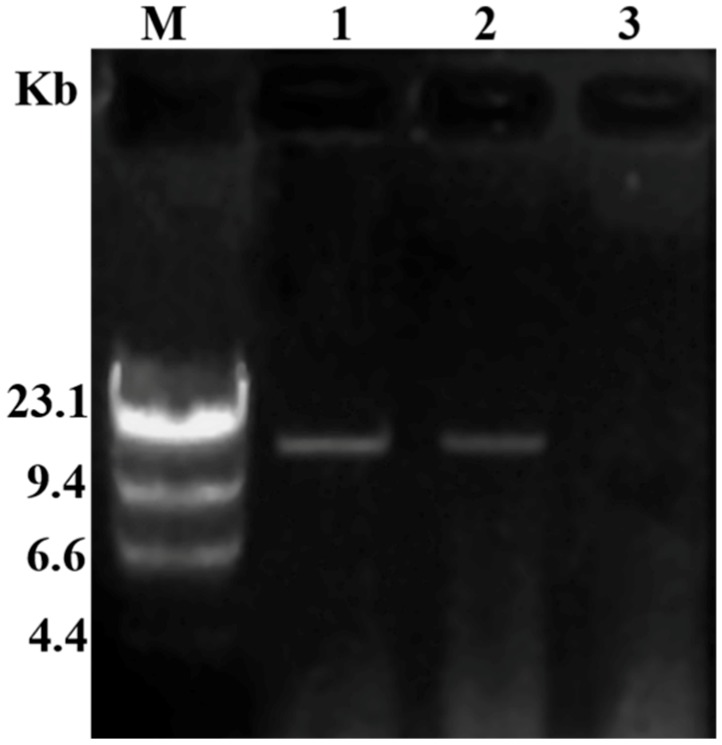
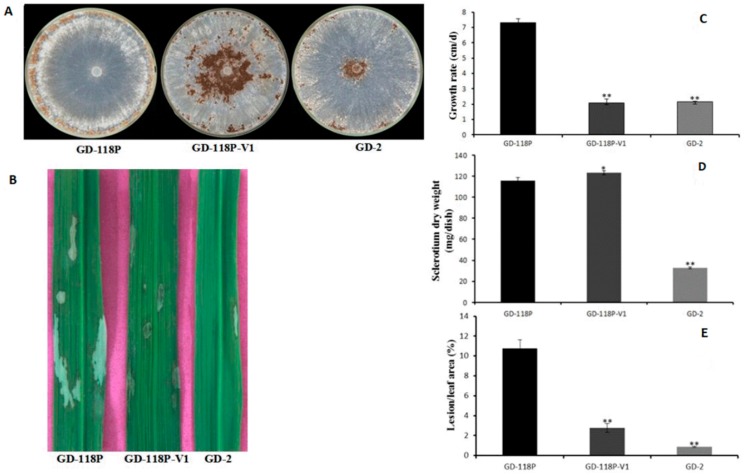
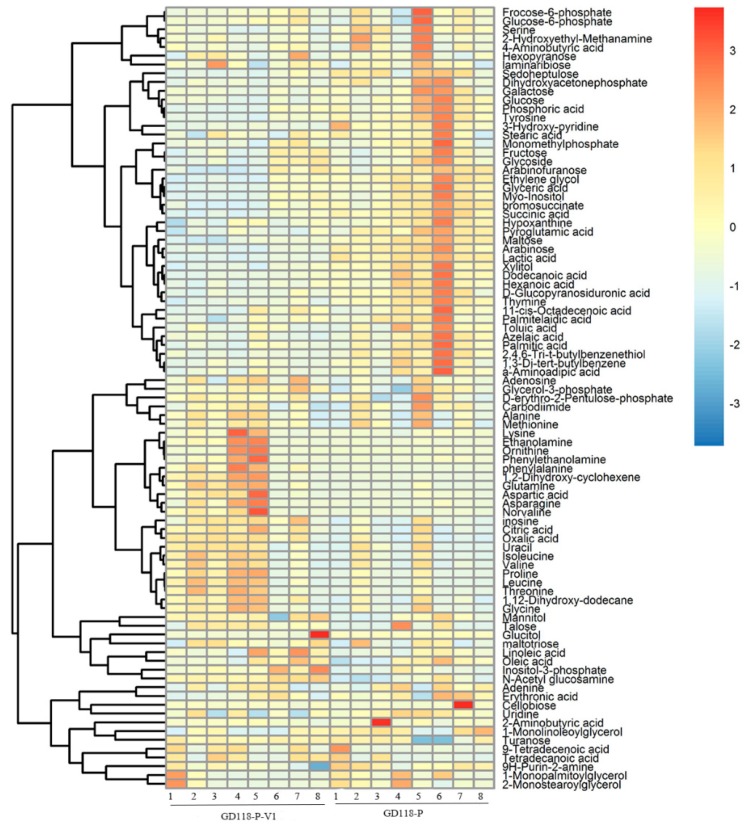
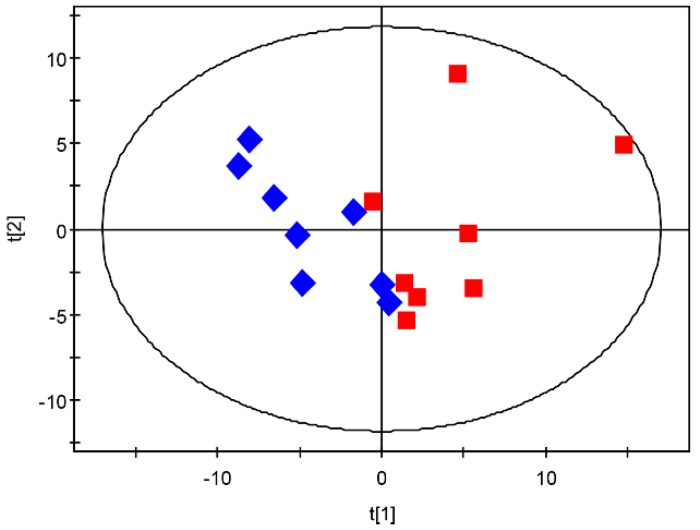
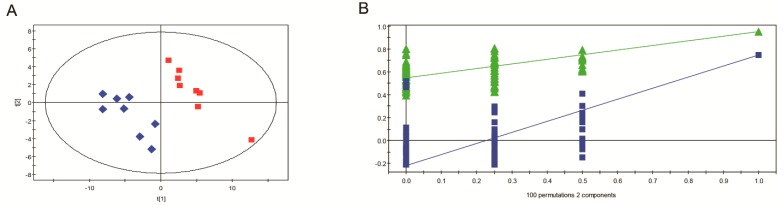
The complete sequence and genome organization of a novel from the hypovirulent strain GD-2 of AG-1 IA, the causal agent of rice sheath blight, were identified using a deep sequencing approach and it was tentatively named as endornavirus 1 (RsEV1). It was composed of only one segment that was 19,936 bp in length and was found to be the longest endornavirus genome that has been reported so far. The RsEV1 genome contained two open reading frames (ORFs): ORF1 and ORF2. ORF1 contained a glycosyltransferase 1 domain and a conserved RNA-dependent RNA polymerase domain, whereas ORF2 encoded a conserved hypothetical protein. Phylogenetic analysis revealed that RsEV1 was phylogenetically a new endogenous RNA virus. A horizontal transmission experiment indicated that RsEV1 could be transmitted from the host fungal strain GD-2 to a virulent strain GD-118P and resulted in hypovirulence in the derivative isogenic strain GD-118P-V1. Metabolomic analysis showed that 32 metabolites were differentially expressed between GD-118P and its isogenic hypovirulent strain GD-118P-V1. The differential metabolites were mainly classified as organic acids, amino acids, carbohydrates, and the intermediate products of energy metabolism. Pathway annotation revealed that these 32 metabolites were mainly involved in pentose and glucuronate interconversions and glyoxylate, dicarboxylate, starch, and sucrose metabolism, and so on. Taken together, our results showed that RsEV1 is a novel , and the infection of virulent strain GD-118P by RsEV1 caused metabolic disorders and resulted in hypovirulence. The results of this study lay a foundation for the biocontrol of rice sheath blight caused by AG1-IA.
利用深度测序方法,鉴定了来自水稻纹枯病菌弱毒株 GD-2 的一种新型内生 RNA 病毒——RsEV1 的全序列及其基因组结构。它仅由一个 19936bp 的片段组成,是迄今为止报道的最长的内生 RNA 病毒基因组。RsEV1 基因组包含两个开放阅读框(ORF):ORF1 和 ORF2。ORF1 包含一个糖基转移酶 1 结构域和一个保守的 RNA 依赖的 RNA 聚合酶结构域,而 ORF2 编码一个保守的假定蛋白。系统发育分析表明,RsEV1 是一种新的内生 RNA 病毒。水平传播实验表明,RsEV1 可以从宿主真菌菌株 GD-2 传播到毒性菌株 GD-118P,并导致衍生的同基因菌株 GD-118P-V1 毒力降低。代谢组学分析表明,GD-118P 与其同基因弱毒菌株 GD-118P-V1 之间有 32 种代谢物存在差异表达。差异代谢物主要分为有机酸、氨基酸、碳水化合物和能量代谢中间产物。途径注释表明,这些 32 种代谢物主要参与戊糖和葡萄糖醛酸的相互转化以及乙醛酸、二羧酸、淀粉和蔗糖代谢等途径。综上所述,我们的研究结果表明 RsEV1 是一种新型内生 RNA 病毒,病毒株 GD-118P 感染 RsEV1 会导致代谢紊乱并引起毒力降低。本研究结果为利用内生病毒防治水稻纹枯病奠定了基础。