Gorlova Sofya, Ichiba Tomohisa, Nishimaru Hiroshi, Takamura Yusaku, Matsumoto Jumpei, Hori Etsuro, Nagashima Yoshinao, Tatsuse Tsuyoshi, Ono Taketoshi, Nishijo Hisao
System Emotional Science, Graduate School of Medicine and Pharmaceutical Sciences, University of Toyama, Toyama, Japan.
Personal Health Care Lab, KAO Corp, Tokyo, Japan.
Front Neurol. 2019 Feb 5;10:66. doi: 10.3389/fneur.2019.00066. eCollection 2019.
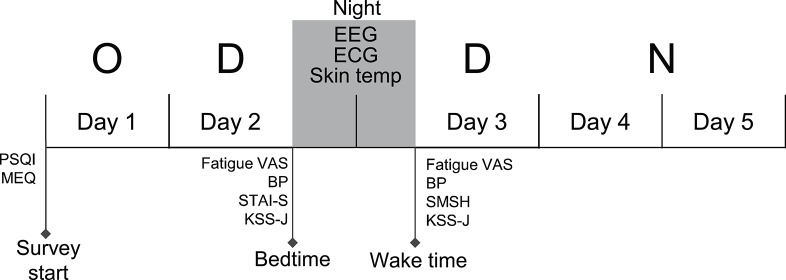
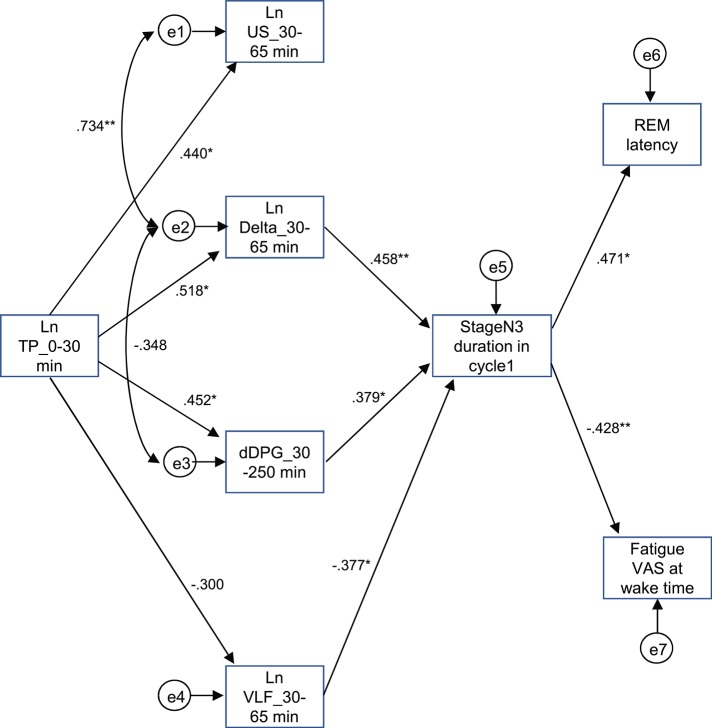
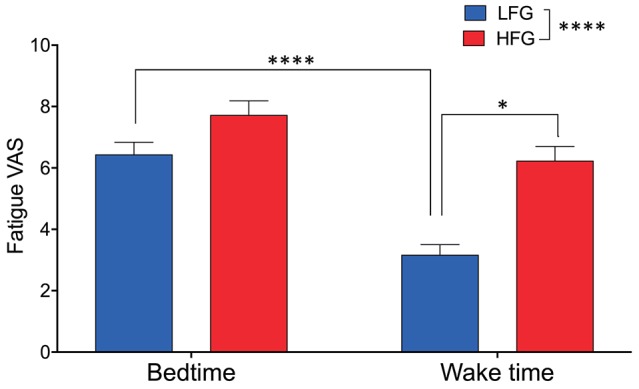
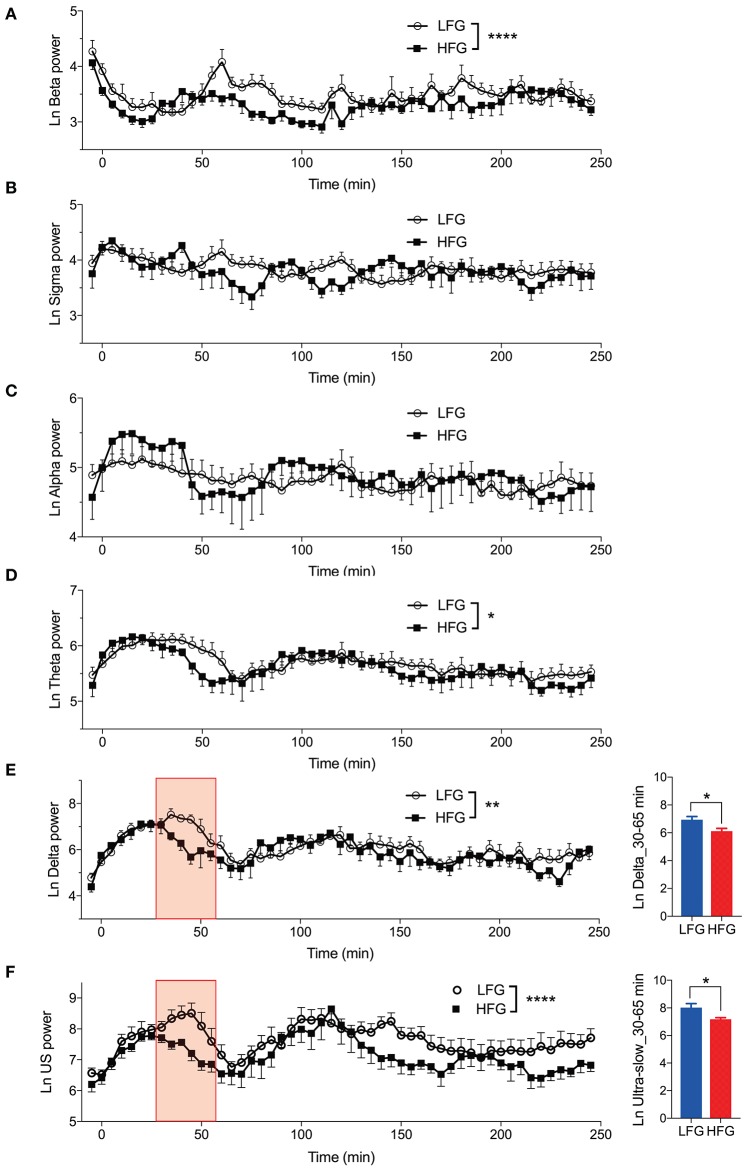
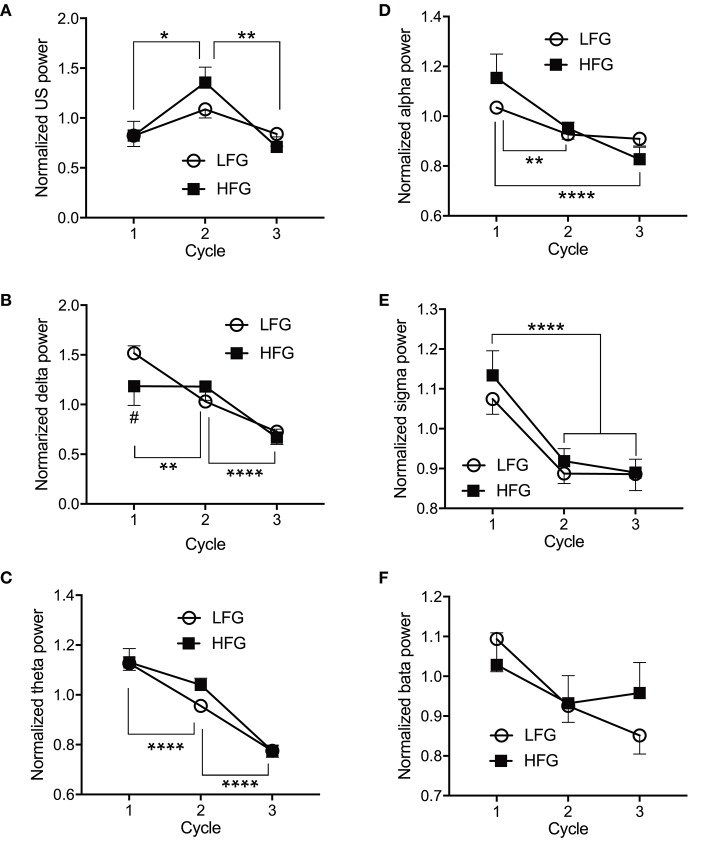
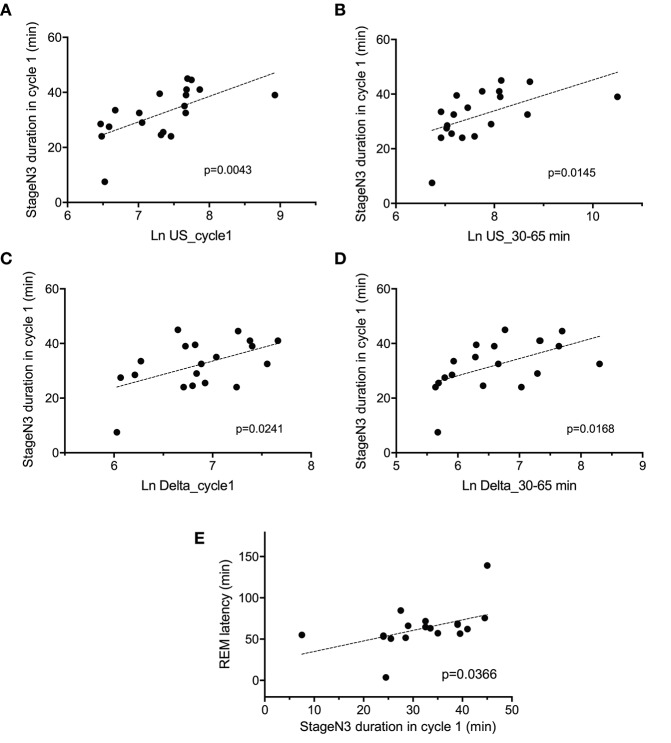
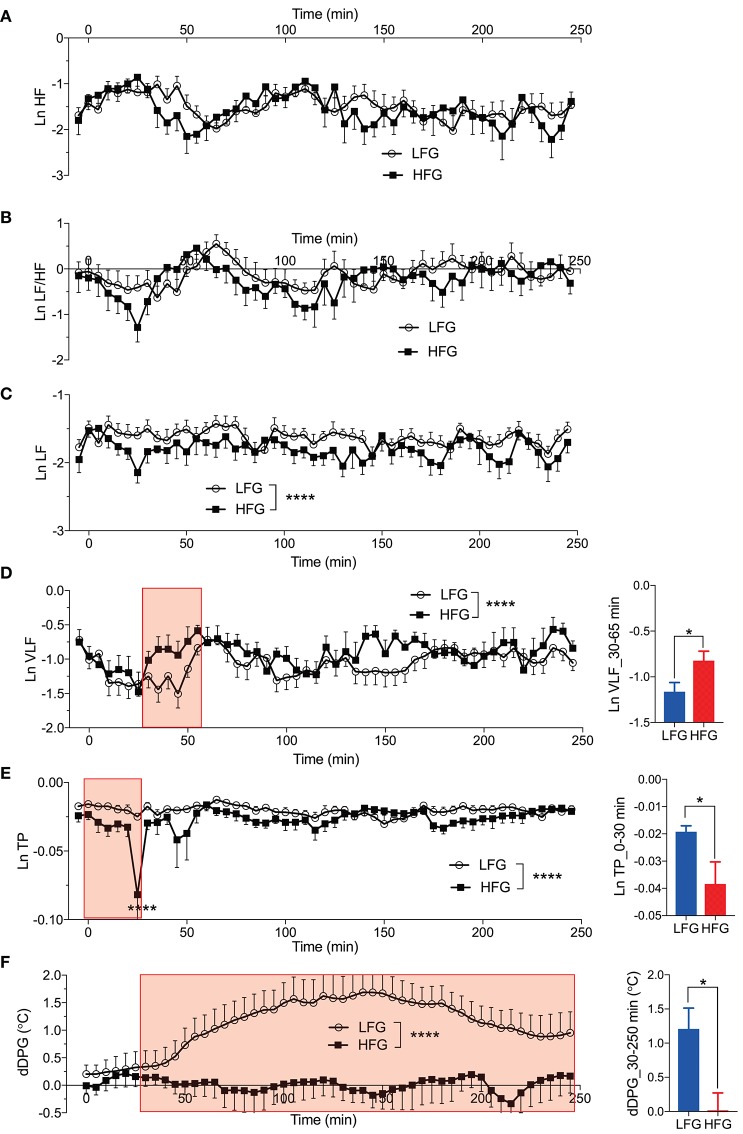
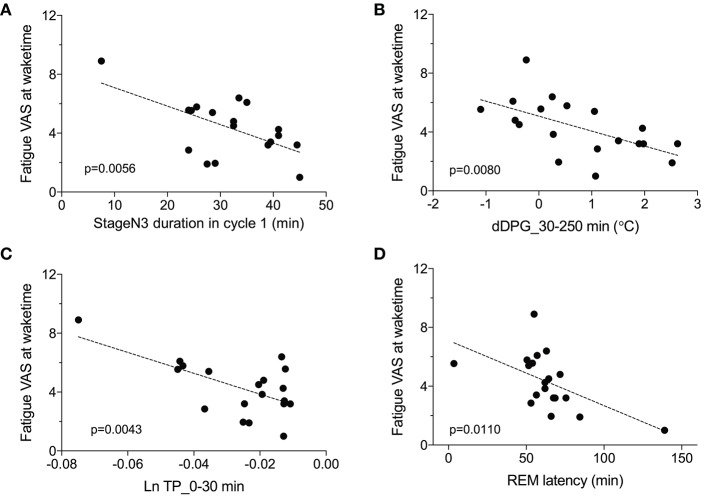
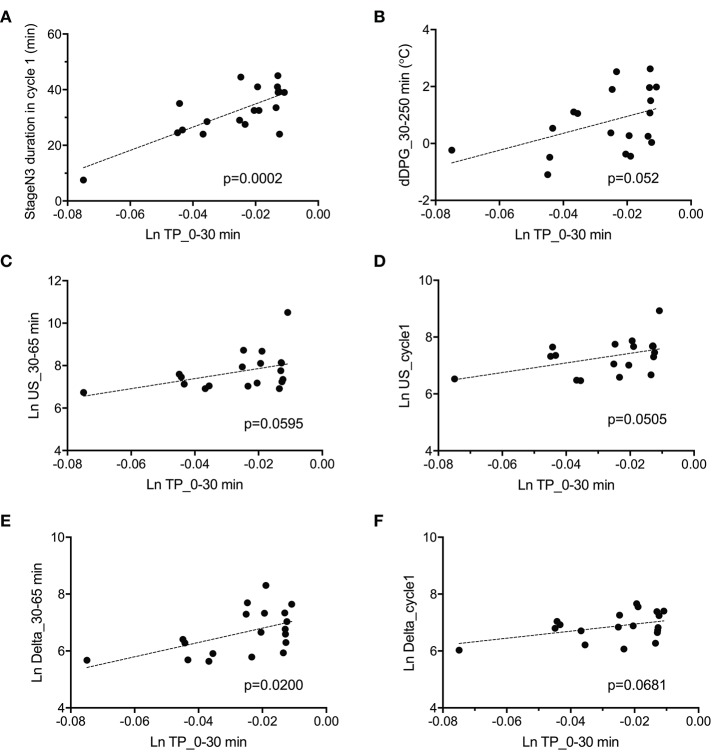
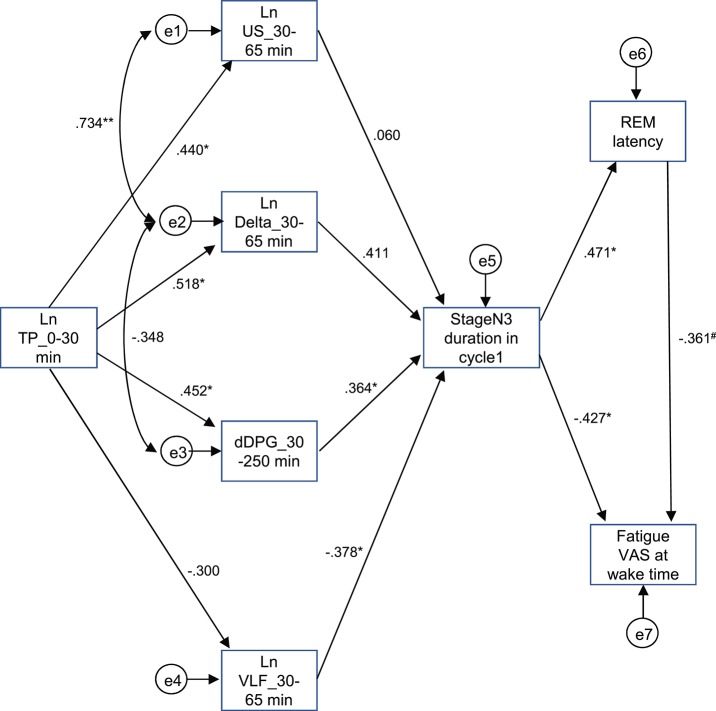
Sleep is a physiological state that plays important role in the recovery of fatigue. However, the relationship between the physiological status of sleep and subjective fatigue remains unknown. In the present study, we hypothesized that the non-recovery of fatigue at wake time due to non-restorative sleep might be ascribed to changes in specific parameters of electroencephalography (EEG) and heart rate variability (HRV) in poor sleepers. Twenty healthy female shift-working nurses participated in the study. Subjective fatigue was assessed using the visual analog scale (VAS) at bedtime and wake time. During sleep on the night between 2 consecutive day shifts, the EEG powers at the frontal pole, HRV based on electrocardiograms, and distal-proximal gradient of skin temperature were recorded and analyzed. The results indicated that the subjects with high fatigue on the VAS at wake time exhibited (1) a decrease in deep non-rapid eye movement (NREM) (stageN3) sleep duration in the first sleep cycle; (2) a decrease in REM latency; (3) a decrease in ultra-slow and delta EEG powers, particularly from 30 to 65 min after sleep onset; (4) a decrease in the total power of HRV, particularly from 0 to 30 min after sleep onset; (5) an increase in the very low frequency component of HRV; and (6) a smaller increase in the distal-proximal gradient of skin temperature, than those of the subjects with low fatigue levels. The correlational and structural equation modeling analyses of these parameters suggested that an initial decrease in the total power of HRV from 0 to 30 min after sleep onset might inhibit the recovery from fatigue during sleep (i.e., increase the VAS score at wake time) via its effects on the ultra-slow and delta powers from 30 to 65 min after sleep onset, stageN3 duration in the first sleep cycle, REM latency, and distal-proximal gradient of skin temperature. These findings suggest an important role of these physiological factors in recovery from fatigue during sleep, and that interventions to modify these physiological factors might ameliorate fatigue at wake time.
睡眠是一种在疲劳恢复中起重要作用的生理状态。然而,睡眠的生理状态与主观疲劳之间的关系仍不明确。在本研究中,我们假设睡眠质量差导致醒来时疲劳未恢复可能归因于睡眠不佳者脑电图(EEG)和心率变异性(HRV)的特定参数变化。20名健康的女性轮班护士参与了该研究。在睡前和醒来时使用视觉模拟量表(VAS)评估主观疲劳。在连续两个白班之间的夜间睡眠期间,记录并分析额极的EEG功率、基于心电图的HRV以及皮肤温度的远端-近端梯度。结果表明,醒来时VAS疲劳程度高的受试者表现出:(1)第一个睡眠周期中深度非快速眼动(NREM)(N3期)睡眠时间减少;(2)快速眼动潜伏期缩短;(3)超慢波和δ波EEG功率降低,尤其是在睡眠开始后30至65分钟;(4)HRV总功率降低,尤其是在睡眠开始后0至30分钟;(5)HRV的极低频成分增加;以及(6)皮肤温度的远端-近端梯度增加幅度小于疲劳程度低的受试者。对这些参数的相关性和结构方程模型分析表明,睡眠开始后0至30分钟HRV总功率的初始降低可能通过其对睡眠开始后30至65分钟的超慢波和δ波功率、第一个睡眠周期的N3期持续时间、快速眼动潜伏期以及皮肤温度的远端-近端梯度的影响,抑制睡眠期间的疲劳恢复(即增加醒来时的VAS评分)。这些发现表明这些生理因素在睡眠期间疲劳恢复中起重要作用,并且改变这些生理因素的干预措施可能改善醒来时的疲劳。