Quan Ke, Li Jing, Wang Jiaoli, Xie Nuli, Wei Qiaomei, Tang Jinlu, Yang Xiaohai, Wang Kemin, Huang Jin
State Key Laboratory of Chemo/Biosensing and Chemometrics , College of Chemistry and Chemical Engineering , Key Laboratory for Bio-Nanotechnology and Molecular Engineering of Hunan Province , Hunan University , Changsha , P. R. China . Email:
Chem Sci. 2018 Nov 19;10(5):1442-1449. doi: 10.1039/c8sc04887h. eCollection 2019 Feb 7.
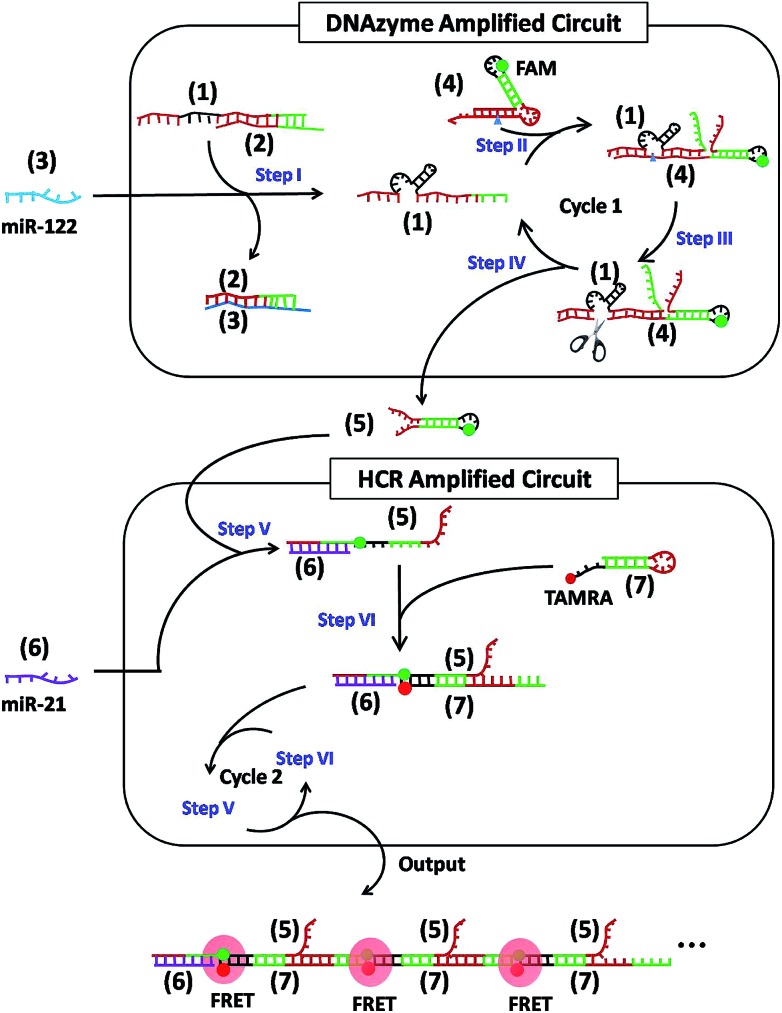
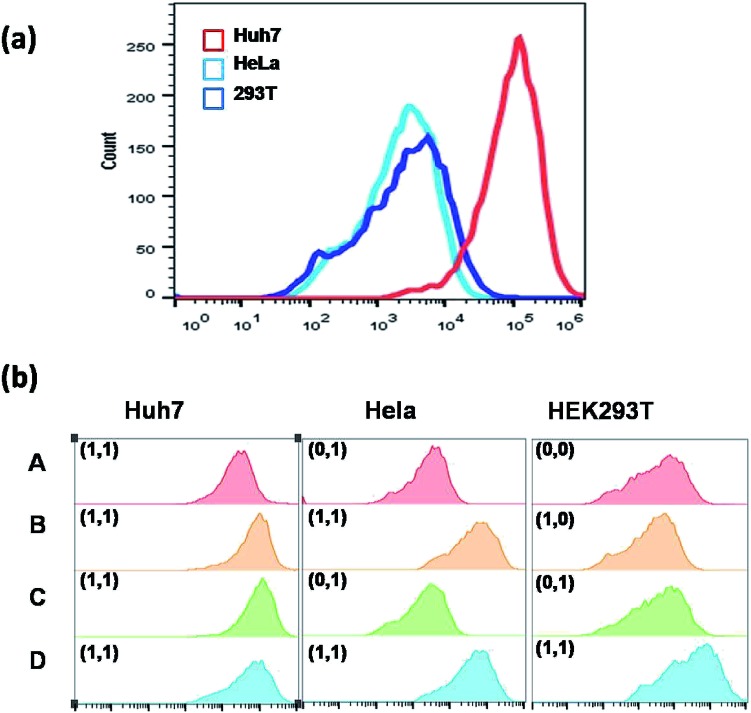
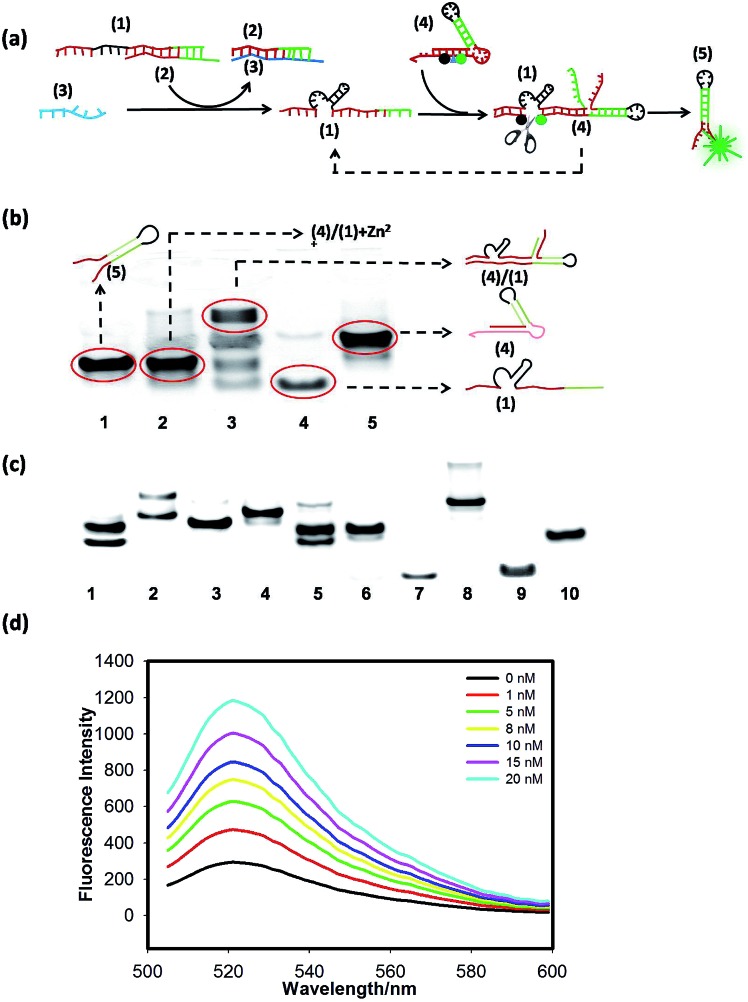
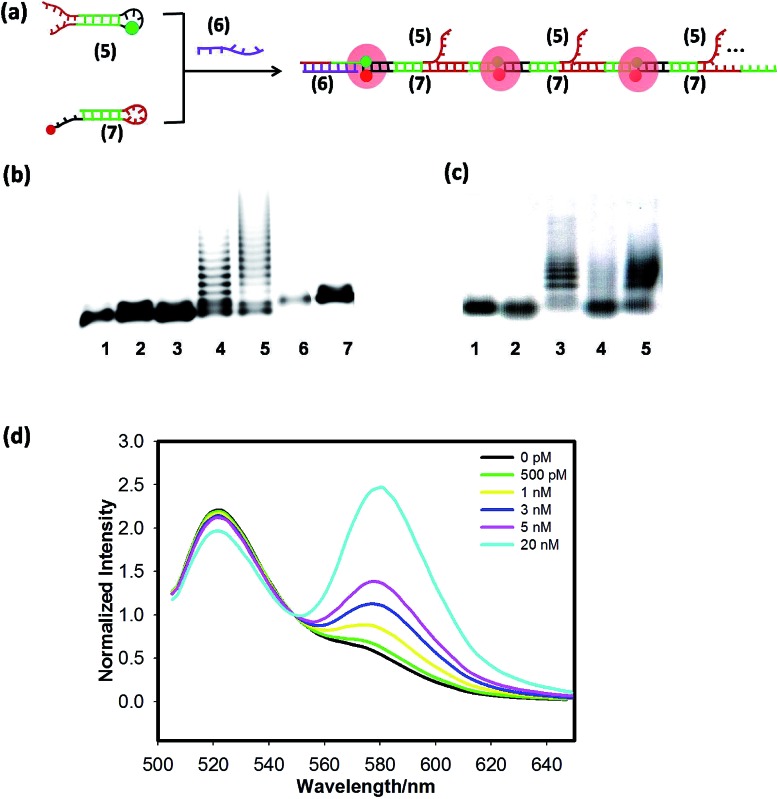
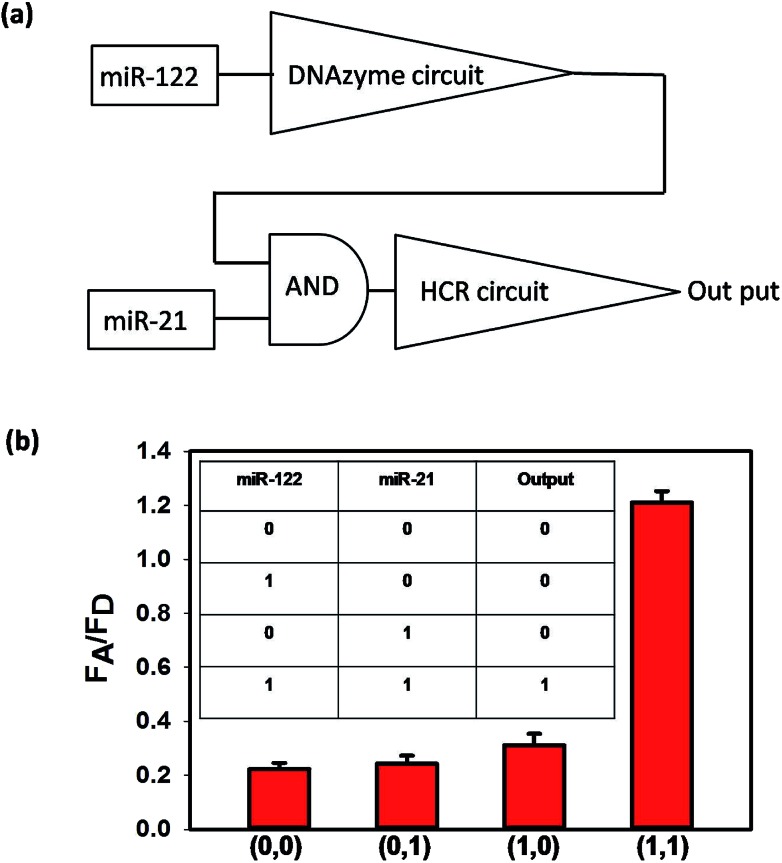
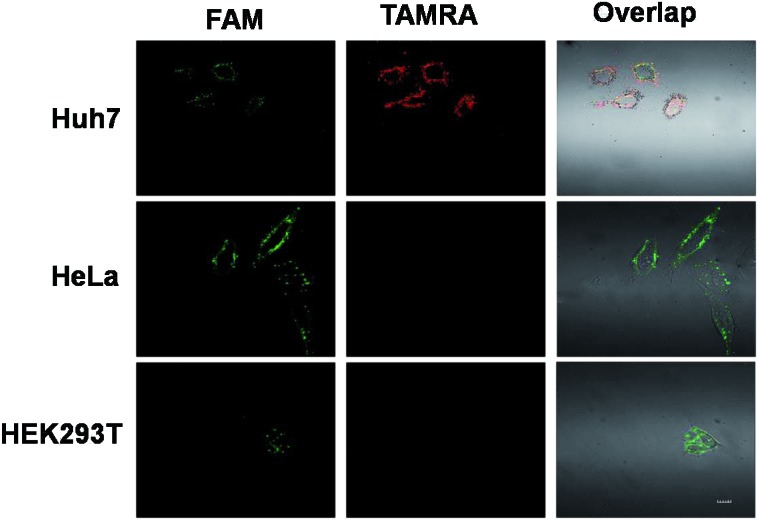
Accurate discrimination between different cells at the molecular level is particularly important for disease diagnosis. Endogenous RNAs are such molecular candidates for cancer cell subtype identification. But the key is that there is often low abundance of RNAs in live cells, or some RNAs are often shared by multiple types of cells. Thus, we have designed dual-microRNA-controlled double-amplified cascaded logic DNA circuits for cancer cell subtype identification. The basic idea is to improve sensitivity by cascading DNAzyme and hybridization chain reaction (HCR), and improve accuracy by simultaneous detection of miR-122 and miR-21. The in-tube and in-cell experimental results show that the cascaded logic DNA circuits can work and serve to differentiate the liver cancer cells Huh7 from other normal cells and cancer cells. We anticipate that this design can be widely applied in facilitating basic biomedical research and accurate disease diagnosis.
在分子水平上准确区分不同细胞对于疾病诊断尤为重要。内源性RNA是用于癌细胞亚型鉴定的此类分子候选物。但关键在于活细胞中RNA丰度往往较低,或者某些RNA常被多种类型的细胞共享。因此,我们设计了用于癌细胞亚型鉴定的双微小RNA控制的双扩增级联逻辑DNA电路。基本思路是通过级联脱氧核酶和杂交链式反应(HCR)提高灵敏度,并通过同时检测miR-122和miR-21提高准确性。管内和细胞内实验结果表明,级联逻辑DNA电路能够发挥作用,用于区分肝癌细胞Huh7与其他正常细胞和癌细胞。我们预计这种设计可广泛应用于促进基础生物医学研究和准确的疾病诊断。