TORCATECH, LLC, 5210 104th Street SW, Mukilteo, WA, 98275, USA.
Department of Biomedical Science, Charles E. Schmidt College of Medicine, Florida Atlantic University, 777 Glades Road, Boca Raton, FL, 33428, USA.
Sci Rep. 2019 Feb 27;9(1):2901. doi: 10.1038/s41598-019-39921-9.
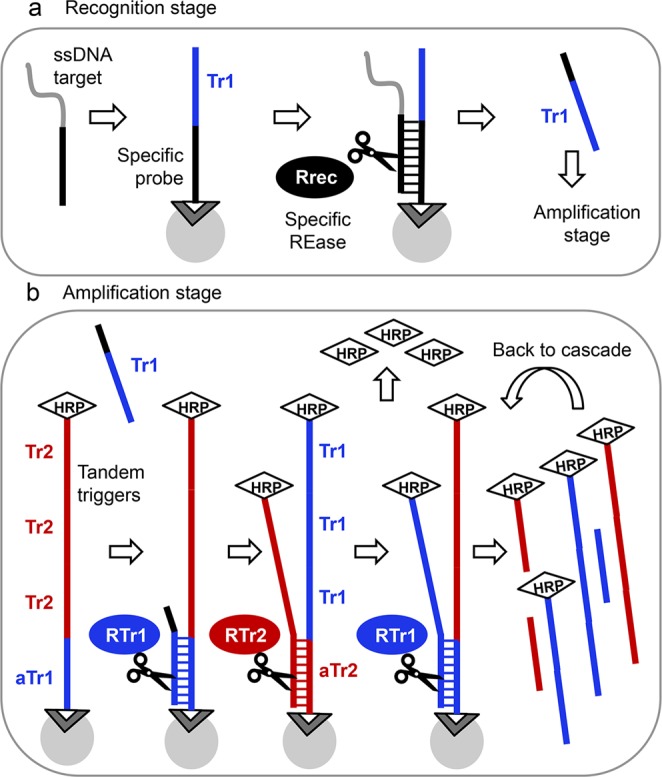
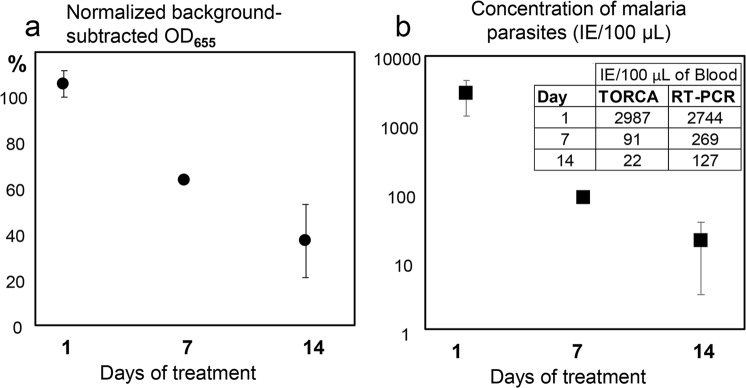
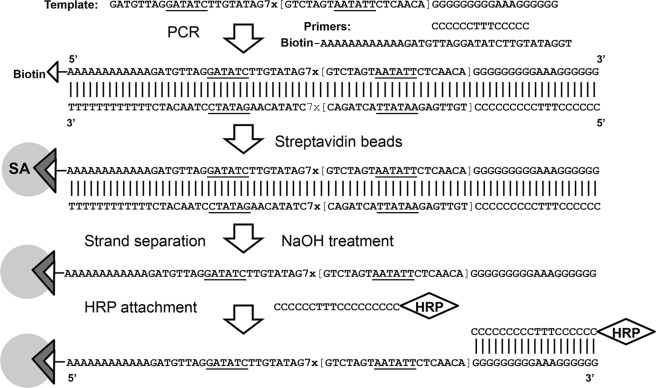
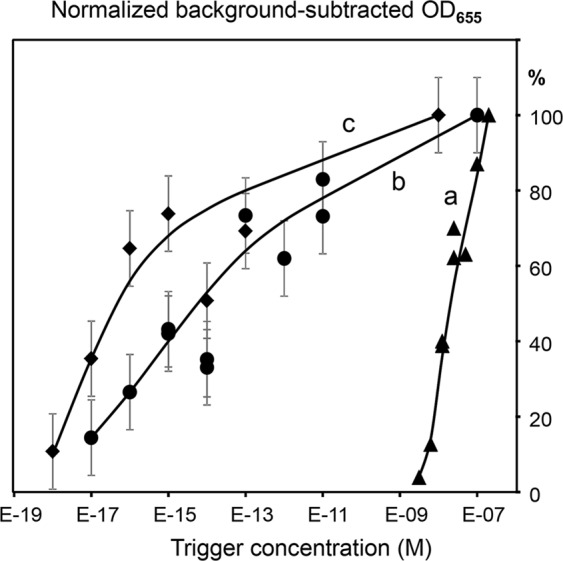
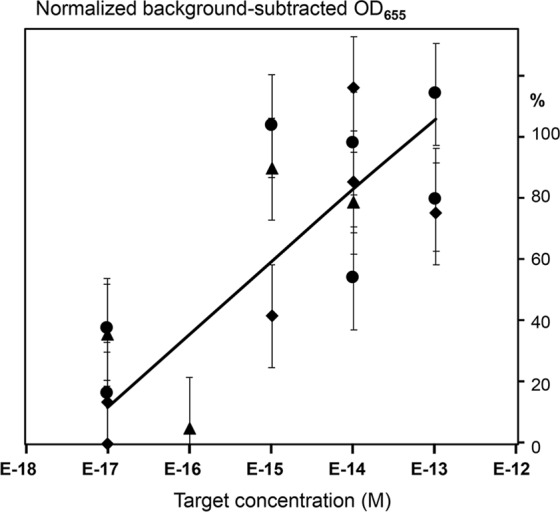
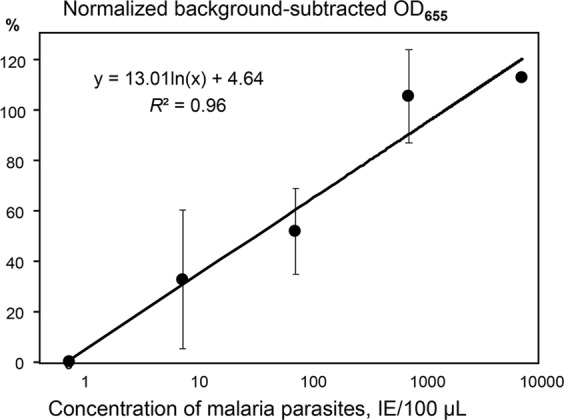
Tandem Oligonucleotide Repeat Cascade Amplification (TORCA) based on signal rather than target amplification under isothermal conditions was developed for nucleic acid assays. The initial signal was generated by hybridization of single stranded DNA targets to immobilized recognition probes followed by hybrid cleavage with specific restriction endonuclease (REase), and release of trigger oligonucleotides (Tr1). The signal amplification chamber contained two bead types carrying single-stranded amplification probes and two amplification REases. The probes consisted of multiple tandem repeats of either Tr1 or another trigger Tr2, with the tandem-Tr1 anchored to the beads through the antisense Tr2 linker and vice versa. Addition of the recognition reaction solution and Tr1 hybridization to the anti-Tr1 linkers started cleavage and release of additional Tr1 and Tr2, resulting in exponential signal amplification. The cleavage cascade also released horseradish peroxidase (HRP) pre-attached to the amplification probes, and the resultant signal was measured colorimetrically. A TORCA assay was developed for detection of Plasmodium falciparum parasites in blood. It had the detection limit in the attomolar concentration range, successfully detecting sub-microscopic P. falciparum infections at less than 0.75 infected erythrocytes per microliter. Further TORCA optimization will likely produce the quantitative isothermal alternative to PCR at a fraction of its cost.
基于信号而不是目标扩增的串联寡核苷酸重复级联扩增(TORCA)在等温条件下被开发用于核酸检测。初始信号是通过单链 DNA 靶标与固定化识别探针杂交,然后用特定的限制性内切酶(REase)进行杂交切割产生的,并释放触发寡核苷酸(Tr1)。信号扩增腔包含两种珠型,携带单链扩增探针和两种扩增 REases。探针由 Tr1 或另一个触发 Tr2 的串联重复组成,串联-Tr1 通过反义 Tr2 接头固定在珠上,反之亦然。加入识别反应溶液和 Tr1 杂交到抗 Tr1 接头开始切割和释放额外的 Tr1 和 Tr2,导致信号指数级放大。切割级联还释放了预先附着在扩增探针上的辣根过氧化物酶(HRP),并且通过比色法测量所得信号。开发了一种用于检测血液中的恶性疟原虫寄生虫的 TORCA 检测方法。它在飞摩尔浓度范围内具有检测下限,成功地检测到每微升不到 0.75 个受感染红细胞的亚微观恶性疟原虫感染。进一步的 TORCA 优化可能会以其成本的一小部分产生定量等温替代 PCR。