College of Pharmaceutical Sciences, Key Laboratory of Luminescent and Real-Time Analytical Chemistry (Southwest University), Ministry of Education, Southwest University, Chongqing 400715, China.
TAAHC-SWU Medicinal Plant R&D Center, XiZang Agriculture and Animal Husbandry College, Nyingchi, Tibet 860000, China.
Toxins (Basel). 2019 Mar 2;11(3):142. doi: 10.3390/toxins11030142.
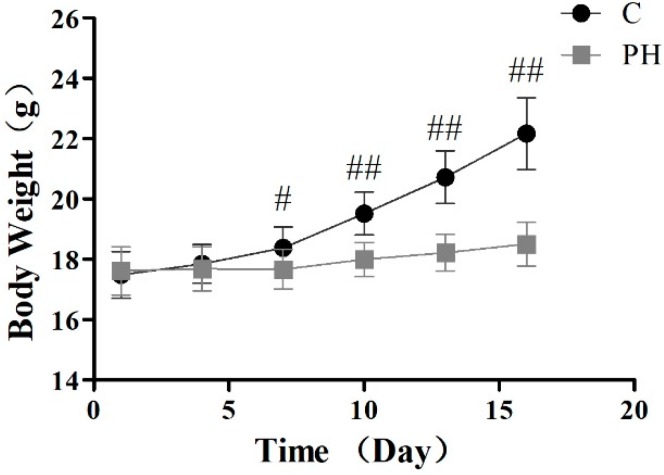
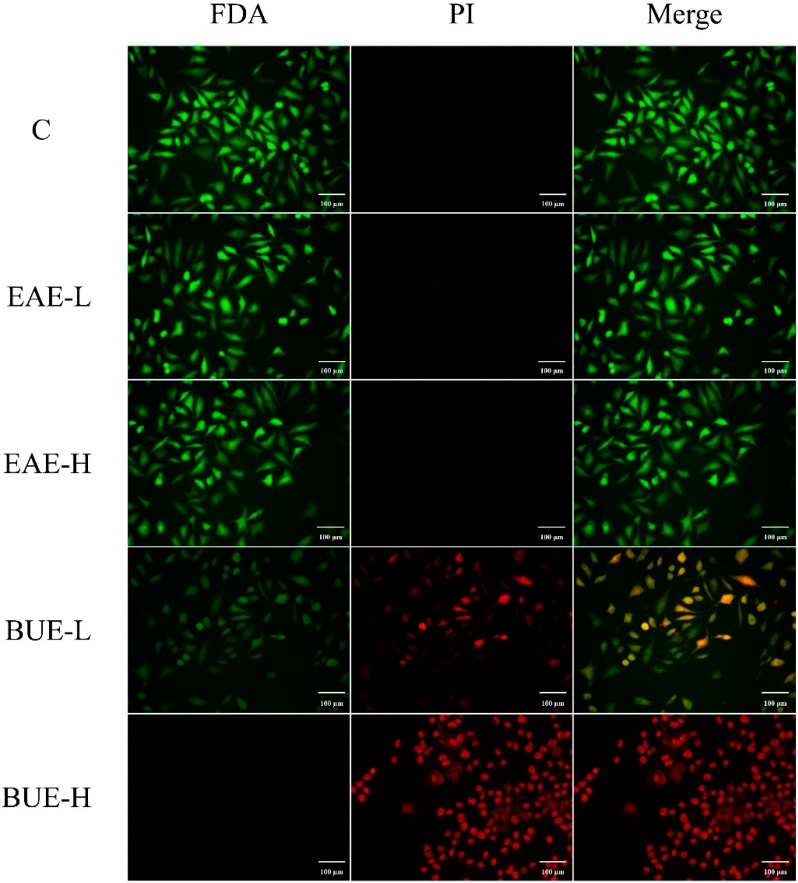
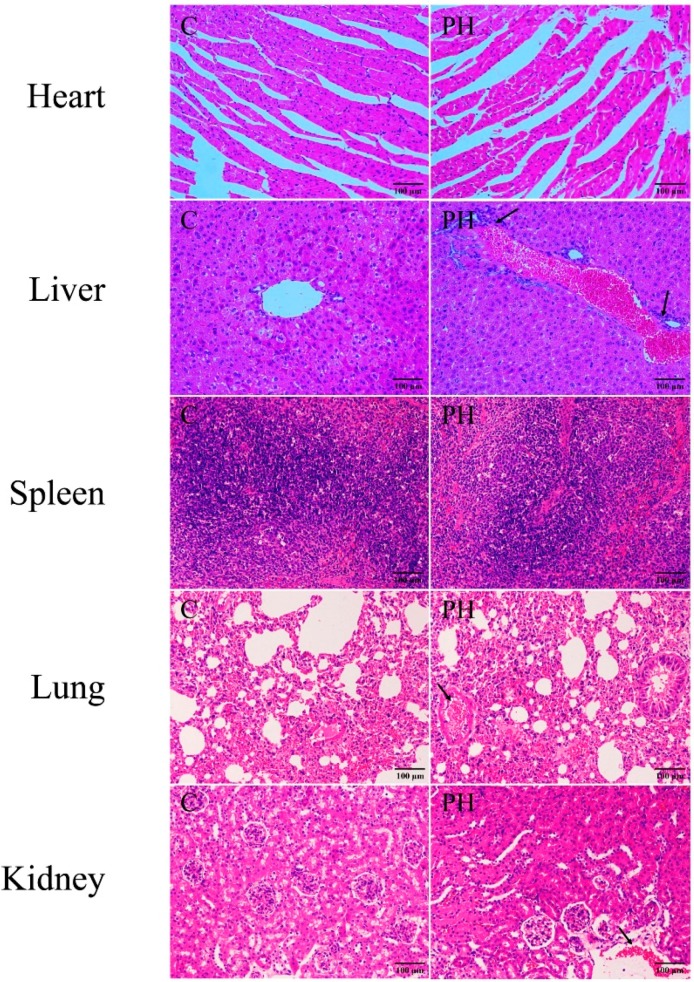
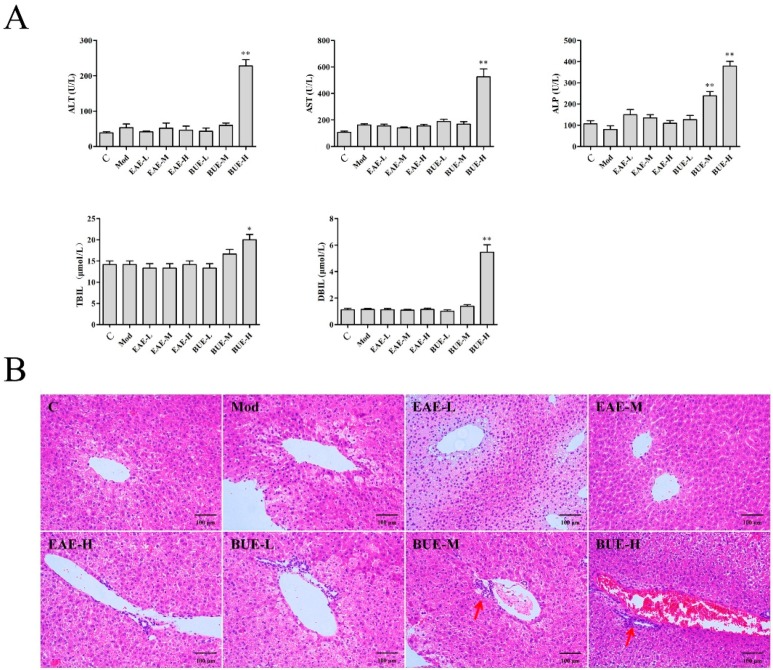
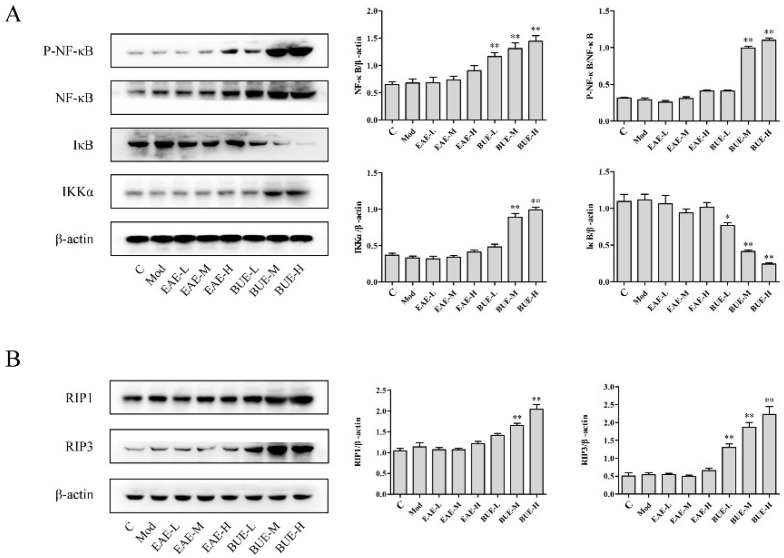
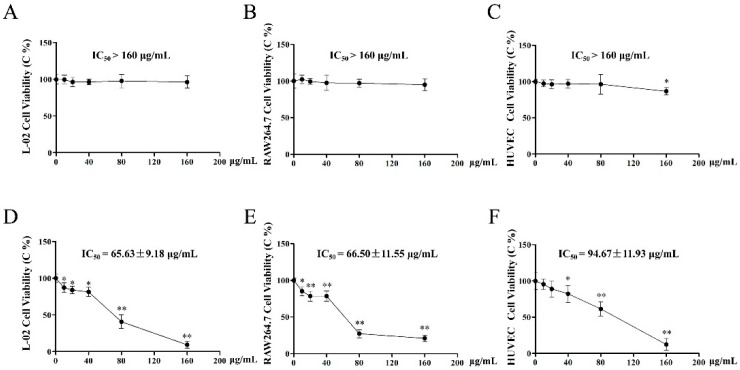
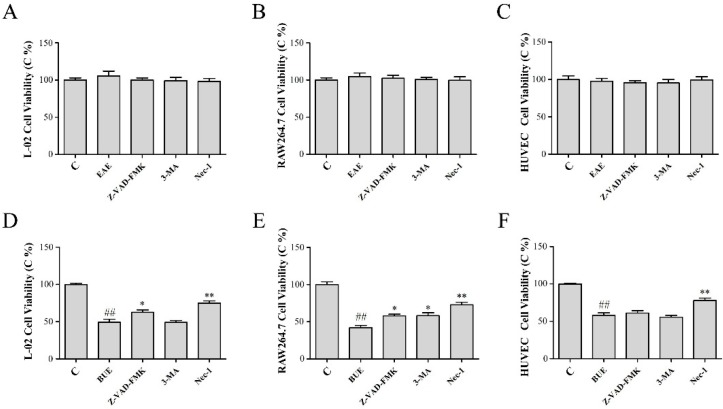
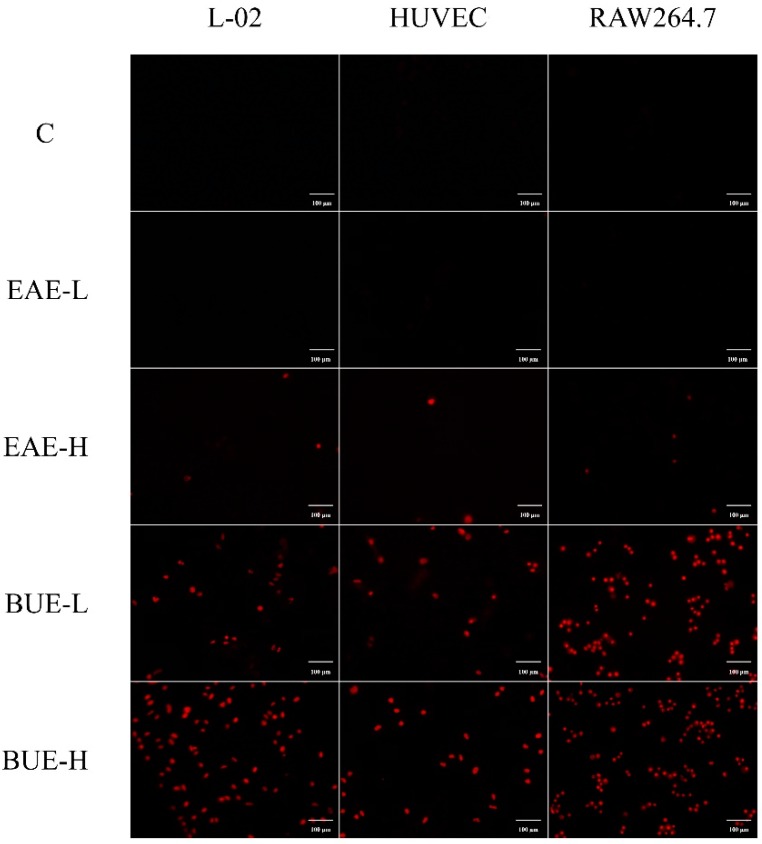
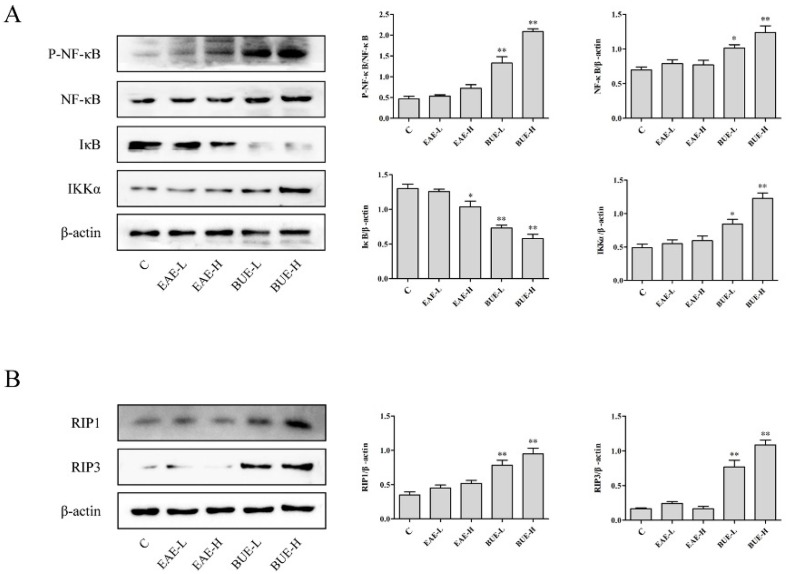
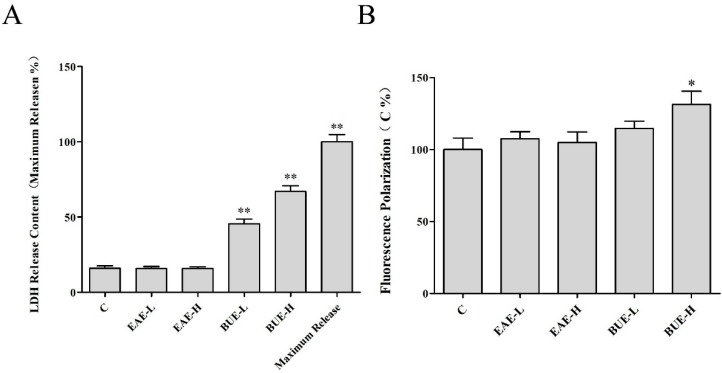
(C. B. Clarke) Höeck, recorded in the Chinese Pharmacopoeia (2015 version) as a Tibetan medicine for the treatment of various diseases, especially rheumatoid arthritis, was believed to possess a slight toxicity. However, hardly any research has been carried out about it. The present study aimed to evaluate the toxicity in vivo and in vitro. Toxicity was observed by the evaluation of mice weight loss and histopathological changes in the liver. Then, the comparison research between ethyl acetate extract (EAE) and n-butanol extract (BUE) suggested that liver toxicity was mainly induced by BUE. The mechanical study suggested that BUE-induced liver toxicity was closely associated with necrosis detected by MTT and propidium iodide (PI) staining, via releasing lactate dehydrogenase (LDH), reducing the fluidity, and increasing the permeability of the cell membrane. Western blot analysis confirmed that the necrosis occurred molecularly by the up-regulation of receptor-interacting protein kinase 1 (RIP1) and receptor-interacting protein kinase 3 (RIP3), as well as the activation of the nuclear factor-kappa-gene binding (NF-κB) signaling pathway in vivo and in vitro. This finding indicated that the liver toxicity induced by BUE from was mainly caused by necrosis, which provides an important theoretical support for further evaluation of the safety of this folk medicine.
(C. B. Clarke)诃子被收录于《中国药典》(2015 年版)中,被藏族医学用于治疗各种疾病,尤其是类风湿关节炎,被认为具有轻微的毒性。然而,几乎没有对此进行过任何研究。本研究旨在评估其体内和体外的毒性。通过观察小鼠体重减轻和肝脏组织病理学变化来评估毒性。然后,乙酸乙酯提取物(EAE)和正丁醇提取物(BUE)的对比研究表明,肝毒性主要是由 BUE 引起的。力学研究表明,BUE 诱导的肝毒性与 MTT 和碘化丙啶(PI)染色检测到的坏死密切相关,通过释放乳酸脱氢酶(LDH)、降低细胞膜流动性和增加细胞膜通透性来实现。Western blot 分析证实,坏死是通过体内和体外受体相互作用蛋白激酶 1(RIP1)和受体相互作用蛋白激酶 3(RIP3)的上调以及核因子-κB 信号通路的激活而发生的。这一发现表明,BUE 引起的肝毒性主要是坏死引起的,这为进一步评估这种民间药物的安全性提供了重要的理论支持。