State Key Laboratory of Medicinal Chemical Biology, Tianjin Key Laboratory of Protein Sciences, College of Life Sciences, Nankai University, Tianjin, 300071, China.
State Key Laboratory of Membrane Biology, Institute of Zoology, Chinese Academy of Sciences, Beijing, 100101, China.
Nat Commun. 2019 Mar 4;10(1):1034. doi: 10.1038/s41467-019-08618-y.
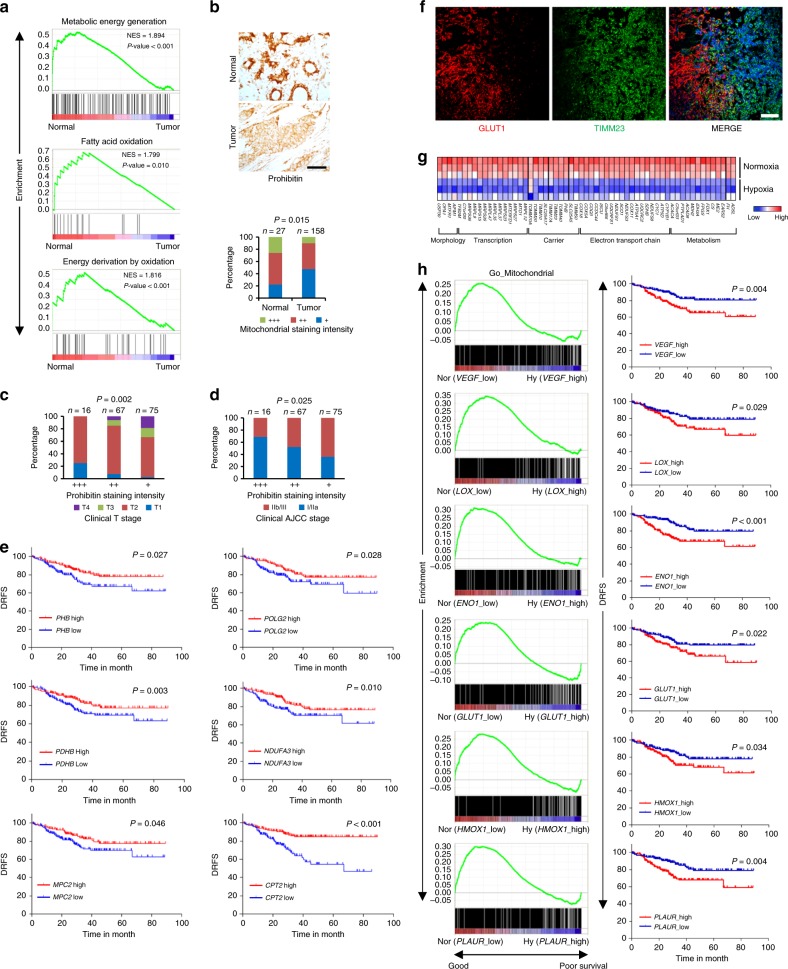
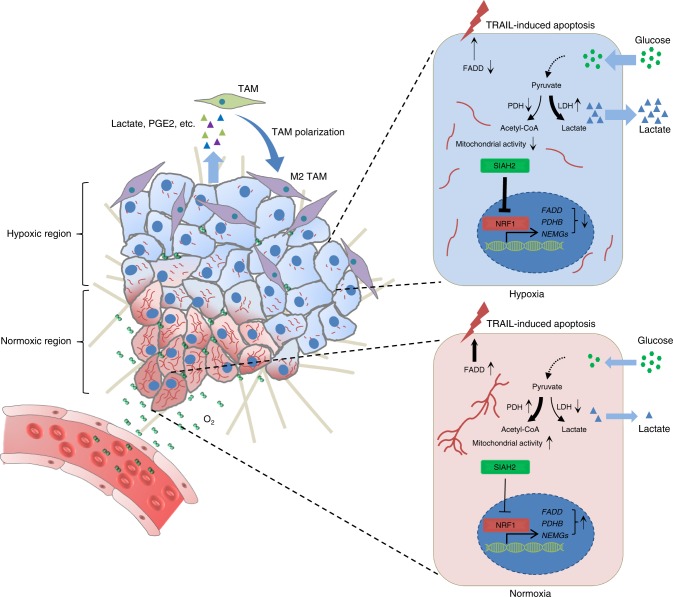
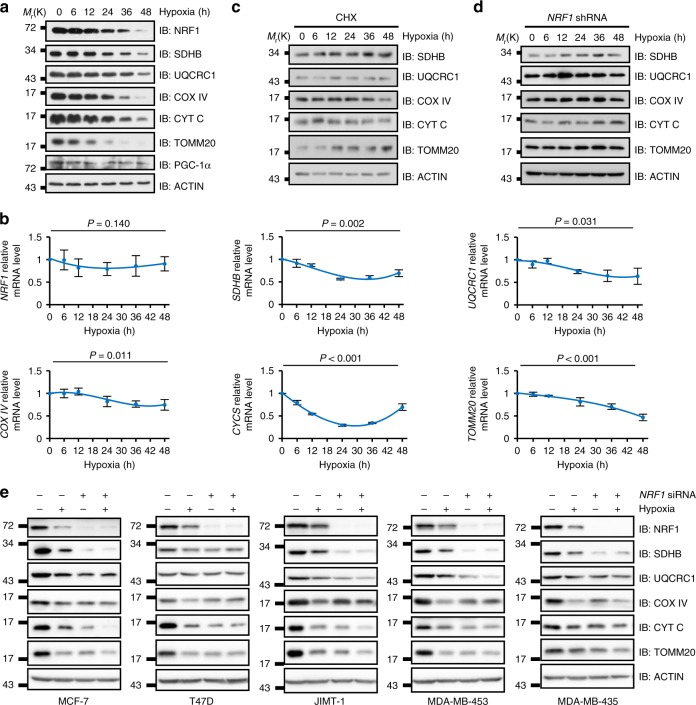
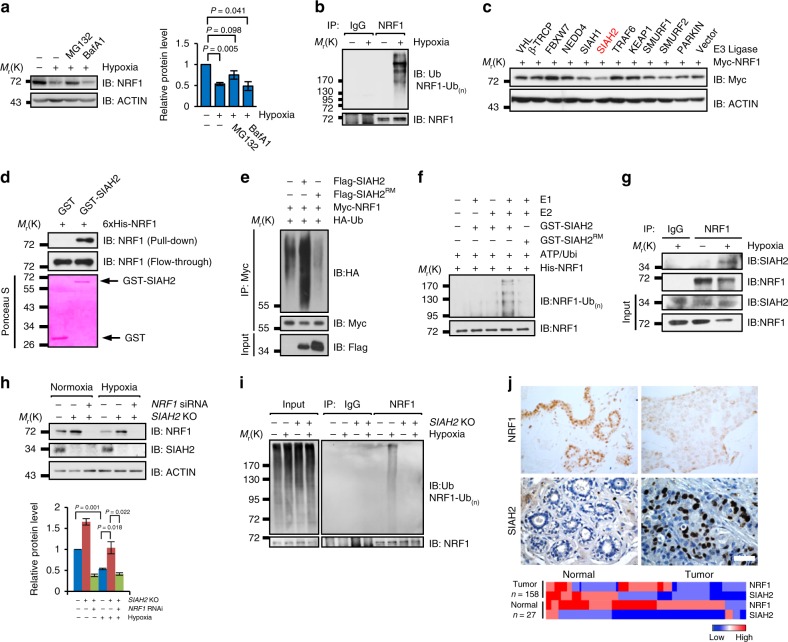
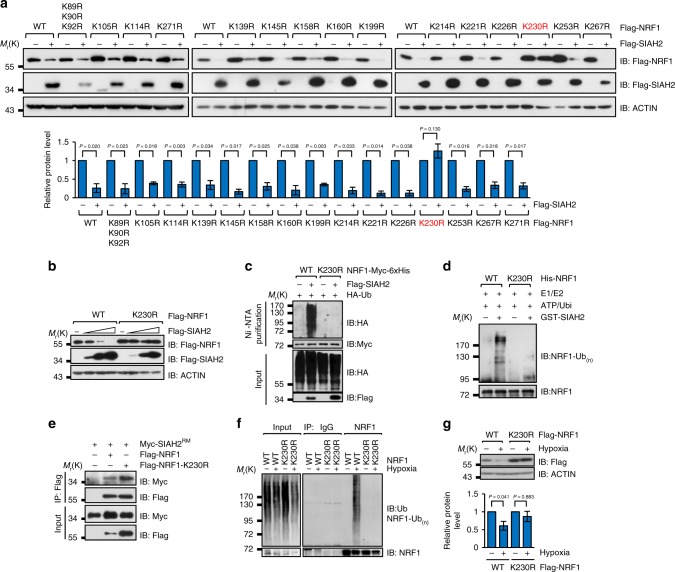
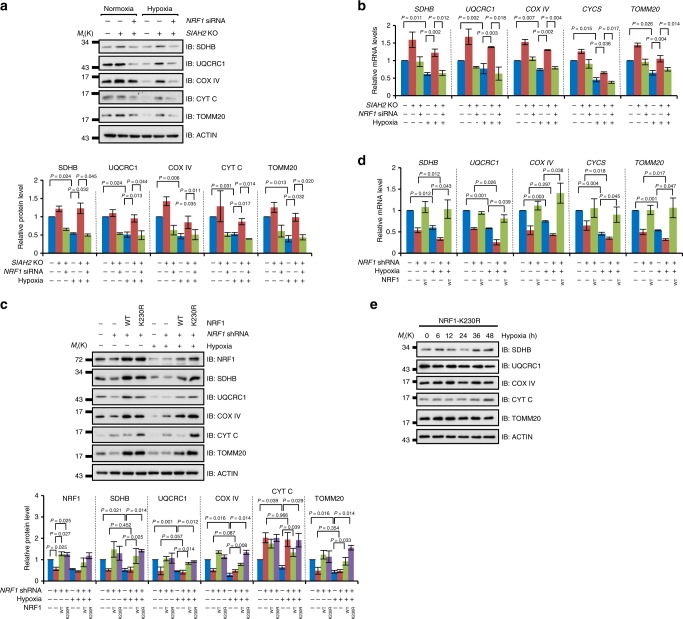
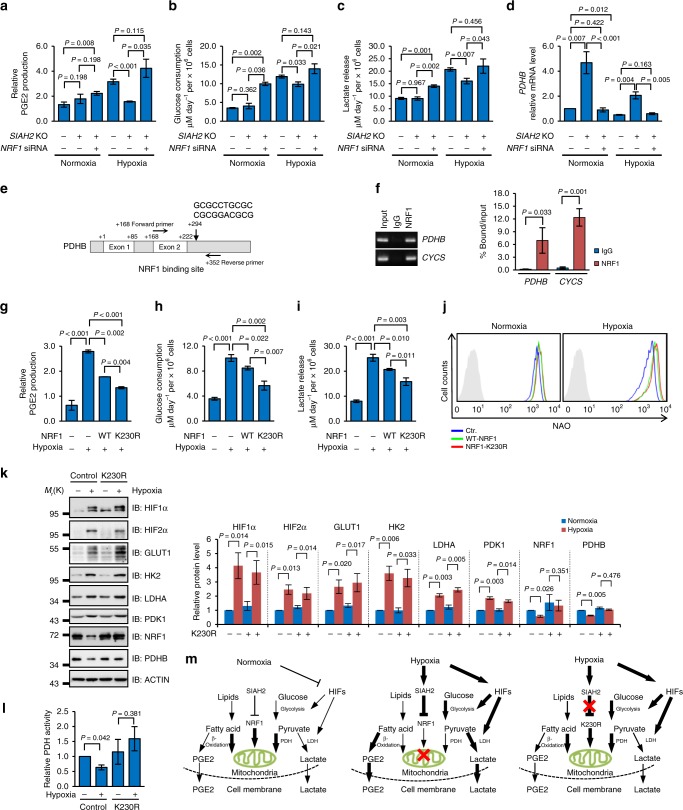
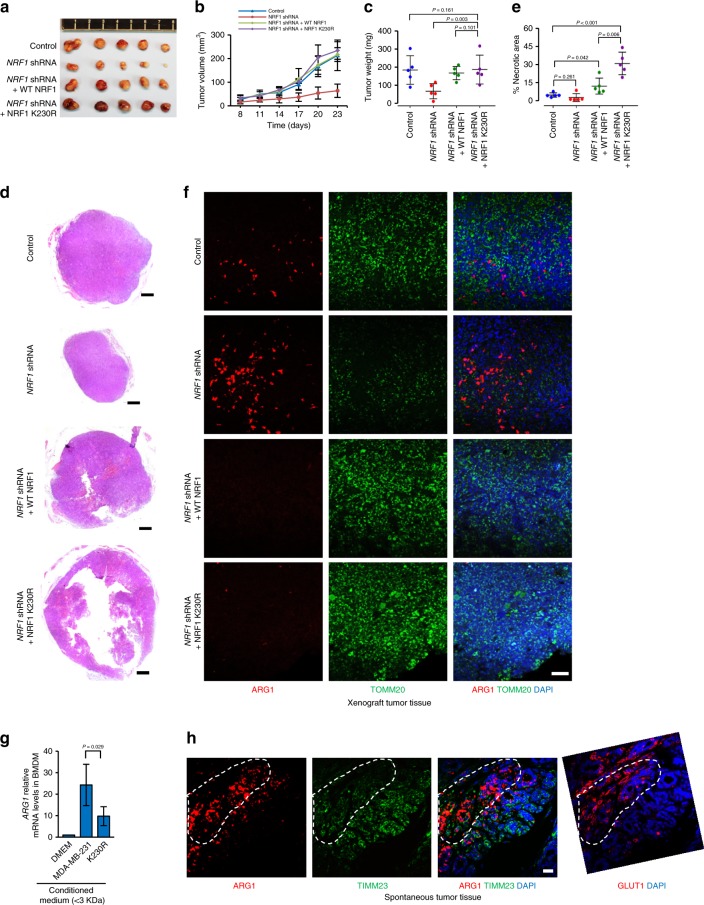
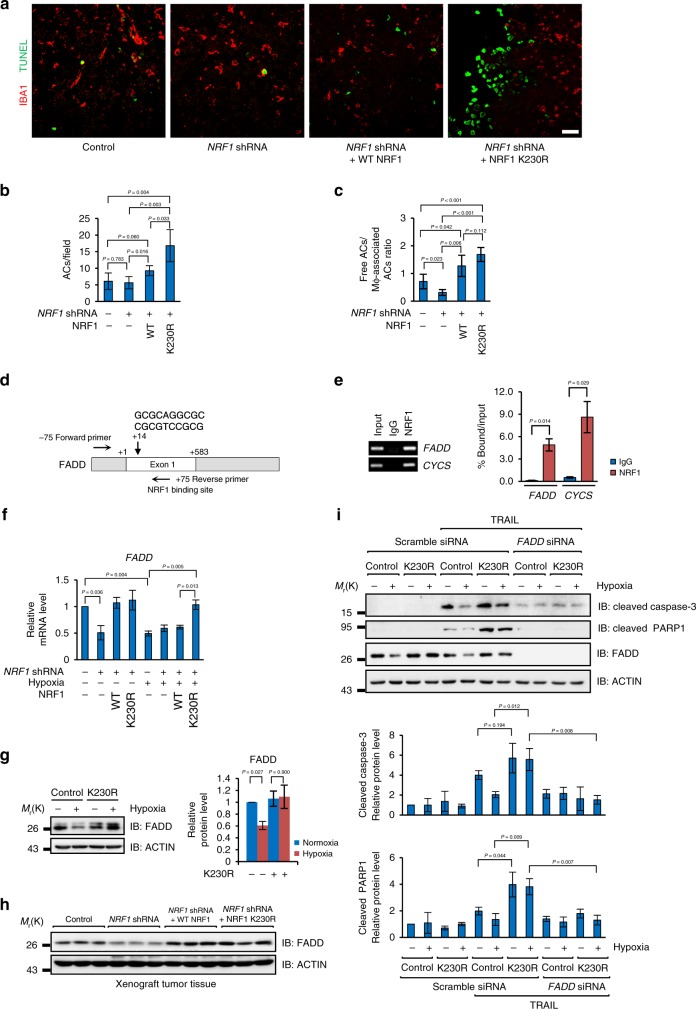
The interactions between tumor cells with their microenvironments, including hypoxia, acidosis and immune cells, lead to the tumor heterogeneity which promotes tumor progression. Here, we show that SIAH2-NRF1 axis remodels tumor microenvironment through regulating tumor mitochondrial function, tumor-associated macrophages (TAMs) polarization and cell death for tumor maintenance and progression. Mechanistically, low mitochondrial gene expression in breast cancers is associated with a poor clinical outcome. The hypoxia-activated E3 ligase SIAH2 spatially downregulates nuclear-encoded mitochondrial gene expression including pyruvate dehydrogenase beta via degrading NRF1 (Nuclear Respiratory Factor 1) through ubiquitination on lysine 230, resulting in enhanced Warburg effect, metabolic reprogramming and pro-tumor immune response. Dampening NRF1 degradation under hypoxia not only impairs the polarization of TAMs, but also promotes tumor cells to become more susceptible to apoptosis in a FADD-dependent fashion, resulting in secondary necrosis due to the impairment of efferocytosis. These data represent that inhibition of NRF1 degradation is a potential therapeutic strategy against cancer.
肿瘤细胞与其微环境(包括缺氧、酸中毒和免疫细胞)之间的相互作用导致肿瘤异质性,促进肿瘤进展。在这里,我们表明 SIAH2-NRF1 轴通过调节肿瘤线粒体功能、肿瘤相关巨噬细胞(TAMs)极化和细胞死亡来重塑肿瘤微环境,从而维持和促进肿瘤的生长。在机制上,乳腺癌中低线粒体基因表达与不良的临床预后相关。缺氧激活的 E3 连接酶 SIAH2 通过泛素化赖氨酸 230 降解核编码的线粒体基因表达,包括丙酮酸脱氢酶β,从而空间下调 NRF1(核呼吸因子 1),导致增强的瓦博格效应、代谢重编程和促肿瘤免疫反应。在低氧下抑制 NRF1 降解不仅会损害 TAMs 的极化,还会促使肿瘤细胞以 FADD 依赖的方式更容易发生细胞凋亡,从而由于吞噬作用受损而导致继发性坏死。这些数据表明,抑制 NRF1 降解是一种针对癌症的潜在治疗策略。