Yari Hooman, Nkepang Gregory, Awasthi Vibhudutta
Department of Pharmaceutical Sciences, College of Pharmacy, University of Oklahoma Health Sciences Center, 1110 North Stonewall Avenue, Oklahoma City, OK 73117, USA.
Materials (Basel). 2019 Mar 5;12(5):756. doi: 10.3390/ma12050756.
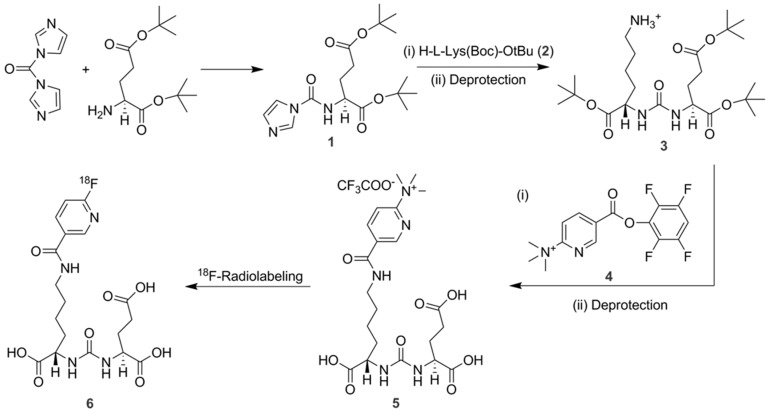
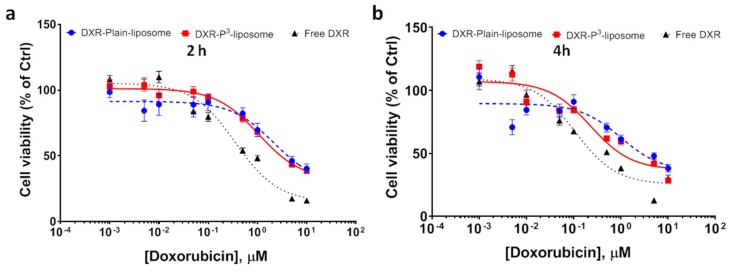
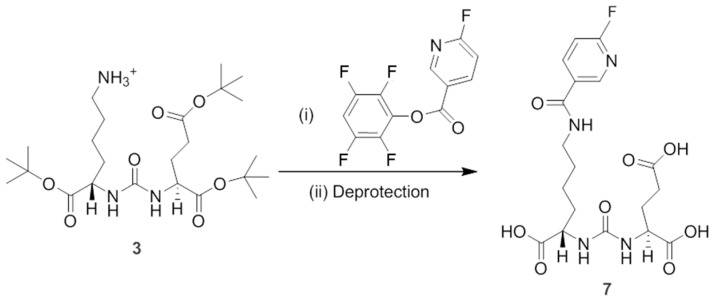
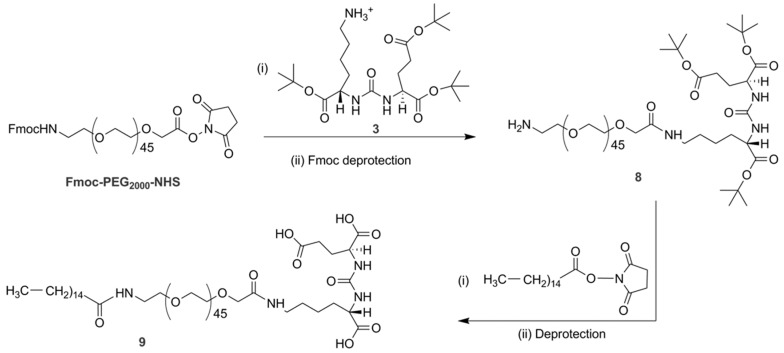
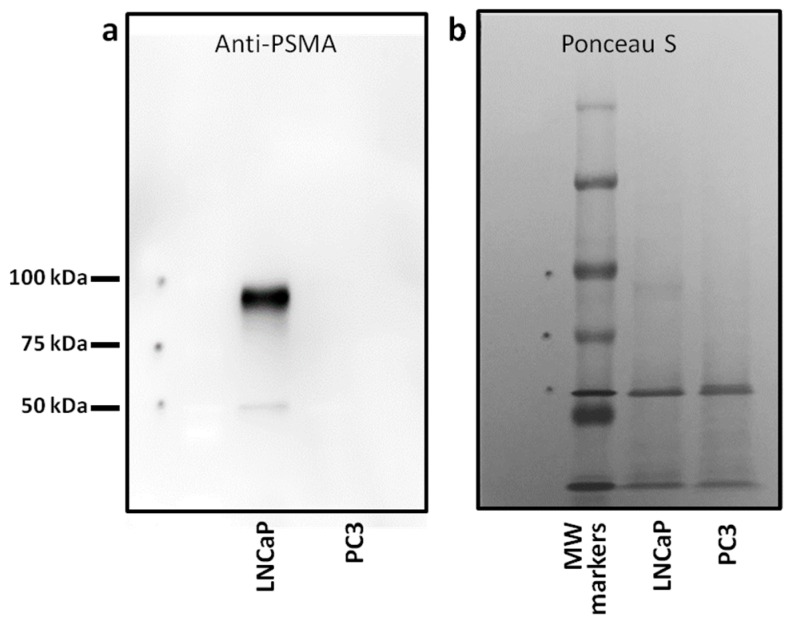
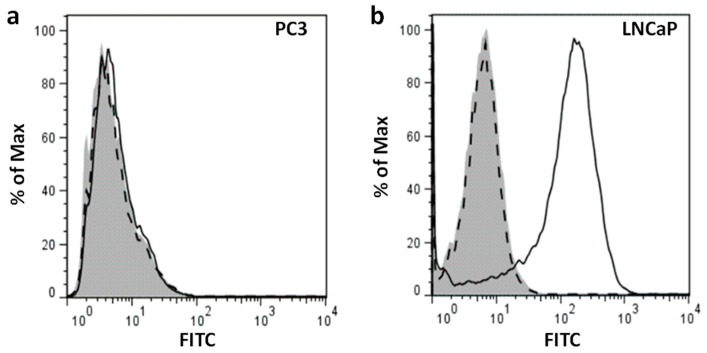
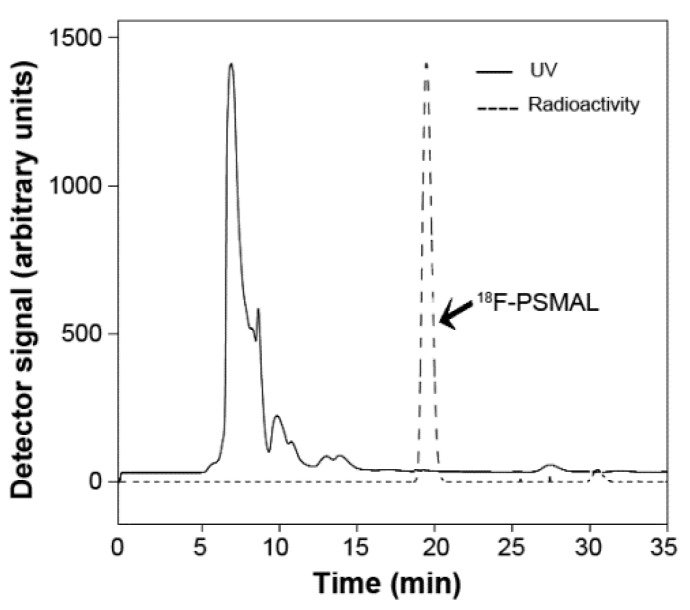
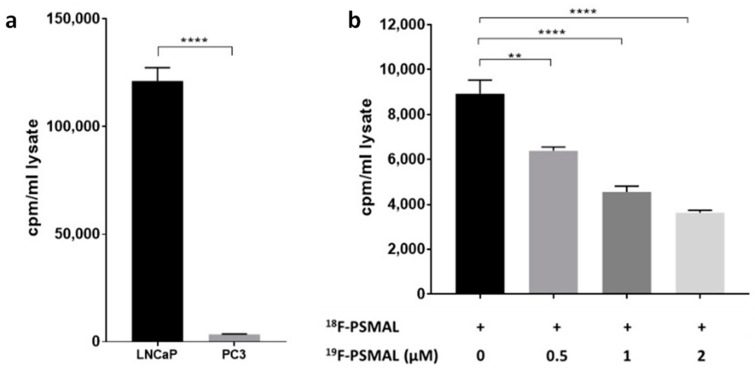
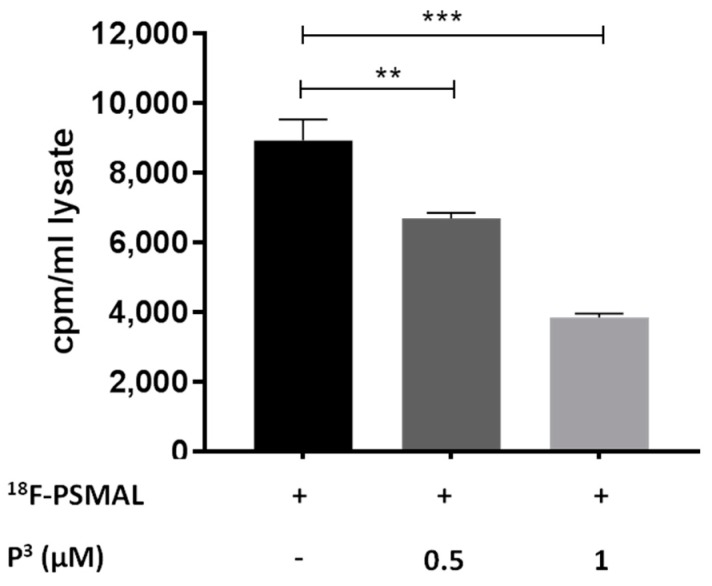
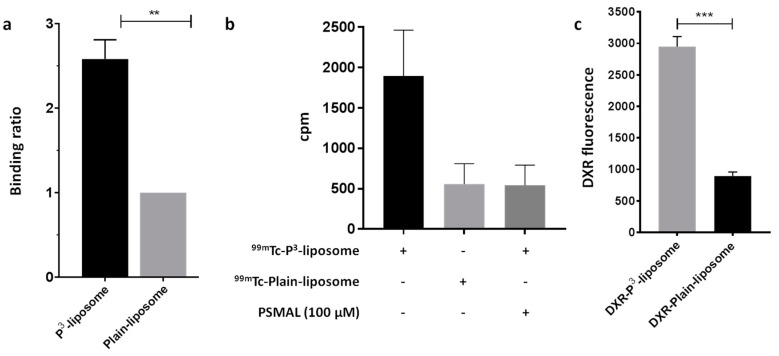
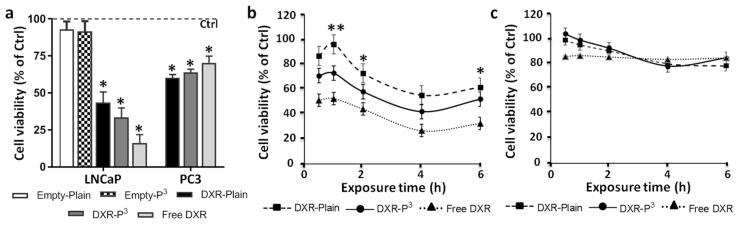
Prostate specific membrane antigen (PSMA) is a marker for diagnosis and targeted delivery of therapeutics to advanced/metastasized prostate cancer. We report a liposome-based system for theranostic delivery to PSMA-expressing (PSMA⁺) LNCaP cells. A lipopolymer (P³) comprising of PSMA ligand (PSMAL), polyethylene glycol (PEG), and palmitate was synthesized and post-inserted into the surface of preformed liposomes. These P³-liposomes were loaded with doxorubicin and radiolabeled with Tc radionuclide to study their theranostic characteristics. Differential expression of PSMA on LNCaP and PC3 cells was confirmed by immunoblotting as well as by uptake of PSMAL labeled with F radionuclide. We found that the uptake of Tc-labeled P³-liposomes by LNCaP cells was >3-fold higher than Tc-labeled Plain-liposomes; the amount of doxorubicin delivered to LNCaP cells was also found to be >3-fold higher by P³-liposomes. Cell-based cytotoxicity assay results showed that doxorubicin-loaded P³-liposomes were significantly more toxic to LNCaP cells ( < 0.05), but not to PSMA-negative PC3 cells. Compared to doxorubicin-loaded Plain-liposomes, the IC value of doxorubicin-loaded P³-liposomes was reduced by ~5-fold in LNCaP cells. Together, these results suggest that surface functionalization of liposomes with small PSMA-binding motifs, such as PSMAL, can provide a viable platform for specific delivery of theranostics to PSMA⁺ prostate cancer.
前列腺特异性膜抗原(PSMA)是晚期/转移性前列腺癌诊断及治疗药物靶向递送的标志物。我们报道了一种基于脂质体的系统,用于向表达PSMA(PSMA⁺)的LNCaP细胞进行诊疗递送。合成了一种由PSMA配体(PSMAL)、聚乙二醇(PEG)和棕榈酸酯组成的脂质聚合物(P³),并将其后插入预先形成的脂质体表面。这些P³脂质体负载了阿霉素并用锝放射性核素进行放射性标记,以研究其诊疗特性。通过免疫印迹以及用氟放射性核素标记的PSMAL的摄取,证实了LNCaP和PC3细胞上PSMA的差异表达。我们发现,LNCaP细胞对锝标记的P³脂质体的摄取比锝标记的普通脂质体高3倍以上;P³脂质体递送至LNCaP细胞的阿霉素量也高3倍以上。基于细胞的细胞毒性试验结果表明,负载阿霉素的P³脂质体对LNCaP细胞的毒性显著更高(<0.05),但对PSMA阴性的PC3细胞无毒性。与负载阿霉素的普通脂质体相比,负载阿霉素的P³脂质体在LNCaP细胞中的IC值降低了约5倍。总之,这些结果表明,用小的PSMA结合基序(如PSMAL)对脂质体进行表面功能化,可以为向PSMA⁺前列腺癌特异性递送诊疗药物提供一个可行的平台。