Bioinformatics and Systems Biology, University of California, San Diego, La Jolla, California, United States of America.
Department of Bioengineering, University of California, San Diego, La Jolla, California, United States of America.
PLoS Comput Biol. 2019 Mar 7;15(3):e1006848. doi: 10.1371/journal.pcbi.1006848. eCollection 2019 Mar.
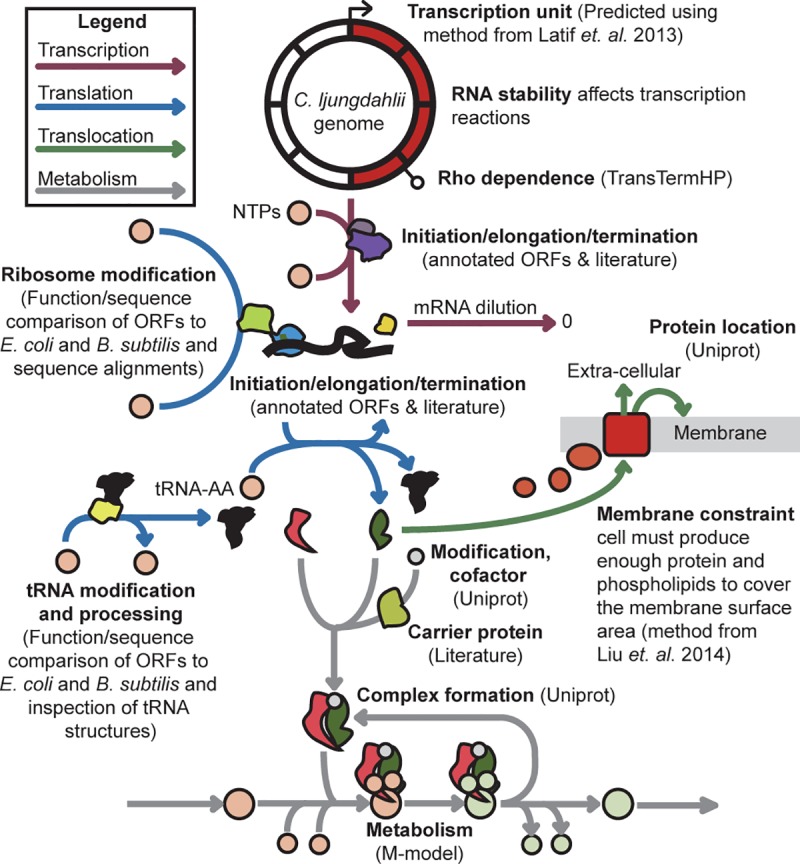
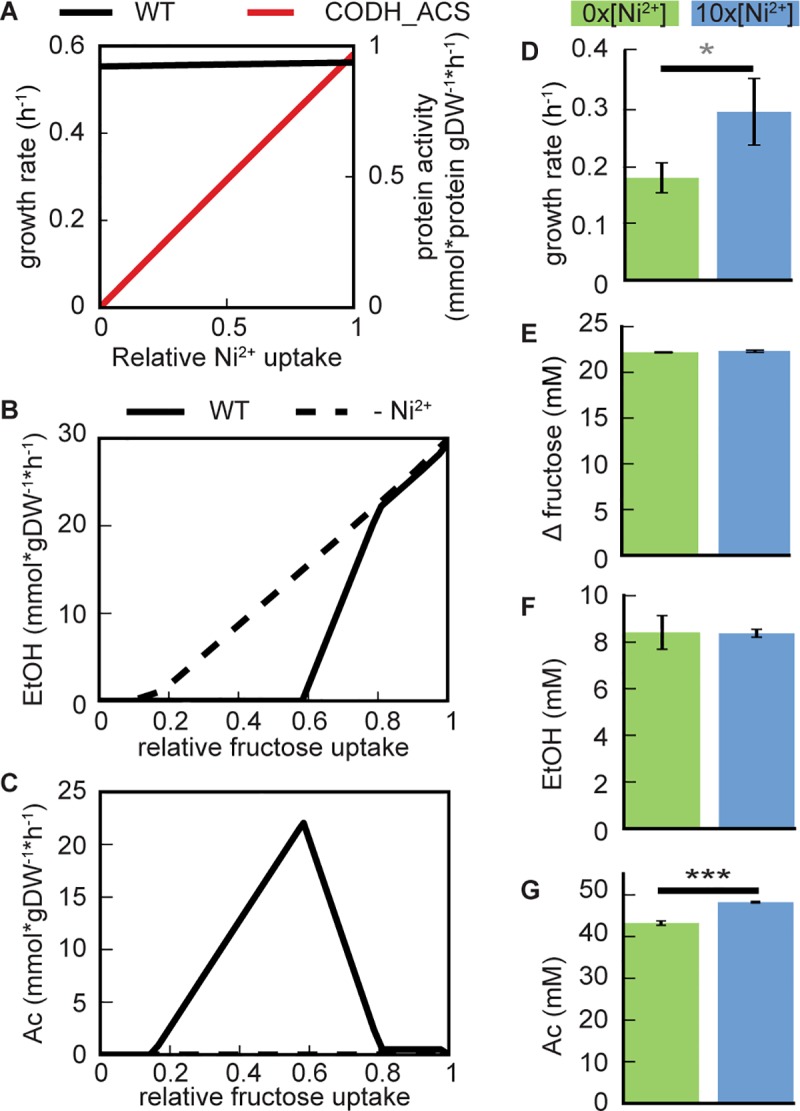
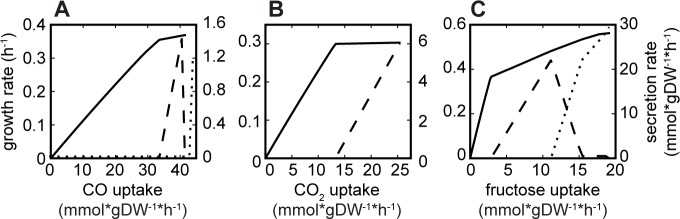
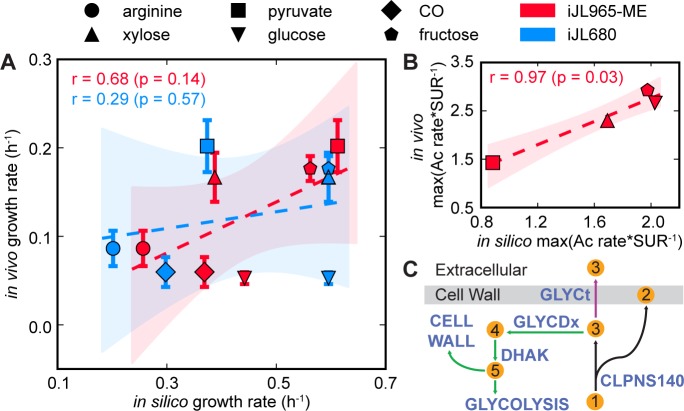
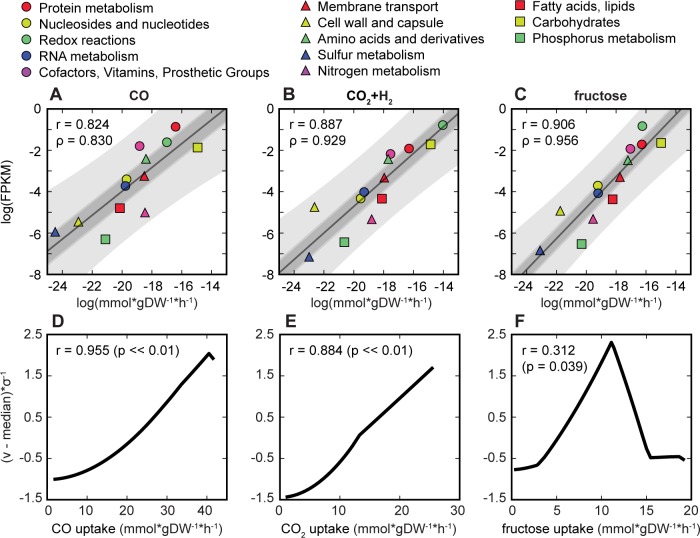
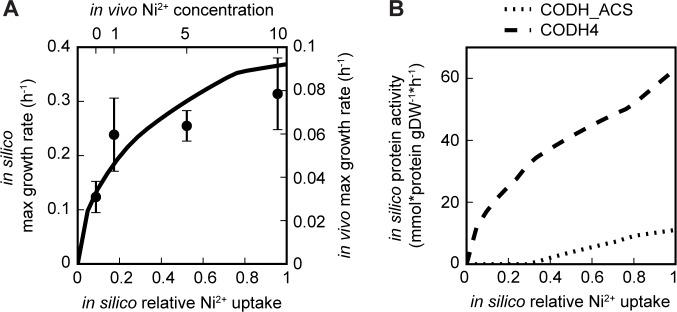
The unique capability of acetogens to ferment a broad range of substrates renders them ideal candidates for the biotechnological production of commodity chemicals. In particular the ability to grow with H2:CO2 or syngas (a mixture of H2/CO/CO2) makes these microorganisms ideal chassis for sustainable bioproduction. However, advanced design strategies for acetogens are currently hampered by incomplete knowledge about their physiology and our inability to accurately predict phenotypes. Here we describe the reconstruction of a novel genome-scale model of metabolism and macromolecular synthesis (ME-model) to gain new insights into the biology of the model acetogen Clostridium ljungdahlii. The model represents the first ME-model of a Gram-positive bacterium and captures all major central metabolic, amino acid, nucleotide, lipid, major cofactors, and vitamin synthesis pathways as well as pathways to synthesis RNA and protein molecules necessary to catalyze these reactions, thus significantly broadens the scope and predictability. Use of the model revealed how protein allocation and media composition influence metabolic pathways and energy conservation in acetogens and accurately predicted secretion of multiple fermentation products. Predicting overflow metabolism is of particular interest since it enables new design strategies, e.g. the formation of glycerol, a novel product for C. ljungdahlii, thus broadening the metabolic capability for this model microbe. Furthermore, prediction and experimental validation of changing secretion rates based on different metal availability opens the window into fermentation optimization and provides new knowledge about the proteome utilization and carbon flux in acetogens.
产乙酸菌能够发酵广泛的基质,这一独特能力使它们成为商品化学品生物制造的理想候选者。特别是能够利用 H2:CO2 或合成气(H2/CO/CO2 的混合物)生长,使这些微生物成为可持续生物生产的理想底盘。然而,由于对其生理学的了解不完整,以及我们无法准确预测表型,目前针对产乙酸菌的高级设计策略受到了阻碍。在这里,我们描述了一种新型基因组规模的代谢和大分子合成(ME 模型)的重建,以深入了解模型产乙酸菌 Clostridium ljungdahlii 的生物学。该模型代表了第一个革兰氏阳性菌的 ME 模型,捕获了所有主要的中心代谢、氨基酸、核苷酸、脂质、主要辅因子和维生素合成途径,以及合成催化这些反应所需的 RNA 和蛋白质分子的途径,从而大大拓宽了范围和可预测性。该模型的使用揭示了蛋白质分配和培养基组成如何影响产乙酸菌中的代谢途径和能量守恒,并准确预测了多种发酵产物的分泌。预测溢出代谢尤其具有吸引力,因为它能够实现新的设计策略,例如甘油的形成,这是 Clostridium ljungdahlii 的一种新型产物,从而拓宽了该模型微生物的代谢能力。此外,根据不同金属可用性预测和实验验证变化的分泌速率,为发酵优化开辟了窗口,并提供了关于产乙酸菌中蛋白质组利用和碳通量的新知识。