Department of Periodontology and Endodontology, Tohoku University Graduate School of Dentistry, 4-1 Seiryo-machi, Aoba-ku, Sendai, 980-8575, Japan.
Department of Biological Endodontics, Graduate School of Biomedical and Health Sciences, Hiroshima University, 1-2-3 Kasumi, Hiroshima, 734-8553, Japan.
Sci Rep. 2019 Mar 7;9(1):3825. doi: 10.1038/s41598-019-40046-2.
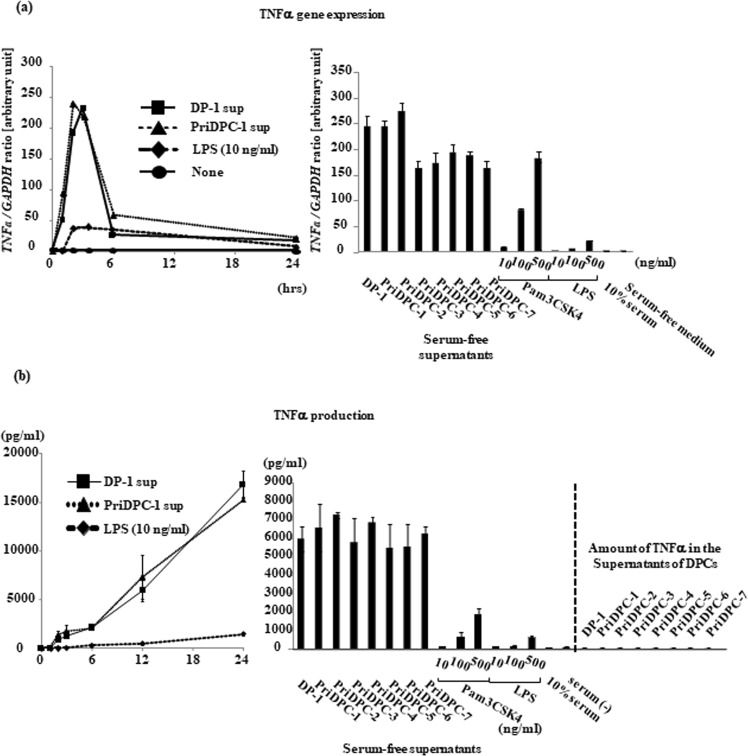
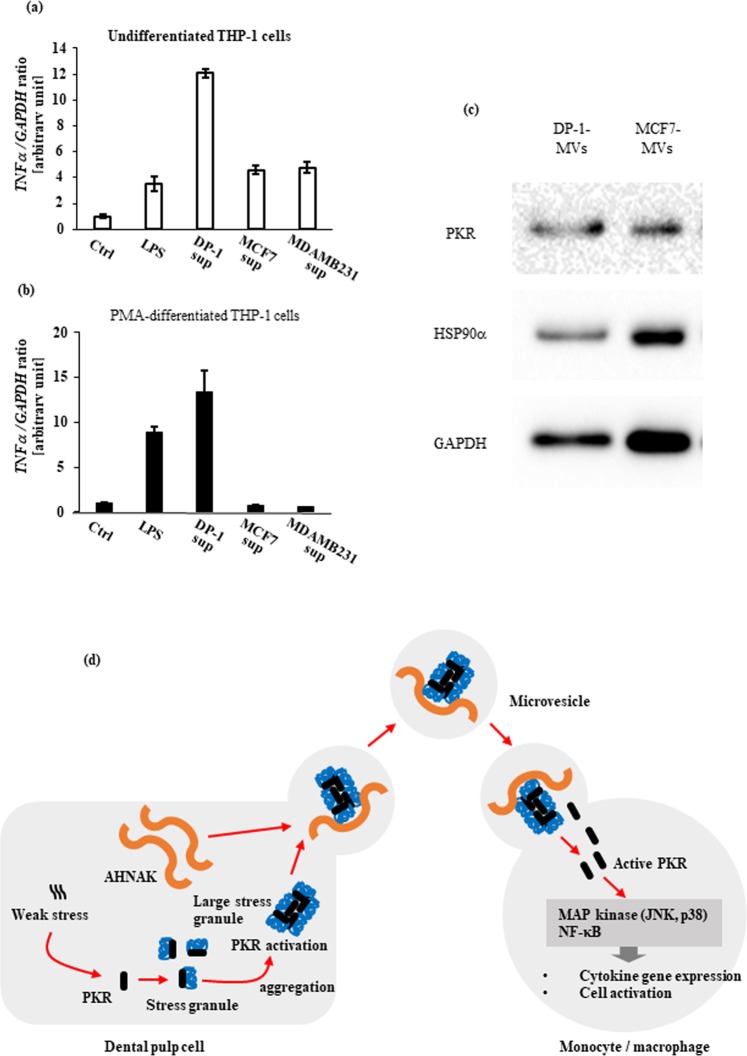
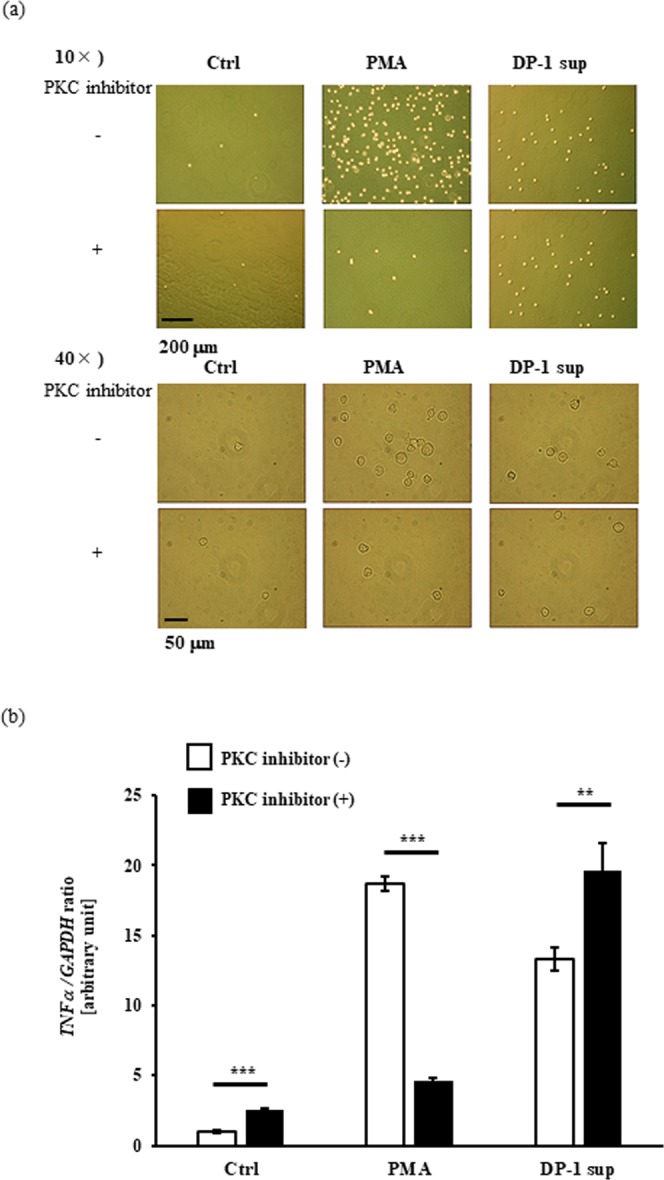
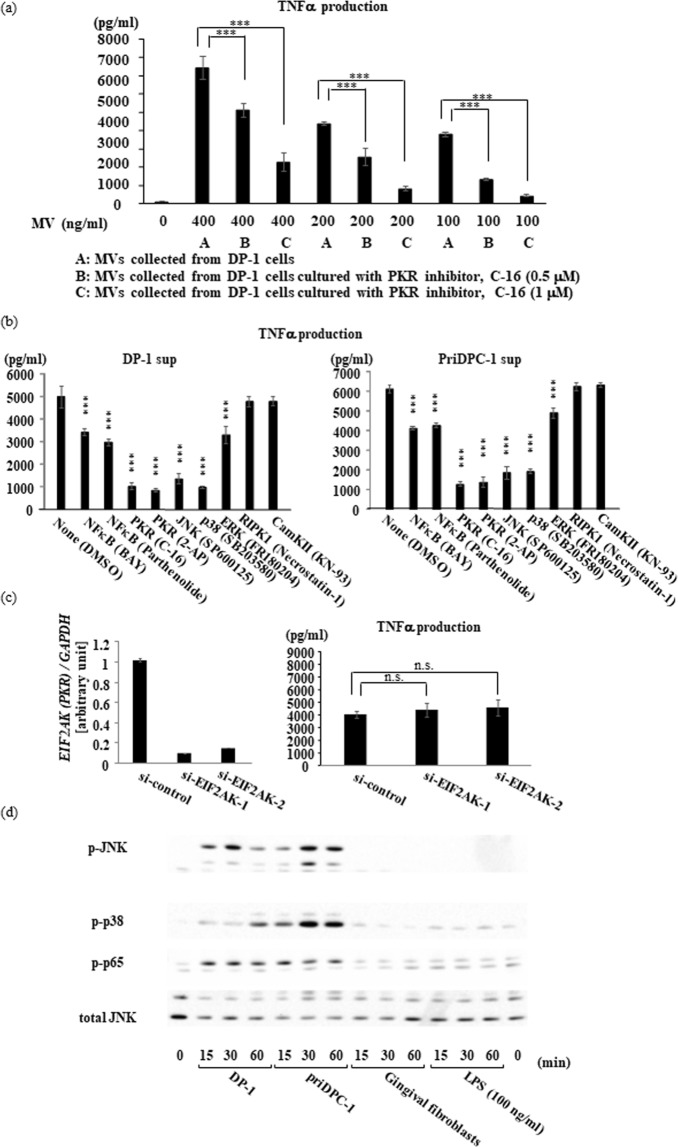
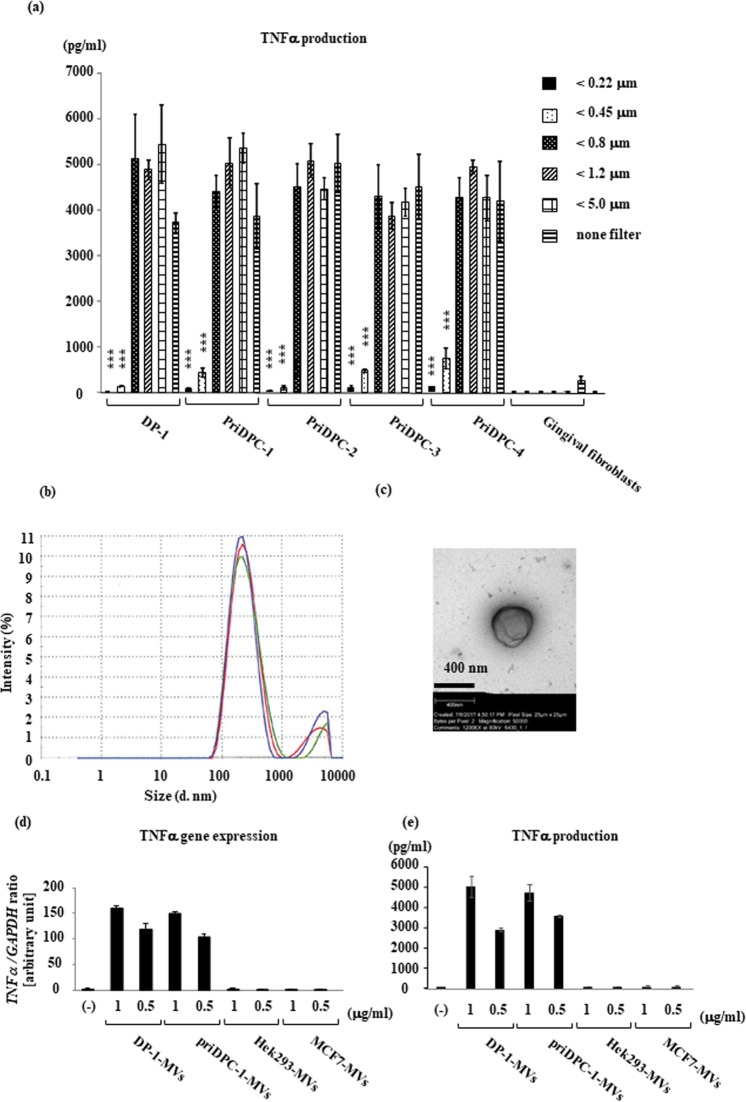
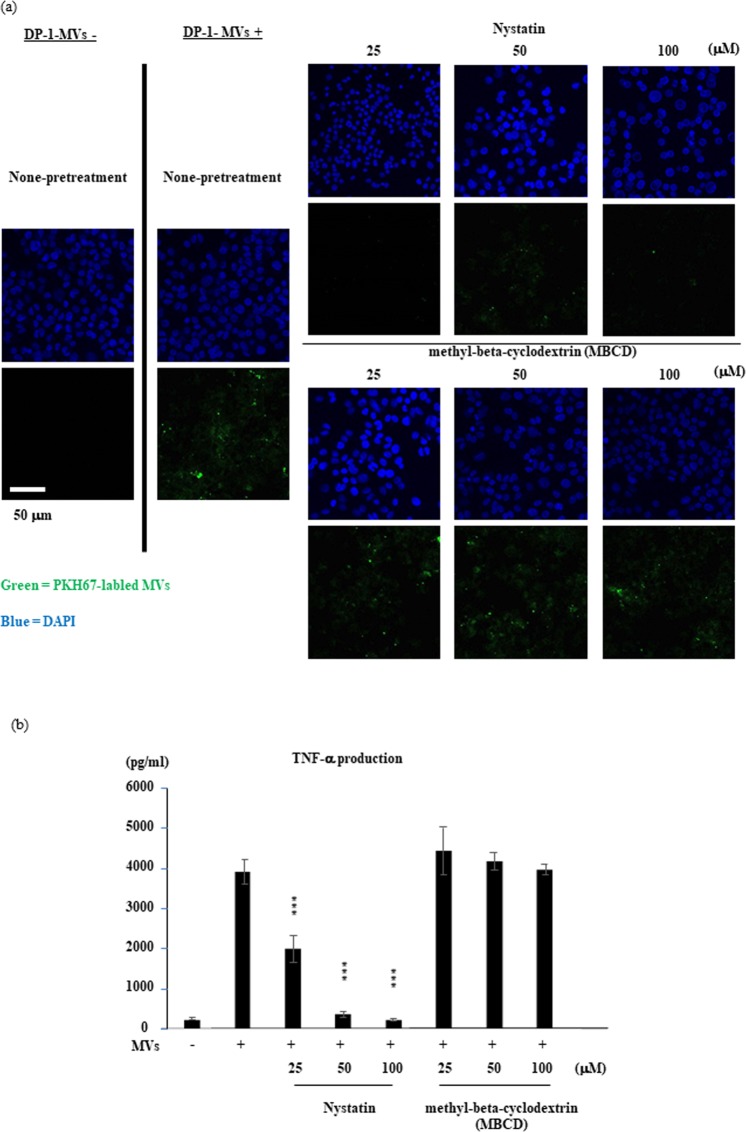
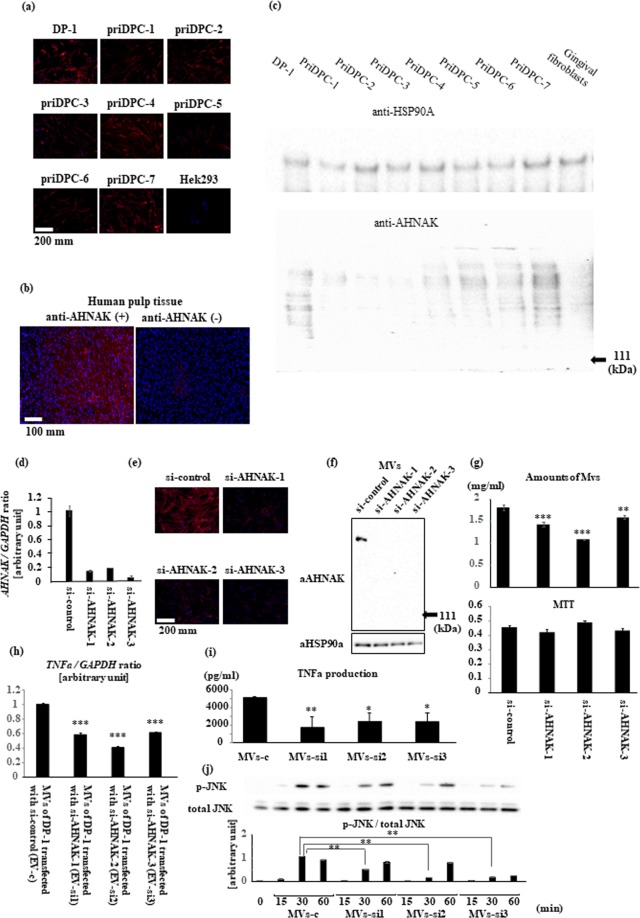
It is well known that dental pulp tissue can evoke some of the most severe acute inflammation observed in the human body. We found that dental pulp cells secrete a factor that induces tumor necrosis factor-α production from macrophages, and designated this factor, dental pulp cell-derived powerful inducer of TNF-α (DPIT). DPIT was induced in dental pulp cells and transported to recipient cells via microvesicles. Treatment of dental pulp cells with a PKR inhibitor markedly suppressed DPIT activity, and weak interferon signals were constitutively activated inside the cells. In recipient macrophages, stimulation with DPIT-containing supernatants from pulp cells resulted in activation of both nuclear factor-κB and MAP kinases like JNK and p38. Proteomics analyses revealed that many stress granule-related proteins were present in supernatants from dental pulp cells as well as microvesicle marker proteins like GAPDH, β-actin, HSPA8, HSPB1, HSPE1, and HSPD1. Furthermore, giant molecule AHNAK and PKR were detected in microvesicles derived from dental pulp cells, and gene silencing of AHNAK in dental pulp cells led to reduced DPIT activity. Thus, it appeared that the core protein of DPIT was PKR, and that PKR was maintained in an active state in stress granule aggregates with AHNAK and transported via microvesicles. The activity of DPIT for TNF-α induction was far superior to that of gram-negative bacterial endotoxin. Therefore, we, report for the first time, that active PKR is transported via microvesicles as stress granule aggregates and induces powerful inflammatory signals in macrophages.
众所周知,牙髓组织可以引发人体中观察到的一些最严重的急性炎症。我们发现牙髓细胞分泌一种因子,可诱导巨噬细胞产生肿瘤坏死因子-α(TNF-α),并将这种因子命名为牙髓细胞衍生的强效 TNF-α诱导因子(DPIT)。DPIT 在牙髓细胞中被诱导产生,并通过微泡运输到受体细胞。用 PKR 抑制剂处理牙髓细胞可显著抑制 DPIT 活性,并且细胞内持续激活较弱的干扰素信号。在受体巨噬细胞中,用含 DPIT 的牙髓细胞上清液刺激可导致核因子-κB 和 MAP 激酶(如 JNK 和 p38)的激活。蛋白质组学分析显示,牙髓细胞上清液中存在许多应激颗粒相关蛋白以及微泡标记蛋白,如 GAPDH、β-肌动蛋白、HSPA8、HSPB1、HSPE1 和 HSPD1。此外,在牙髓细胞衍生的微泡中检测到巨分子 AHNAK 和 PKR,而牙髓细胞中 AHNAK 的基因沉默导致 DPIT 活性降低。因此,DPIT 的核心蛋白似乎是 PKR,PKR 与 AHNAK 一起保持在应激颗粒聚集体中处于活跃状态,并通过微泡运输。DPIT 诱导 TNF-α 的活性远优于革兰氏阴性菌内毒素。因此,我们首次报道,活跃的 PKR 作为应激颗粒聚集体通过微泡运输,并在巨噬细胞中诱导强大的炎症信号。