Laboratory of Biofuels and Biochemicals, School of Agricultural, Forest and Food Sciences, Bern University of Applied Sciences (BFH), CH-3052, Zollikofen, Switzerland.
RISE Processum AB, SE-891 22, Örnsköldsvik, Sweden.
Appl Microbiol Biotechnol. 2019 Apr;103(8):3355-3365. doi: 10.1007/s00253-019-09706-1. Epub 2019 Mar 7.
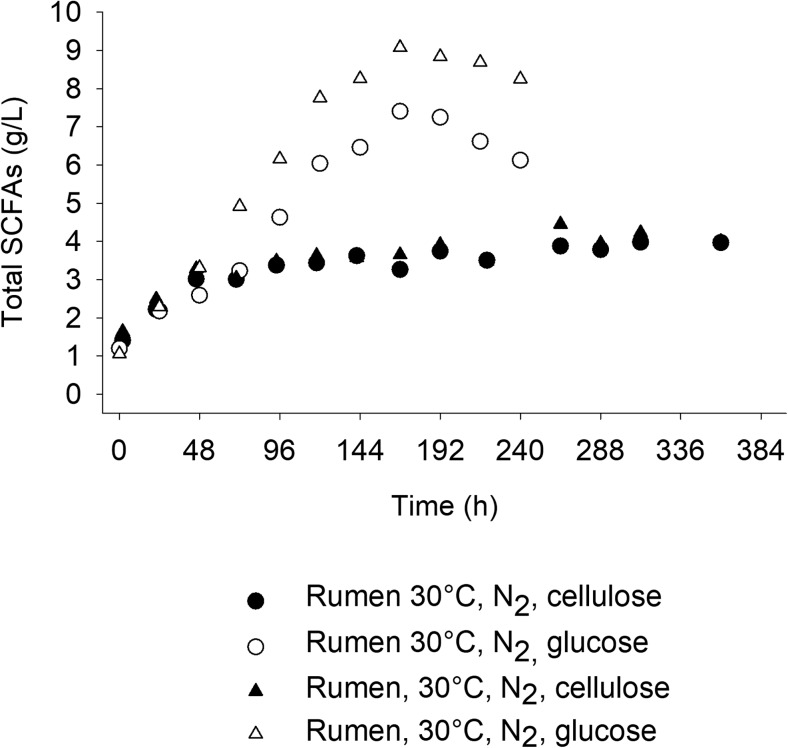
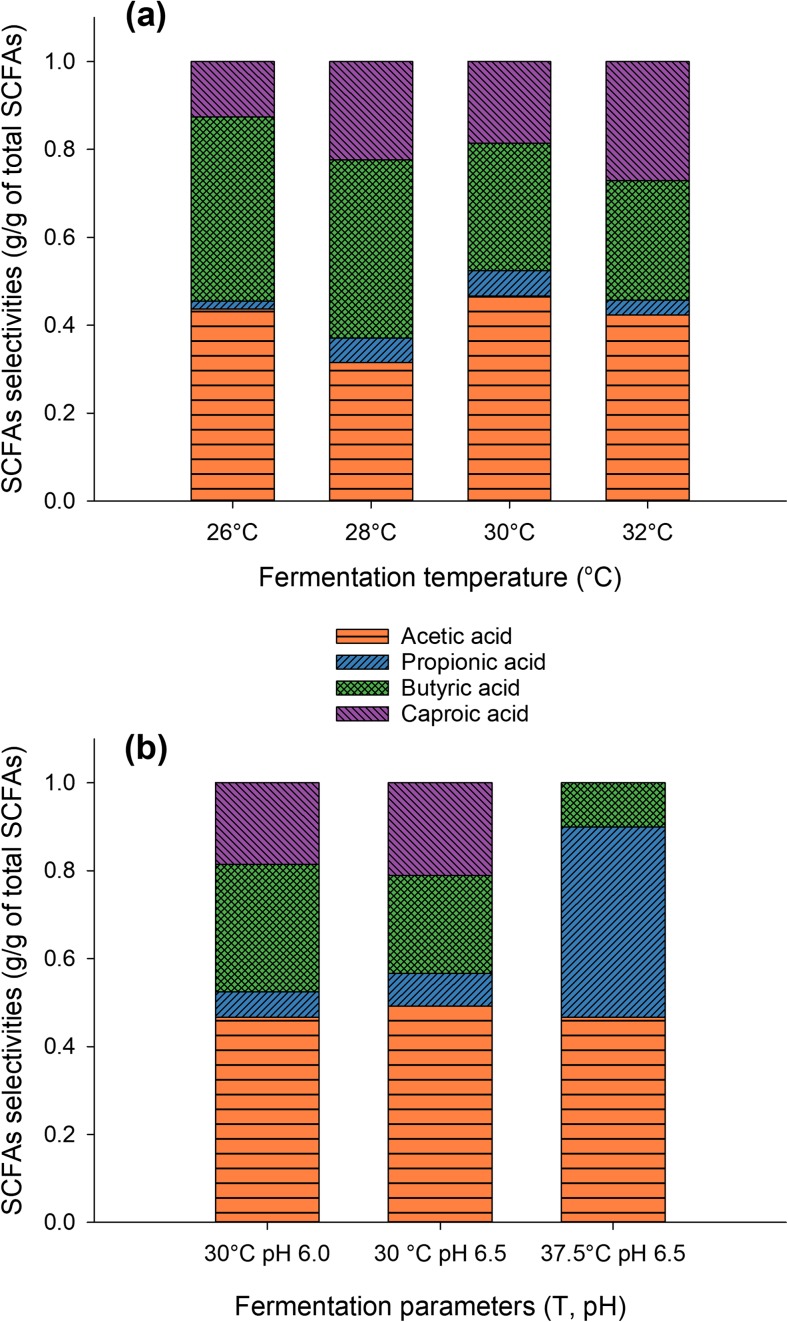
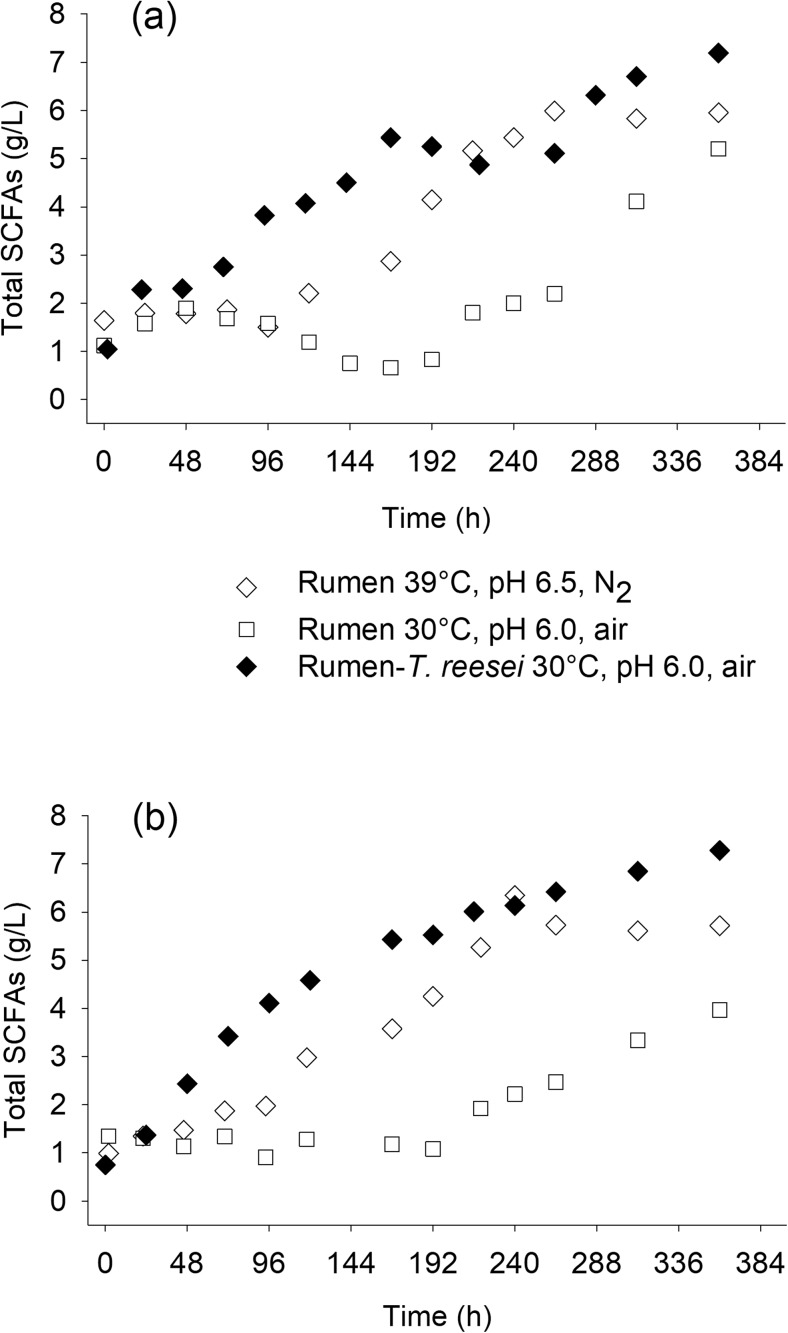
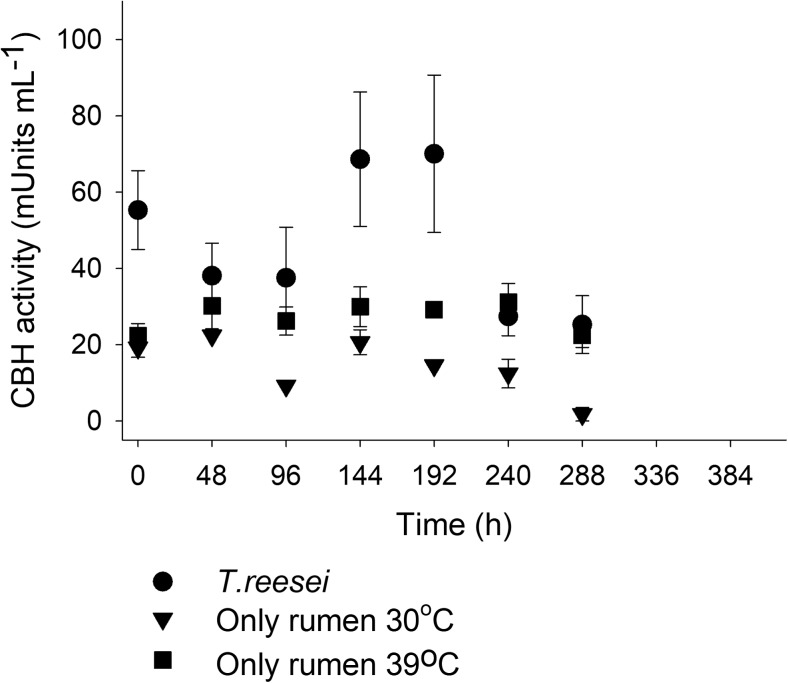
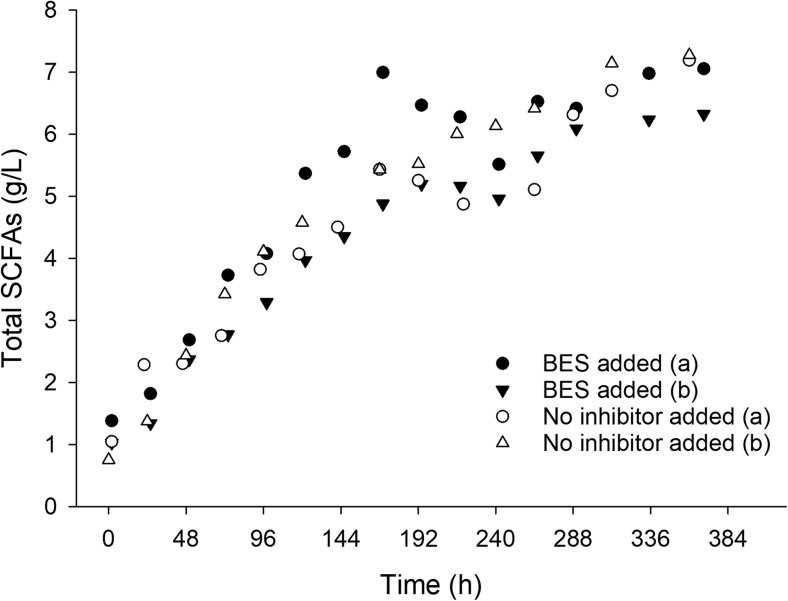
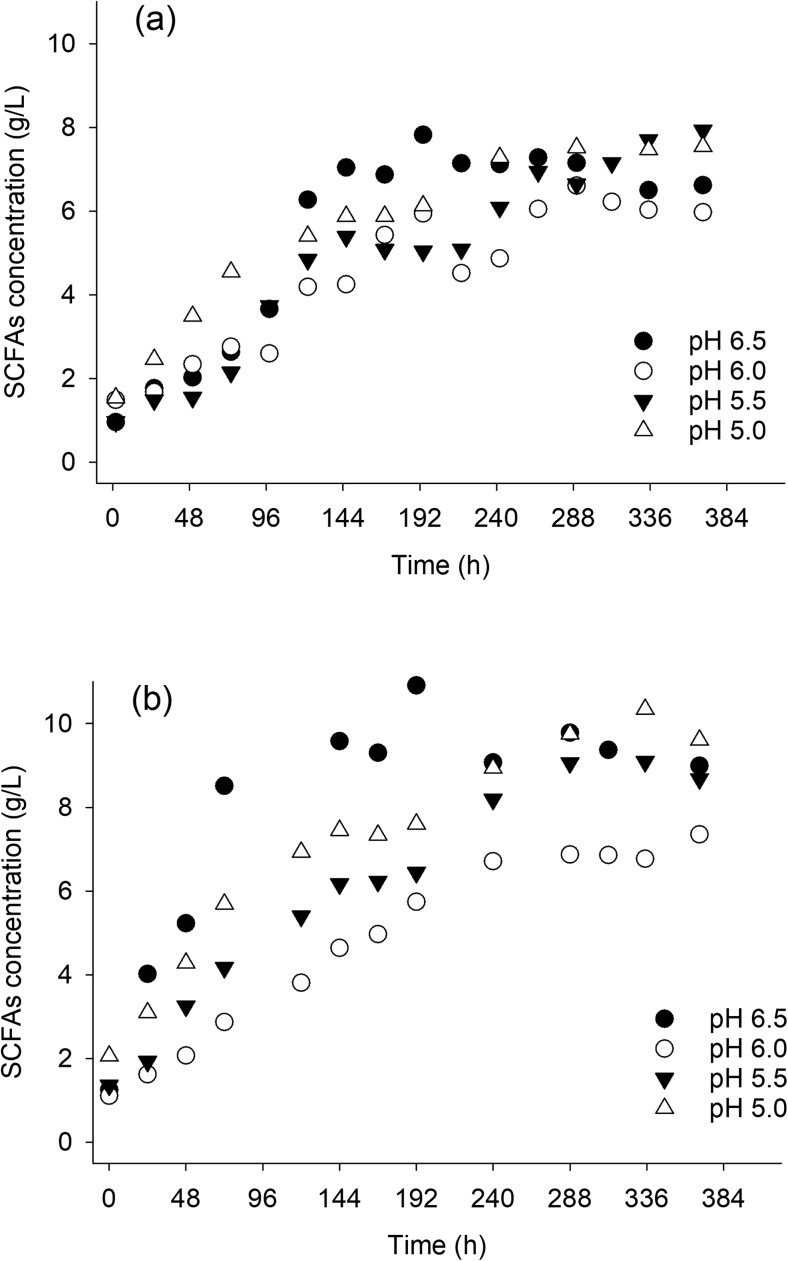
The ability of the multispecies biofilm membrane reactors (MBM reactors) to provide distinguished niches for aerobic and anaerobic microbes at the same time was used for the investigation of the consolidated bioprocessing of cellulose to short chain fatty acids (SCFAs). A consortium based consolidated bioprocess (CBP) was designed. The rumen microbiome was used as the converting microbial consortium, co-cultivated with selected individual aerobic fungi which formed a biofilm on the tubular membrane flushed with oxygen. The beneficial effect of the fungal biofilm on the process yields and productivities was attributed to the enhanced cellulolytic activities compared with those achieved by the rumen microbiome alone. At 30 °C, the MBM system with Trichoderma reesei biofilm reached a concentration 39% higher (7.3 g/L SCFAs), than the rumen microbiome alone (5.1 g/L) using 15 g/L crystalline cellulose as the substrate. Fermentation temperature was crucial especially for the composition of the short chain fatty acids produced. The temperature increase resulted in shorter fatty acids produced. While a mixture of acetic, propionic, butyric, and caproic acids was produced at 30 °C with Trichoderma reesei biofilm, butyric and caproic acids were not detected during the fermentations at 37.5 °C carried out with Coprinopsis cinerea as the biofilm forming fungus. Apart from the presence of the fungal biofilm, no parameter studied had a significant impact on the total yield of organic acids produced, which reached 0.47 g of total SCFAs per g of cellulose (at 30 °C and at pH 6, with rumen inoculum to total volume ratio equal to 0.372).
多物种生物膜膜反应器 (MBM 反应器) 能够为好氧和厌氧微生物同时提供独特的小生境,用于研究纤维素到短链脂肪酸 (SCFA) 的综合生物加工。设计了基于共培养物的联合生物加工 (CBP)。瘤胃微生物组用作转化微生物共培养物,与选定的个别好氧真菌共培养,这些真菌在通氧的管状膜上形成生物膜。与单独使用瘤胃微生物组相比,真菌生物膜对过程产率和生产力的有益影响归因于纤维素酶活性的增强。在 30°C 下,使用结晶纤维素作为底物,Trichoderma reesei 生物膜的 MBM 系统达到了 39%的更高浓度 (7.3 g/L SCFA),而单独使用瘤胃微生物组为 5.1 g/L。发酵温度至关重要,特别是对于产生的短链脂肪酸的组成。温度升高导致产生的脂肪酸变短。虽然在 30°C 下使用 Trichoderma reesei 生物膜产生了乙酸、丙酸、丁酸和己酸的混合物,但在 37.5°C 下使用 Coprinopsis cinerea 作为生物膜形成真菌进行发酵时未检测到丁酸和己酸。除了真菌生物膜的存在外,没有研究参数对产生的有机酸总产量有显著影响,在 30°C 和 pH 6 下,纤维素的总 SCFA 产量达到 0.47 g/g(瘤胃接种物与总体积比等于 0.372)。