Hussain Afzal, Alajmi Mohamed F, Khan Meraj A, Pervez Syed A, Ahmed Faheem, Amir Samira, Husain Fohad M, Khan Mohd S, Shaik Gouse M, Hassan Iftekhar, Khan Rais A, Rehman Md Tabish
Department of Pharmacognosy, College of Pharmacy, King Saud University, Riyadh, Saudi Arabia.
Program in Translational Medicine, Peter Gilgan Centre for Research and Learning, The Hospital for Sick Children, Toronto, ON, Canada.
Front Microbiol. 2019 Feb 12;10:8. doi: 10.3389/fmicb.2019.00008. eCollection 2019.
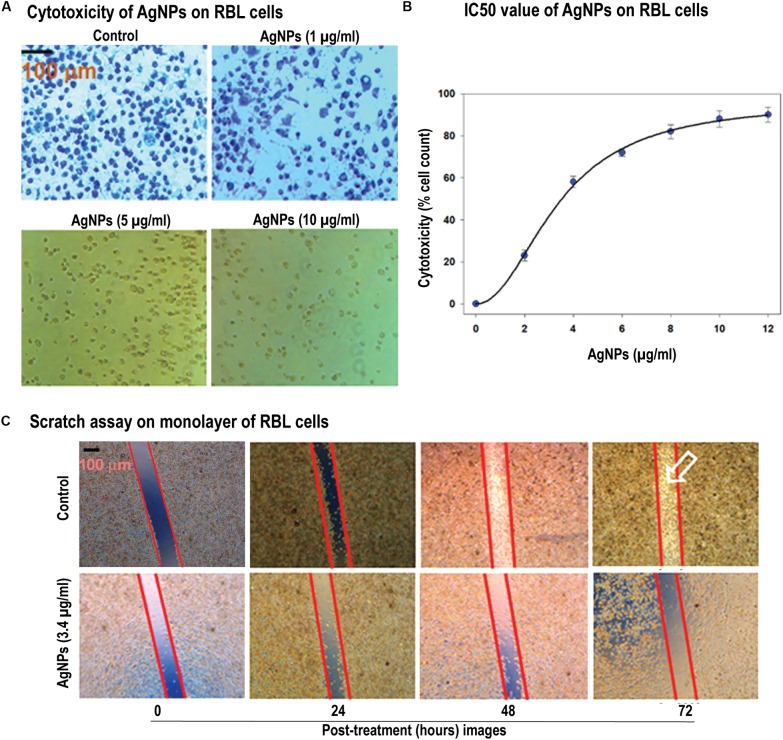
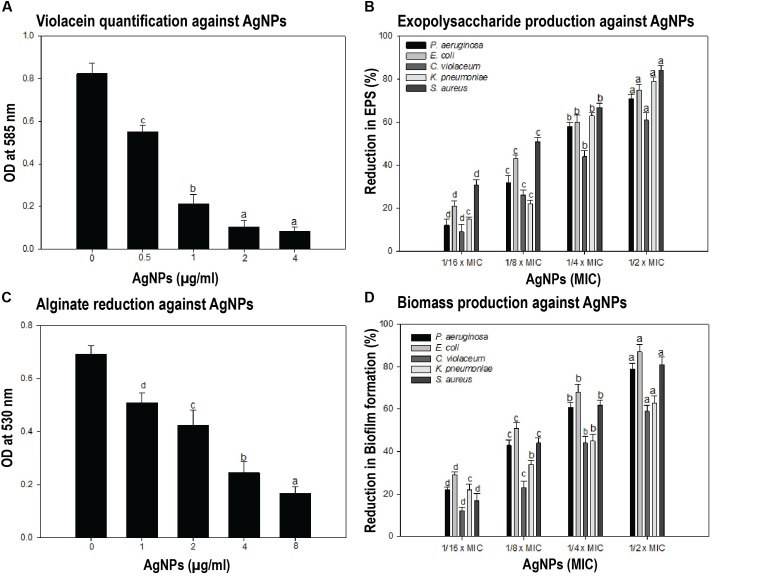
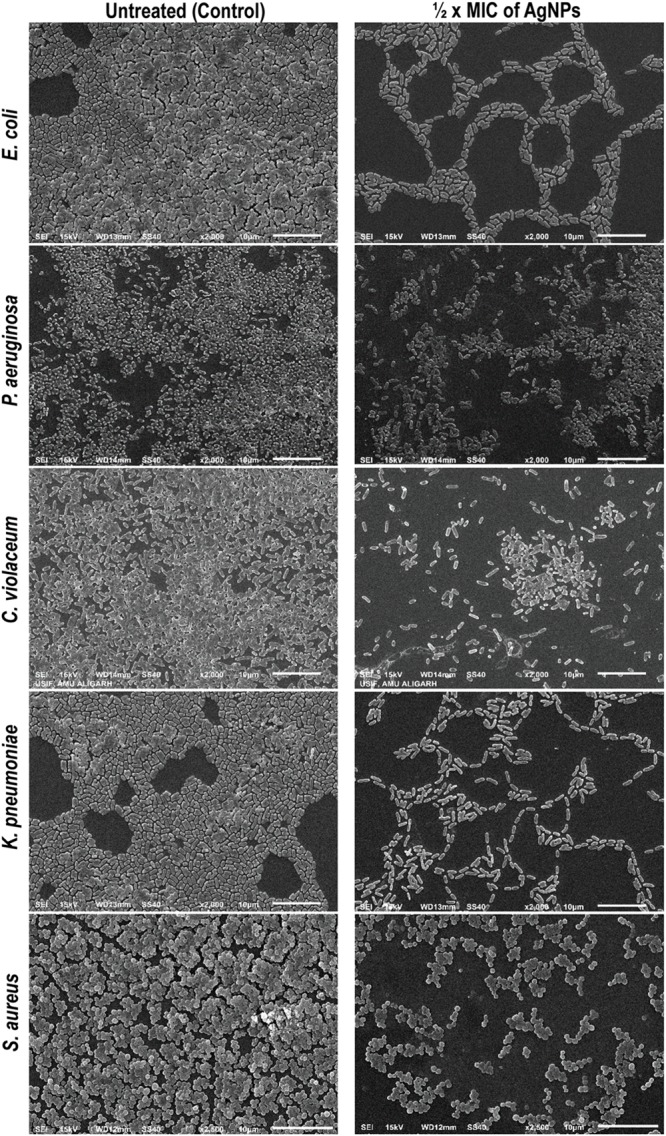
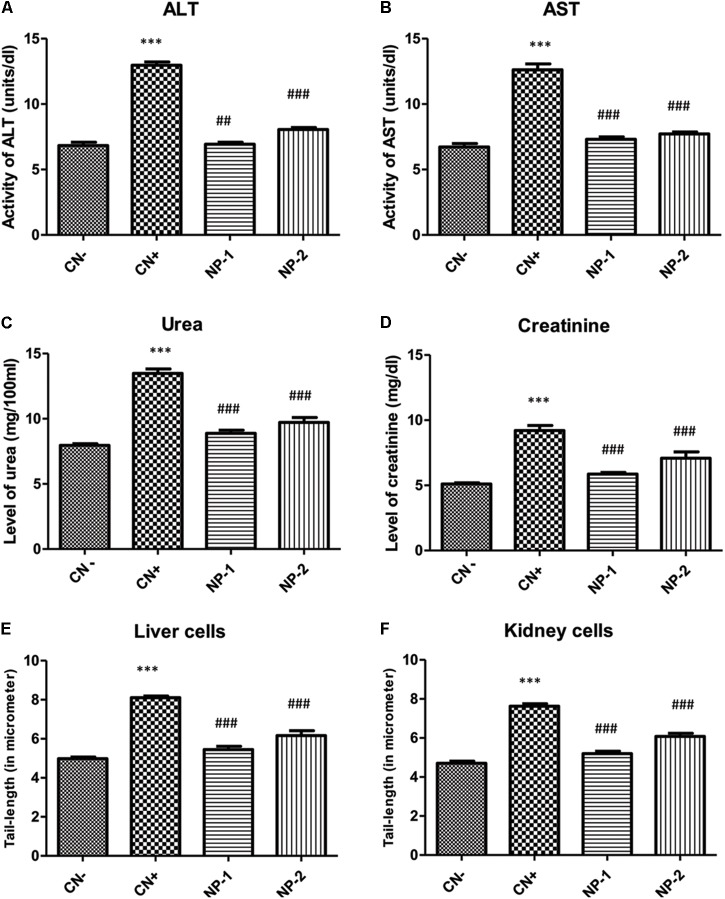
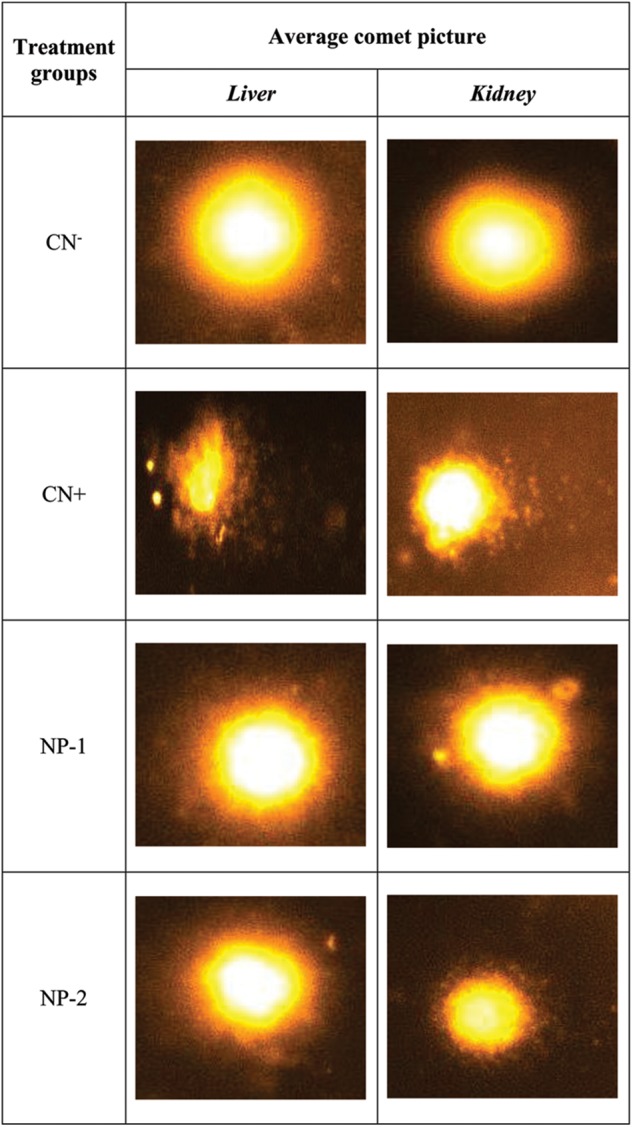
Cancer and the associated secondary bacterial infections are leading cause of mortality, due to the paucity of effective drugs. Here, we have synthesized silver nanoparticles (AgNPs) from organic resource and confirmed their anti-cancer and anti-microbial potentials. Microwave irradiation method was employed to synthesize AgNPs using leaf extract. Anti-cancer potential of AgNPs was evaluated by scratch assay on the monolayer of rat basophilic leukemia (RBL) cells, indicating that the synthesized AgNPs inhibit the migration of RBL cells. The synthesized AgNPs showed MIC value of 4-16 μg/mL against both Gram +ve and Gram -ve bacterial strains, exhibiting the anti-microbial potential. Biofilm inhibition was recorded at sub-MIC values against Gram +ve and Gram -ve bacterial strains. Violacein and alginate productions were reduced by 89.6 and 75.6%, respectively at 4 and 8 μg/mL of AgNPs, suggesting anti-quorum sensing activity. Exopolysaccharide production was decreased by 61-79 and 84% for Gram -ve and Gram +ve pathogens respectively. Flagellar driven swarming mobility was also reduced significantly. Furthermore, study confirmed their tolerability in mice, indicating their clinical perspective. Collective, we claim that the synthesized AgNPs have anti-metastasis as well as anti-microbial activities. Hence, this can be further tested for therapeutic options to treat cancer and secondary bacterial infections.
由于缺乏有效的药物,癌症及相关的继发性细菌感染是主要的死亡原因。在此,我们从有机资源中合成了银纳米颗粒(AgNPs),并证实了它们的抗癌和抗菌潜力。采用微波辐射法,利用叶提取物合成AgNPs。通过对大鼠嗜碱性白血病(RBL)细胞单层进行划痕试验来评估AgNPs的抗癌潜力,结果表明合成的AgNPs抑制RBL细胞的迁移。合成的AgNPs对革兰氏阳性和革兰氏阴性细菌菌株的最低抑菌浓度(MIC)值为4-16μg/mL,显示出抗菌潜力。在低于MIC值时记录了对革兰氏阳性和革兰氏阴性细菌菌株的生物膜抑制情况。在4和8μg/mL的AgNPs浓度下,紫菌素和藻酸盐的产量分别降低了89.6%和75.6%,表明具有群体感应抑制活性。革兰氏阴性和革兰氏阳性病原体的胞外多糖产量分别降低了61-79%和84%。鞭毛驱动的群体游动性也显著降低。此外,研究证实了它们在小鼠中的耐受性,表明了它们的临床应用前景。总体而言,我们声称合成的AgNPs具有抗转移和抗菌活性。因此,这可以进一步作为治疗癌症和继发性细菌感染的治疗选择进行测试。