Radtke Aleksandra, Grodzicka Marlena, Ehlert Michalina, Jędrzejewski Tomasz, Wypij Magdalena, Golińska Patrycja
Faculty of Chemistry, Nicolaus Copernicus University in Toruń, Gagarina 7, 87-100 Toruń, Poland.
Nano-implant Ltd., Gagarina 5/102, 87-100 Toruń, Poland.
J Clin Med. 2019 Mar 10;8(3):334. doi: 10.3390/jcm8030334.
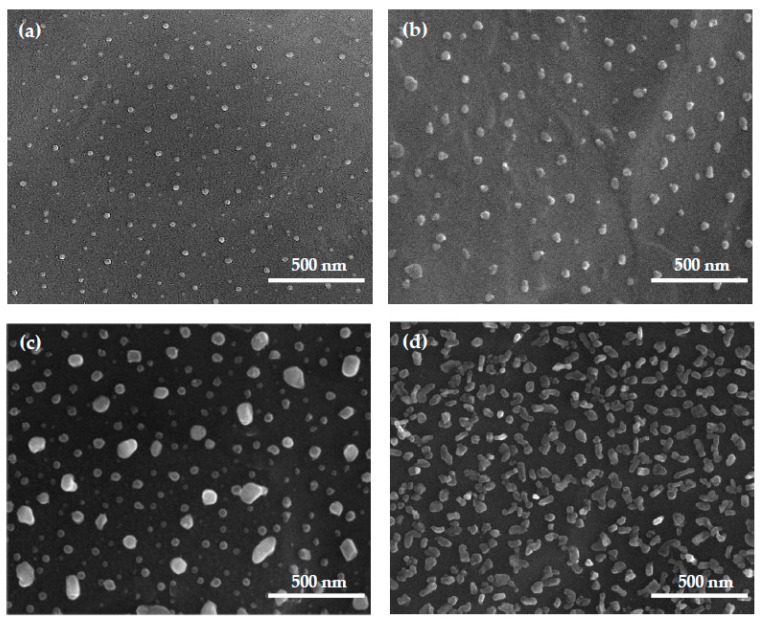
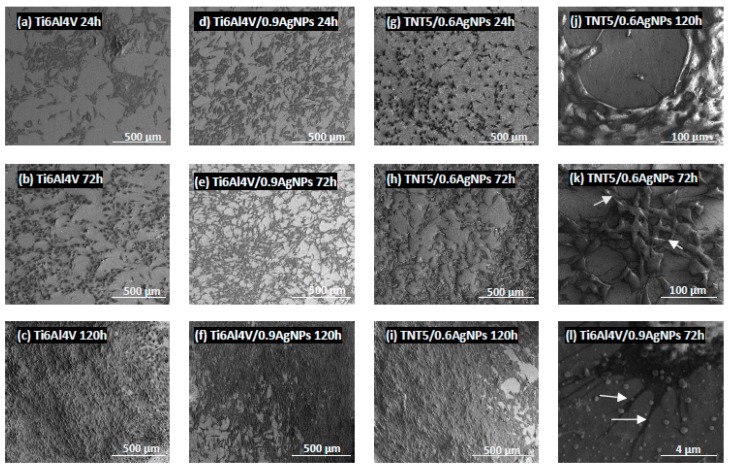
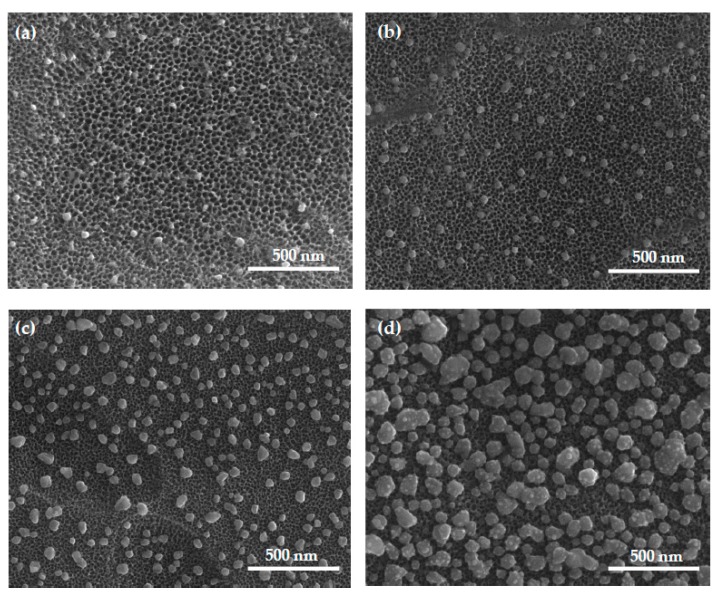
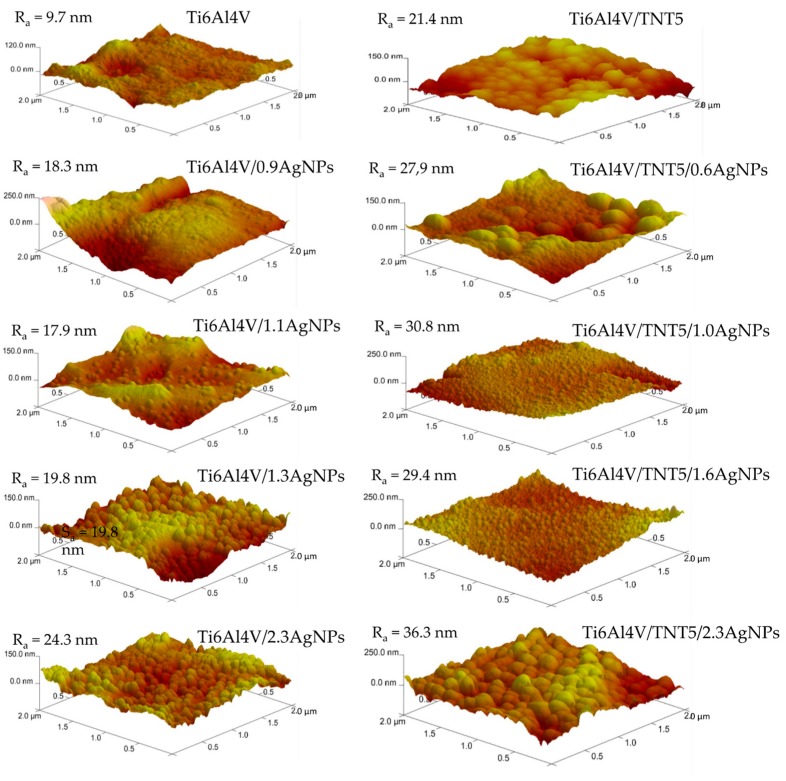
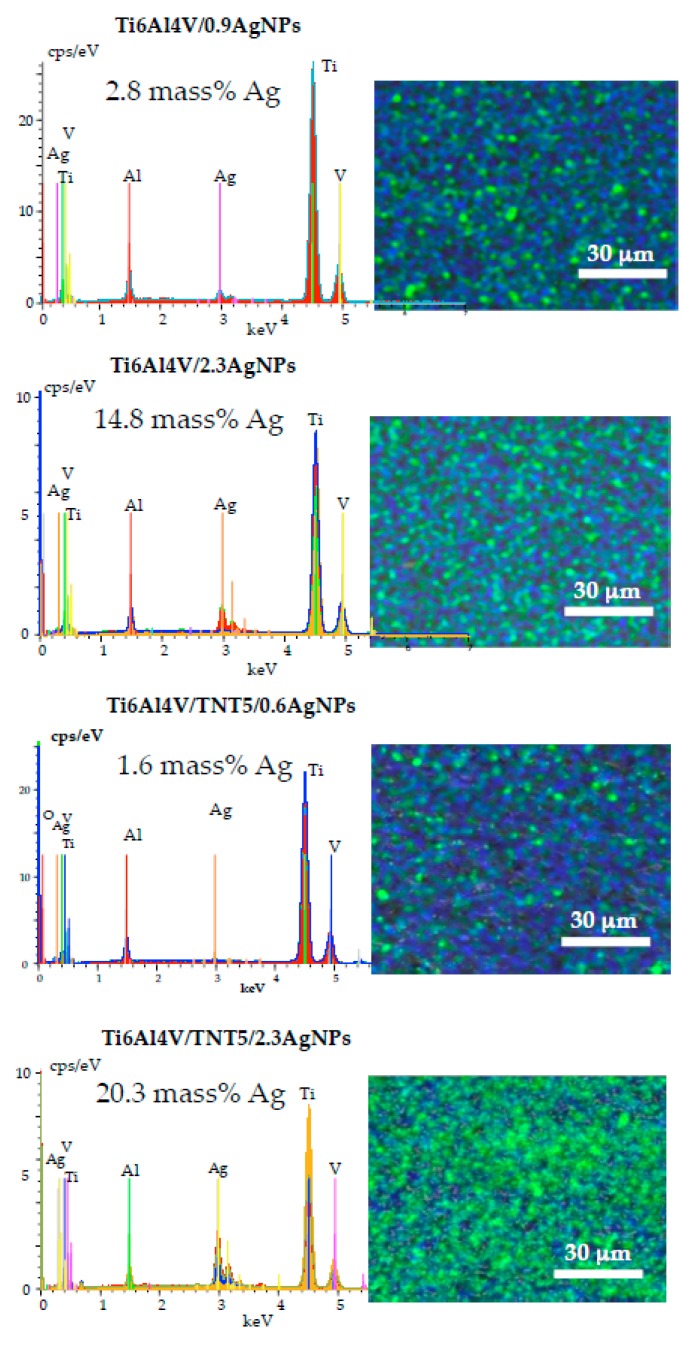
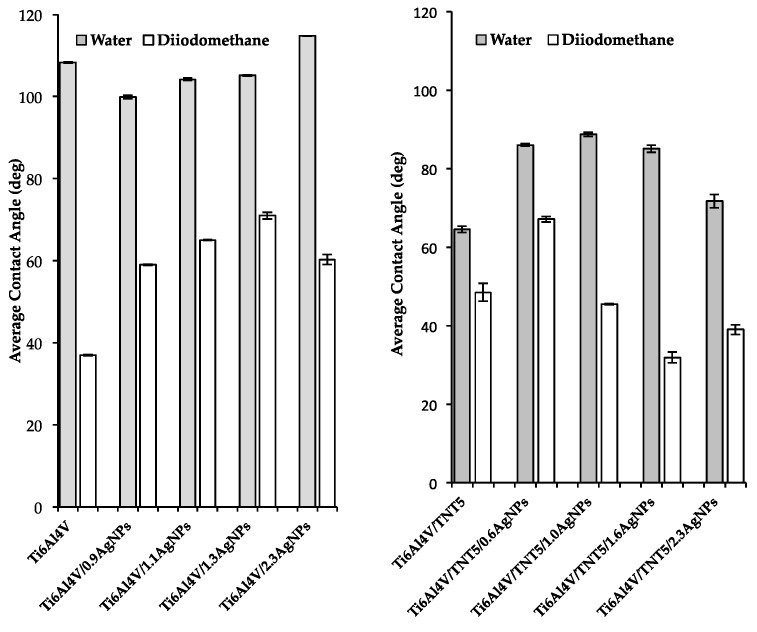
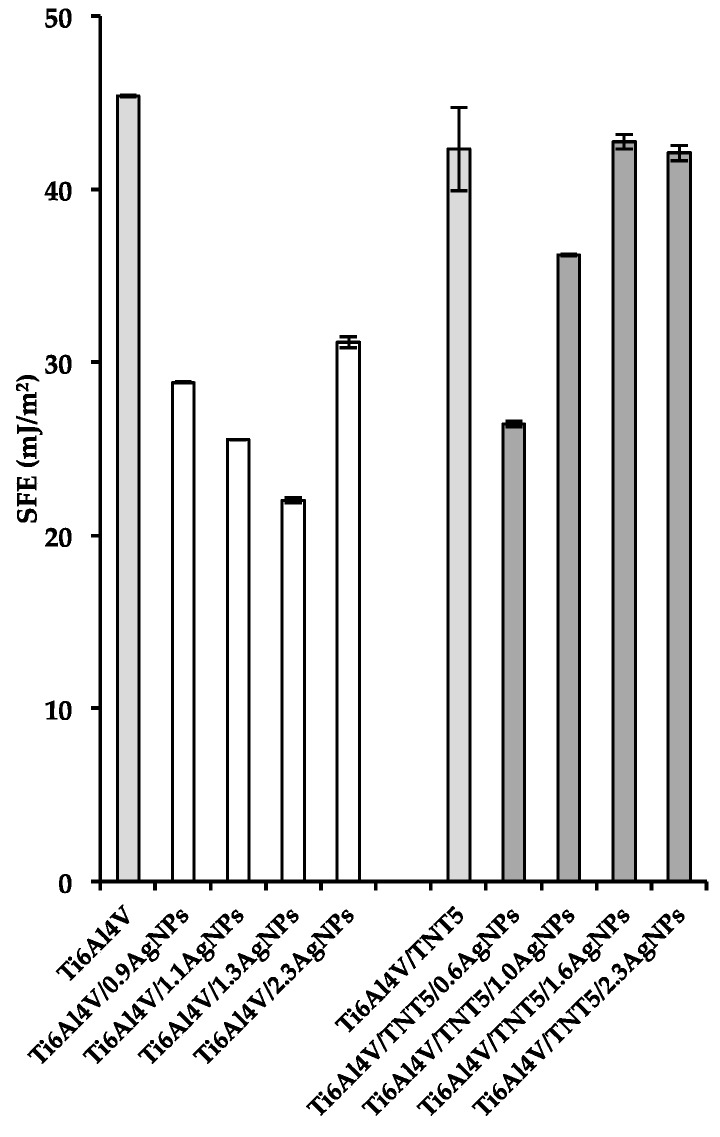
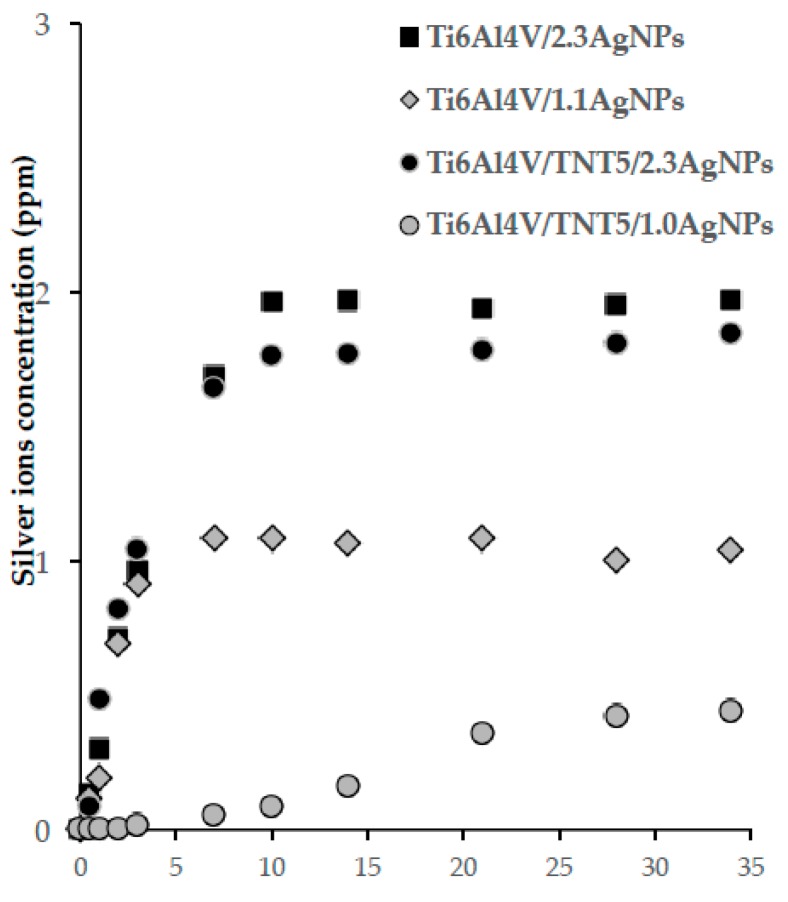
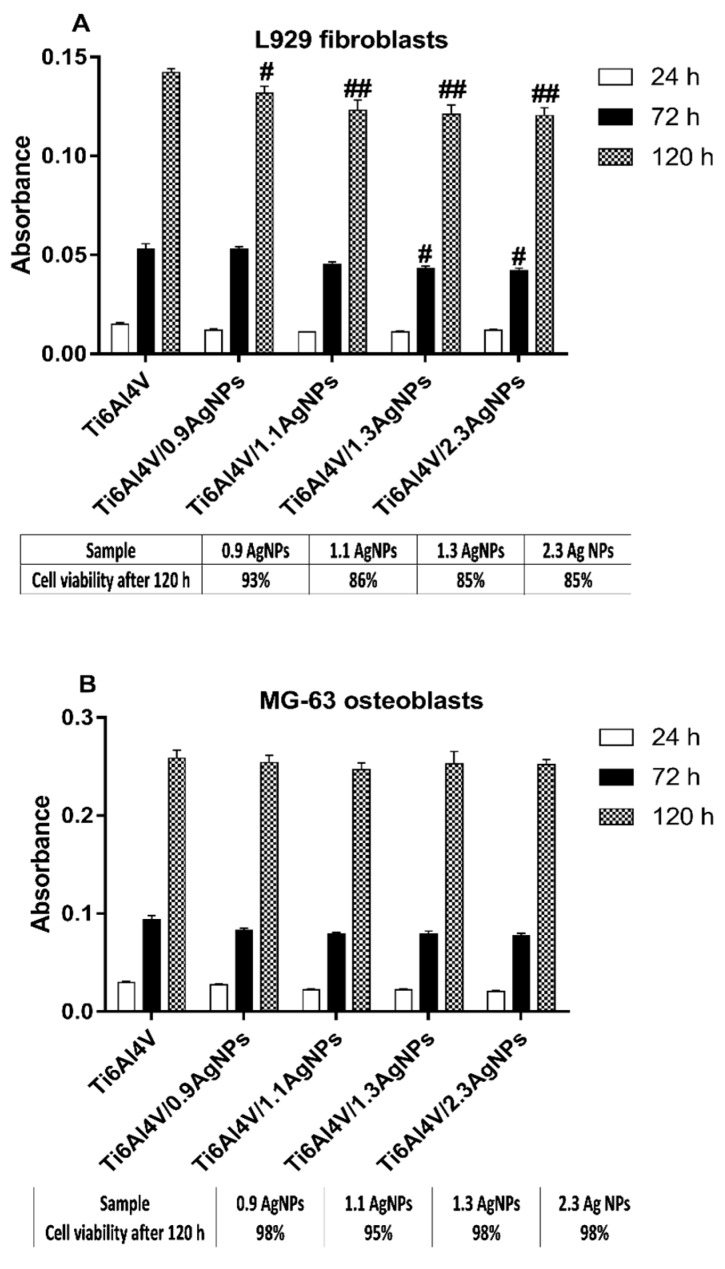
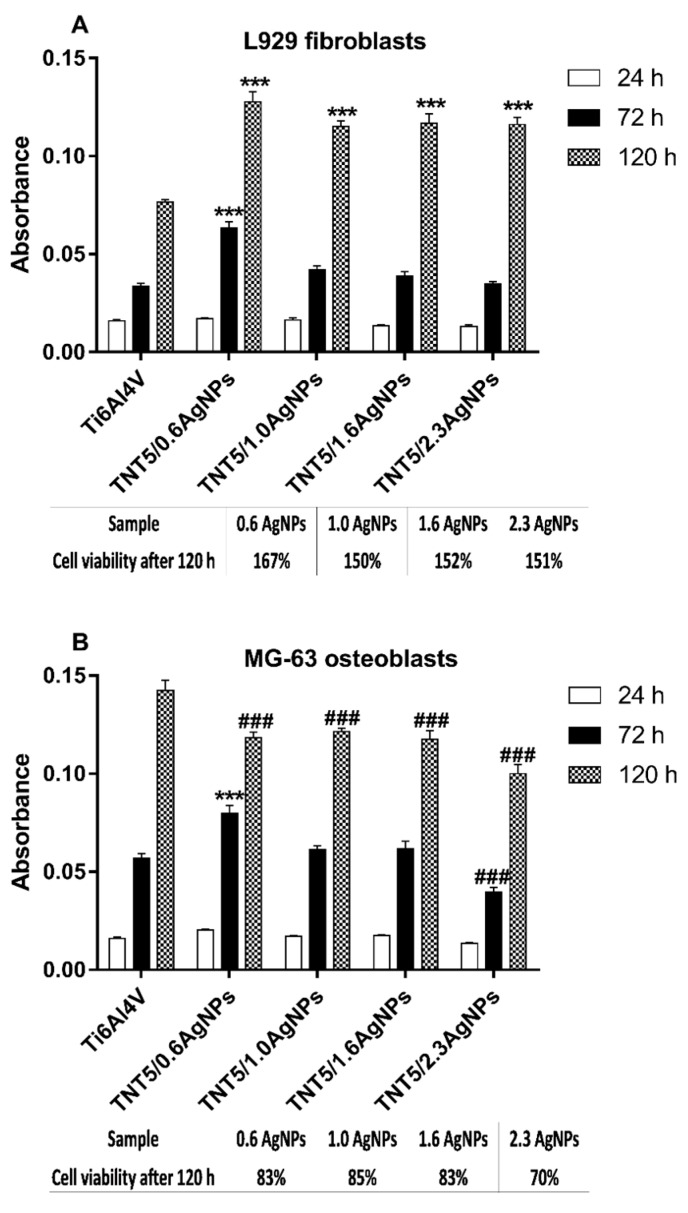
The chemical vapor deposition (CVD) method has been used to produce dispersed silver nanoparticles (AgNPs) on the surface of titanium alloy (Ti6Al4V) and nanotubular modified titanium alloys (Ti6Al4V/TNT5), leading to the formation of Ti6Al4V/AgNPs and Ti6Al4V/TNT5/AgNPs systems with different contents of metallic silver particles. Their surface morphology and silver particles arrangement were characterized by scanning electron microscopy (SEM), energy dispersive X-ray spectrometry (EDS), and atomic force microscopy (AFM). The wettability and surface free energy of these materials were investigated on the basis of contact angle measurements. The degree of silver ion release from the surface of the studied systems immersed in phosphate buffered saline solution (PBS) was estimated using inductively coupled plasma ionization mass spectrometry (ICP-MS). The biocompatibility of the analyzed materials was estimated based on the fibroblasts and osteoblasts adhesion and proliferation, while their microbiocidal properties were determined against Gram-positive and Gram-negative bacteria, and yeasts. The results of our works proved the high antimicrobial activity and biocompatibility of all the studied systems. Among them, Ti6Al4V/TNT5/0.6AgNPs contained the lowest amount of AgNPs, but still revealed optimal biointegration properties and high biocidal properties. This is the biomaterial that possesses the desired biological properties, in which the potential toxicity is minimized by minimizing the number of silver nanoparticles.
化学气相沉积(CVD)法已被用于在钛合金(Ti6Al4V)和纳米管改性钛合金(Ti6Al4V/TNT5)表面制备分散的银纳米颗粒(AgNPs),从而形成具有不同金属银颗粒含量的Ti6Al4V/AgNPs和Ti6Al4V/TNT5/AgNPs体系。通过扫描电子显微镜(SEM)、能量色散X射线光谱仪(EDS)和原子力显微镜(AFM)对其表面形态和银颗粒排列进行了表征。基于接触角测量研究了这些材料的润湿性和表面自由能。使用电感耦合等离子体质谱仪(ICP-MS)估计了浸泡在磷酸盐缓冲盐水溶液(PBS)中的研究体系表面银离子的释放程度。基于成纤维细胞和成骨细胞的粘附与增殖评估了分析材料的生物相容性,同时测定了它们对革兰氏阳性菌、革兰氏阴性菌和酵母菌的杀菌性能。我们的研究结果证明了所有研究体系都具有高抗菌活性和生物相容性。其中,Ti6Al4V/TNT5/0.6AgNPs所含的AgNPs量最低,但仍表现出最佳的生物整合性能和高杀菌性能。这是一种具有所需生物学特性的生物材料,通过最小化银纳米颗粒的数量将潜在毒性降至最低。