Wildlife Nutrition Centre, Wildlife Reserves Singapore, 80 Mandai Lake Road, 729826, Singapore, Singapore.
Nocturnal Primate Research Group, Oxford Brookes University, Gypsy Lane, Oxford, OX3 0BP, UK.
Sci Rep. 2019 Mar 11;9(1):4078. doi: 10.1038/s41598-019-40911-0.
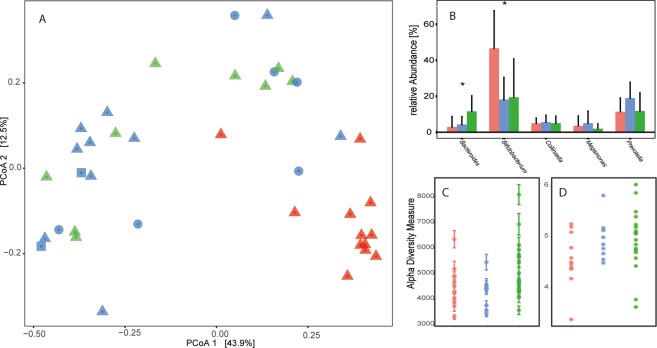
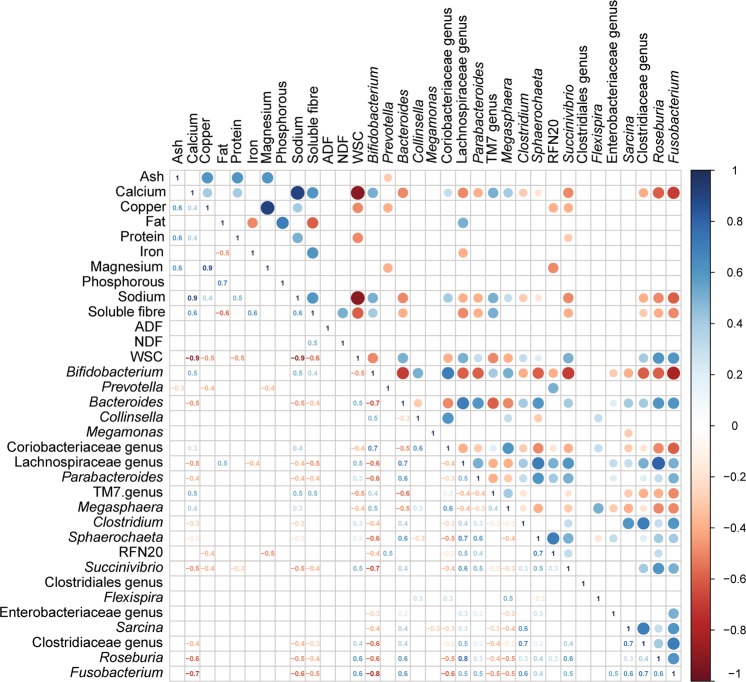
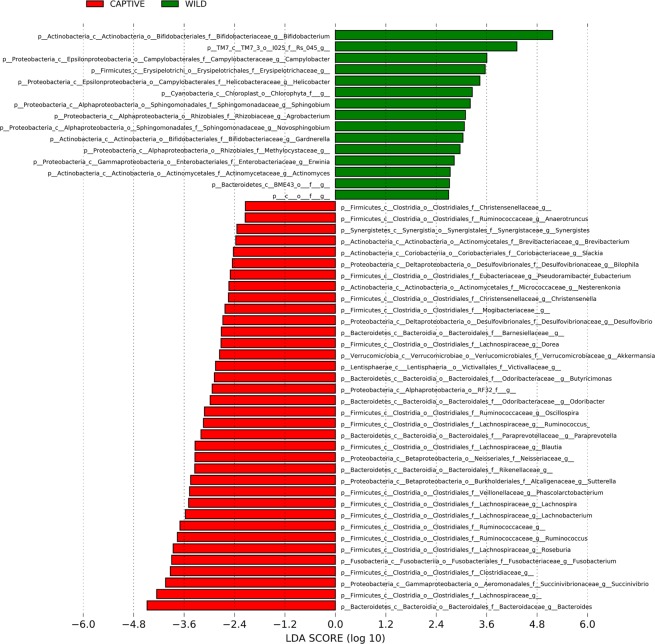
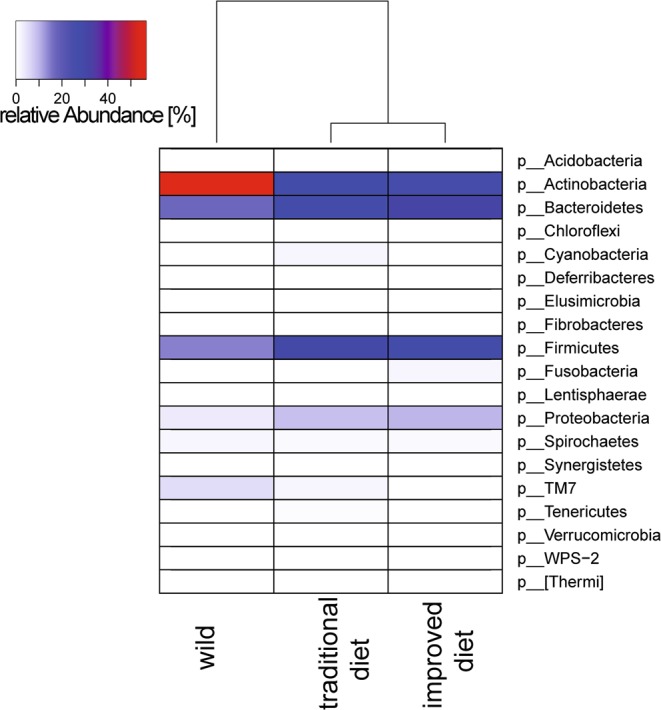
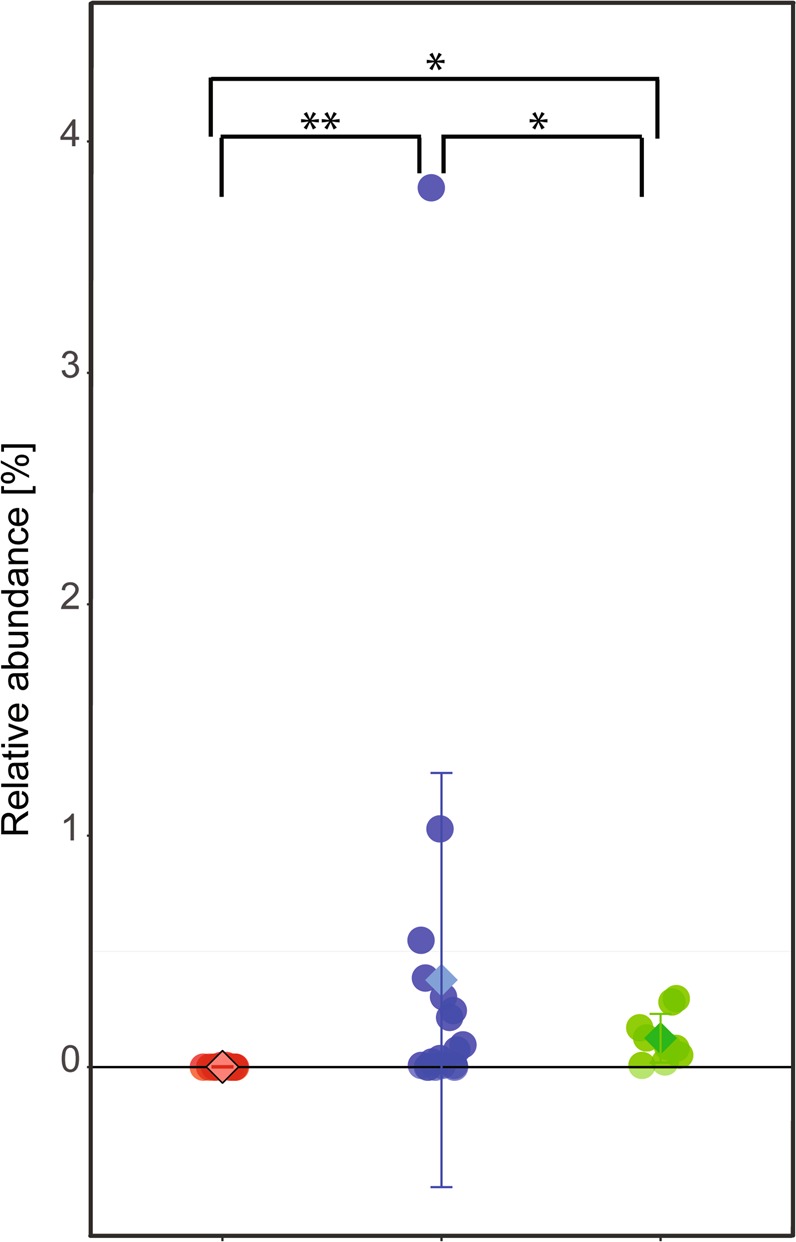
Environment and diet are key factors which shape the microbiome of organisms. There is also a disparity between captive and wild animals of the same species, presumably because of the change in diet. Being able to reverse the microbiome to the wild type is thus particularly important for the reintroduction efforts of Critically Endangered animals. The Javan slow loris (Nycticebus javanicus) is a suitable model, being kept in the thousands within rescue centres throughout Southeast Asia. With next-generation sequencing, we show how a naturalistic diet impacts the gut microbiome of captive slow lorises (Primates: Nycticebus). A comparison of the microbiome of wild animals with captive animals that had been fed a standard captive or improved diet reveals strong microbiome differences between wild and captive animals; however, diet changes failed to alter the microbiome of captive populations significantly. Bifidobacterium was the most abundant genus in wild animals (46.7%) while Bacteroides (11.6%) and Prevotella (18.9%) were the most abundant in captive animals fed the captive and improved diets, respectively. Correlation analyses of nutrients with microbial taxa suggest important implications in using nutrition to suppress potential pathogens, with soluble fibre and water-soluble carbohydrates both being associated with opposing microbiome profiles. The improved diet significantly increased microbe diversity, which exemplifies the importance of high fibre diets; however, wild individuals had lower diversity, which contradicts recent studies. Detection of methanogens appeared to be dependent on diet and whether the animals were living in captivity or in the wild. This study highlights the potential of nutrition in modulating the microbiome of animals prior to release. Unexpectedly, the results were not as significant as has been suggested in recent studies.
环境和饮食是塑造生物微生物组的关键因素。同一物种的圈养动物和野生动物之间也存在差异,这可能是由于饮食的改变。因此,能够将微生物组恢复为野生类型对于极度濒危动物的重新引入工作尤为重要。爪哇懒猴(Nycticebus javanicus)是一个合适的模型,在东南亚的救援中心有成千上万只被饲养。通过下一代测序,我们展示了自然饮食如何影响圈养懒猴(灵长类:Nycticebus)的肠道微生物组。野生动物和已喂食标准圈养或改良饮食的圈养动物的微生物组比较表明,野生动物和圈养动物之间存在强烈的微生物组差异;然而,饮食变化并没有显著改变圈养种群的微生物组。双歧杆菌是野生动物中最丰富的属(46.7%),而拟杆菌(11.6%)和普雷沃氏菌(18.9%)是喂食圈养和改良饮食的圈养动物中最丰富的属。营养物质与微生物类群的相关分析表明,利用营养物质抑制潜在病原体具有重要意义,可溶性纤维和水溶性碳水化合物都与相反的微生物组特征相关。改良饮食显著增加了微生物多样性,这说明了高纤维饮食的重要性;然而,野生个体的多样性较低,这与最近的研究相矛盾。甲烷菌的检测似乎取决于饮食以及动物是生活在圈养还是野外。这项研究强调了在释放动物之前,营养在调节动物微生物组方面的潜力。出乎意料的是,结果并不像最近的研究表明的那样显著。