Faculty of Medicine, Chiang Mai University, Chiang Mai, 50200, Thailand.
Center of Insect Vector Study, Department of Parasitology, Faculty of Medicine, Chiang Mai University, Chiang Mai, Thailand.
Parasit Vectors. 2019 Mar 14;12(1):111. doi: 10.1186/s13071-019-3374-2.
A group of insecticides called pyrethroids has been used extensively worldwide and development of pyrethroid resistance within mosquito populations, especially in Aedes aegypti, has rapidly spread through populations. In this study, SDS-PAGE, 2-DE coupled with NanoLC-MS, and bioinformatics were used to analyze the female salivary gland proteins of pyrethroid-susceptible (PMD) and pyrethroid-resistant (PMD-R and UPK-R) strains of Ae. aegypti mosquitoes for the first time.
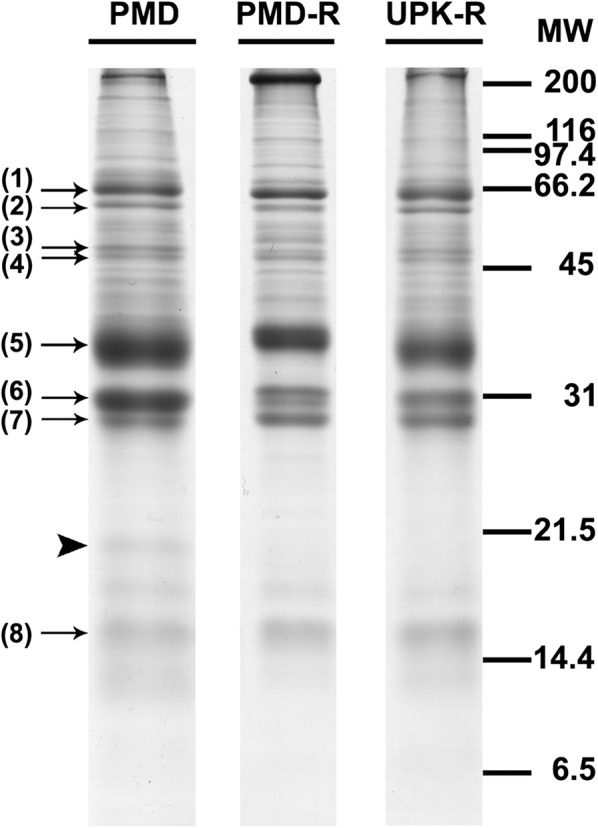
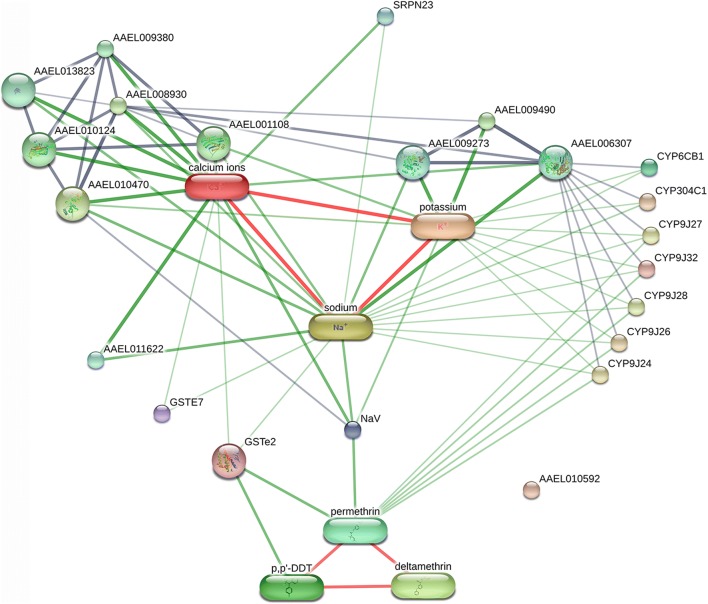
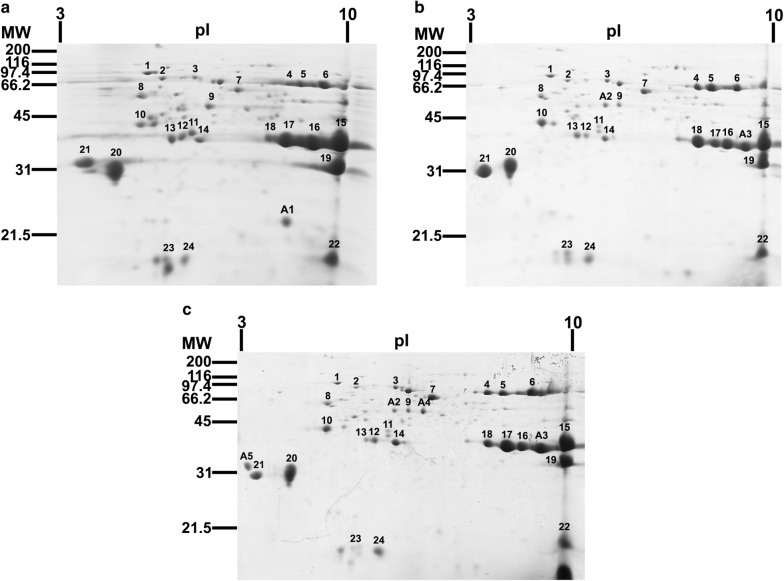
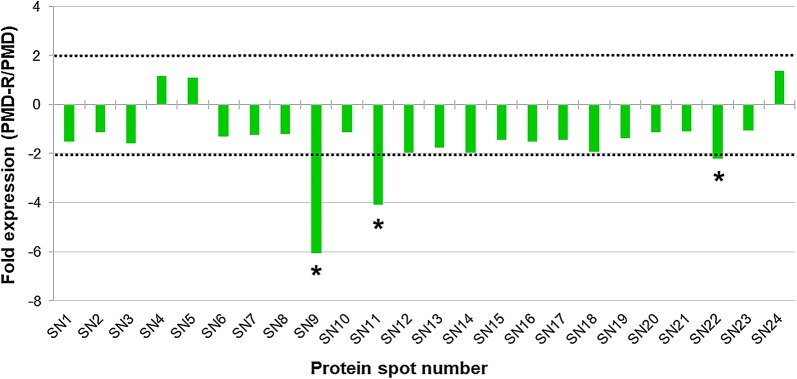
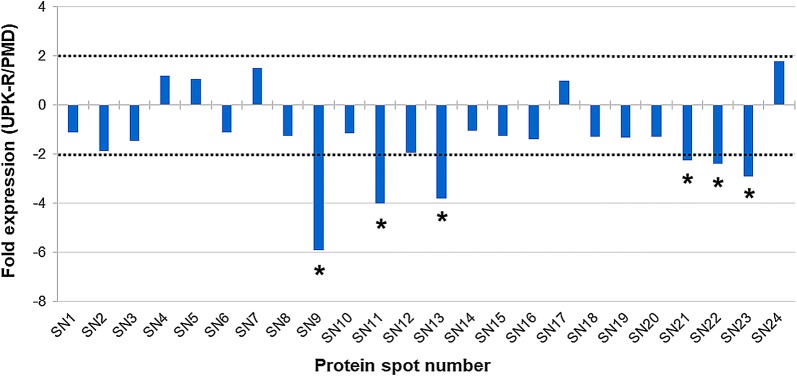
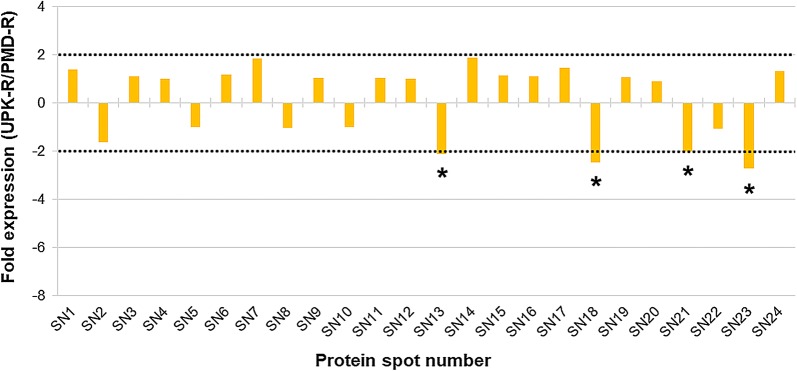
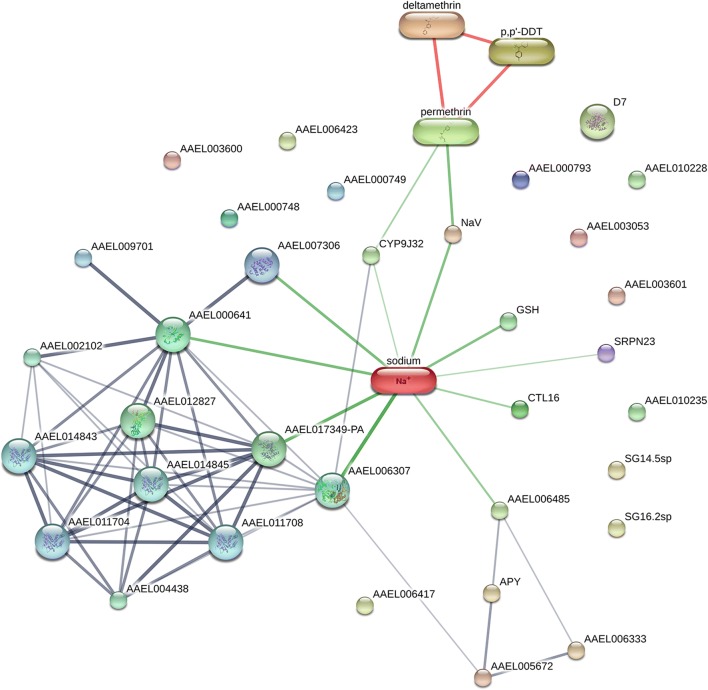
SDS-PAGE analysis revealed that among the three strains at least nine major proteins were detected but one protein band (20 kDa) was found only in the PMD strain. Two-dimensional gel electrophoresis analysis revealed 19 similarly expressed proteins in the salivary glands of the three strains involved in blood-feeding process, stress response, immunogenic response, and metabolic process and five additional major protein spots differentially expressed in the susceptible and resistant strains. Comparative analysis of the expression volume of each protein spot between the PMD and the PMD-R strains showed three downregulated proteins of the PMD-R mosquitoes. For UPK-R strains, six major proteins were downregulated when compared to the PMD strain. Additionally, four downregulated proteins were found in the UPK-R when compared to the PMD-R strain. These results suggest that pyrethroids might induce alteration of salivary gland proteins in resistant mosquitoes. Network analysis by STITCH database 5.0 showed that SRPN23 interacted with sodium and calcium ions, suggesting that SRPN23 might be involved in insecticide resistance.
Information obtained from this study will be useful for further studies on the roles of differentially expressed salivary gland proteins in resistance to insecticides and viral transmission.
一组名为拟除虫菊酯的杀虫剂已在全球范围内广泛使用,蚊种群,尤其是埃及伊蚊(Aedes aegypti)对拟除虫菊酯的抗性迅速在种群中传播。在这项研究中,首次使用 SDS-PAGE、2-DE 结合 NanoLC-MS 和生物信息学技术分析了对拟除虫菊酯敏感(PMD)和抗药性(PMD-R 和 UPK-R)埃及伊蚊雌蚊的唾液腺蛋白。
SDS-PAGE 分析表明,在这三个品系中,至少有 9 种主要蛋白被检测到,但只有 PMD 品系中发现了一种蛋白带(20 kDa)。二维凝胶电泳分析显示,在参与吸血过程、应激反应、免疫反应和代谢过程的三个品系的唾液腺中有 19 种相似表达的蛋白质,另外还有 5 种主要蛋白在敏感和抗性品系中差异表达。比较 PMD 和 PMD-R 品系中每个蛋白点的表达量,发现 PMD-R 蚊的三个蛋白点下调。与 PMD 株相比,UPK-R 株有 6 种主要蛋白下调。此外,与 PMD-R 株相比,UPK-R 株发现有 4 种下调蛋白。这些结果表明,拟除虫菊酯可能诱导抗性蚊唾液腺蛋白的改变。STITCH 数据库 5.0 的网络分析表明,SRPN23 与钠离子和钙离子相互作用,表明 SRPN23 可能参与了抗药性。
本研究获得的信息将有助于进一步研究差异表达的唾液腺蛋白在抗药性和病毒传播中的作用。