Department of Biotechnology, Faculty of Advanced Sciences and Technologies, University of Isfahan, Isfahan 8174673441, Iran,
UNESCO Centre for Membrane Science and Technology, School of Chemical Science and Engineering, University of New South Wales, Sydney 2052, NSW, Australia,
Int J Nanomedicine. 2019 Mar 5;14:1669-1685. doi: 10.2147/IJN.S189728. eCollection 2019.
Nanoporous membranes have been employing more than before in applications such as biomedical due to nanometer hexagonal pores array. Biofouling is one of the important problems in these applications that used nanoporous membranes and are in close contact with microorganisms. Surface modification of the membrane is one way to prevent biofilm formation; therefore, the membrane made in this work is modified with carbon nanotubes.
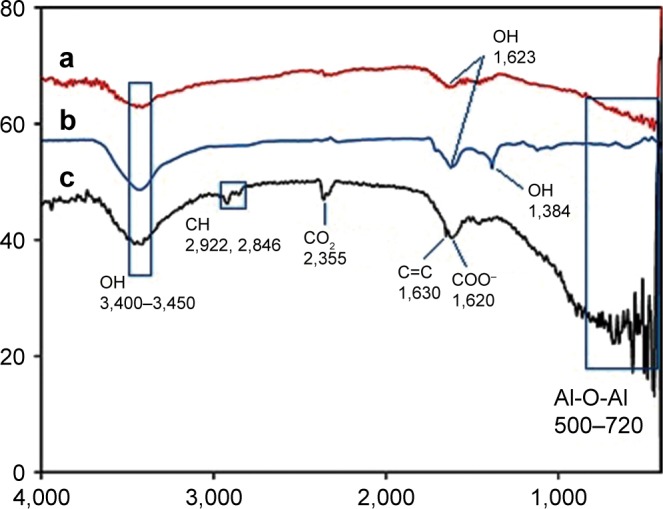
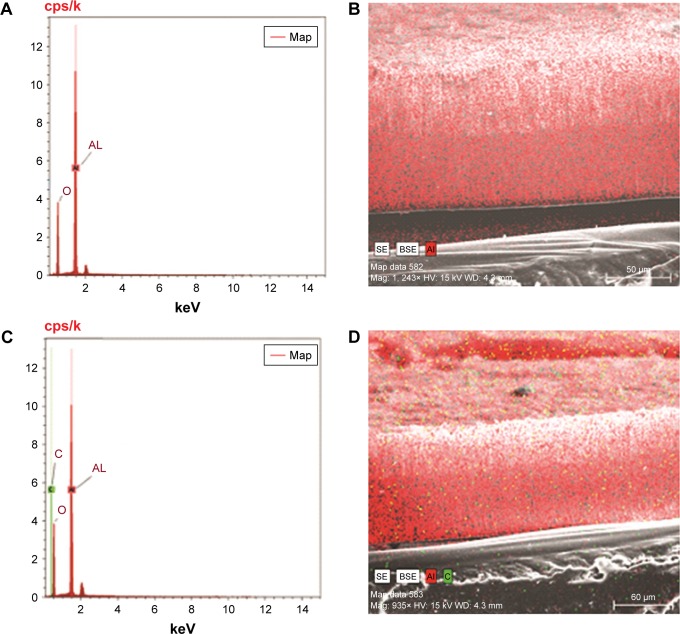
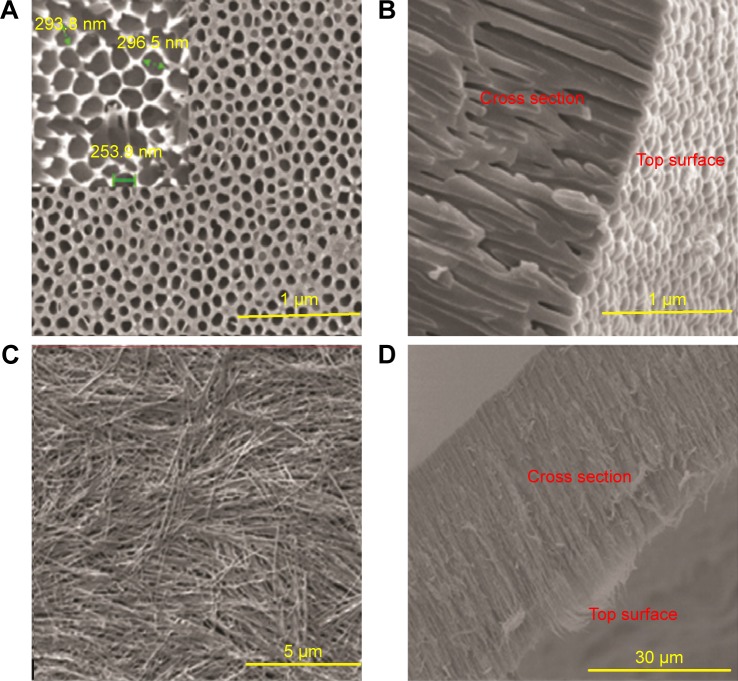
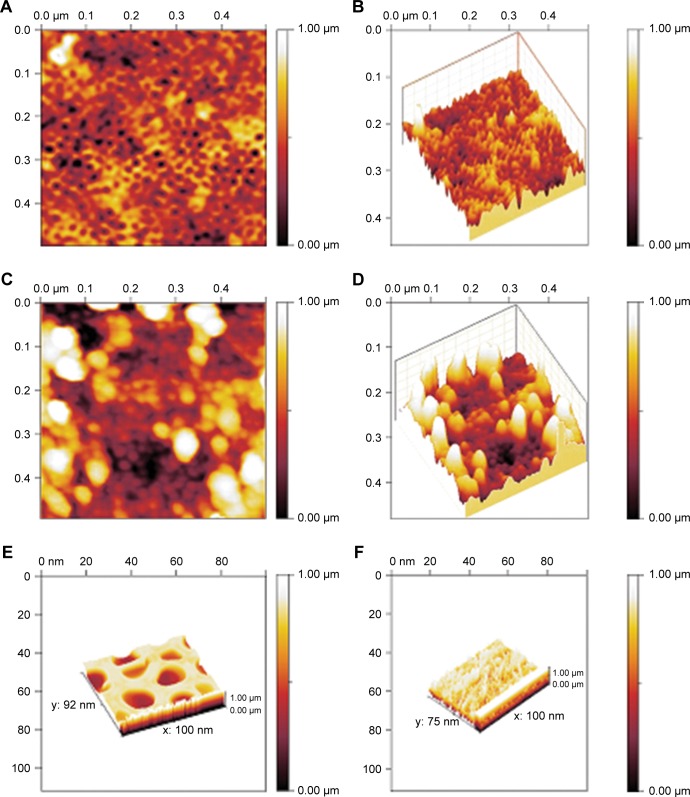
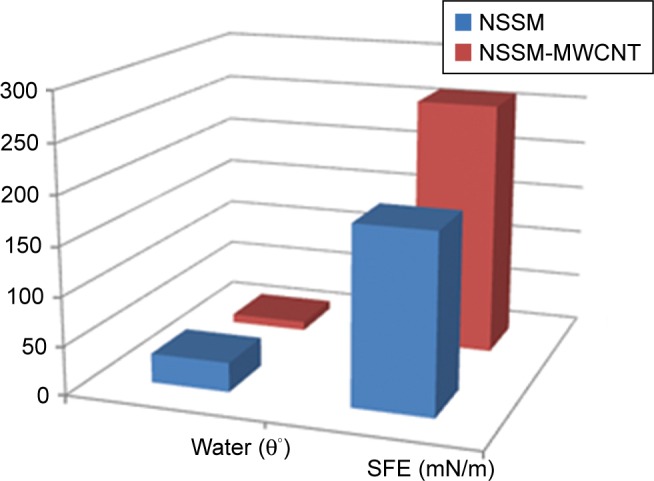
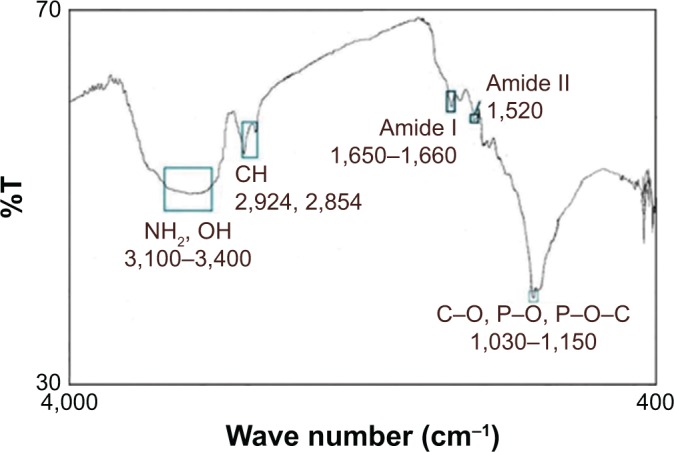
In this work, nanoporous solid-state membrane (NSSM) was made by a two-step anodization method, and then modified with carbon nanotubes (NSSM-multi-wall carbon nanotubes [MWCNT]) by a simple chemical reaction. Techniques such as atomic force microscopy (AFM), energy dispersive X-ray (EDAX), field emission scanning electron microscopy (FESEM), Fourier-transform infrared spectroscopy (FTIR), contact angle (CA), surface free energy (SFE), protein adsorption, flow cytometry, and MTT assay were used for membrane characterization.
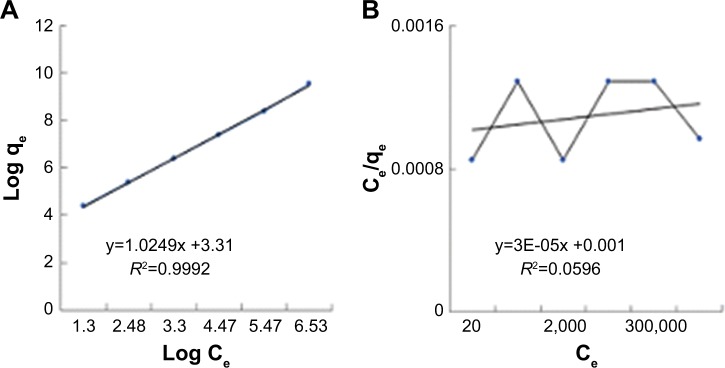
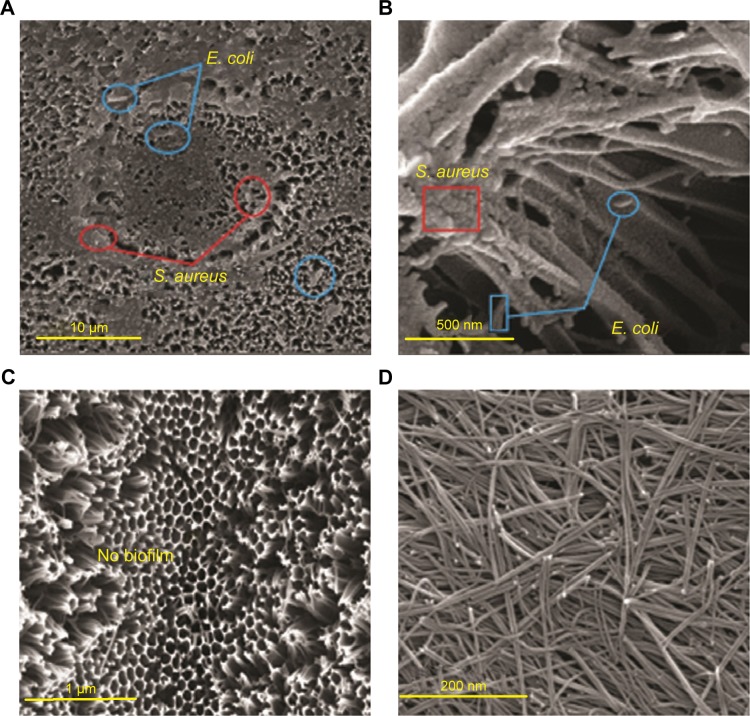
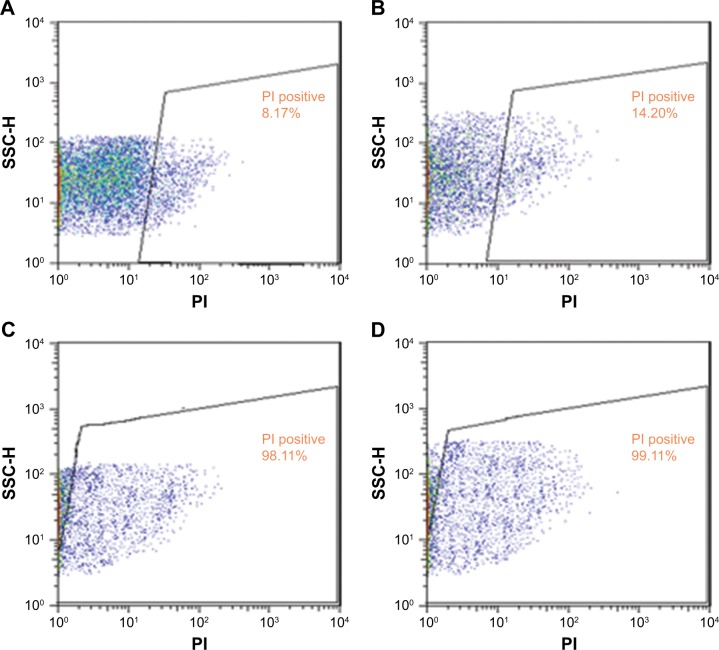
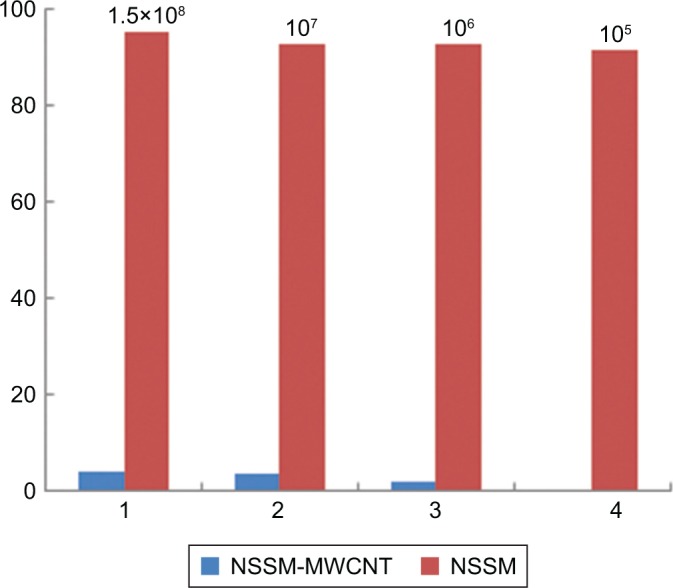
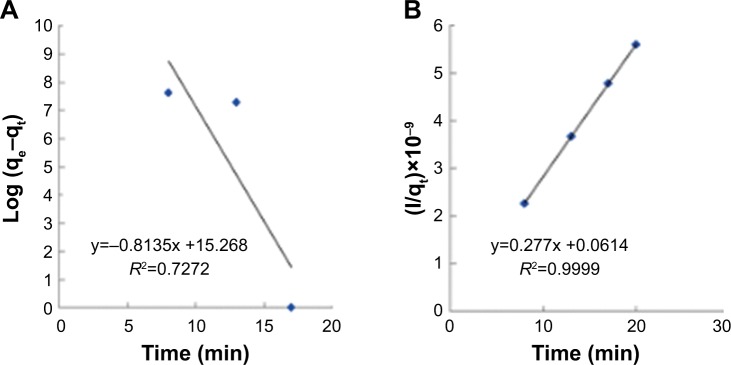
The BSA protein adsorption capacity reduced from 992.54 to 97.24 (μg mL cm) after modification. The findings of flow cytometry and MTT assay confirmed that the number of dead bacteria was higher on the NSSM-MWCNT surface than that of control. Adsorption models of Freundlich and Langmuir and kinetics models were studied to understand the governing mechanism by which bacteria migrate to the membrane surface.
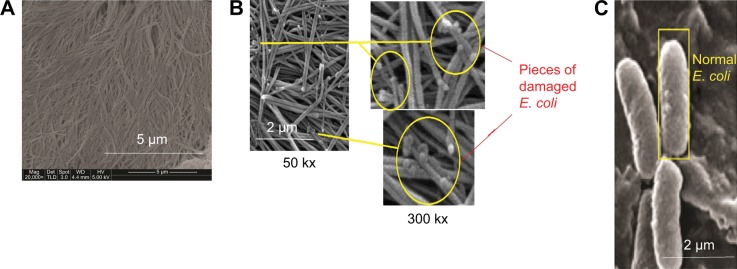
The cell viability of absorbed bacteria on the NSSM-MWCNT was disrupted in direct physical contact with carbon nanotubes. Then, the dead bacteria were desorbed from the surface of the hydrophilic membrane. The results of this research showed that NSSM-MWCNT containing carbon nanotubes have significant antimicrobial and self-cleaning property that can be used in many biomedical devices without facing the eminent problem of biofouling.
由于纳米六边形孔阵列,纳米多孔膜在生物医学等应用中得到了越来越多的应用。生物污垢是这些应用中使用纳米多孔膜并与微生物密切接触的重要问题之一。膜表面改性是防止生物膜形成的一种方法;因此,本文工作中制备的膜用碳纳米管进行了改性。
在这项工作中,通过两步阳极氧化法制备了纳米多孔固态膜(NSSM),然后通过简单的化学反应用碳纳米管(NSSM-多壁碳纳米管[MWCNT])进行了改性。原子力显微镜(AFM)、能谱(EDAX)、场发射扫描电子显微镜(FESEM)、傅里叶变换红外光谱(FTIR)、接触角(CA)、表面自由能(SFE)、蛋白质吸附、流式细胞术和 MTT 测定等技术用于膜表征。
修饰后,BSA 蛋白质吸附容量从 992.54 减少到 97.24(μg mL cm)。流式细胞术和 MTT 测定的结果证实,NSSM-MWCNT 表面的死菌数量高于对照。研究了 Freundlich 和 Langmuir 吸附模型以及动力学模型,以了解细菌迁移到膜表面的控制机制。
与碳纳米管直接物理接触破坏了吸附在 NSSM-MWCNT 上的细菌的细胞活力。然后,亲水膜表面的死菌被解吸。这项研究的结果表明,含有碳纳米管的 NSSM-MWCNT 具有显著的抗菌和自清洁性能,可用于许多生物医学设备,而不会面临生物污垢的突出问题。