Division of Tumor Biology & Immunology, Oncode Institute, Netherlands Cancer Institute, Amsterdam, The Netherlands.
Molecular Pharmacology Program and Department of Medicine, Memorial Sloan Kettering Cancer Center, New York, NY, USA.
Nat Cell Biol. 2019 Apr;21(4):511-521. doi: 10.1038/s41556-019-0298-1. Epub 2019 Mar 18.
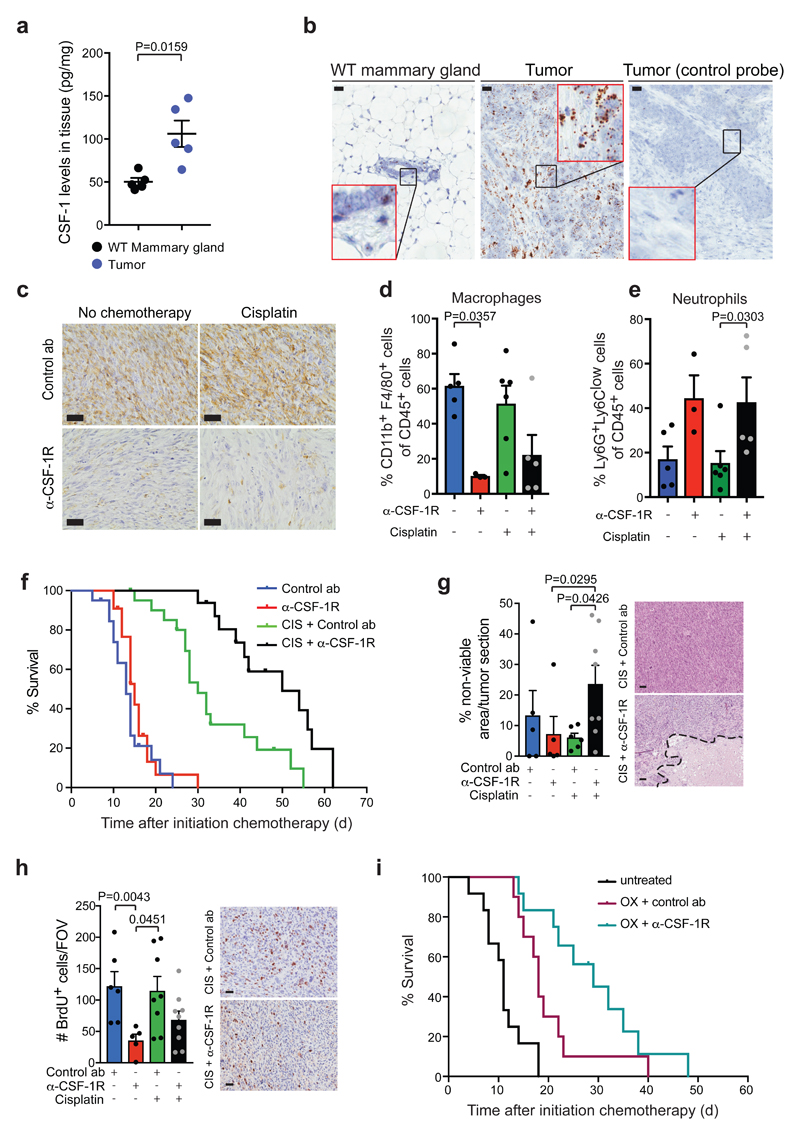
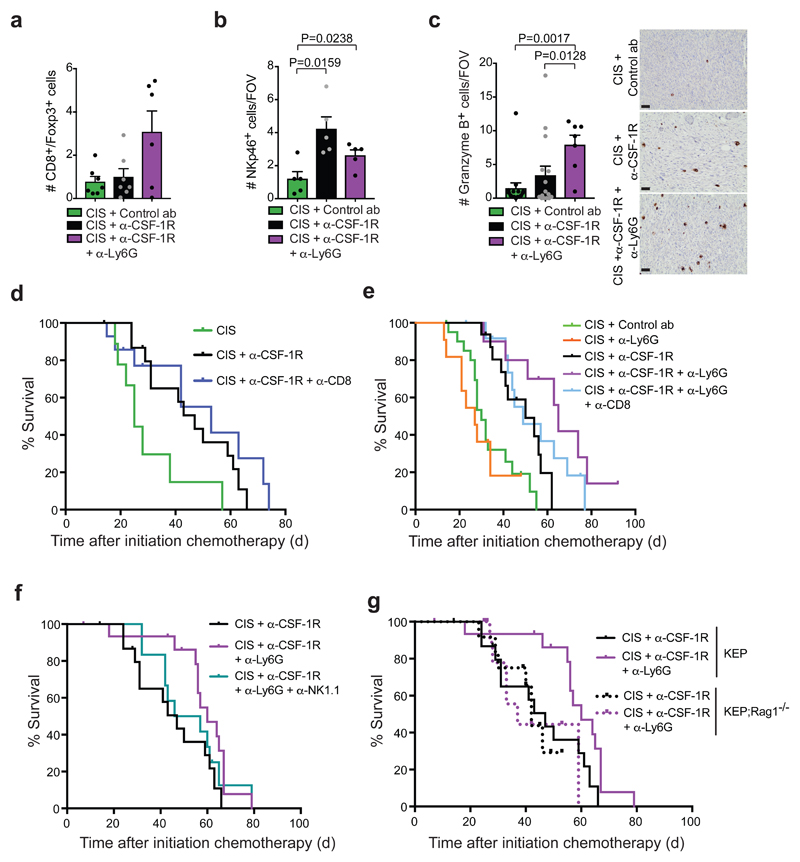
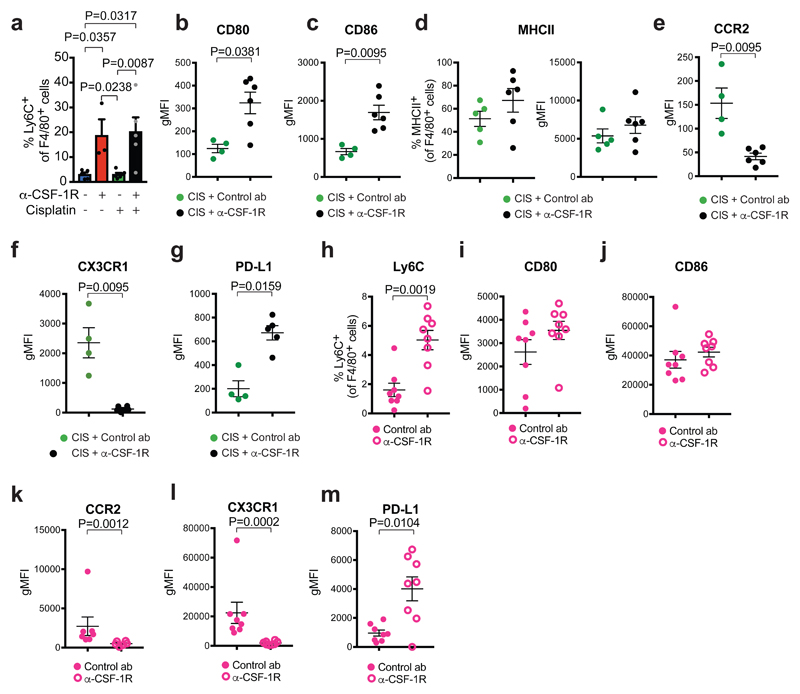
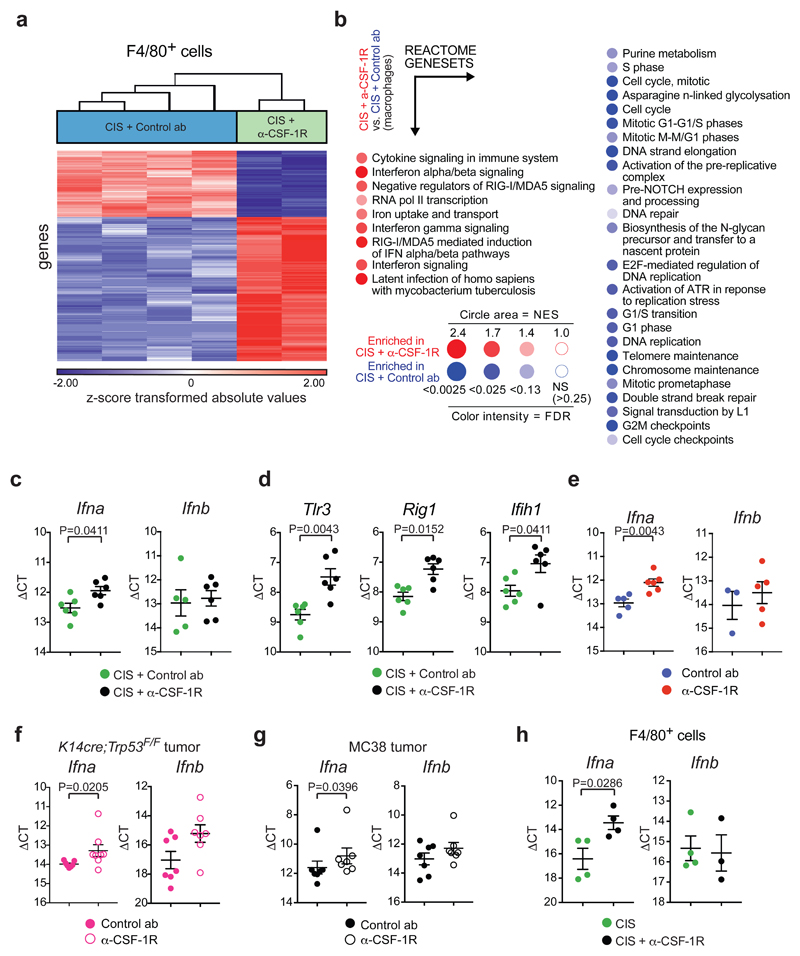
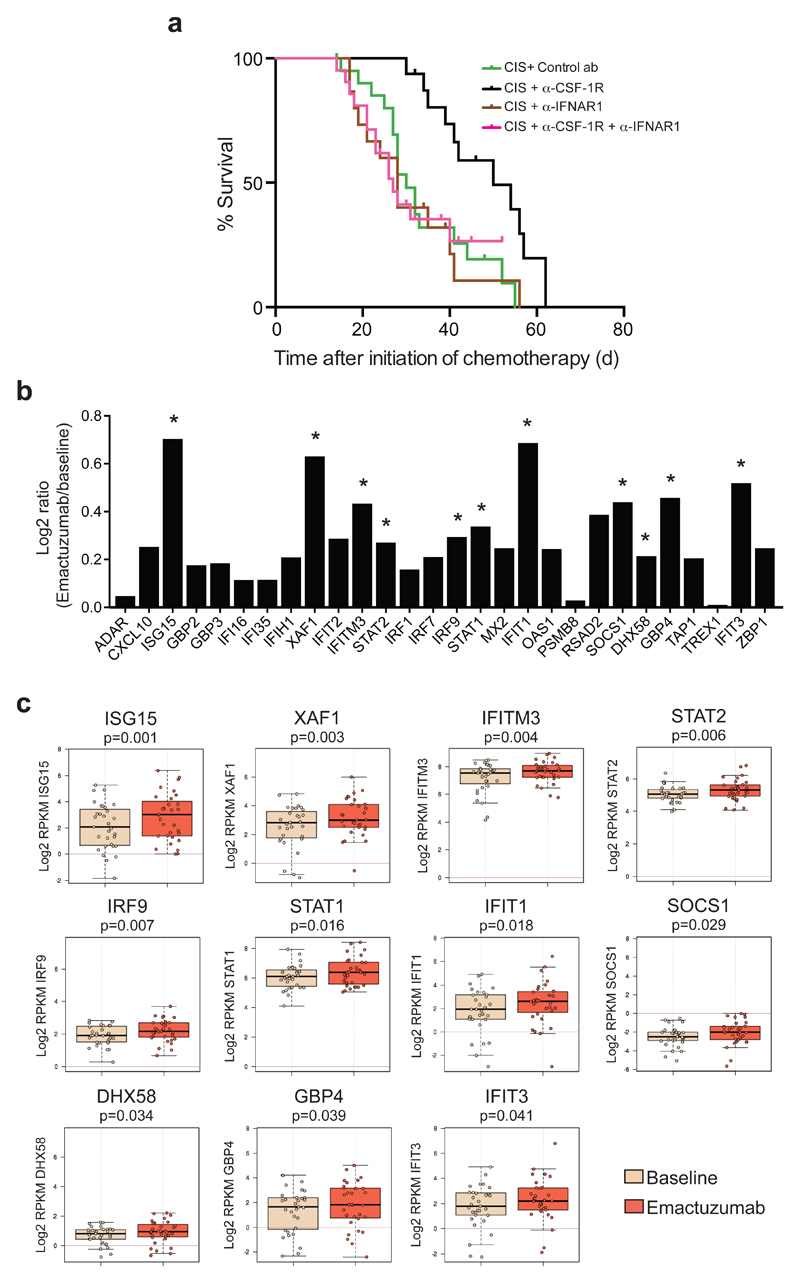
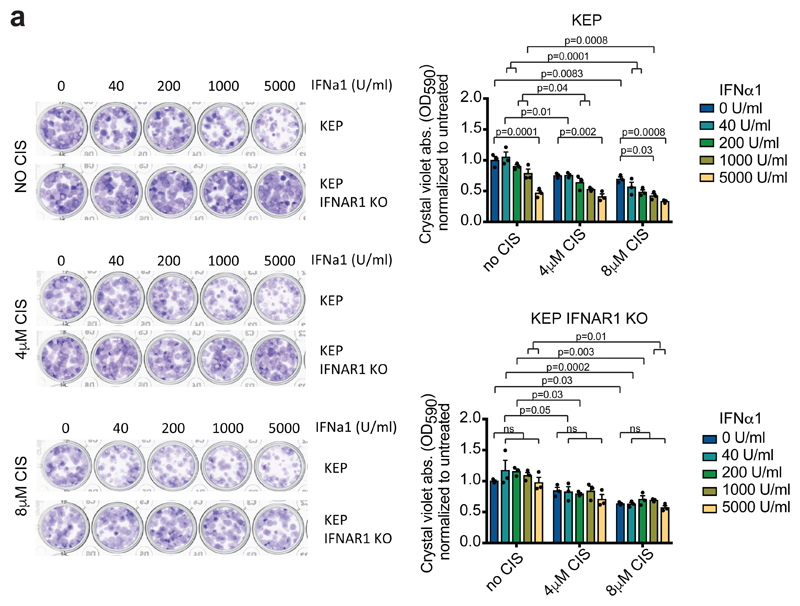
Recent studies have revealed a role for macrophages and neutrophils in limiting chemotherapy efficacy; however, the mechanisms underlying the therapeutic benefit of myeloid-targeting agents in combination with chemotherapy are incompletely understood. Here, we show that targeting tumour-associated macrophages by colony-stimulating factor-1 receptor (CSF-1R) blockade in the K14cre;Cdh1;Trp53 transgenic mouse model for breast cancer stimulates intratumoural type I interferon (IFN) signalling, which enhances the anticancer efficacy of platinum-based chemotherapeutics. Notably, anti-CSF-1R treatment also increased intratumoural expression of type I IFN-stimulated genes in patients with cancer, confirming that CSF-1R blockade is a powerful strategy to trigger an intratumoural type I IFN response. By inducing an inflamed, type I IFN-enriched tumour microenvironment and by further targeting immunosuppressive neutrophils during cisplatin therapy, antitumour immunity was activated in this poorly immunogenic breast cancer mouse model. These data illustrate the importance of breaching multiple layers of immunosuppression during cytotoxic therapy to successfully engage antitumour immunity in breast cancer.
最近的研究揭示了巨噬细胞和中性粒细胞在限制化疗疗效中的作用;然而,髓系靶向药物与化疗联合治疗的疗效机制尚不完全清楚。在这里,我们发现在乳腺癌 K14cre;Cdh1;Trp53 转基因小鼠模型中通过集落刺激因子-1 受体(CSF-1R)阻断靶向肿瘤相关巨噬细胞会刺激肿瘤内 I 型干扰素(IFN)信号,从而增强基于铂的化疗药物的抗癌疗效。值得注意的是,抗 CSF-1R 治疗也增加了癌症患者肿瘤内 I 型 IFN 刺激基因的表达,证实 CSF-1R 阻断是触发肿瘤内 I 型 IFN 反应的有效策略。通过诱导炎症、富含 I 型 IFN 的肿瘤微环境,并在顺铂治疗期间进一步靶向抑制性中性粒细胞,在这种免疫原性差的乳腺癌小鼠模型中激活了抗肿瘤免疫。这些数据说明了在细胞毒性治疗期间突破多层免疫抑制以成功参与乳腺癌中的抗肿瘤免疫的重要性。