Hewel Charlotte, Kaiser Julia, Wierczeiko Anna, Linke Jan, Reinhardt Christoph, Endres Kristina, Gerber Susanne
Faculty of Biology, Institute for Developmental Biology and Neurobiology, Center of Computational Sciences Mainz (CSM), Johannes Gutenberg University Mainz, Mainz, Germany.
Center for Thrombosis and Hemostasis (CTH), University Medical Center of the Johannes Gutenberg University Mainz, Mainz, Germany.
Front Neurosci. 2019 Mar 5;13:113. doi: 10.3389/fnins.2019.00113. eCollection 2019.
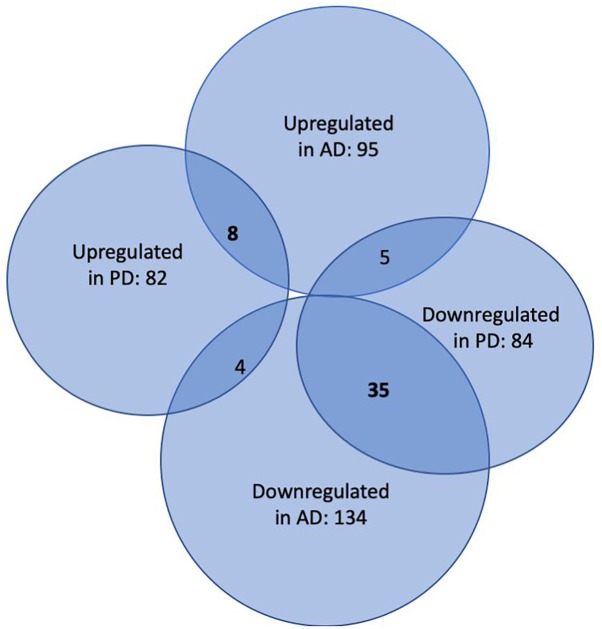
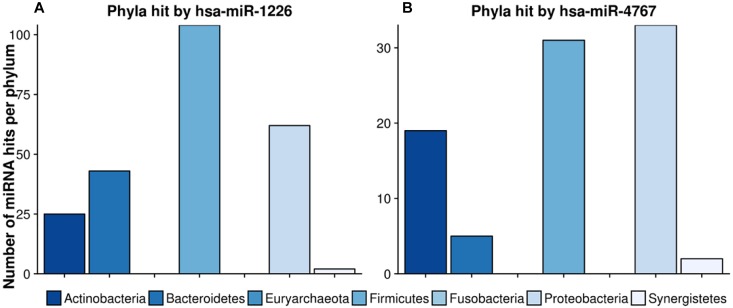
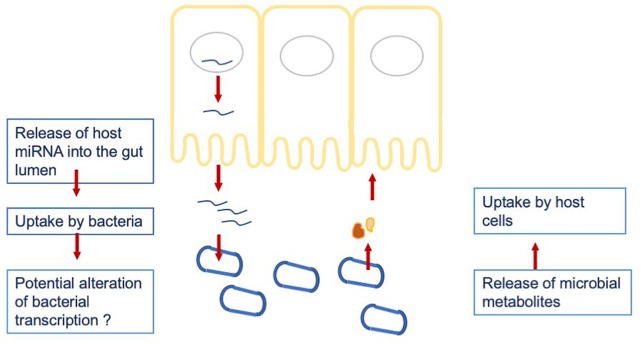
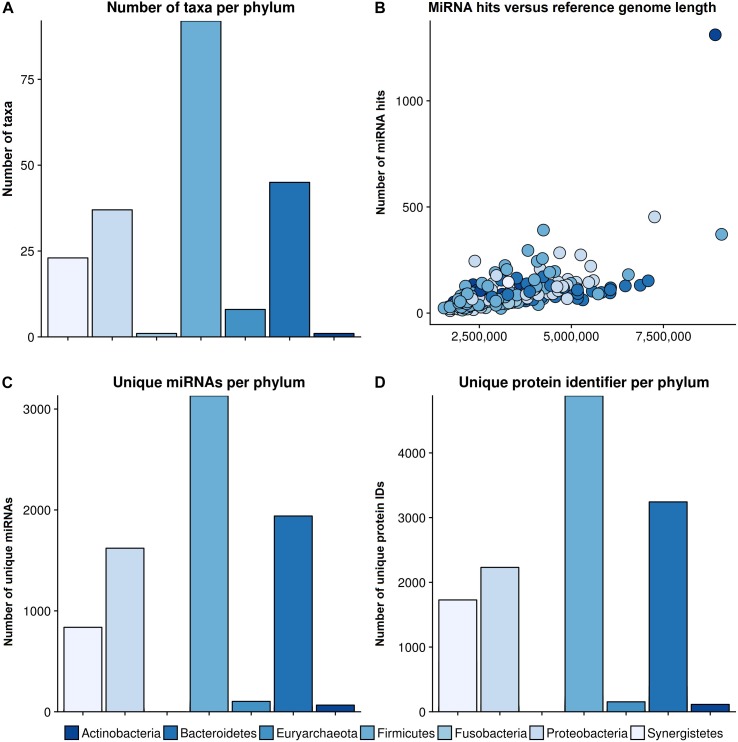
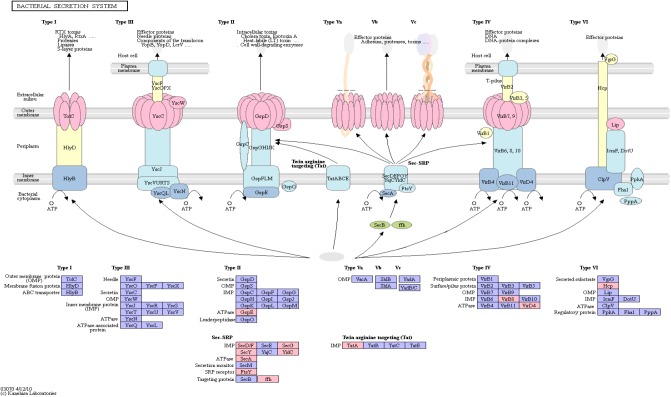
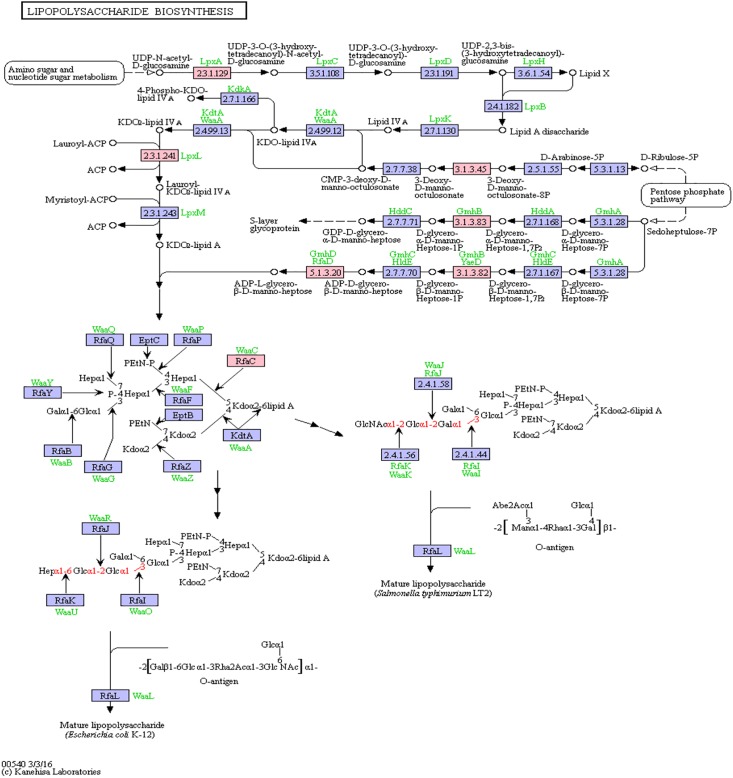
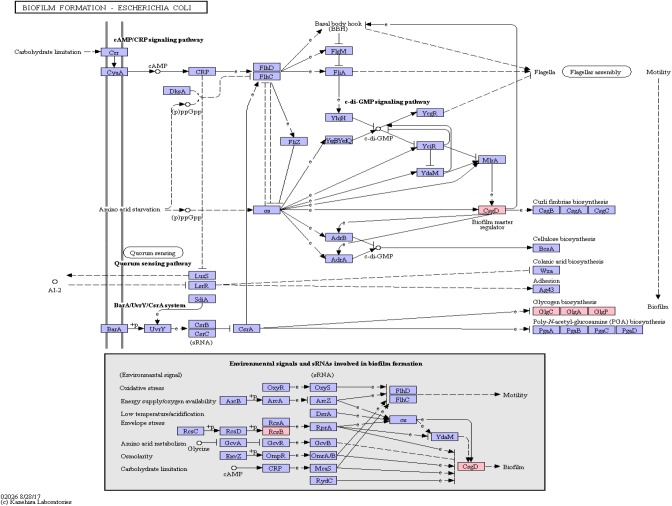
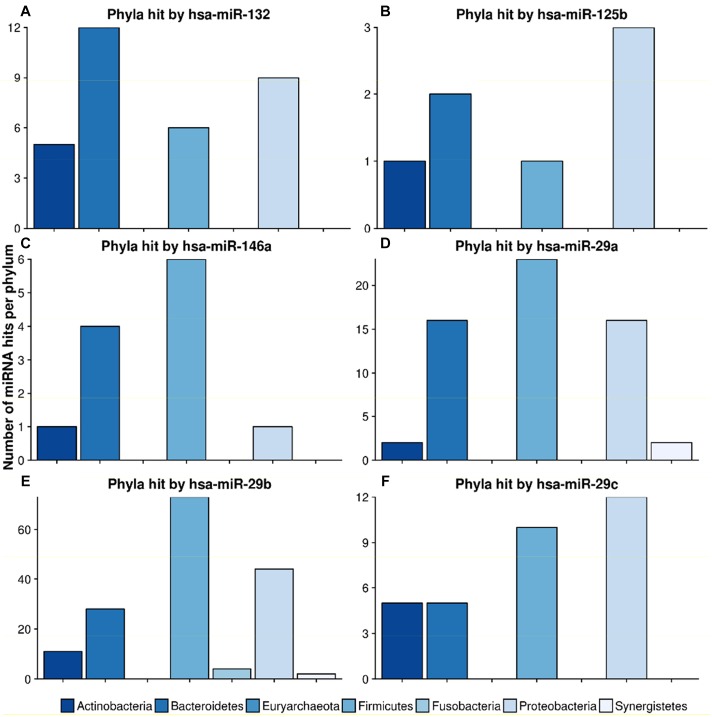
With the rise of Next-Generation-Sequencing (NGS) methods, Micro-RNAs (miRNAs) have achieved an important position in the research landscape and have been found to present valuable diagnostic tools in various diseases such as multiple sclerosis or lung cancer. There is also emerging evidence that miRNAs play an important role in the pathogenesis of neurodegenerative diseases such as Alzheimer's disease (AD) or Parkinson's disease (PD). Apparently, these diseases come along with changes in miRNA expression patterns which led to attempts from researchers to use these small RNA species from several body fluids for a better diagnosis and in order to observe disease progression. Additionally, it became evident that microbial commensals might play an important role for pathology development and were shown to have a significantly different composition in patients suffering from neurodegeneration compared with healthy controls. As it could recently be shown that secreted miRNAs are able to enter microbial organisms, it is conceivable that the host's miRNA might affect the gut microbial ecosystem. As such, miRNAs may inherit a central role in shaping the "diseased microbiome" and thereby mutually act on the characteristics of these neurodegenerative diseases. We have therefore (1) compiled a list of miRNAs known to be associated with AD and/or PD, (2) performed an target screen for binding sites of these miRNA on human gut metagenome sequences and (3) evaluated the hit list for interesting matches potentially relevant to the etiology of AD and or PD. The examination of protein identifiers connected to bacterial secretion system, lipopolysaccharide biosynthesis and biofilm formation revealed an overlap of 37 bacterial proteins that were targeted by human miRNAs. The identified links of miRNAs to the biological processes of bacteria connected to AD and PD have yet to be validated via experiments. However, our results show a promising new approach for understanding aspects of these neurodegenerative diseases in light of the regulation of the microbiome.
随着下一代测序(NGS)方法的兴起,微小RNA(miRNA)在研究领域中占据了重要地位,并已被发现是多种疾病(如多发性硬化症或肺癌)中有价值的诊断工具。也有新证据表明,miRNA在阿尔茨海默病(AD)或帕金森病(PD)等神经退行性疾病的发病机制中起重要作用。显然,这些疾病伴随着miRNA表达模式的变化,这促使研究人员尝试从多种体液中利用这些小RNA物种进行更好的诊断,并观察疾病进展。此外,很明显微生物共生体可能在病理发展中起重要作用,并且与健康对照相比,神经退行性疾病患者的微生物共生体组成有显著差异。最近的研究表明,分泌的miRNA能够进入微生物体内,因此可以推测宿主的miRNA可能会影响肠道微生物生态系统。因此,miRNA可能在塑造“患病微生物群”中起核心作用,从而相互影响这些神经退行性疾病的特征。因此,我们(1)汇编了已知与AD和/或PD相关的miRNA列表,(2)对这些miRNA在人类肠道宏基因组序列上的结合位点进行了靶向筛选,(3)评估了与AD和/或PD病因潜在相关的有趣匹配的命中列表。对与细菌分泌系统、脂多糖生物合成和生物膜形成相关的蛋白质标识符的检查发现,有37种细菌蛋白质被人类miRNA靶向。miRNA与AD和PD相关细菌生物学过程之间已确定的联系尚未通过实验验证。然而,我们的结果显示了一种有前景的新方法,可根据微生物群的调节来理解这些神经退行性疾病的各个方面。