International Centre for Evidence in Disability, London School of Hygiene and Tropical Medicine, Keppel Street, London, UK.
Trans R Soc Trop Med Hyg. 2019 Dec 1;113(12):839-844. doi: 10.1093/trstmh/trz001.
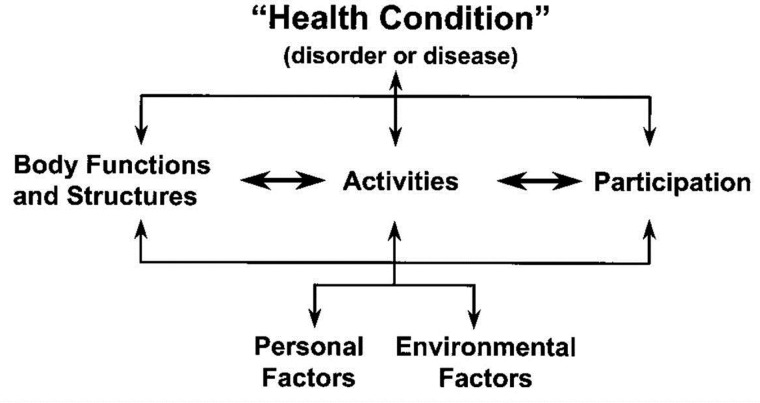
Neglected tropical diseases (NTDs) are a diverse group of infectious conditions that vary in their epidemiology, impact and control. They are among the most common conditions globally, affecting approximately one billion people. Many NTDs have long-term consequences, such as visual and physical impairments. As a result, people with NTDs may have difficulties in carrying out activities or participating in society-in other words, NTDs can cause disabilities. Additionally, NTDs are often strongly linked to stigma and can have mental health consequences. It is therefore important to incorporate rehabilitation within NTD programmes. Rehabilitation can be conceptualized narrowly in terms of the provision of clinical services (e.g. physiotherapy and assistive devices) or, more broadly, including efforts to improve employment, overcome stigma and enhance social participation of people with disabilities. Approximately 15% of the global population has a disability, and this large group must be considered when designing NTD programmes. Improving the inclusion of people with disabilities may require adaptations to NTD programmes, such as making them physically accessible or training staff about disability awareness. Without incorporating disability within NTD programmes, the quality of life of people with NTDs will suffer and global targets for elimination and management of NTDs will not be met.
被忽视的热带病(NTDs)是一组多样化的传染病,其流行病学、影响和控制方式各不相同。它们是全球最常见的疾病之一,影响约 10 亿人。许多 NTDs 会产生长期后果,如视力和身体损伤。因此,患有 NTDs 的人可能在进行活动或参与社会方面存在困难,换句话说,NTDs 会导致残疾。此外,NTDs 通常与耻辱感密切相关,并可能对心理健康产生影响。因此,在 NTD 规划中纳入康复措施非常重要。康复可以狭义地理解为提供临床服务(例如物理疗法和辅助器具),或者更广泛地包括努力改善残疾人的就业、克服耻辱感和增强其社会参与度。全球约有 15%的人口有残疾,在设计 NTD 规划时必须考虑到这一庞大群体。要提高残疾人的包容性,可能需要对 NTD 规划进行调整,例如使规划在身体上具有可及性,或培训工作人员了解残疾问题。如果不在 NTD 规划中纳入残疾问题,NTD 患者的生活质量将会受到影响,全球消除和管理 NTDs 的目标也将无法实现。