Department of Orthodontics, School of Dentistry, Aichi Gakuin University, Nagoya, Japan.
Department of Internal Medicine, School of Dentistry, Aichi Gakuin University, Nagoya, Japan.
J Diabetes Investig. 2019 Sep;10(5):1199-1208. doi: 10.1111/jdi.13045. Epub 2019 Apr 23.
AIMS/INTRODUCTION: Dental pulp stem cells (DPSCs) can be easily obtained from teeth for general orthodontic reasons. We have previously reported the therapeutic effects of DPSC transplantation for diabetic polyneuropathy. As abundant secretomes from DPSCs are considered to play a central role in the improvement of diabetic polyneuropathy, we investigated whether direct injection of DPSC-conditioned media (DPSC-CM) into hindlimb skeletal muscles ameliorates diabetic polyneuropathy in diabetic rats.
DPSCs were isolated from the dental pulp of Sprague-Dawley rats. Eight weeks after the induction of diabetes, DPSC-CM was injected into the unilateral hindlimb skeletal muscles in both normal and diabetic rats. The effects of DPSC-CM on diabetic polyneuropathy were assessed 4 weeks after DPSC-CM injection. To confirm the angiogenic effect of DPSC-CM, the effect of DPSC-CM on cultured human umbilical vascular endothelial cell proliferation was investigated.
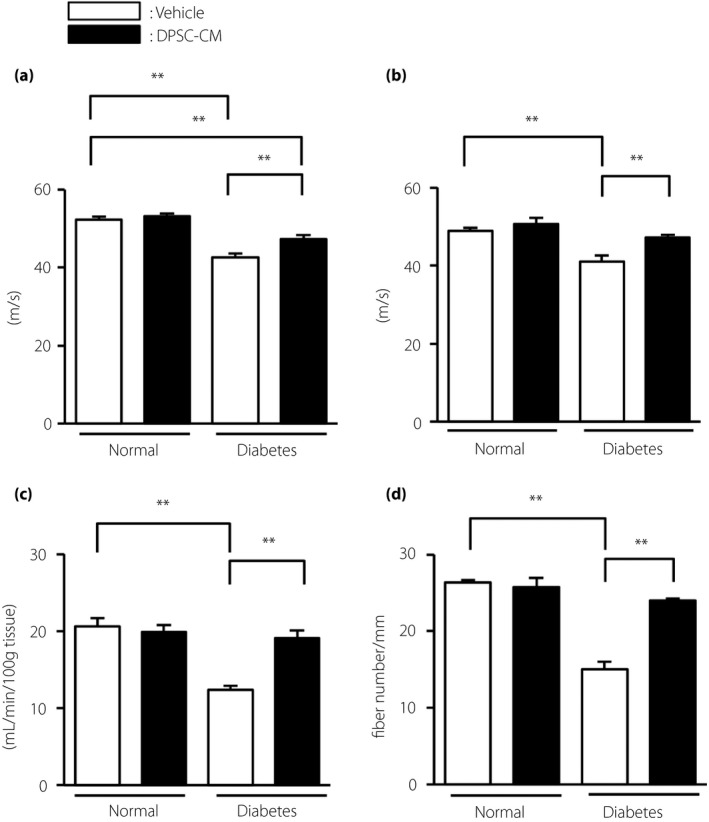
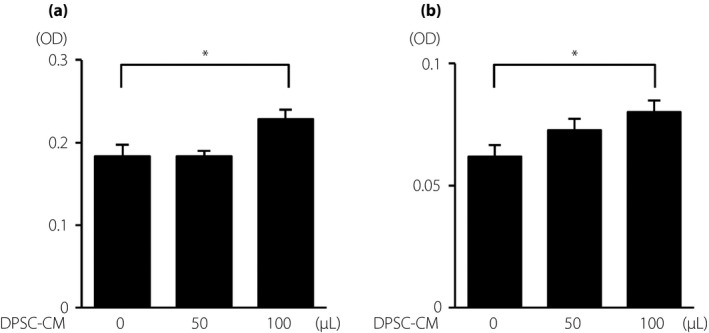
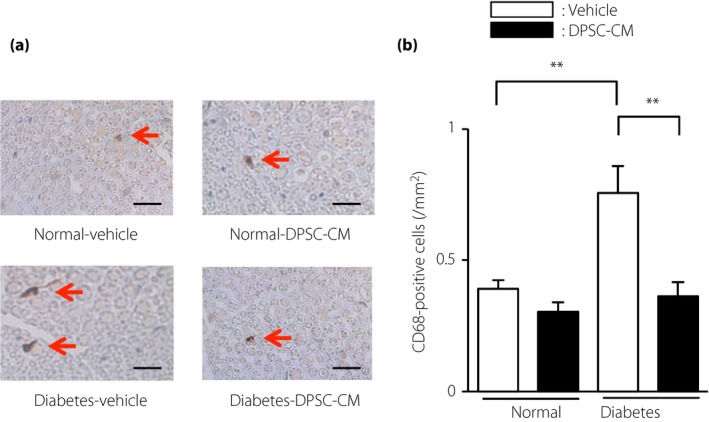
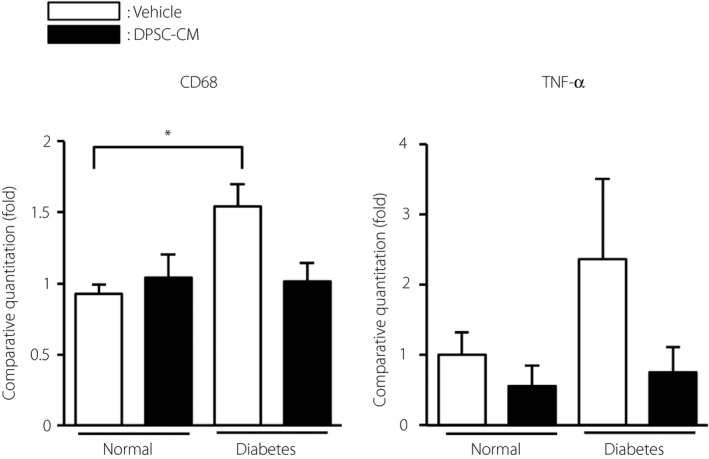
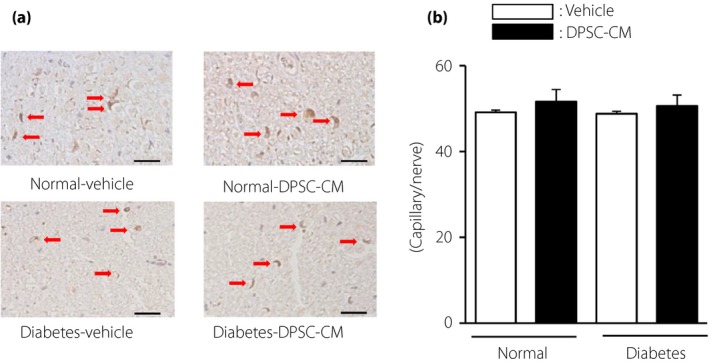
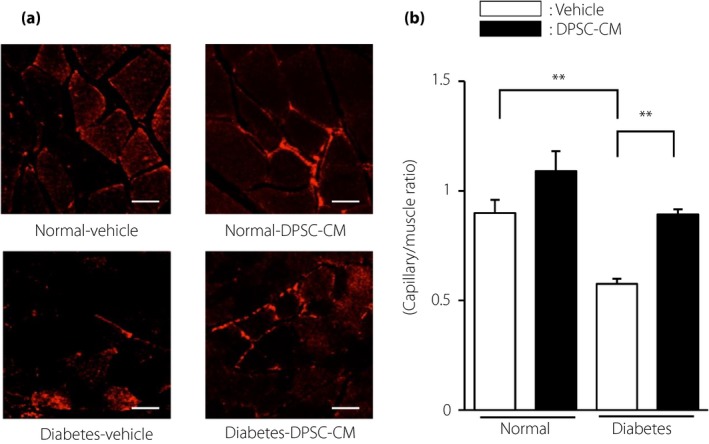
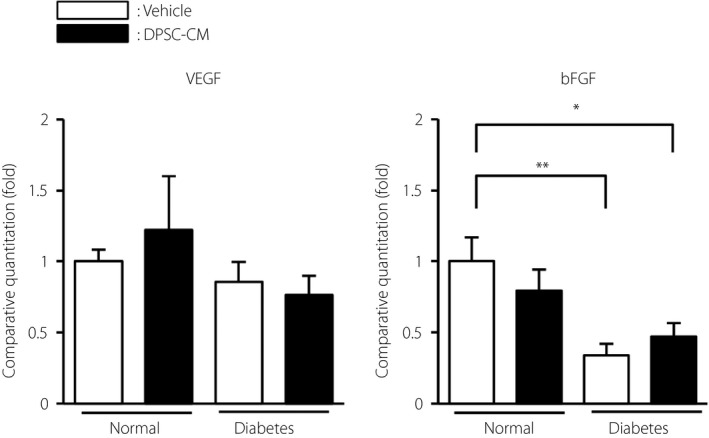
The administration of DPSC-CM into the hindlimb skeletal muscles significantly ameliorated sciatic motor/sensory nerve conduction velocity, sciatic nerve blood flow and intraepidermal nerve fiber density in the footpads of diabetic rats. We also showed that DPSC-CM injection significantly increased the capillary density of the skeletal muscles, and suppressed pro-inflammatory reactions in the sciatic nerves of diabetic rats. Furthermore, an in vitro study showed that DPSC-CM significantly increased the proliferation of umbilical vascular endothelial cells.
We showed that DPSC-CM injection into hindlimb skeletal muscles has a therapeutic effect on diabetic polyneuropathy through neuroprotective, angiogenic and anti-inflammatory actions. DPSC-CM could be a novel cell-free regenerative medicine treatment for diabetic polyneuropathy.
目的/引言:牙髓干细胞(DPSCs)可因一般正畸原因从牙齿中轻易获得。我们之前曾报道过 DPSC 移植治疗糖尿病多发性神经病的疗效。由于 DPSCs 的丰富分泌组被认为在改善糖尿病多发性神经病中发挥核心作用,因此我们研究了将 DPSC 条件培养基(DPSC-CM)直接注射到后肢骨骼肌是否能改善糖尿病大鼠的糖尿病多发性神经病。
从 Sprague-Dawley 大鼠的牙髓中分离 DPSCs。在糖尿病诱导 8 周后,将 DPSC-CM 注射到正常和糖尿病大鼠的单侧后肢骨骼肌中。在 DPSC-CM 注射后 4 周评估 DPSC-CM 对糖尿病多发性神经病的影响。为了证实 DPSC-CM 的血管生成作用,研究了 DPSC-CM 对培养的人脐静脉内皮细胞增殖的影响。
将 DPSC-CM 注入后肢骨骼肌可显著改善糖尿病大鼠坐骨运动/感觉神经传导速度、坐骨神经血流量和足底表皮内神经纤维密度。我们还表明,DPSC-CM 注射可显著增加骨骼肌的毛细血管密度,并抑制糖尿病大鼠坐骨神经中的促炎反应。此外,体外研究表明,DPSC-CM 可显著增加脐静脉内皮细胞的增殖。
我们表明,DPSC-CM 注射到后肢骨骼肌中通过神经保护、血管生成和抗炎作用对糖尿病多发性神经病具有治疗作用。DPSC-CM 可能是一种新型的无细胞再生医学治疗糖尿病多发性神经病的方法。