J Med Chem. 2019 Apr 25;62(8):4074-4090. doi: 10.1021/acs.jmedchem.9b00115. Epub 2019 Apr 3.
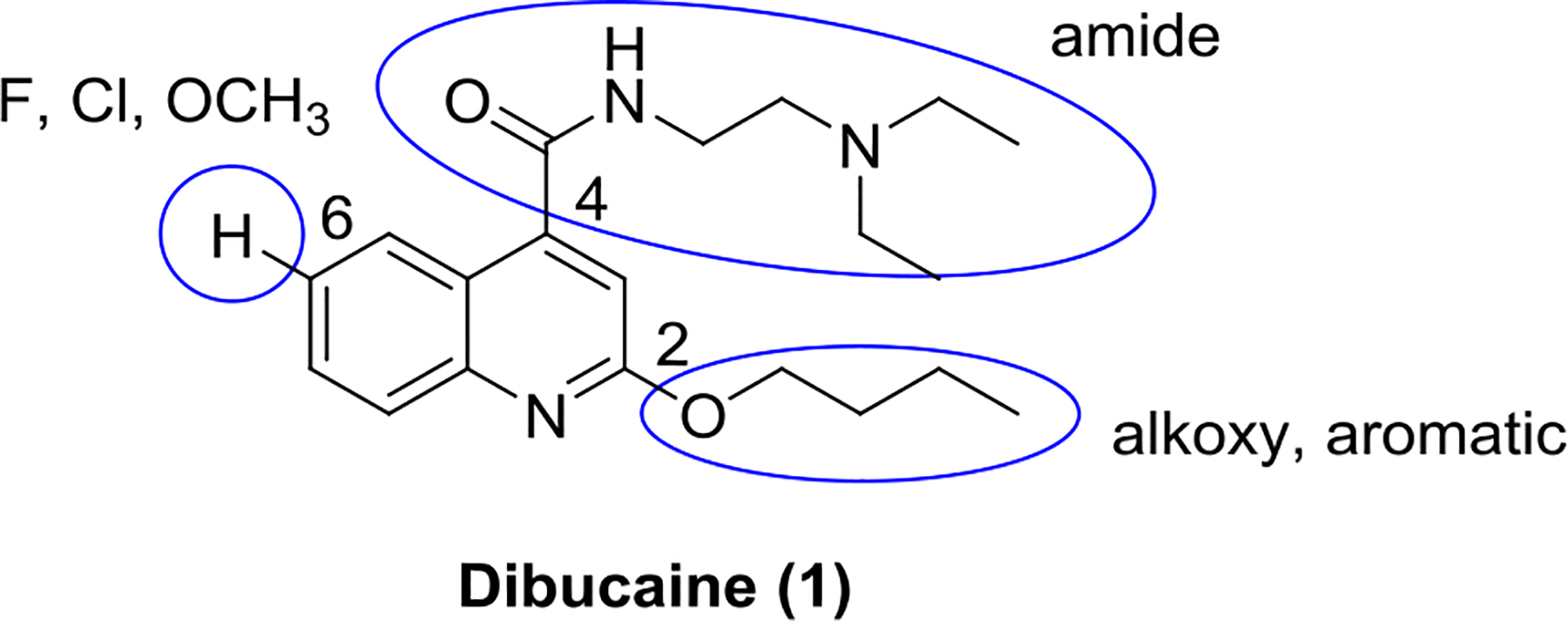
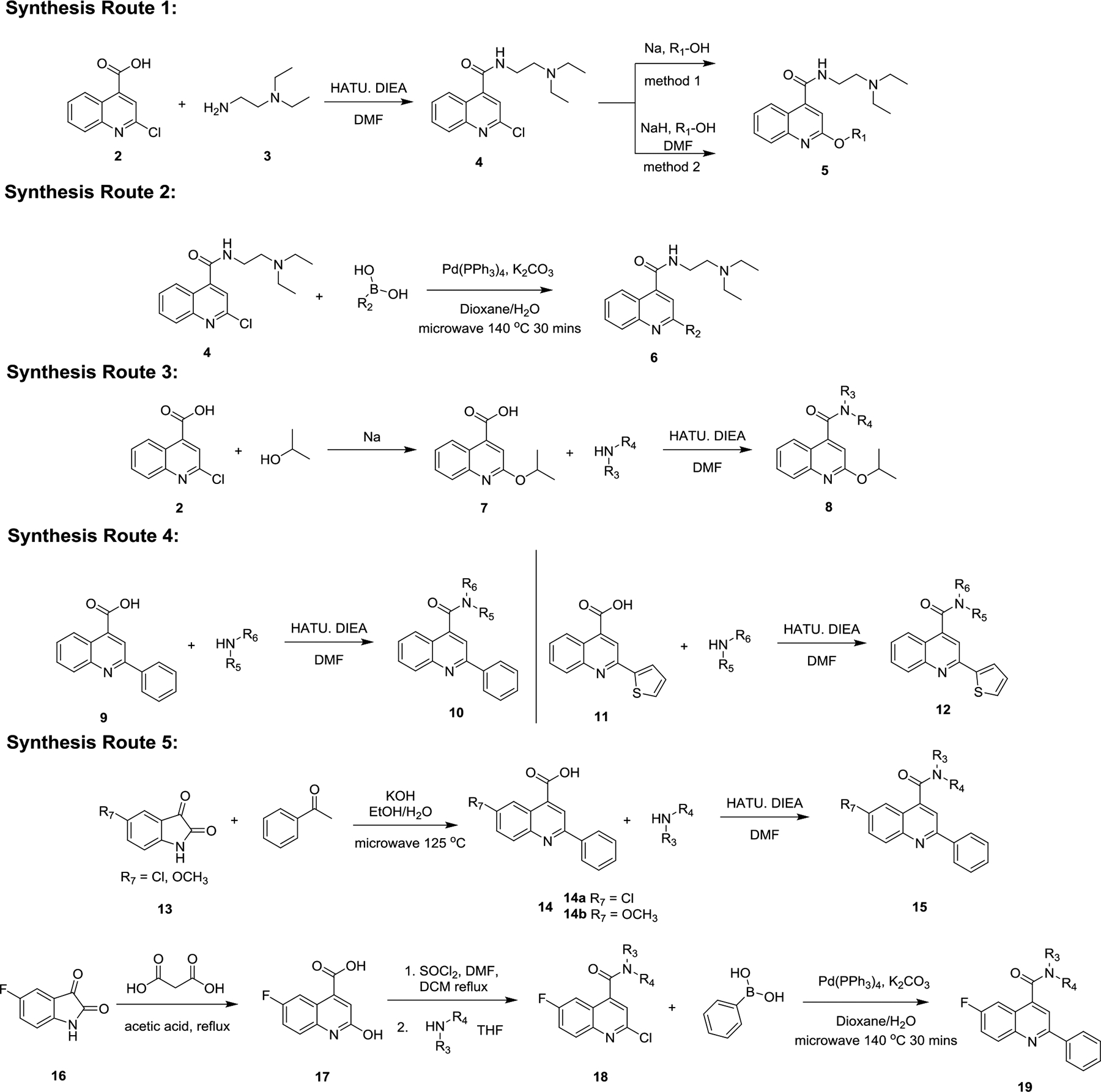
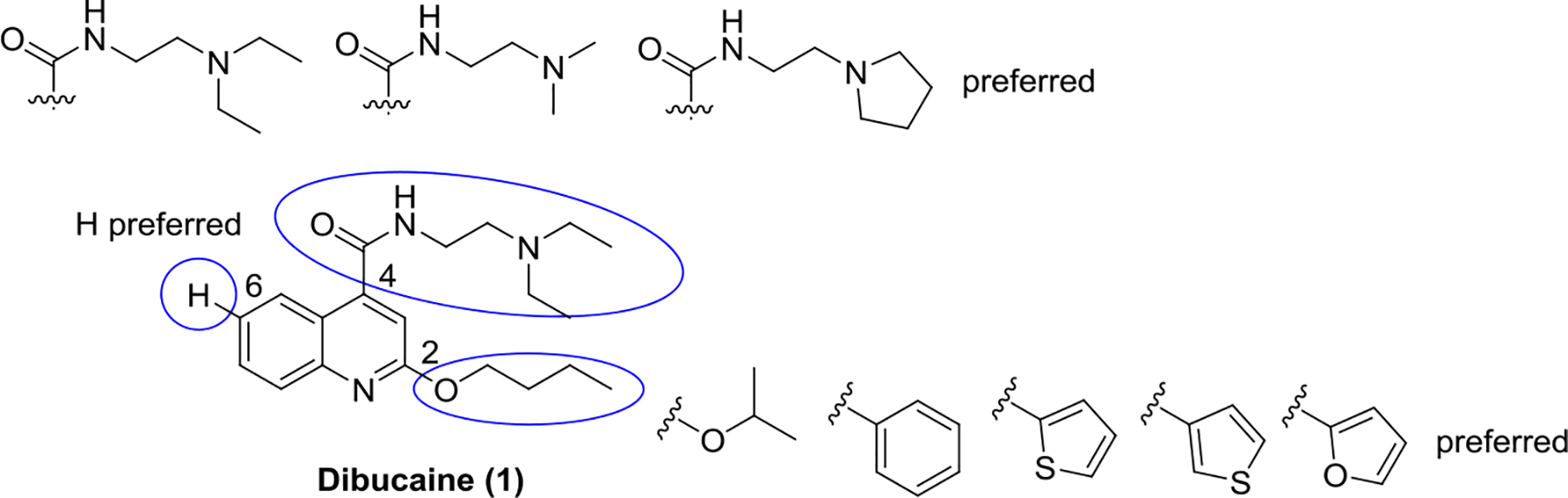
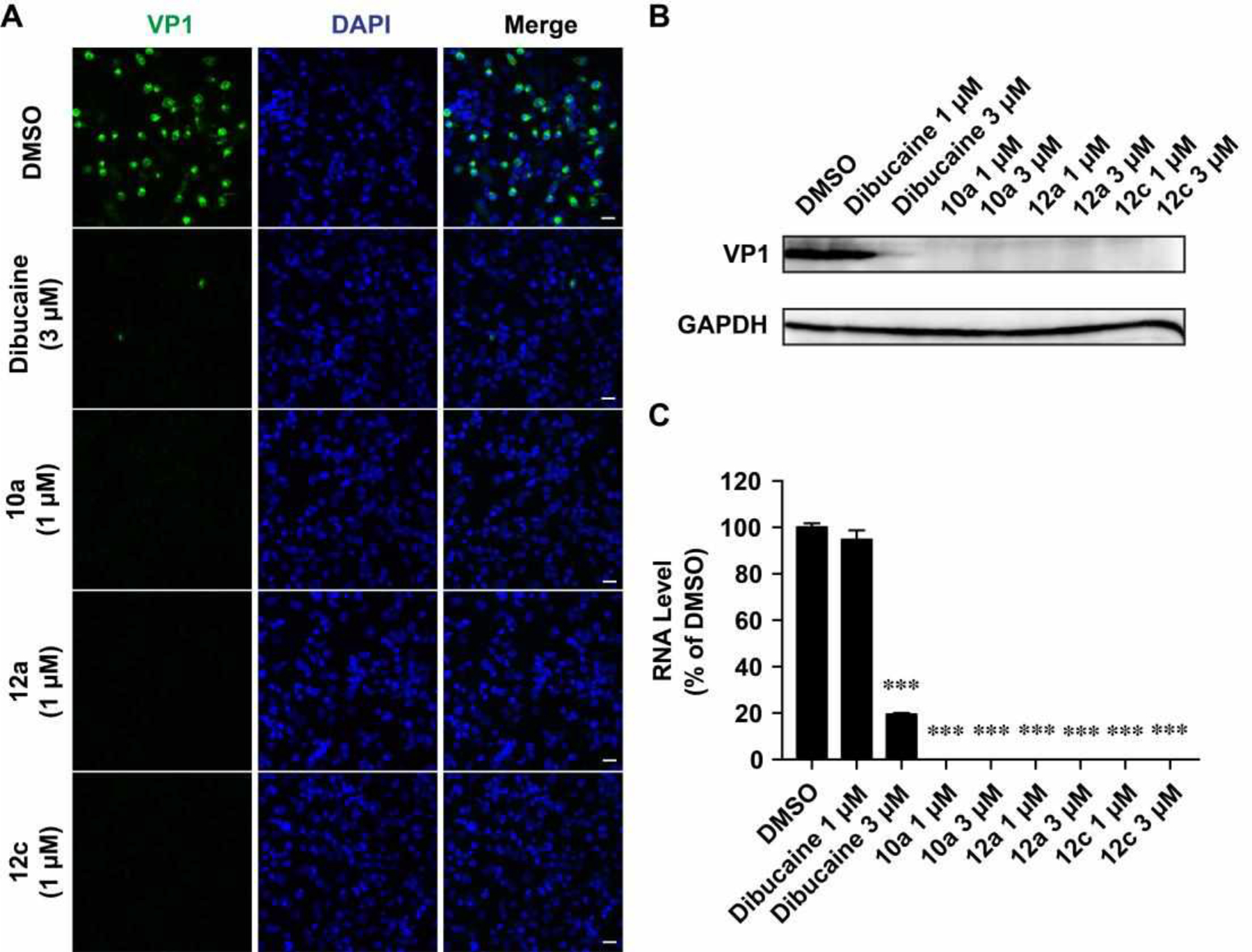
Enterovirus D68 (EV-D68) is an atypical nonpolio enterovirus that mainly infects the respiratory system of humans, leading to moderate-to-severe respiratory diseases. In rare cases, EV-D68 can spread to the central nervous system and cause paralysis in infected patients, especially young children and immunocompromised individuals. There is currently no approved vaccine or antiviral available for the prevention and treatment of EV-D68. In this study, we aimed to improve the antiviral potency and selectivity of a previously reported EV-D68 inhibitor, dibucaine, through structure-activity relationship studies. In total, 60 compounds were synthesized and tested against EV-D68 using the viral cytopathic effect assay. Three compounds 10a, 12a, and 12c were identified to have significantly improved potency (EC < 1 μM) and a high selectivity index (>180) compared with dibucaine against five different strains of EV-D68 viruses. These compounds also showed potent antiviral activity in neuronal cells, such as A172 and SH-SY5Y cells, suggesting they might be further developed for the treatment of both respiratory infection as well as neuronal infection.
肠道病毒 D68(EV-D68)是一种非典型的非脊髓灰质炎肠道病毒,主要感染人类的呼吸系统,导致中度至重度呼吸道疾病。在极少数情况下,EV-D68 可传播到中枢神经系统,使感染患者瘫痪,尤其是幼儿和免疫功能低下者。目前尚无针对 EV-D68 的预防和治疗的批准疫苗或抗病毒药物。在这项研究中,我们旨在通过构效关系研究,提高先前报道的 EV-D68 抑制剂丁卡因的抗病毒效力和选择性。共合成了 60 种化合物,并通过病毒细胞病变效应测定法对 EV-D68 进行了测试。与丁卡因相比,三种化合物 10a、12a 和 12c 对五种不同株 EV-D68 病毒具有显著提高的效力(EC<1 μM)和高选择性指数(>180)。这些化合物在神经元细胞(如 A172 和 SH-SY5Y 细胞)中也表现出很强的抗病毒活性,表明它们可能进一步开发用于治疗呼吸道感染和神经元感染。