Protein and Nucleic Acid Chemistry Division, Medical Research Council, Laboratory of Molecular Biology, Cambridge CB2 0QH, UK.
Centre for Immune Regulation (CIR) and Department of Biosciences, University of Oslo, Oslo N-0316, Norway; CIR and Department of Immunology, Rikshospitalet, Oslo University Hospital, Oslo N-0372, Norway; Department of Pharmacology, Institute of Clinical Medicine, University of Oslo and Oslo University Hospital, Oslo N-0372, Norway.
Cell Host Microbe. 2019 Apr 10;25(4):617-629.e7. doi: 10.1016/j.chom.2019.02.016. Epub 2019 Mar 26.
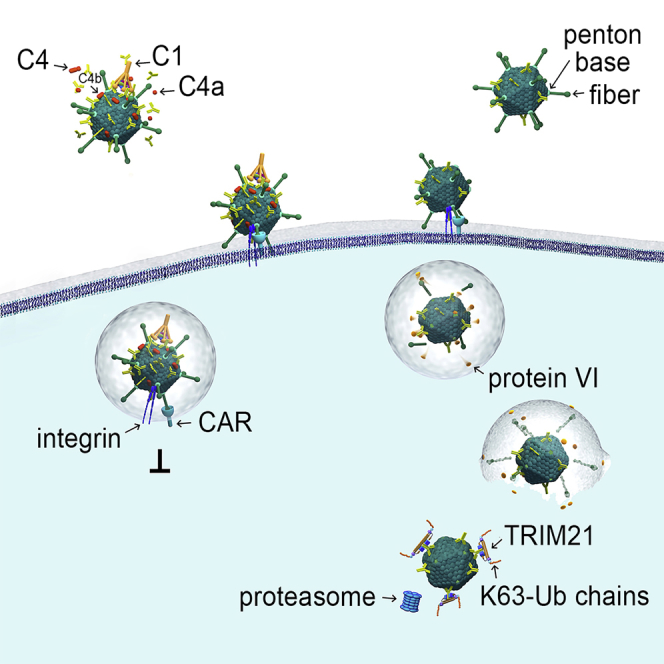
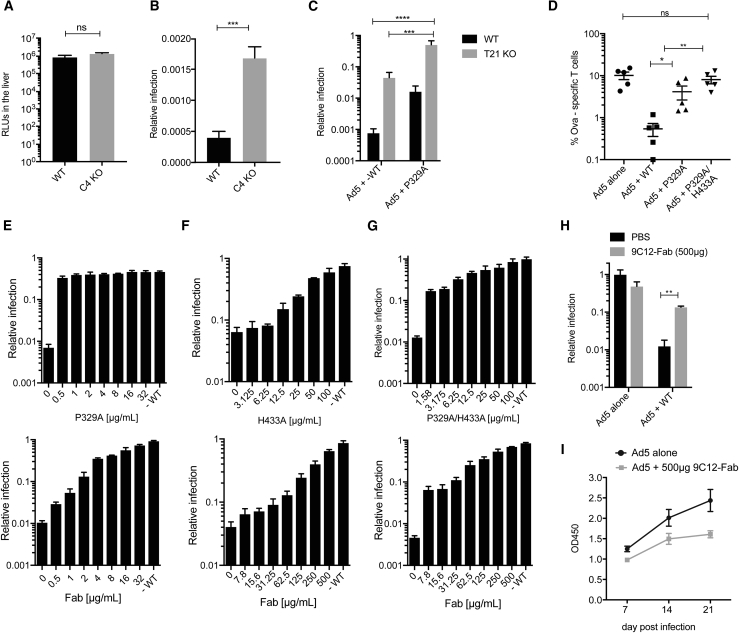
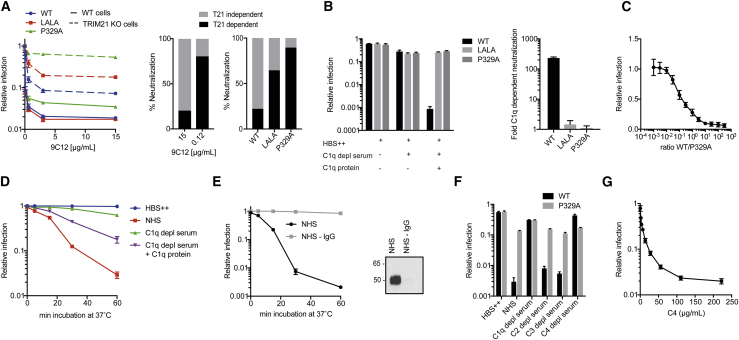
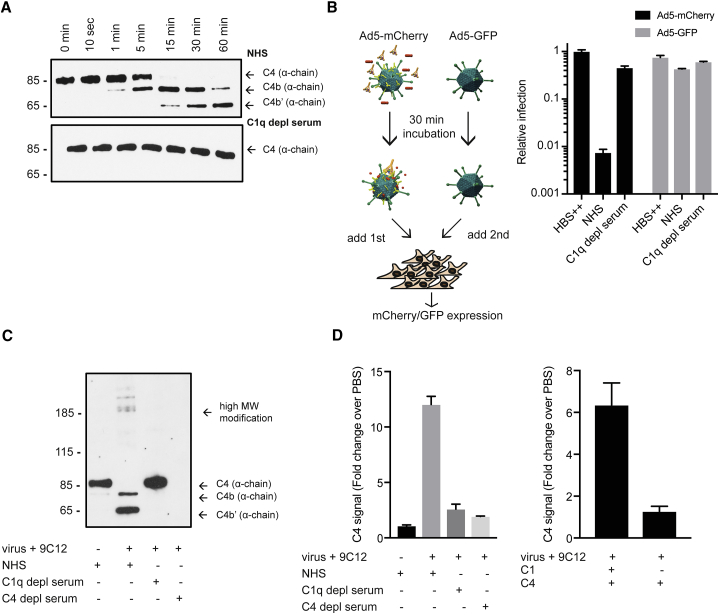
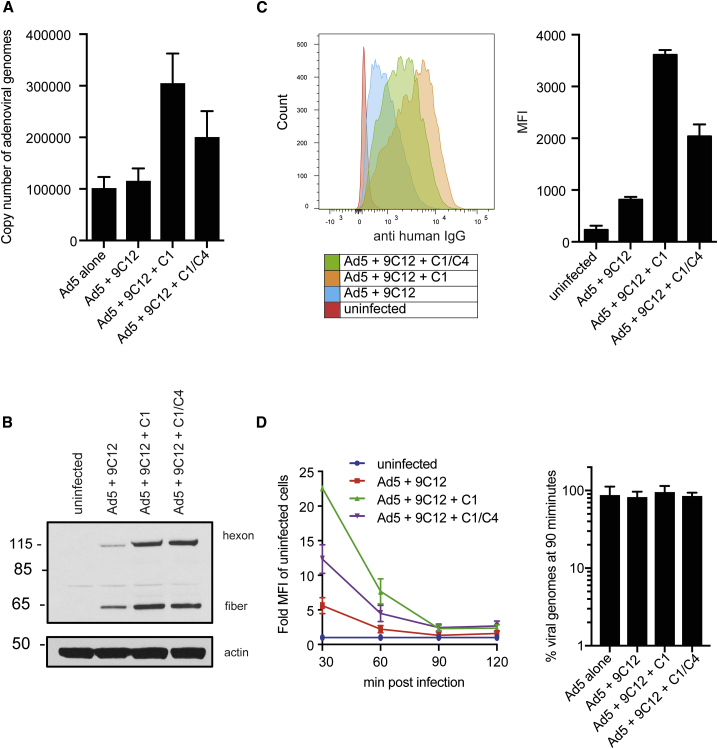
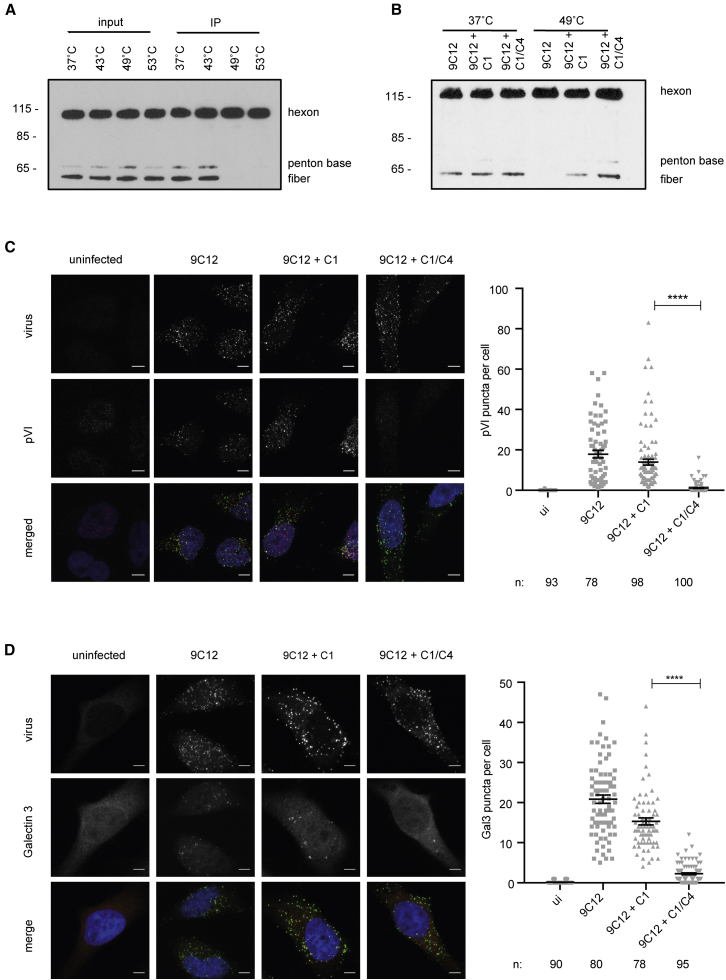
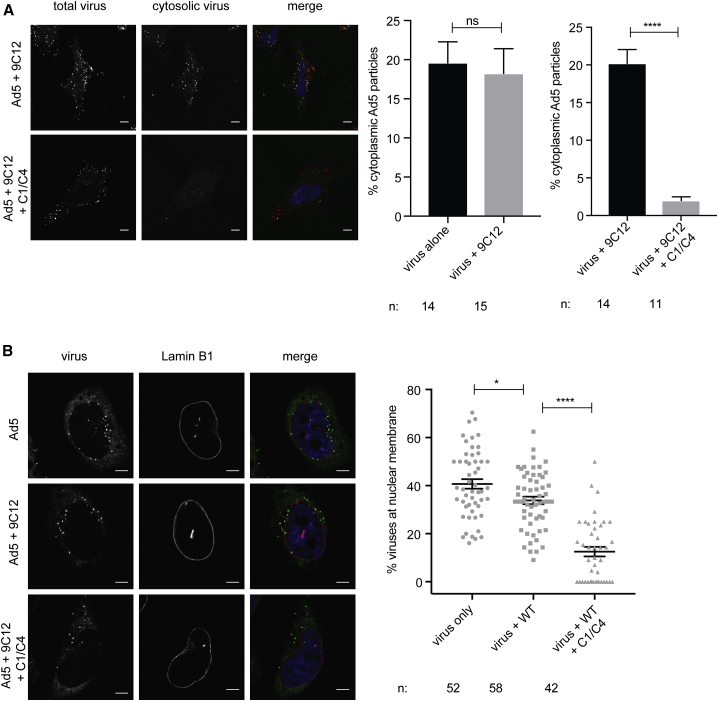
The complement system is vital for anti-microbial defense. In the classical pathway, pathogen-bound antibody recruits the C1 complex (C1qC1rC1s) that initiates a cleavage cascade involving C2, C3, C4, and C5 and triggering microbial clearance. We demonstrate a C4-dependent antiviral mechanism that is independent of downstream complement components. C4 inhibits human adenovirus infection by directly inactivating the virus capsid. Rapid C4 activation and capsid deposition of cleaved C4b are catalyzed by antibodies via the classical pathway. Capsid-deposited C4b neutralizes infection independent of C2 and C3 but requires C1q antibody engagement. C4b inhibits capsid disassembly, preventing endosomal escape and cytosolic access. C4-deficient mice exhibit heightened viral burdens. Additionally, complement synergizes with the Fc receptor TRIM21 to block transduction by an adenovirus gene therapy vector but is partially restored by Fab virus shielding. These results suggest that the complement system could be altered to prevent virus infection and enhance virus gene therapy efficacy.
补体系统对于抗微生物防御至关重要。在经典途径中,与病原体结合的抗体募集 C1 复合物(C1qC1rC1s),从而引发涉及 C2、C3、C4 和 C5 的裂解级联反应,触发微生物清除。我们证明了一种依赖于 C4 的抗病毒机制,该机制独立于下游补体成分。C4 通过直接使病毒衣壳失活来抑制人类腺病毒感染。抗体通过经典途径快速激活 C4 和切割的 C4b 衣壳沉积。衣壳沉积的 C4b 无需 C2 和 C3 即可中和感染,但需要 C1q 抗体的参与。C4b 抑制衣壳解体,防止内体逃逸和胞质进入。C4 缺陷小鼠表现出更高的病毒载量。此外,补体与 Fc 受体 TRIM21 协同作用阻止腺病毒基因治疗载体的转导,但通过 Fab 病毒屏蔽部分恢复。这些结果表明,可以改变补体系统以防止病毒感染并提高病毒基因治疗的效果。