Department of Gastroenterology and Hepatology, Erasmus MC-University Medical Centre, Rotterdam, Netherlands.
Department of Surgery, Erasmus MC-University Medical Centre, Rotterdam, Netherlands.
Front Immunol. 2019 Mar 14;10:441. doi: 10.3389/fimmu.2019.00441. eCollection 2019.
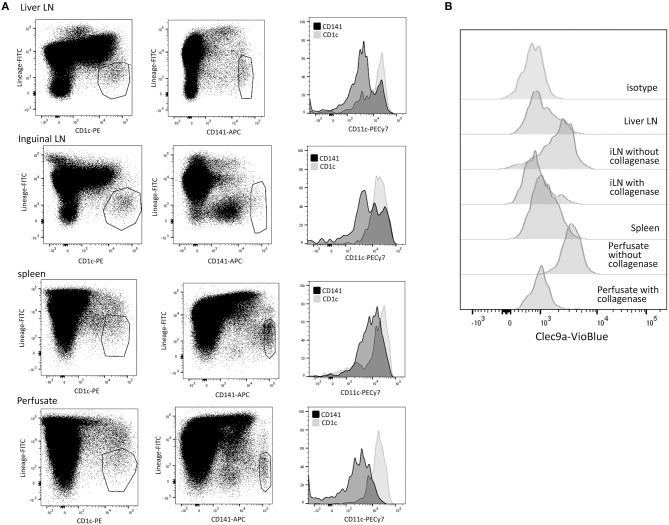
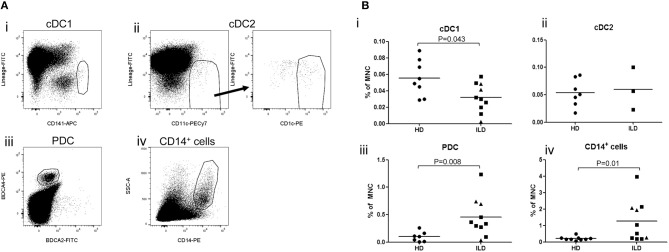
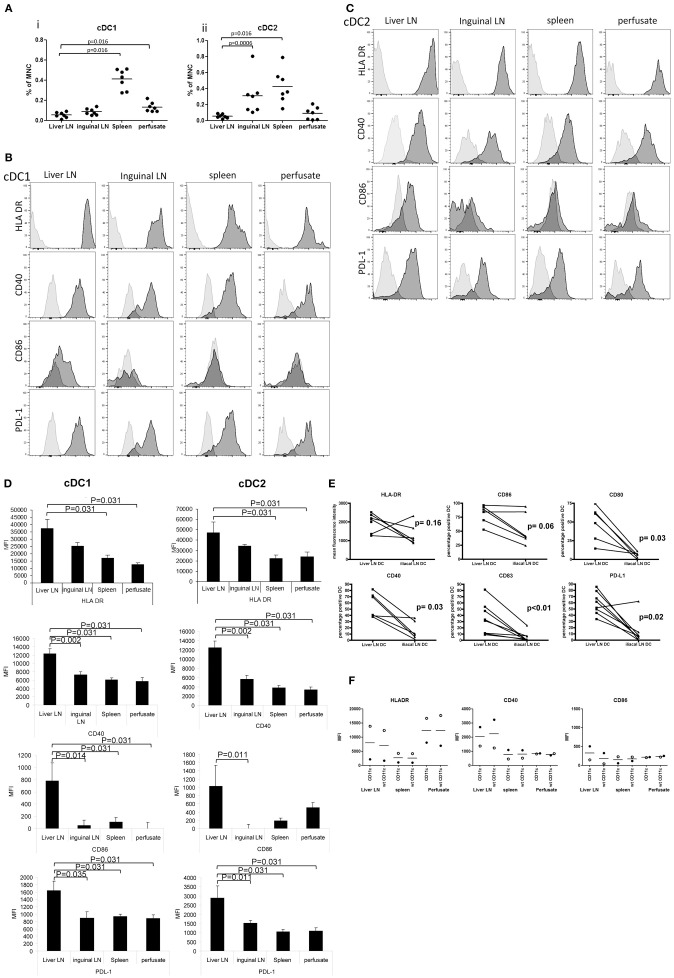
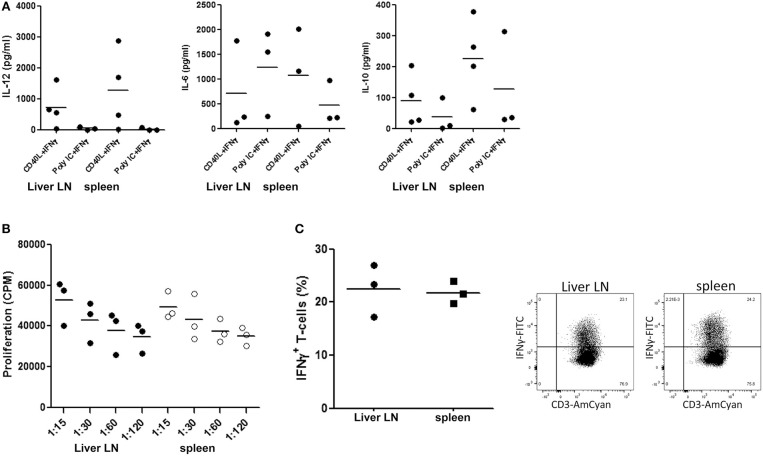
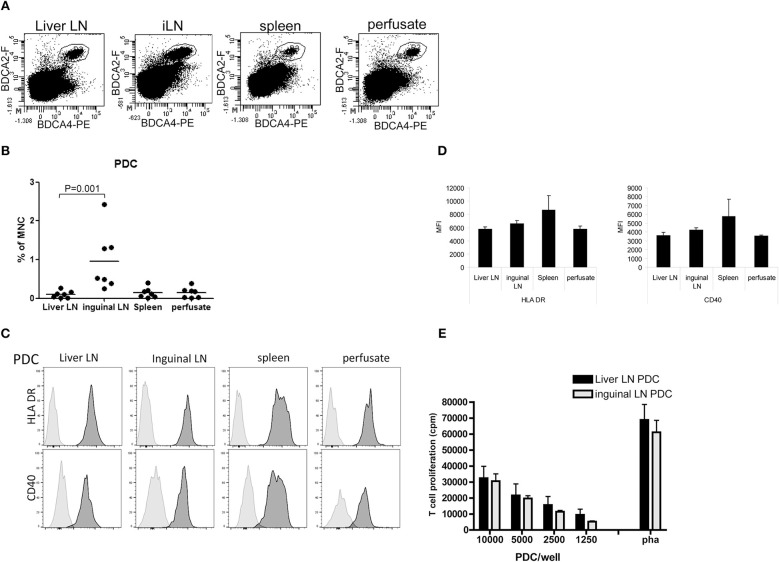
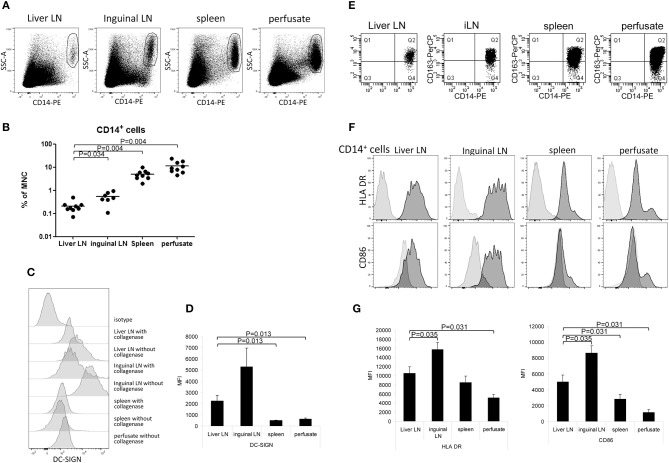
T-cell immunity in the liver is tightly regulated to prevent chronic liver inflammation in response to antigens and toxins derived from food and intestinal bacterial flora. Since the main sites of T cell activation in response to foreign components entering solid tissues are the draining lymph nodes (LN), we aimed to study whether Antigen-Presenting Cell (APC) subsets in human liver lymph-draining LN show features that may contribute to the immunologically tolerant liver environment. Healthy liver LN, iliac LN, spleen and liver perfusates were obtained from multi-organ donors, while diseased liver LN were collected from explanted patient livers. Inguinal LN were obtained from kidney transplant recipients. Mononuclear cells were isolated from fresh tissues, and immunophenotypic and functional characteristics of APC subsets were studied using flowcytometry and in cultures. Healthy liver-draining LN contained significantly lower relative numbers of CD1c conventional dendritic cells (cDC2), plasmacytoid DC (PDC), and CD14CD163DC-SIGN macrophages (MF) compared to inguinal LN. Compared to spleen, both types of LN contained low relative numbers of CD141 cDC1. Both cDC subsets in liver LN showed a more activated/mature immunophenotype than those in inguinal LN, iliacal LN, spleen and liver tissue. Despite their more mature status, cDC2 isolated from hepatic LN displayed similar cytokine production capacity (IL-10, IL-12, and IL-6) and allogeneic T cell stimulatory capacity as their counterparts from spleen. Liver LN from patients with inflammatory liver diseases showed a further reduction of cDC1, but had increased relative numbers of PDC and MF. In steady state conditions human liver LN contain relatively low numbers of cDC2, PDC, and macrophages, and relative numbers of cDC1 in liver LN decline during liver inflammation. The paucity of cDC in liver LN may contribute to immune tolerance in the liver environment.
T 细胞免疫在肝脏中受到严格调控,以防止针对来自食物和肠道细菌菌群的抗原和毒素的慢性肝脏炎症。由于 T 细胞对进入实体组织的外来成分的激活的主要部位是引流淋巴结 (LN),我们旨在研究人类肝脏引流 LN 中的抗原呈递细胞 (APC) 亚群是否具有可能有助于免疫耐受肝脏环境的特征。从多器官供体中获得健康的肝 LN、髂 LN、脾和肝灌流液,而从切除的患者肝脏中收集病变的肝 LN。从肾移植受者中获得腹股沟 LN。从新鲜组织中分离单核细胞,并使用流式细胞术和培养研究 APC 亚群的免疫表型和功能特征。与腹股沟 LN 相比,健康的肝引流 LN 中 CD1c 传统树突状细胞 (cDC2)、浆细胞样树突状细胞 (PDC) 和 CD14CD163DC-SIGN 巨噬细胞 (MF) 的相对数量明显较低。与脾相比,两种类型的 LN 中 CD141 cDC1 的相对数量都较低。肝 LN 中的两种 cDC 亚群均表现出比腹股沟 LN、髂 LN、脾和肝组织中的更成熟的免疫表型。尽管它们的状态更成熟,但从肝 LN 分离的 cDC2 显示出与从脾中分离的 cDC2 相似的细胞因子产生能力 (IL-10、IL-12 和 IL-6) 和同种异体 T 细胞刺激能力。患有炎症性肝病的患者的肝 LN 显示 cDC1 的进一步减少,但 PDC 和 MF 的相对数量增加。在稳态条件下,人肝 LN 中相对较少的 cDC2、PDC 和巨噬细胞,并且肝 LN 中的 cDC1 数量在肝炎症期间下降。肝 LN 中 cDC 的缺乏可能有助于肝脏环境中的免疫耐受。