Special Lab Primate Neurobiology, Leibniz Institute for Neurobiology, Magdeburg, Germany.
Center for Behavioral Brain Sciences, Otto-von-Guericke-University, Magdeburg, Germany.
Elife. 2019 Apr 4;8:e43281. doi: 10.7554/eLife.43281.
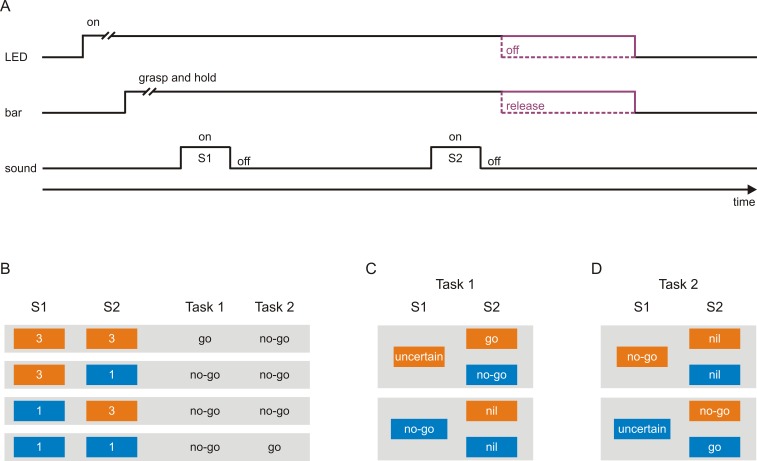
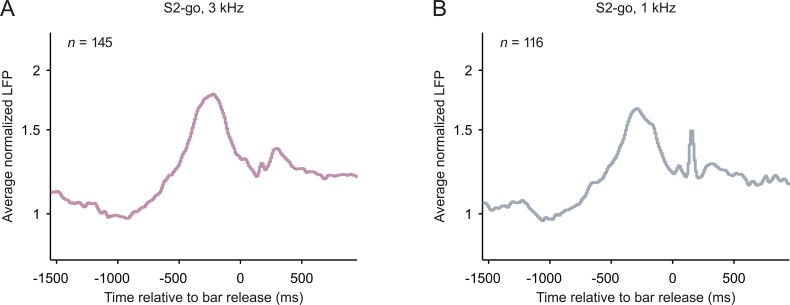
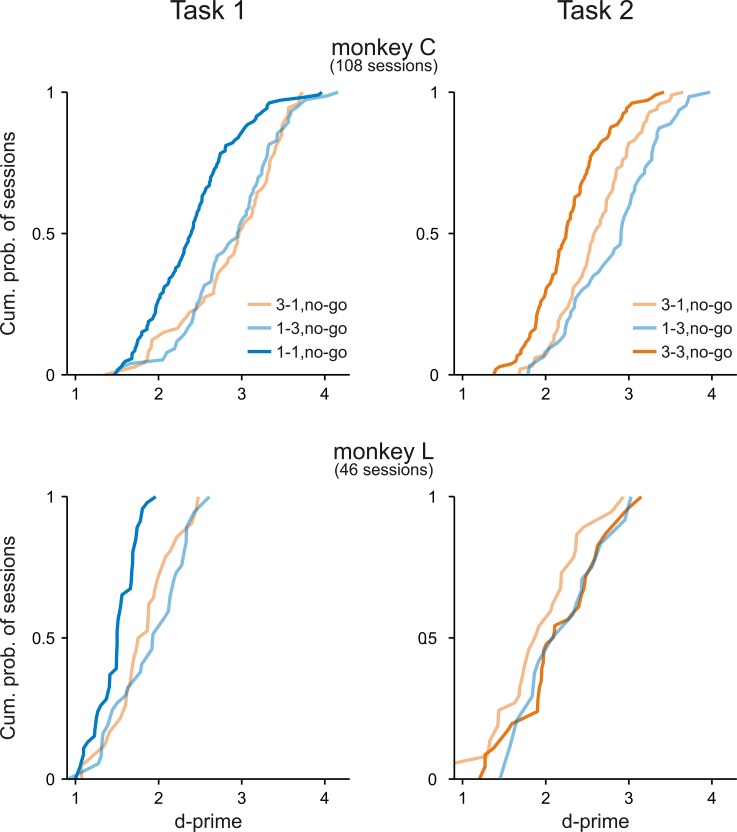
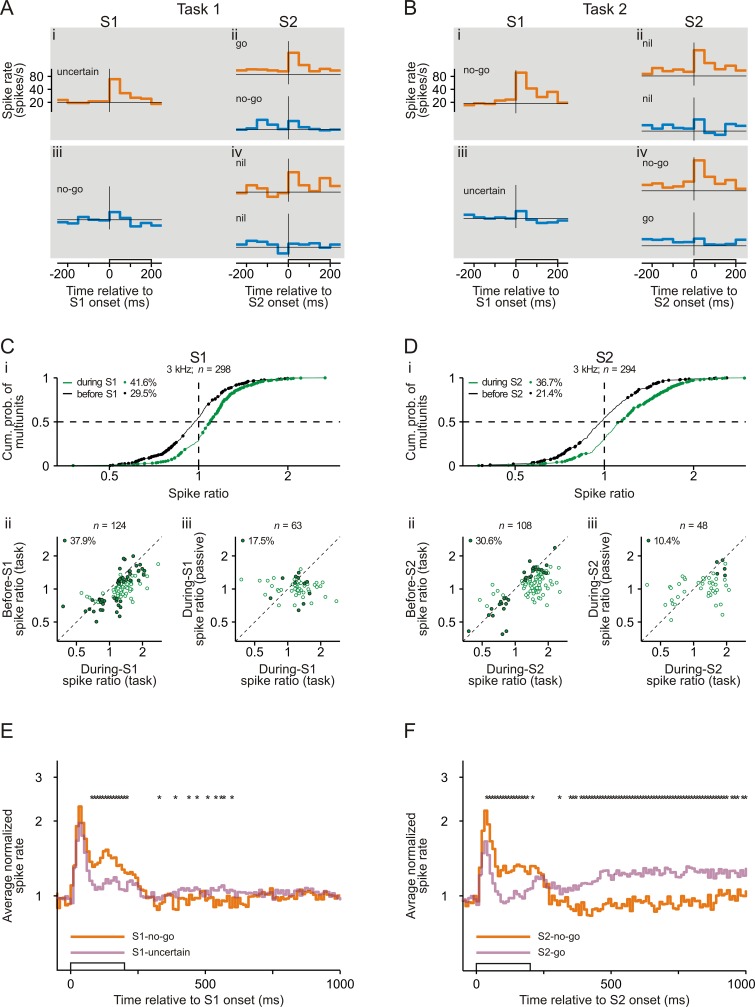
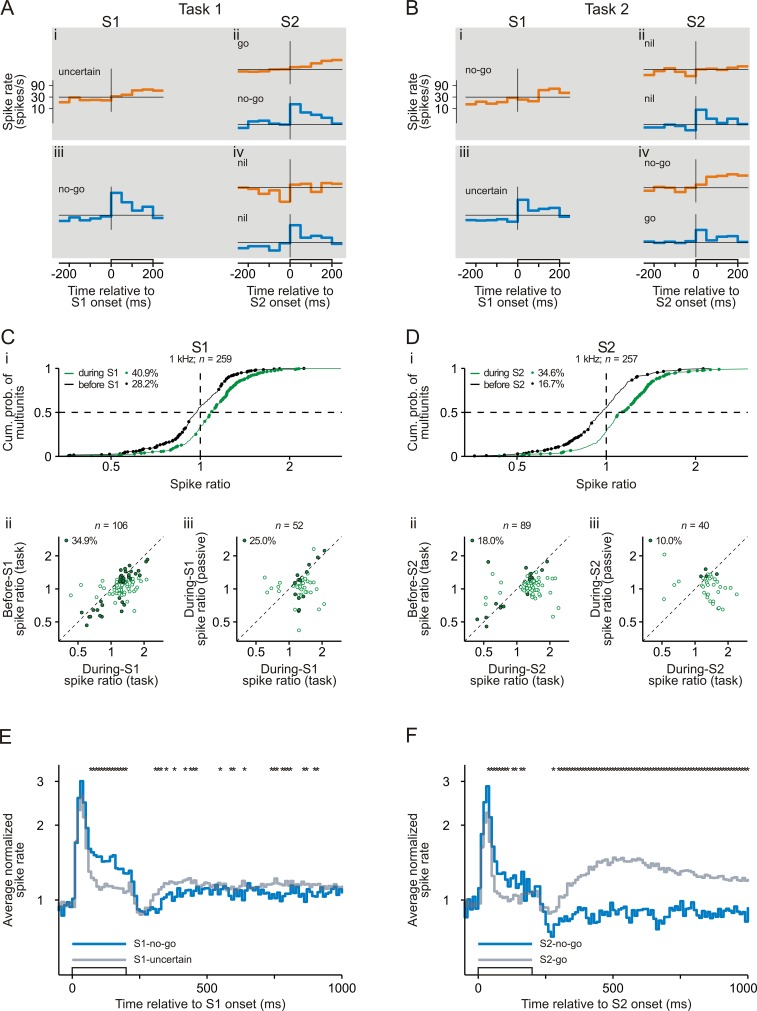
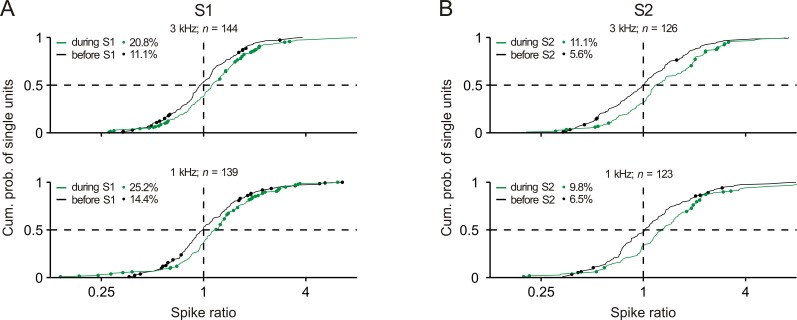
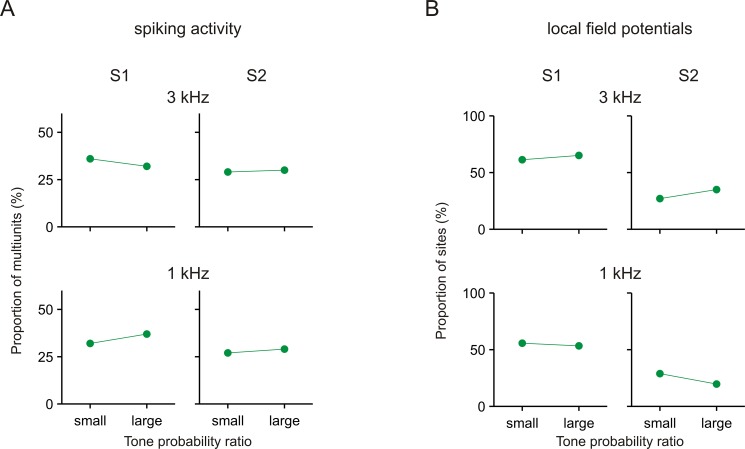
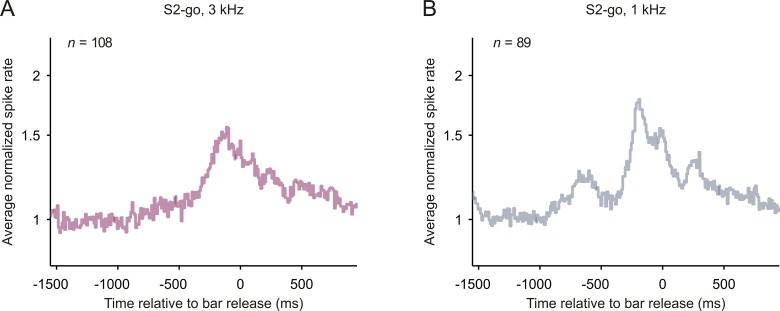
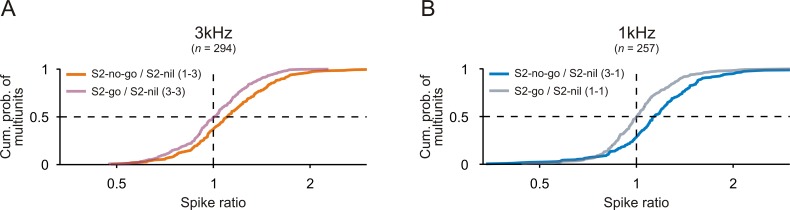
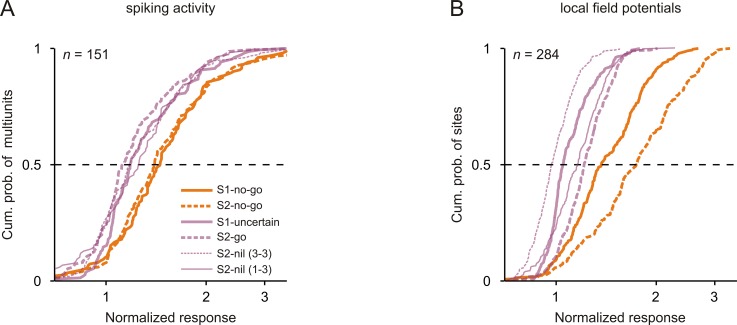
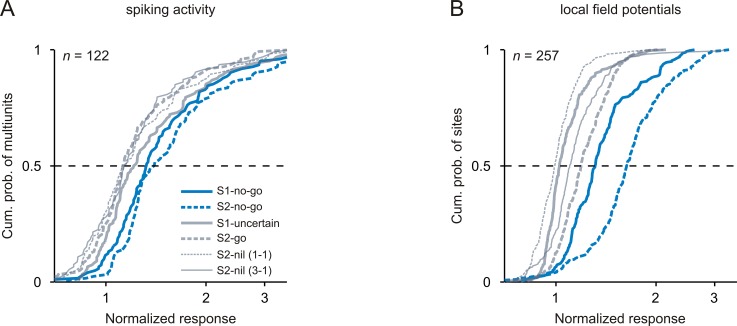
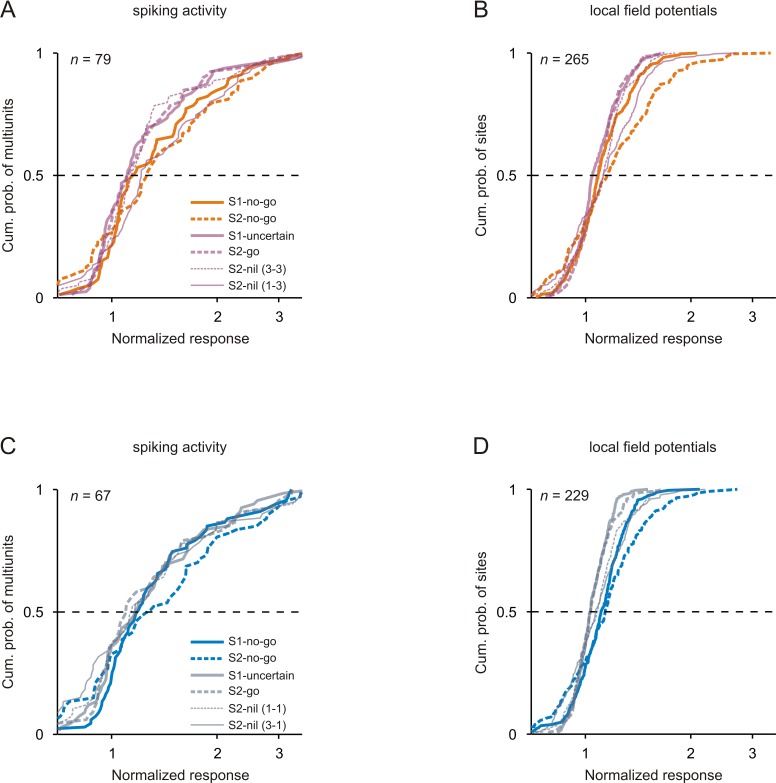
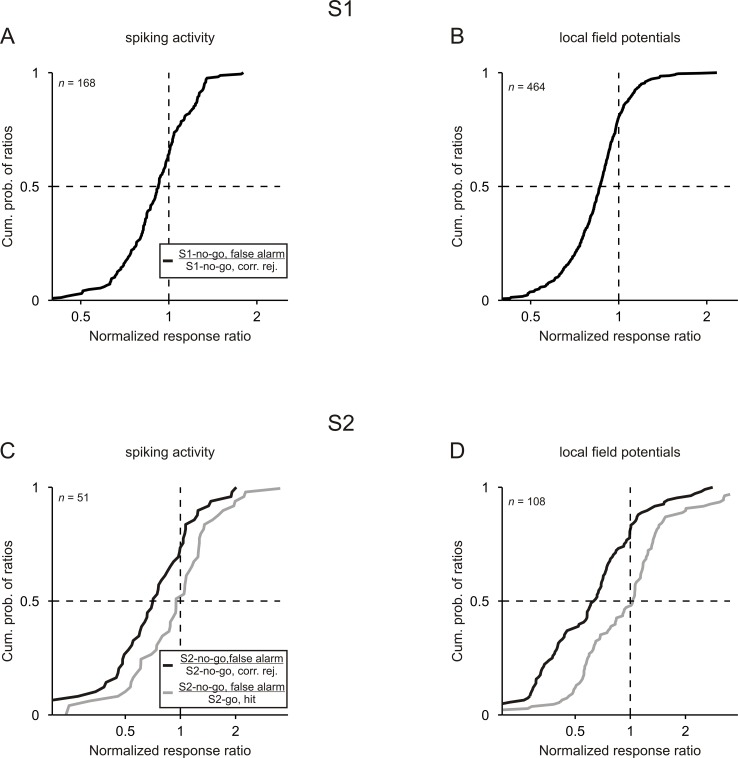
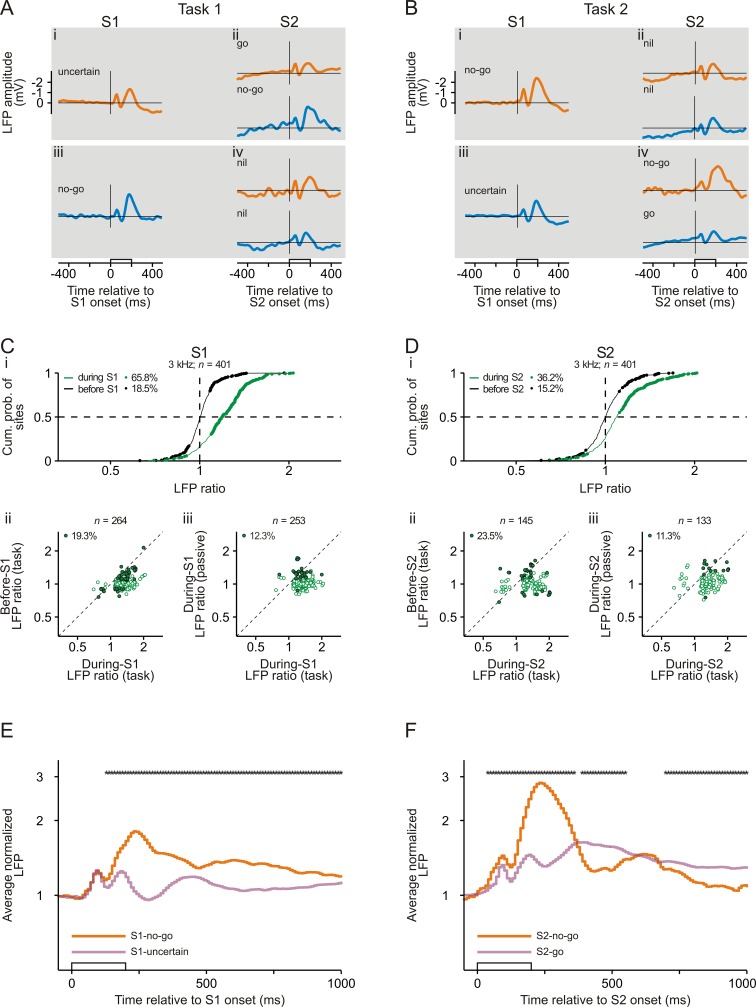
An individual may need to take different actions to the same stimulus in different situations to achieve a given goal. The selection of the appropriate action hinges on the previously learned associations between stimuli, actions, and outcomes in the situations. Here, using a go/no-go paradigm and a symmetrical reward, we show that early auditory cortex of nonhuman primates represents such associations, in both the spiking activity and the local field potentials. Sound-evoked neuronal responses changed with sensorimotor associations shortly after sound onset, and the neuronal responses were largest when the sound signaled that a no-go response was required in a trial to obtain a reward. Our findings suggest that association processes take place in the auditory system and do not necessarily rely on association cortex. Thus, auditory cortex may contribute to a rapid selection of the appropriate motor responses to sounds during goal-directed behavior.
个体在不同情境下可能需要针对相同刺激采取不同的行动来实现特定目标。适当行动的选择取决于之前在情境中学习到的刺激、行动和结果之间的关联。在这里,我们使用 Go/No-Go 范式和对称奖励,表明非人类灵长类动物的早期听觉皮层在尖峰活动和局部场电位中都代表了这种关联。声音诱发的神经元反应在声音出现后不久就会随着感觉运动关联而改变,并且当声音表示在试验中需要做出 No-Go 反应才能获得奖励时,神经元反应最大。我们的发现表明,关联过程发生在听觉系统中,不一定依赖于联合皮层。因此,听觉皮层可能有助于在目标导向行为中快速选择对声音的适当运动反应。