Doench Ingo, Torres-Ramos Maria E W, Montembault Alexandra, Nunes de Oliveira Paula, Halimi Celia, Viguier Eric, Heux Laurent, Siadous Robin, Thiré Rossana M S M, Osorio-Madrazo Anayancy
Institute of Microsystems Engineering IMTEK, Laboratory for Sensors, University of Freiburg, 79110 Freiburg, Germany.
Freiburg Materials Research Center FMF, University of Freiburg, 79104 Freiburg, Germany.
Polymers (Basel). 2018 Oct 27;10(11):1202. doi: 10.3390/polym10111202.
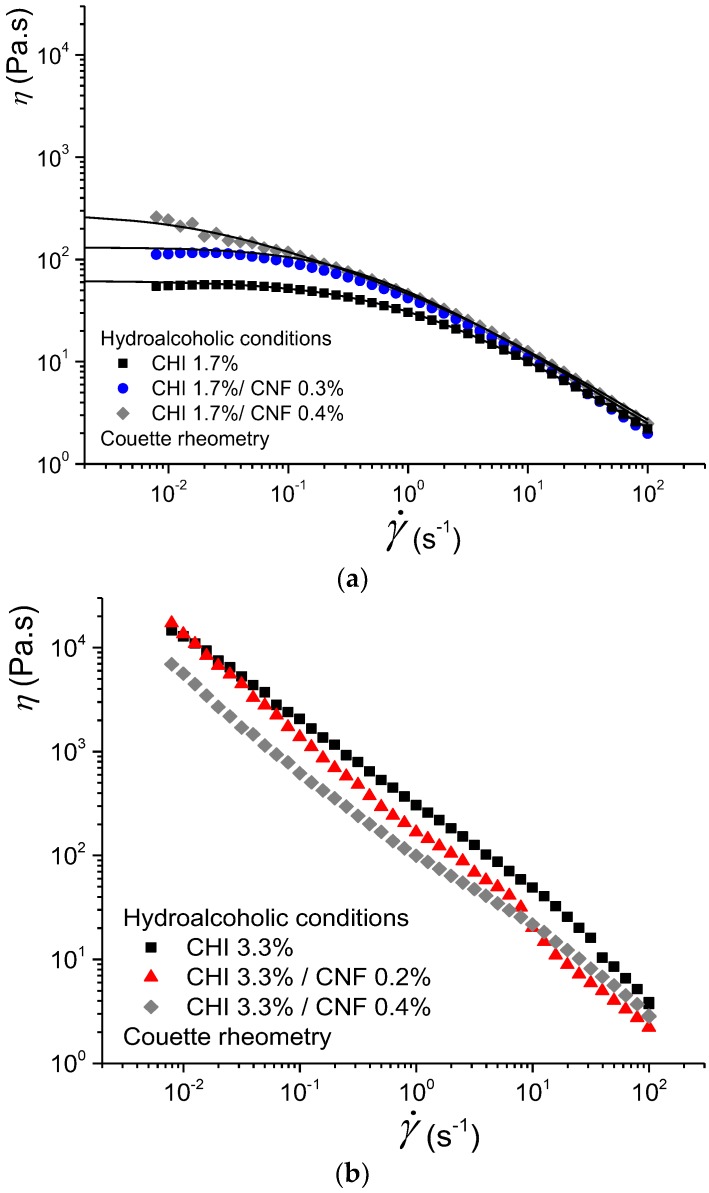
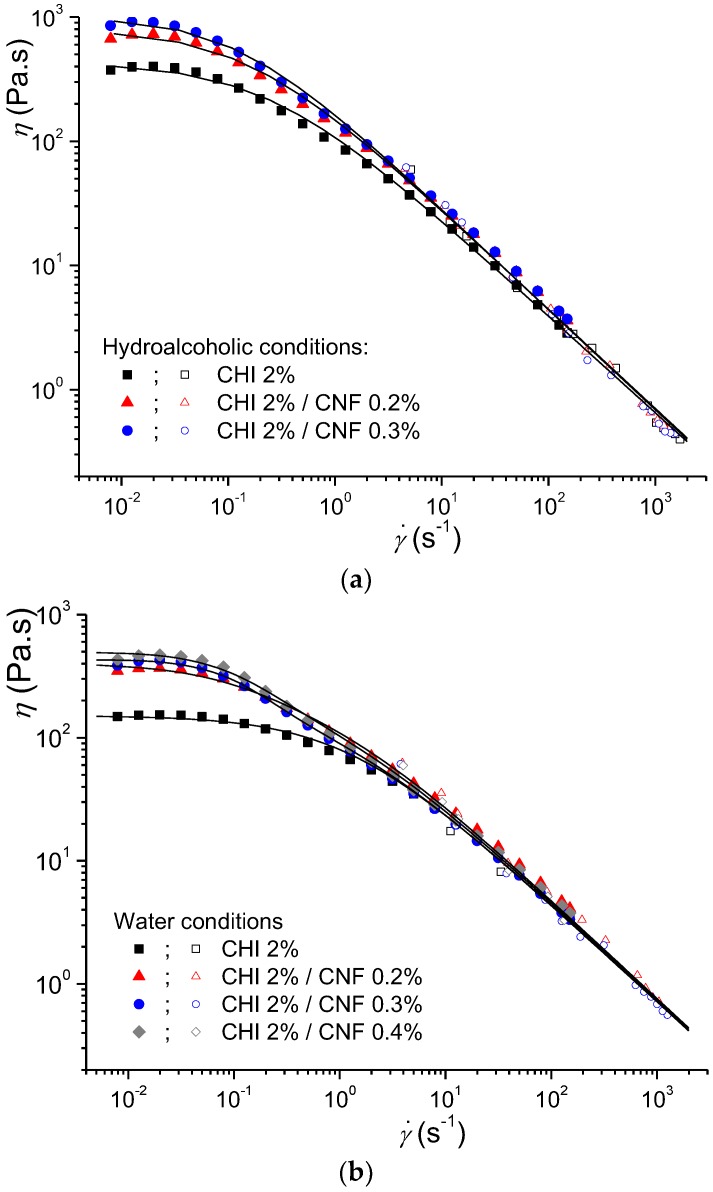
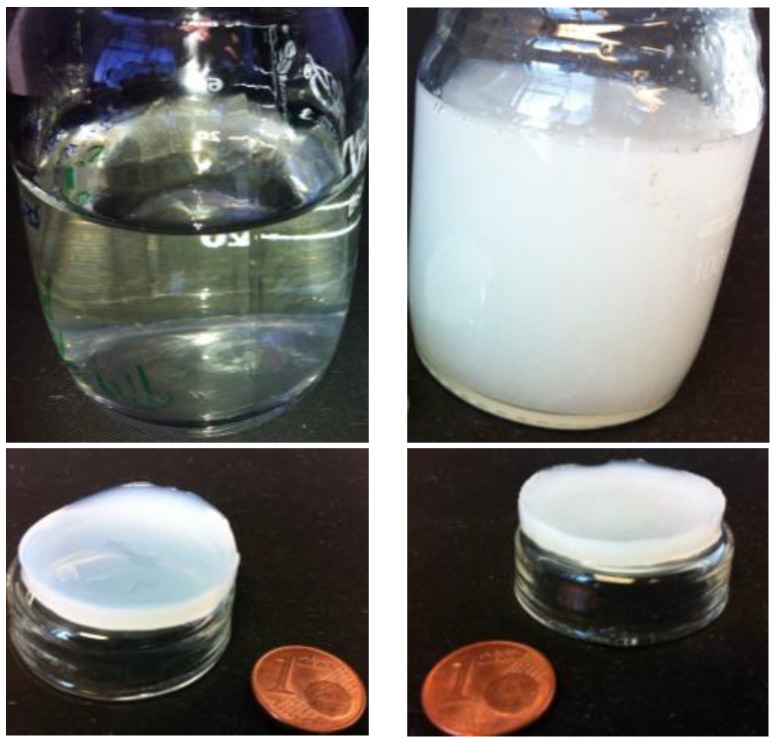
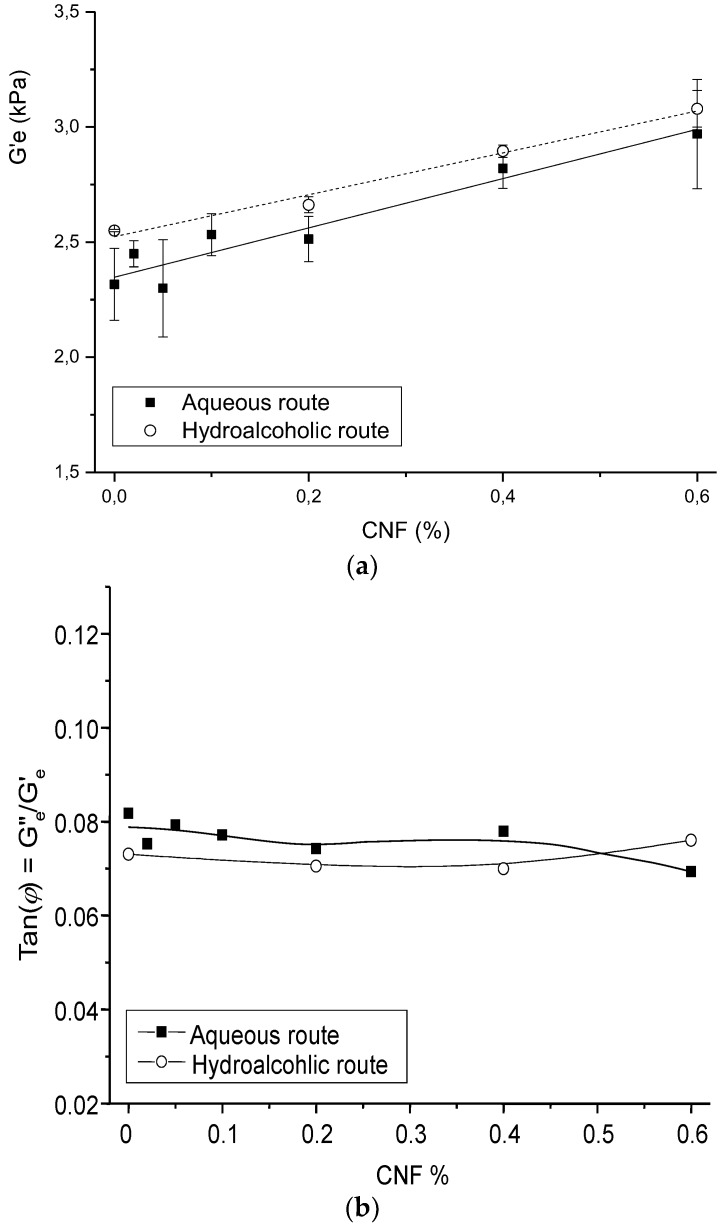
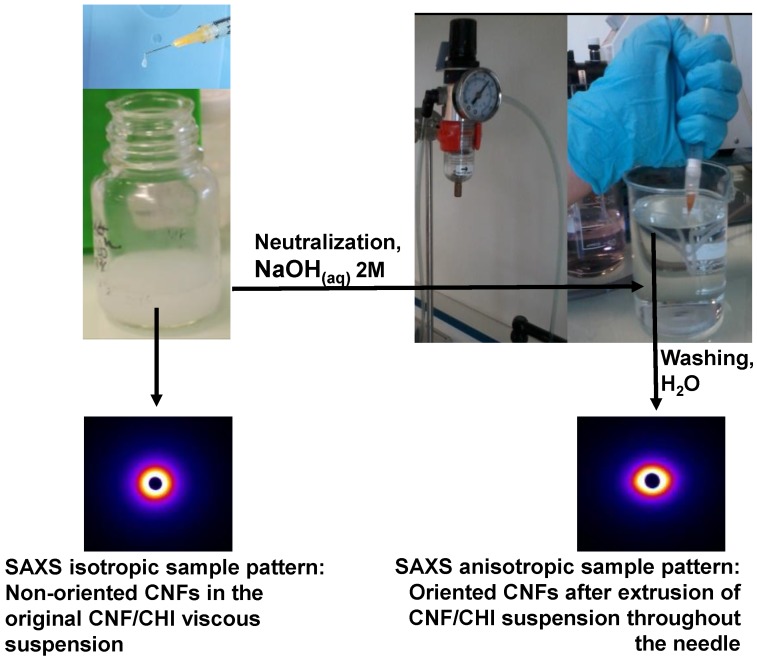
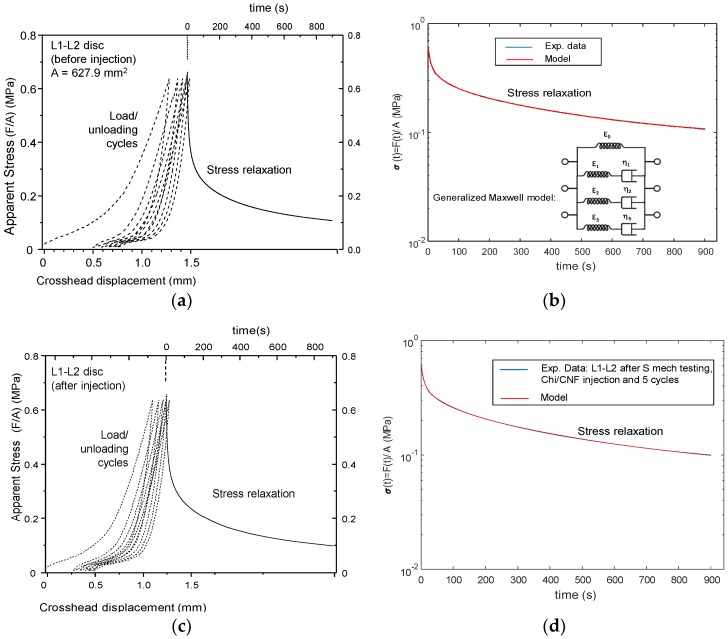
The development of non-cellularized injectable suspensions of viscous chitosan (CHI) solutions (1.7⁻3.3% (/)), filled with cellulose nanofibers (CNF) (0.02⁻0.6% (/)) of the type nanofibrillated cellulose, was proposed for viscosupplementation of the intervertebral disc nucleus pulposus tissue. The achievement of CNF/CHI formulations which can gel in situ at the disc injection site constitutes a minimally-invasive approach to restore damaged/degenerated discs. We studied physico-chemical aspects of the sol and gel states of the CNF/CHI formulations, including the rheological behavior in relation to injectability (sol state) and fiber mechanical reinforcement (gel state). CNF-CHI interactions could be evidenced by a double flow behavior due to the relaxation of the CHI polymer chains and those interacting with the CNFs. At high shear rates resembling the injection conditions with needles commonly used in surgical treatments, both the reference CHI viscous solutions and those filled with CNFs exhibited similar rheological behavior. The neutralization of the flowing and weakly acidic CNF/CHI suspensions yielded composite hydrogels in which the nanofibers reinforced the CHI matrix. We performed evaluations in relation to the biomedical application, such as the effect of the intradiscal injection of the CNF/CHI formulation in pig and rabbit spine models on disc biomechanics. We showed that the injectable formulations became hydrogels in situ after intradiscal gelation, due to CHI neutralization occurring in contact with the body fluids. No leakage of the injectate through the injection canal was observed and the gelled formulation restored the disc height and loss of mechanical properties, which is commonly related to disc degeneration.
有人提出开发一种非细胞化的可注射粘性壳聚糖(CHI)溶液(1.7⁻3.3%(/))悬浮液,其中填充有纳米原纤化纤维素类型的纤维素纳米纤维(CNF)(0.02⁻0.6%(/)),用于椎间盘髓核组织的粘弹性补充。实现能够在椎间盘注射部位原位凝胶化的CNF/CHI制剂构成了一种微创方法,用于修复受损/退变的椎间盘。我们研究了CNF/CHI制剂的溶胶和凝胶状态的物理化学方面,包括与可注射性(溶胶状态)和纤维机械增强(凝胶状态)相关的流变行为。由于CHI聚合物链以及与CNF相互作用的链的松弛,双流动行为可以证明CNF与CHI之间的相互作用。在类似于手术治疗中常用针头注射条件的高剪切速率下,参考CHI粘性溶液和填充有CNF的溶液表现出相似的流变行为。流动的弱酸性CNF/CHI悬浮液的中和产生了复合水凝胶,其中纳米纤维增强了CHI基质。我们进行了与生物医学应用相关的评估,例如在猪和兔脊柱模型中椎间盘内注射CNF/CHI制剂对椎间盘生物力学的影响。我们表明,由于与体液接触时发生的CHI中和,可注射制剂在椎间盘内凝胶化后原位变成水凝胶。未观察到注射剂通过注射通道泄漏,并且凝胶化制剂恢复了椎间盘高度和通常与椎间盘退变相关的机械性能损失。