Hickey Ryan J, Pelling Andrew E
Department of Physics, STEM Complex, University of Ottawa, Ottawa, ON, Canada.
Department of Biology, University of Ottawa, Ottawa, ON, Canada.
Front Bioeng Biotechnol. 2019 Mar 22;7:45. doi: 10.3389/fbioe.2019.00045. eCollection 2019.
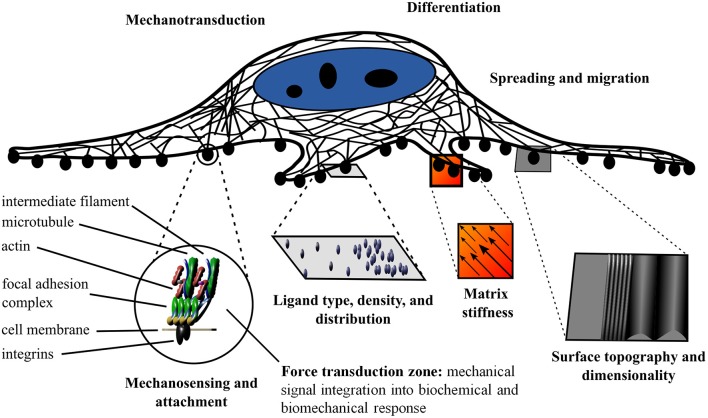
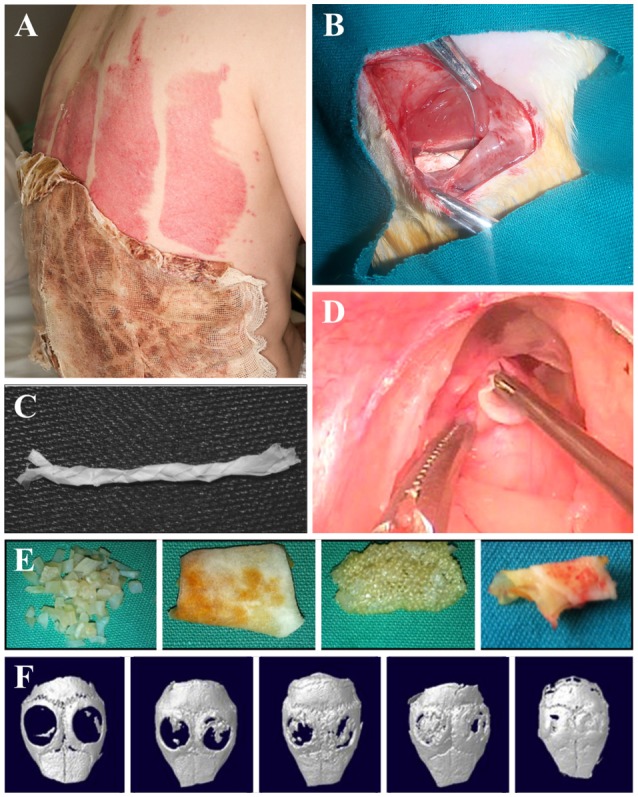
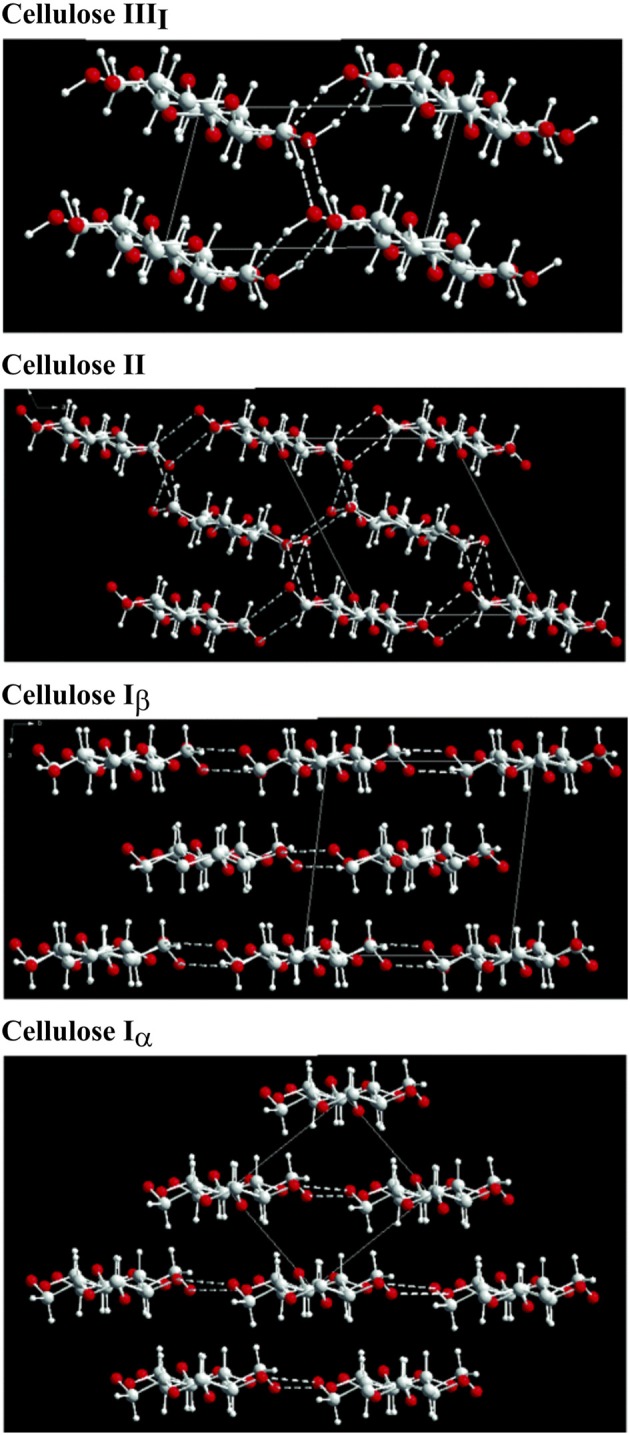
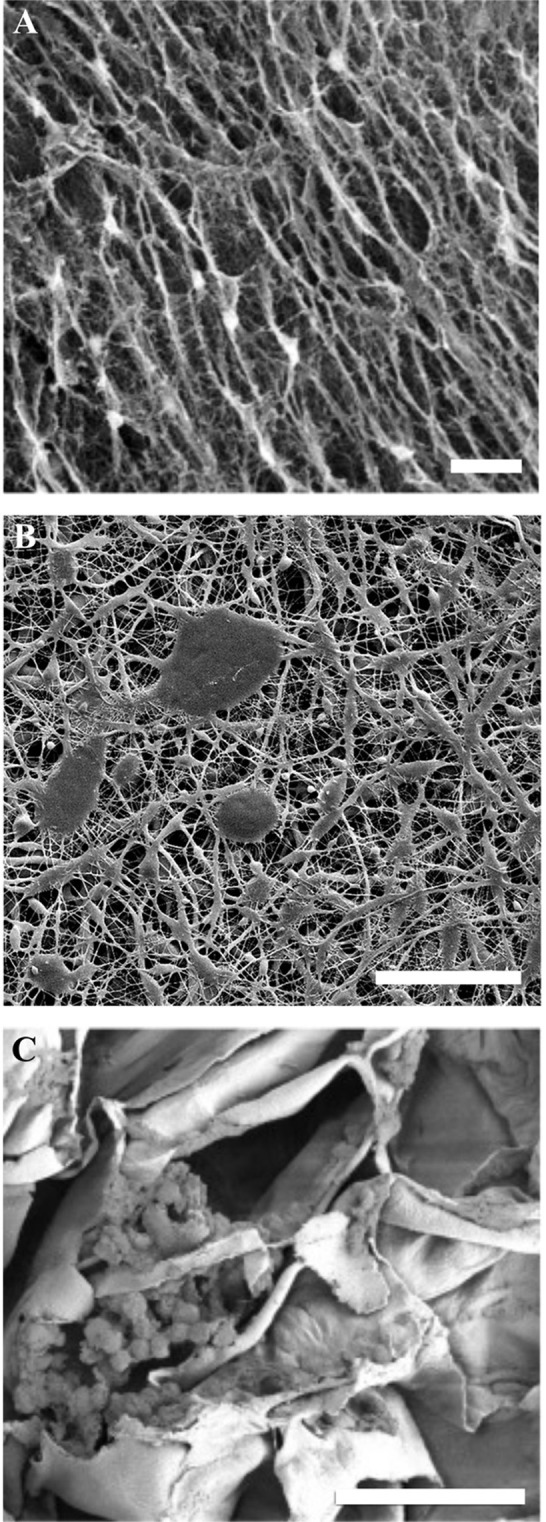
In this review, we highlight the importance of nanostructure of cellulose-based biomaterials to allow cellular adhesion, the contribution of nanostructure to macroscale mechanical properties, and several key applications of these materials for fundamental scientific research and biomedical engineering. Different features on the nanoscale can have macroscale impacts on tissue function. Cellulose is a diverse material with tunable properties and is a promising platform for biomaterial development and tissue engineering. Cellulose-based biomaterials offer some important advantages over conventional synthetic materials. Here we provide an up-to-date summary of the status of the field of cellulose-based biomaterials in the context of bottom-up approaches for tissue engineering. We anticipate that cellulose-based material research will continue to expand because of the diversity and versatility of biochemical and biophysical characteristics highlighted in this review.
在本综述中,我们强调了基于纤维素的生物材料的纳米结构对于细胞黏附的重要性、纳米结构对宏观力学性能的贡献,以及这些材料在基础科学研究和生物医学工程中的几个关键应用。纳米尺度上的不同特征可对组织功能产生宏观影响。纤维素是一种具有可调性质的多样化材料,是生物材料开发和组织工程的一个有前景的平台。与传统合成材料相比,基于纤维素的生物材料具有一些重要优势。在此,我们在自下而上的组织工程方法背景下,提供了基于纤维素的生物材料领域现状的最新总结。我们预计,由于本综述中强调的生化和生物物理特性的多样性和多功能性,基于纤维素的材料研究将继续扩展。