Pleşa Ilona, Noţingher Petru V, Schlögl Sandra, Sumereder Christof, Muhr Michael
Polymer Competence Center Leoben GmbH (PCCL), Roseggerstrasse 12, Leoben 8700, Austria.
Faculty of Electrical Engineering, Electrotechnical Material Laboratory, University Politehnica of Bucharest, Splaiul Independentei 313, Bucharest 060042, Romania.
Polymers (Basel). 2016 Apr 28;8(5):173. doi: 10.3390/polym8050173.
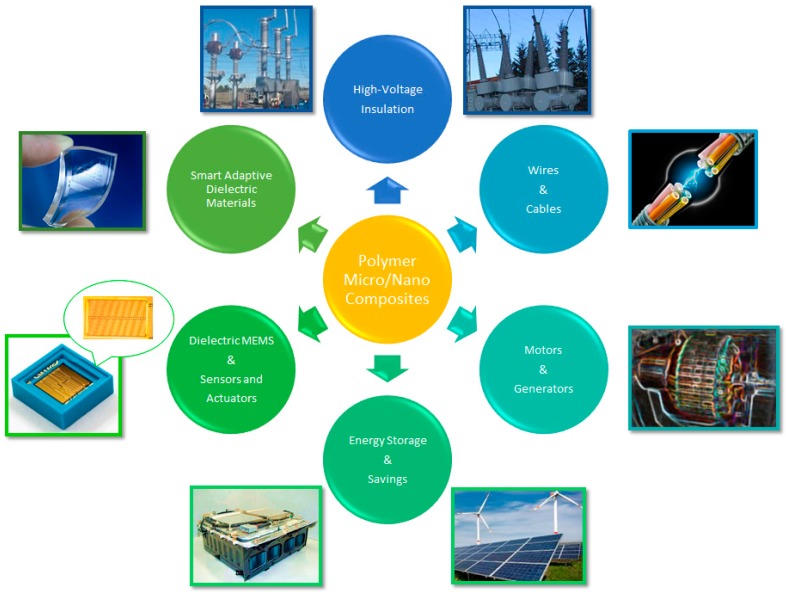
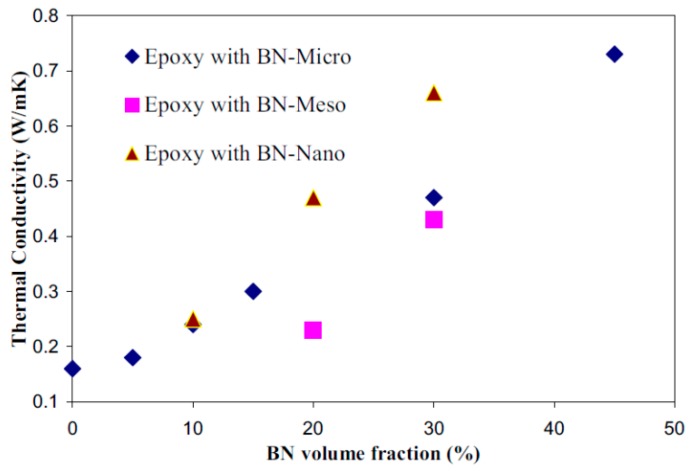
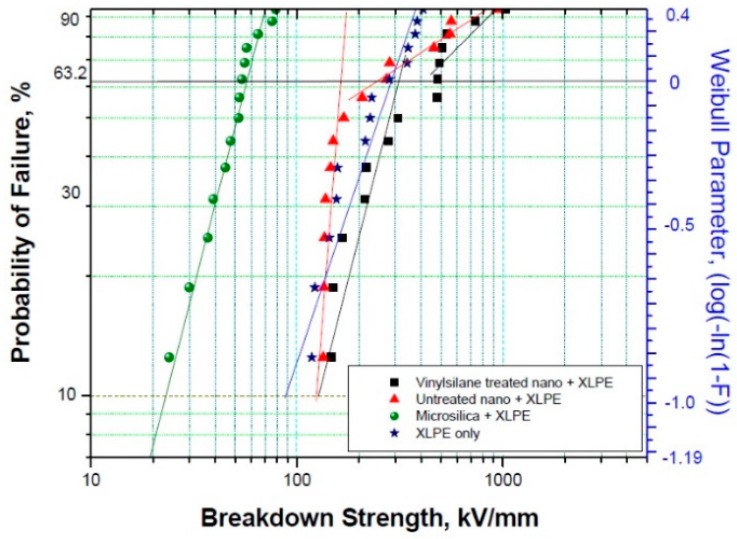
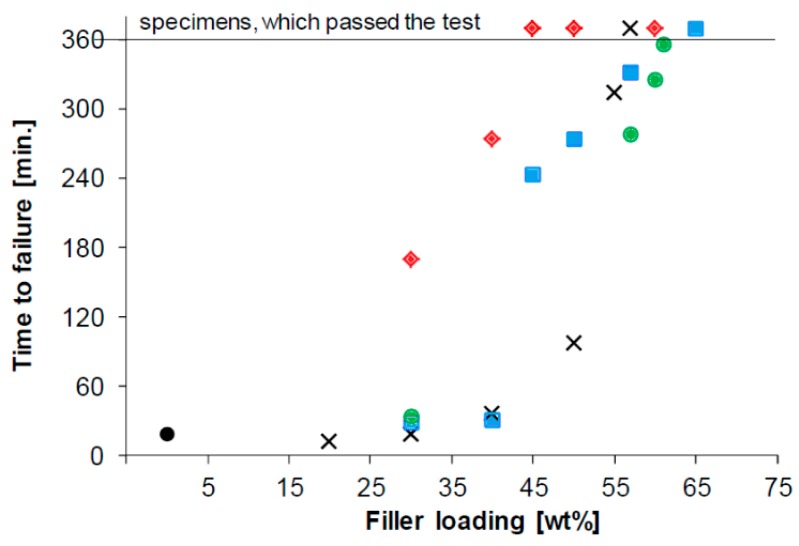
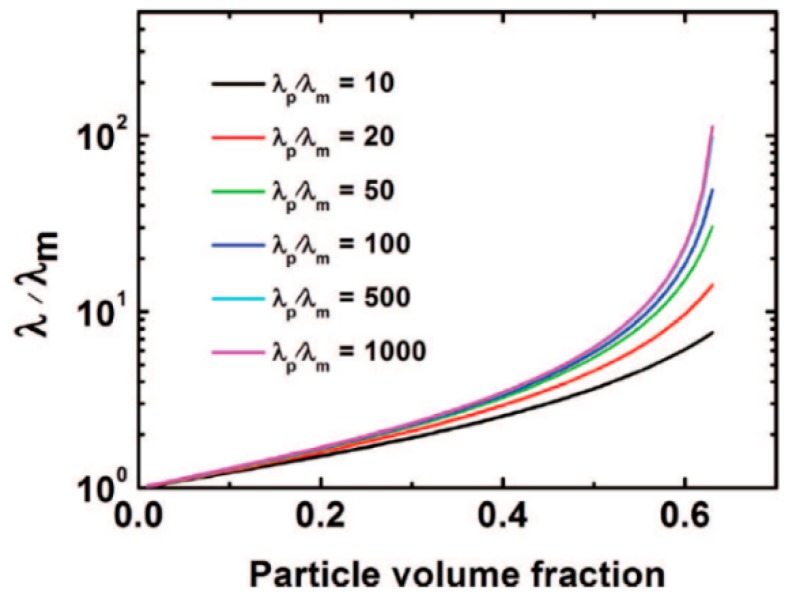
The present review article represents a comprehensive study on polymer micro/nanocomposites that are used in high-voltage applications. Particular focus is on the structure-property relationship of composite materials used in power engineering, by exploiting fundamental theory as well as numerical/analytical models and the influence of material design on electrical, mechanical and thermal properties. In addition to describing the scientific development of micro/nanocomposites electrical features desired in power engineering, the study is mainly focused on the electrical properties of insulating materials, particularly cross-linked polyethylene (XLPE) and epoxy resins, unfilled and filled with different types of filler. Polymer micro/nanocomposites based on XLPE and epoxy resins are usually used as insulating systems for high-voltage applications, such as: cables, generators, motors, cast resin dry-type transformers, Furthermore, this paper includes ample discussions regarding the advantages and disadvantages resulting in the electrical, mechanical and thermal properties by the addition of micro- and nanofillers into the base polymer. The study goals are to determine the impact of filler size, type and distribution of the particles into the polymer matrix on the electrical, mechanical and thermal properties of the polymer micro/nanocomposites compared to the neat polymer and traditionally materials used as insulation systems in high-voltage engineering. Properties such as electrical conductivity, relative permittivity, dielectric losses, partial discharges, erosion resistance, space charge behavior, electric breakdown, tracking and electrical tree resistance, thermal conductivity, tensile strength and modulus, elongation at break of micro- and nanocomposites based on epoxy resin and XLPE are analyzed. Finally, it was concluded that the use of polymer micro/nanocomposites in electrical engineering is very promising and further research work must be accomplished in order to diversify the polymer composites matrices and to improve their properties.
本综述文章对用于高压应用的聚合物微/纳米复合材料进行了全面研究。特别关注电力工程中使用的复合材料的结构-性能关系,通过利用基础理论以及数值/分析模型,以及材料设计对电气、机械和热性能的影响。除了描述电力工程中所需的微/纳米复合材料电学特性的科学发展外,该研究主要集中在绝缘材料的电学性能上,特别是交联聚乙烯(XLPE)和环氧树脂,有无填充不同类型的填料。基于XLPE和环氧树脂的聚合物微/纳米复合材料通常用作高压应用的绝缘系统,如:电缆、发电机、电动机、浇注树脂干式变压器。此外,本文还充分讨论了在基础聚合物中添加微米和纳米填料对电气、机械和热性能产生的优缺点。研究目标是确定与纯聚合物以及高压工程中用作绝缘系统的传统材料相比,填料尺寸、类型以及颗粒在聚合物基体中的分布对聚合物微/纳米复合材料的电气、机械和热性能的影响。分析了基于环氧树脂和XLPE的微/纳米复合材料的电导率、相对介电常数、介电损耗、局部放电、耐侵蚀性、空间电荷行为、电击穿、耐漏电起痕和耐电树枝性、热导率、拉伸强度和模量、断裂伸长率等性能。最后得出结论,在电气工程中使用聚合物微/纳米复合材料非常有前景,必须开展进一步的研究工作,以实现聚合物复合材料基体的多样化并改善其性能。