Silver Alexander, Kitadai Hikari, Liu He, Granzier-Nakajima Tomotaroh, Terrones Mauricio, Ling Xi, Huang Shengxi
Department of Electrical Engineering, The Pennsylvania State University, University Park, PA 16802, USA.
Department of Chemistry, Boston University, Boston, MA 02215, USA.
Nanomaterials (Basel). 2019 Apr 2;9(4):516. doi: 10.3390/nano9040516.
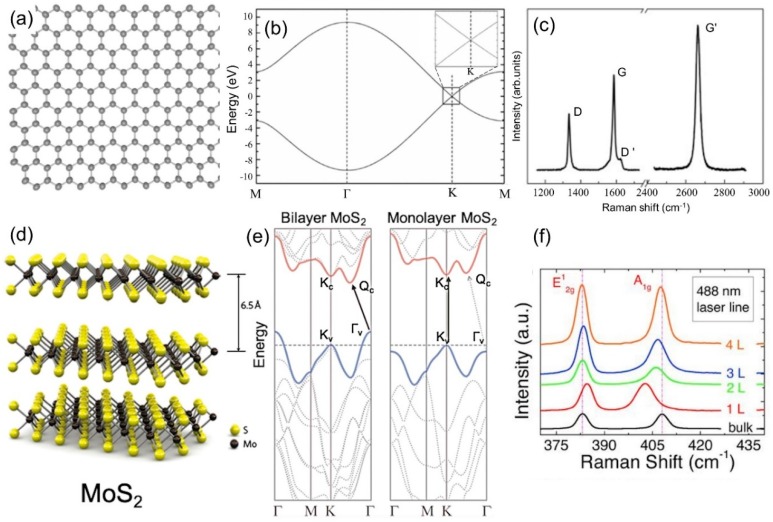
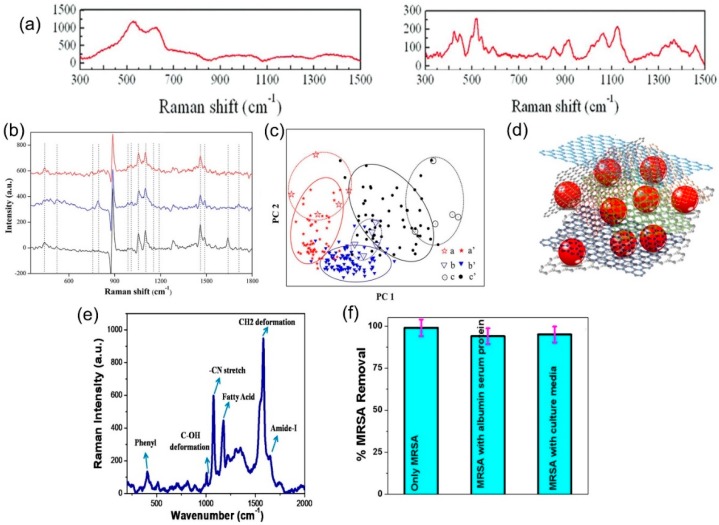
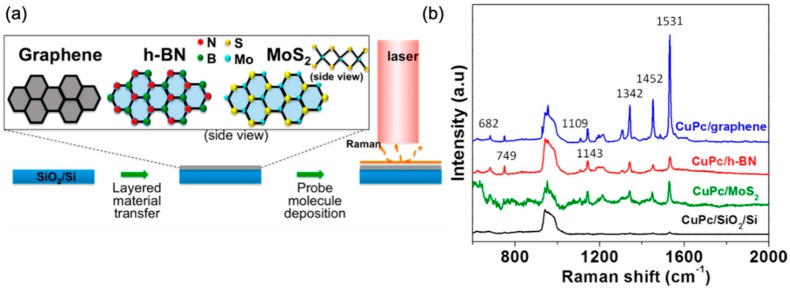
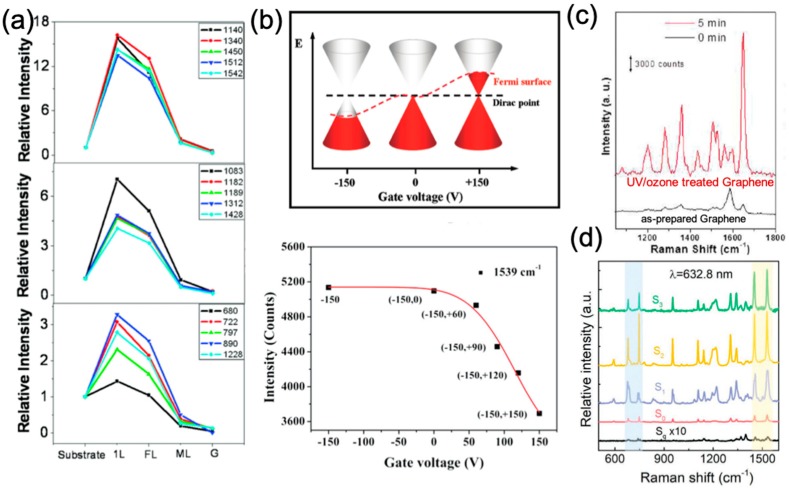
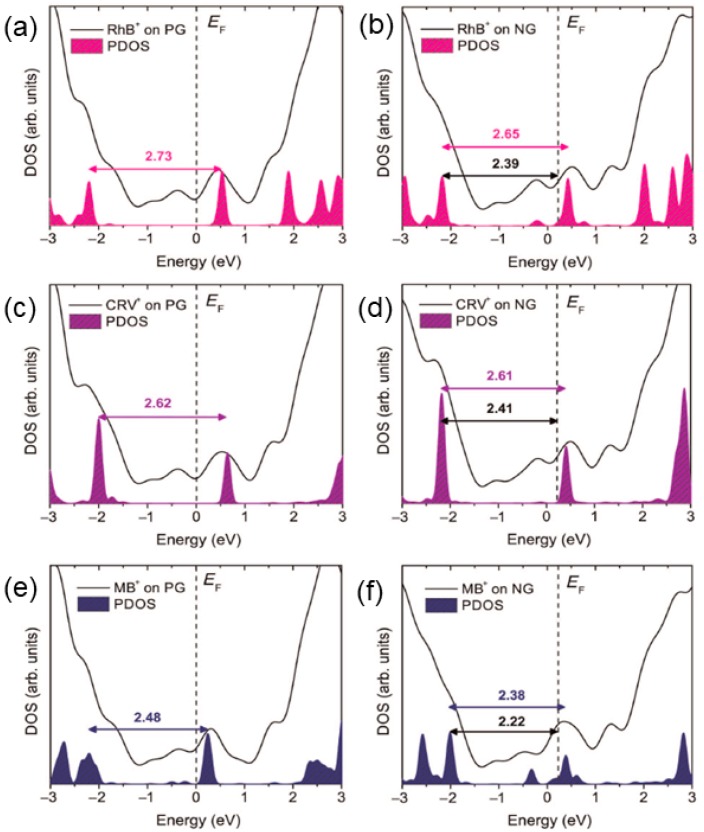
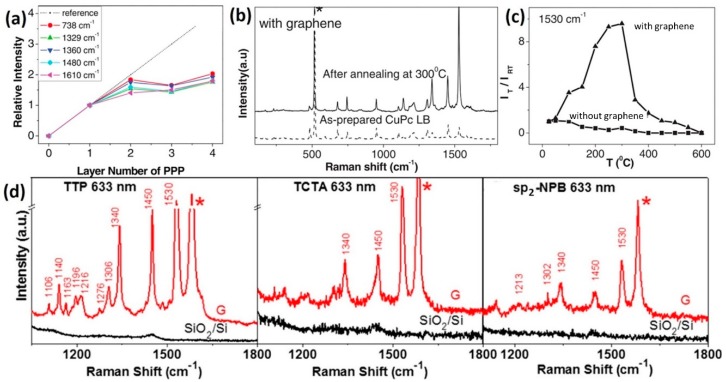
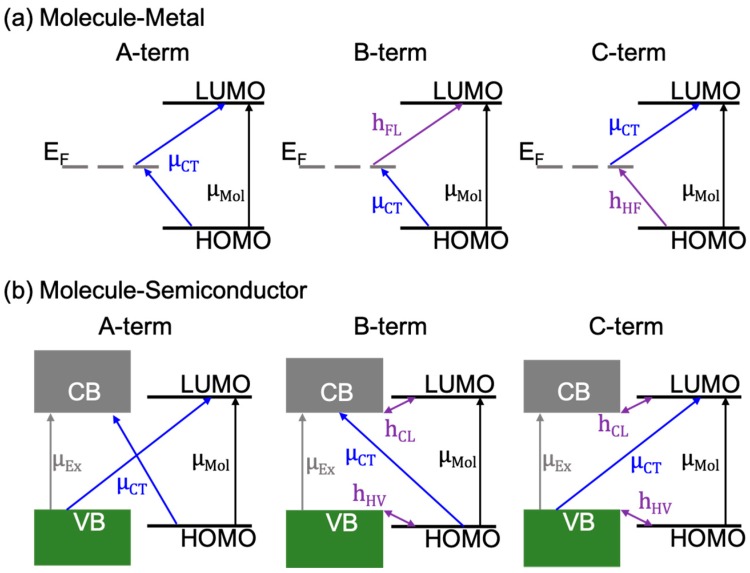
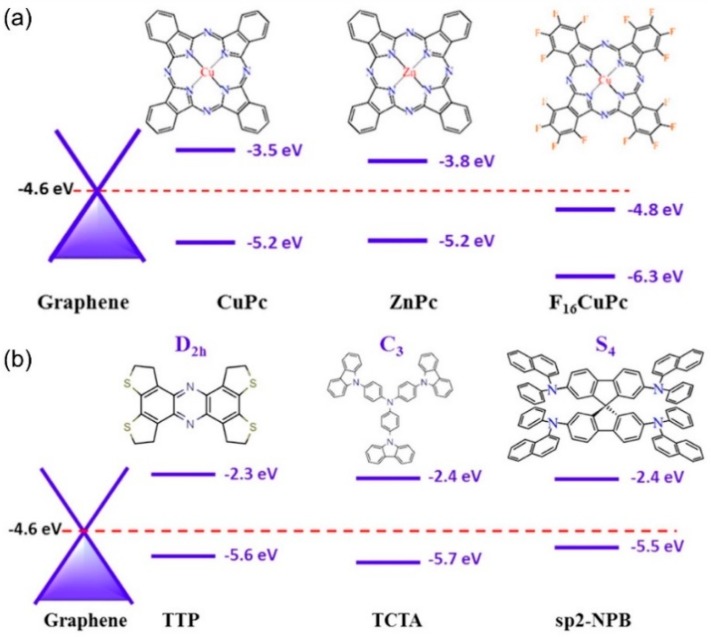
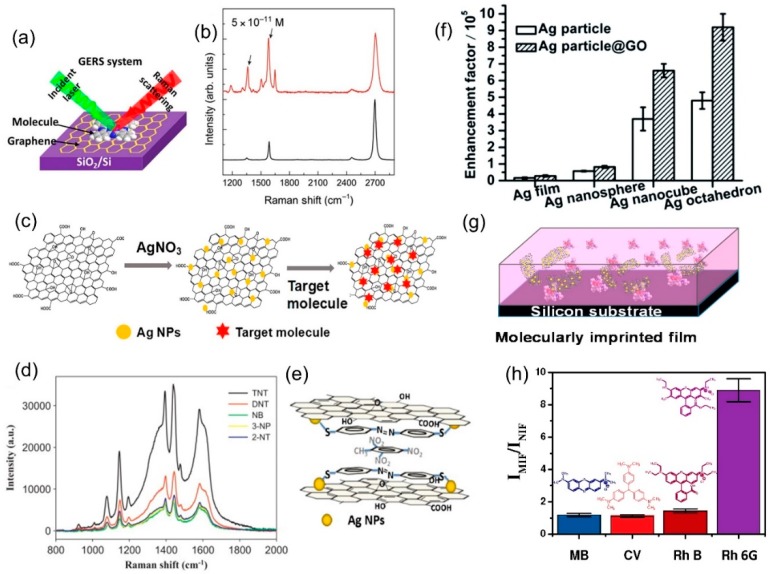
Graphene is a two-dimensional (2D) material consisting of a single sheet of sp² hybridized carbon atoms laced in a hexagonal lattice, with potentially wide usage as a Raman enhancement substrate, also termed graphene-enhanced Raman scattering (GERS), making it ideal for sensing applications. GERS improves upon traditional surface-enhanced Raman scattering (SERS), combining its single-molecule sensitivity and spectral fingerprinting of molecules, and graphene's simple processing and superior uniformity. This enables fast and highly sensitive detection of a wide variety of analytes. Accordingly, GERS has been investigated for a wide variety of sensing applications, including chemical- and bio-sensing. As a derivative of GERS, the use of two-dimensional materials other than graphene for Raman enhancement has emerged, which possess remarkably interesting properties and potential wider applications in combination with GERS. In this review, we first introduce various types of 2D materials, including graphene, MoS₂, doped graphene, their properties, and synthesis. Then, we describe the principles of GERS and comprehensively explain how the GERS enhancement factors are influenced by molecular and 2D material properties. In the last section, we discuss the application of GERS in chemical- and bio-sensing, and the prospects of such a novel sensing method.
石墨烯是一种二维(2D)材料,由单层以六边形晶格排列的sp²杂化碳原子组成,作为拉曼增强基底具有广泛的应用潜力,也被称为石墨烯增强拉曼散射(GERS),使其成为传感应用的理想选择。GERS改进了传统的表面增强拉曼散射(SERS),结合了其单分子灵敏度和分子光谱指纹识别,以及石墨烯简单的加工工艺和卓越的均匀性。这使得能够快速、高灵敏度地检测各种分析物。因此,GERS已被研究用于各种传感应用,包括化学传感和生物传感。作为GERS的一种衍生技术,使用除石墨烯以外的二维材料进行拉曼增强的技术已经出现,这些材料具有非常有趣的特性,并与GERS结合具有更广泛的潜在应用。在这篇综述中,我们首先介绍各种类型的二维材料,包括石墨烯、二硫化钼、掺杂石墨烯、它们的性质和合成方法。然后,我们描述GERS的原理,并全面解释GERS增强因子是如何受到分子和二维材料性质的影响。在最后一部分,我们讨论GERS在化学传感和生物传感中的应用,以及这种新型传感方法的前景。