Lombardi Lucia, Falanga Annarita, Del Genio Valentina, Galdiero Stefania
Department of Pharmacy, University of Naples Federico II, Via Mezzocannone 16, 80134 Naples, Italy.
Department of Agricultural Science, University of Naples Federico II, Via Mezzocannone 16, 80134 Naples, Italy.
Pharmaceutics. 2019 Apr 4;11(4):166. doi: 10.3390/pharmaceutics11040166.
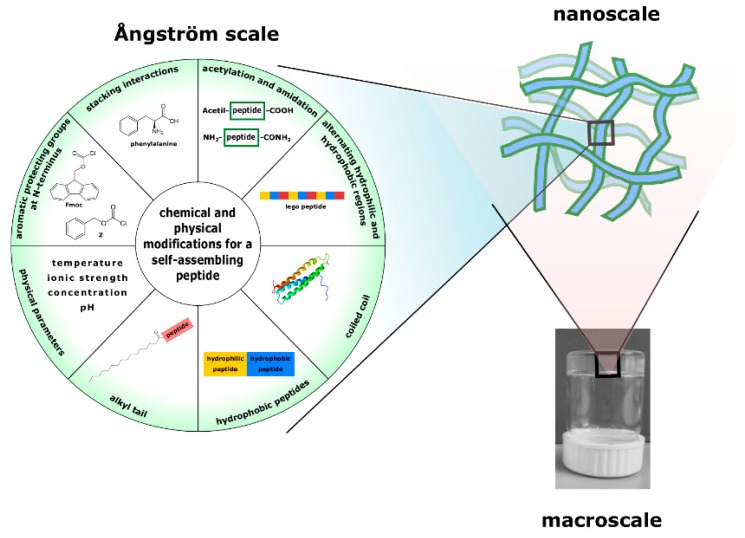
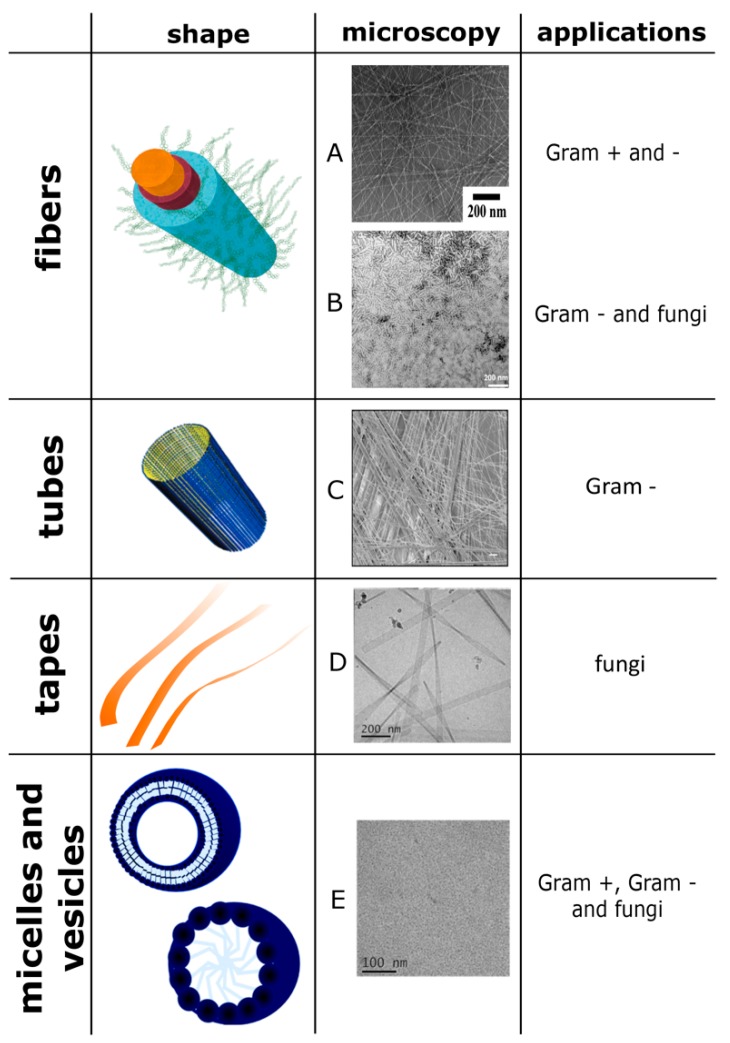
Peptide drugs hold great promise for the treatment of infectious diseases thanks to their novel mechanisms of action, low toxicity, high specificity, and ease of synthesis and modification. Naturally developing self-assembly in nature has inspired remarkable interest in self-assembly of peptides to functional nanomaterials. As a matter of fact, their structural, mechanical, and functional advantages, plus their high bio-compatibility and bio-degradability make them excellent candidates for facilitating biomedical applications. This review focuses on the self-assembly of peptides for the fabrication of antibacterial nanomaterials holding great interest for substituting antibiotics, with emphasis on strategies to achieve nano-architectures of self-assembly. The antibacterial activities achieved by these nanomaterials are also described.
由于其新颖的作用机制、低毒性、高特异性以及易于合成和修饰,肽类药物在治疗传染病方面具有巨大潜力。自然界中天然发生的自组装激发了人们对肽自组装成功能纳米材料的浓厚兴趣。事实上,它们的结构、机械和功能优势,以及高生物相容性和生物可降解性,使其成为促进生物医学应用的理想候选材料。本综述重点关注用于制造有望替代抗生素的抗菌纳米材料的肽自组装,重点介绍实现自组装纳米结构的策略。还描述了这些纳米材料所实现的抗菌活性。