Department of Horticulture, Foshan University, Foshan, 528000, Guangdong, China.
Tasmanian Institute of Agriculture, University of Tasmania, Hobart, Australia.
J Nanobiotechnology. 2019 Apr 16;17(1):53. doi: 10.1186/s12951-019-0486-y.
Soil acidity (and associated Al toxicity) is a major factor limiting crop production worldwide and threatening global food security. Electrostatic layer-by-layer (LBL) self-assembly provides a convenient and versatile method to form an extracellular silica nanocoat, which possess the ability to protect cell from the damage of physical stress or toxic substances. In this work, we have tested a hypothesis that extracellular silica nanocoat formed by LBL self-assembly will protect root border cells (RBCs) and enhance their resistance to Al toxicity.
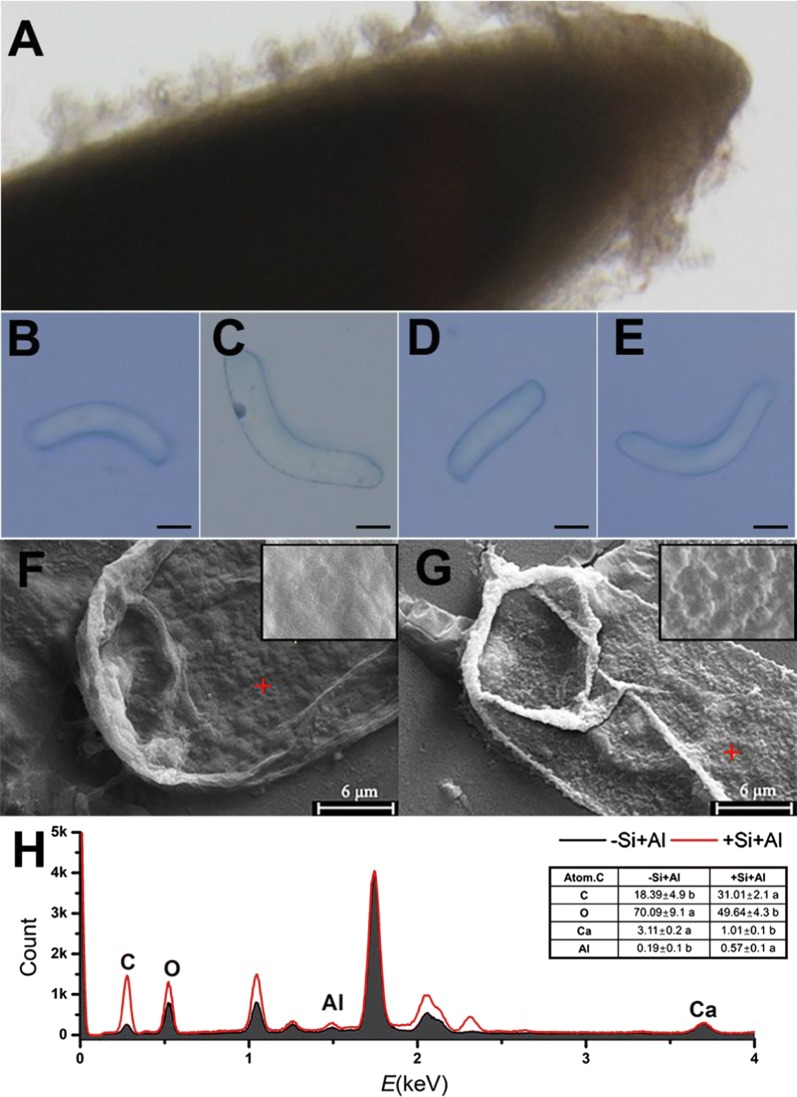
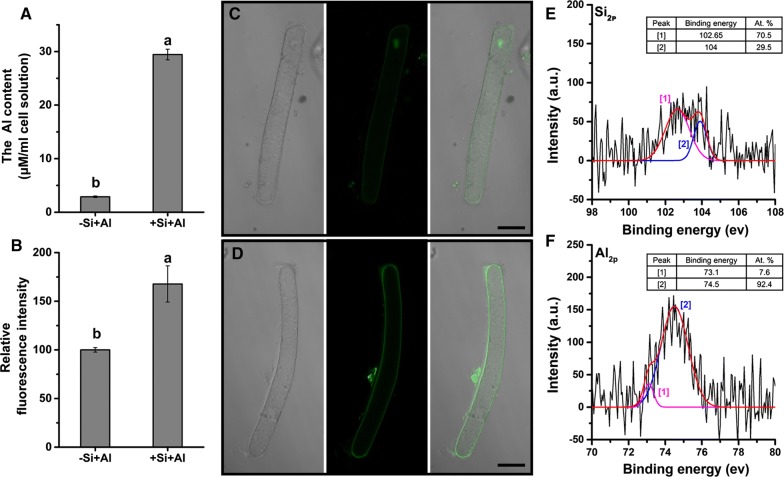
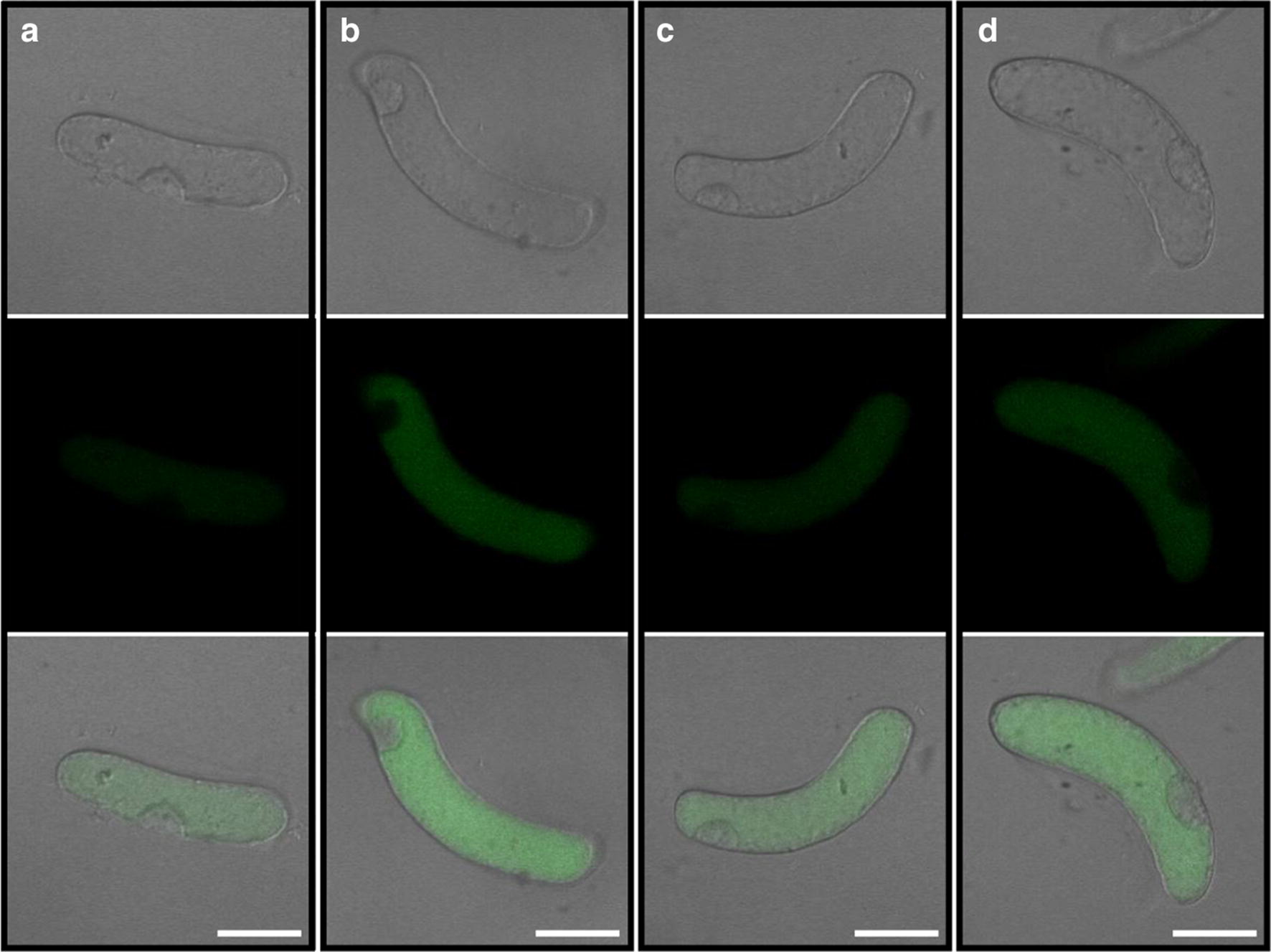
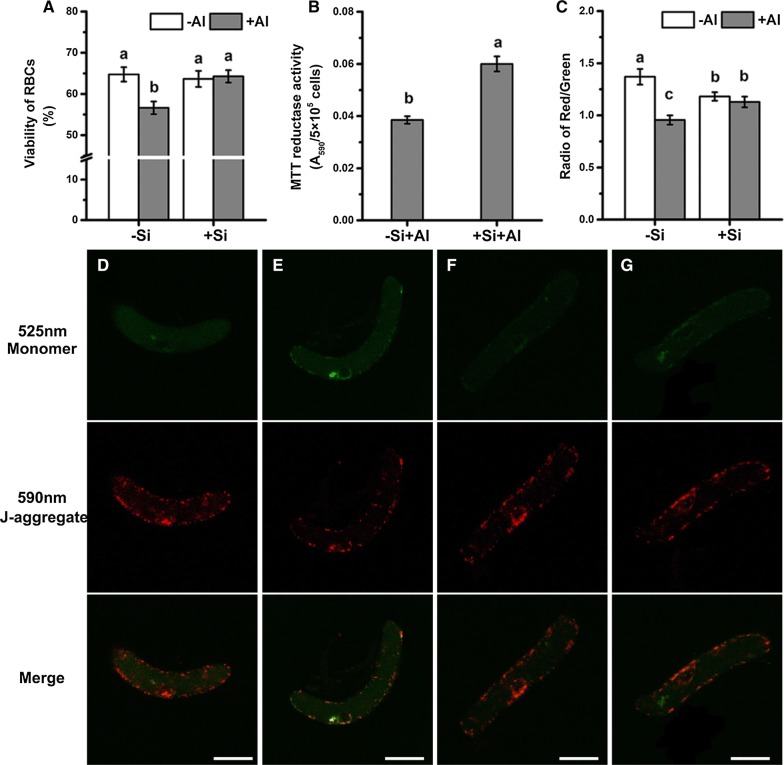
Scanning electron microscopy (SEM) and X-ray photoelectron spectroscopy (XPS) were used to compare the properties of RBCs surface coated with nanoshells with those that were exposed to Al without coating. The accumulation of Al, reactive oxygen species (ROS) levels, and the activity of mitochondria were detected by a laser-scanning confocal microscopy. We found that a crystal-like layer of silica nanoparticles on the surface of RBCs functions as an extracellular Al-proof coat by immobilizing Al in the apoplast and preventing its accumulation in the cytosol. The silica nanoshells on the RBCs had a positive impact on maintaining the integrity of the plasma and mitochondrial membranes, preventing ROS burst and ensuring higher mitochondria activity and cell viability under Al toxicity.
The study provides evidence that silica nanoshells confers RBCs Al resistance by restraining of Al in the silica-coat, suggesting that this method can be used an efficient tool to prevent multibillion-dollar losses caused by Al toxicity to agricultural crop production.
土壤酸度(以及相关的铝毒性)是全球范围内限制作物生产并威胁全球粮食安全的主要因素。静电层层自组装提供了一种方便且多功能的方法来形成细胞外二氧化硅纳米涂层,这种涂层具有保护细胞免受物理压力或有毒物质损害的能力。在这项工作中,我们检验了一个假设,即通过层层自组装形成的细胞外二氧化硅纳米涂层将保护根边缘细胞(RBC)并增强其对铝毒性的抗性。
扫描电子显微镜(SEM)和 X 射线光电子能谱(XPS)被用于比较用纳米壳包裹的 RBC 表面的性质与未涂层暴露于铝时的 RBC 表面性质。通过激光扫描共聚焦显微镜检测铝的积累、活性氧(ROS)水平和线粒体的活性。我们发现 RBC 表面的二氧化硅纳米颗粒晶体层通过将铝固定在质外体中来防止其在细胞质中积累,从而起到细胞外的防铝涂层的作用。RBC 上的硅纳米壳对维持质膜和线粒体膜的完整性具有积极影响,防止 ROS 爆发,并确保在铝毒性下更高的线粒体活性和细胞活力。
该研究提供了证据表明,硅纳米壳通过在硅涂层中限制铝来赋予 RBC 抗铝性,这表明该方法可用于防止因铝毒性对农业作物生产造成数十亿美元损失的有效工具。