Neuroscience Research Institute, University of California, Santa Barbara, Santa Barbara, United States.
Department of Molecular, Cell and Developmental Biology, University of California, Santa Barbara, Santa Barbara, United States.
Elife. 2019 Apr 18;8:e44753. doi: 10.7554/eLife.44753.
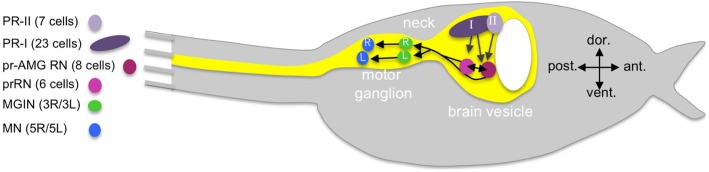
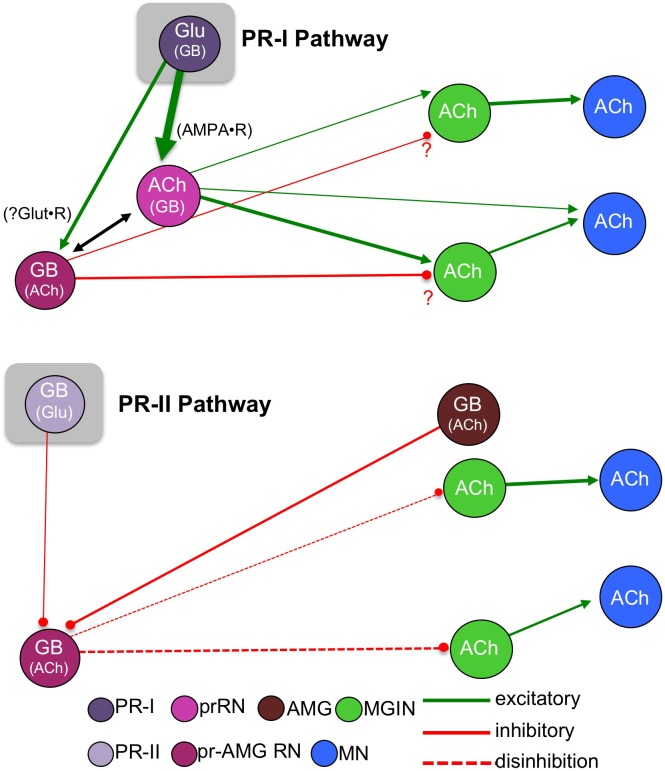
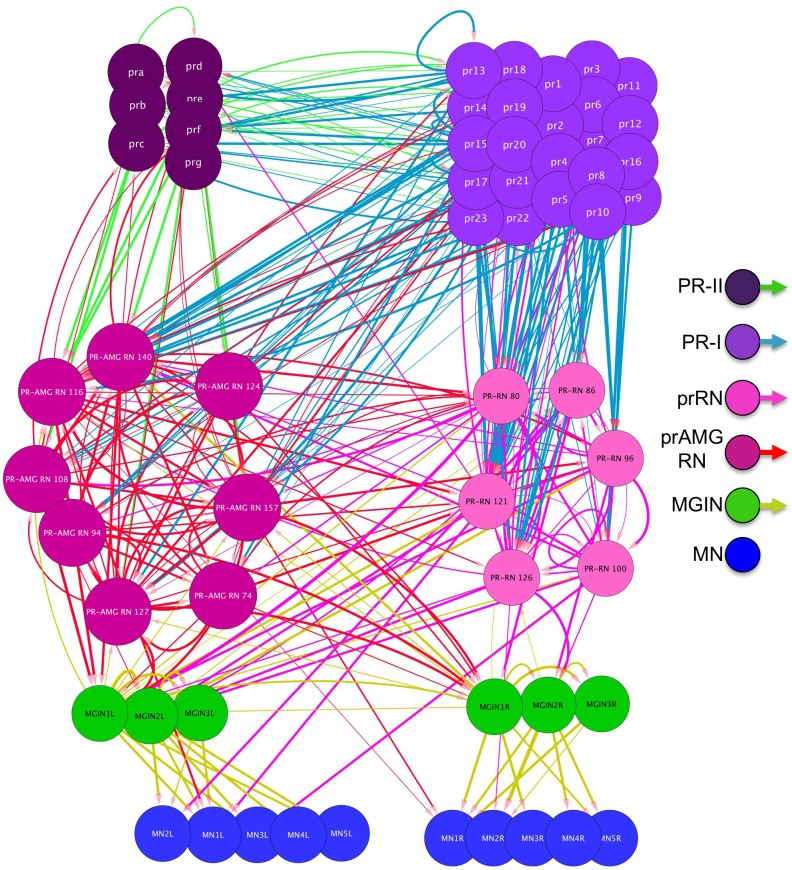
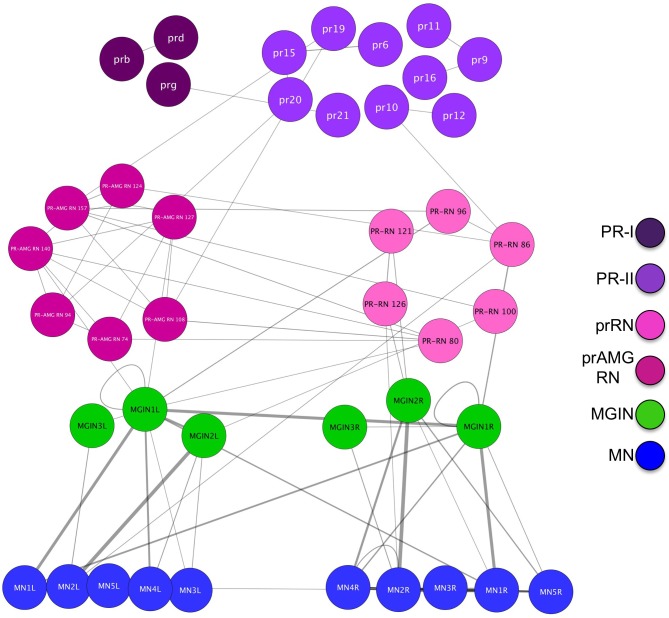
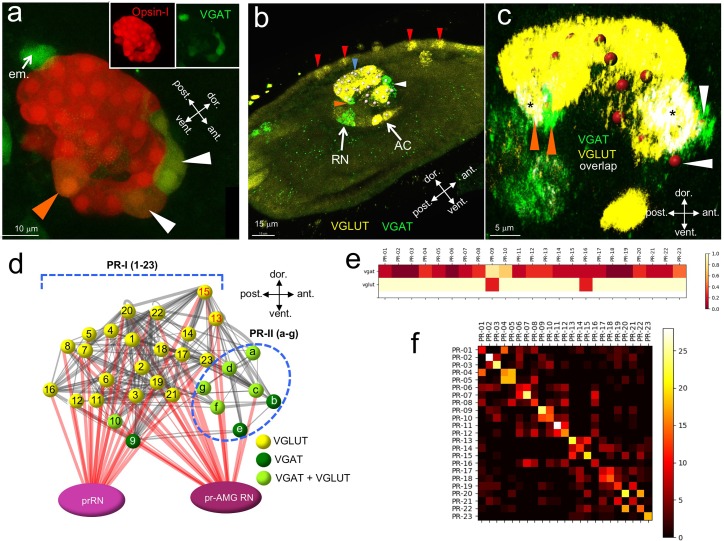
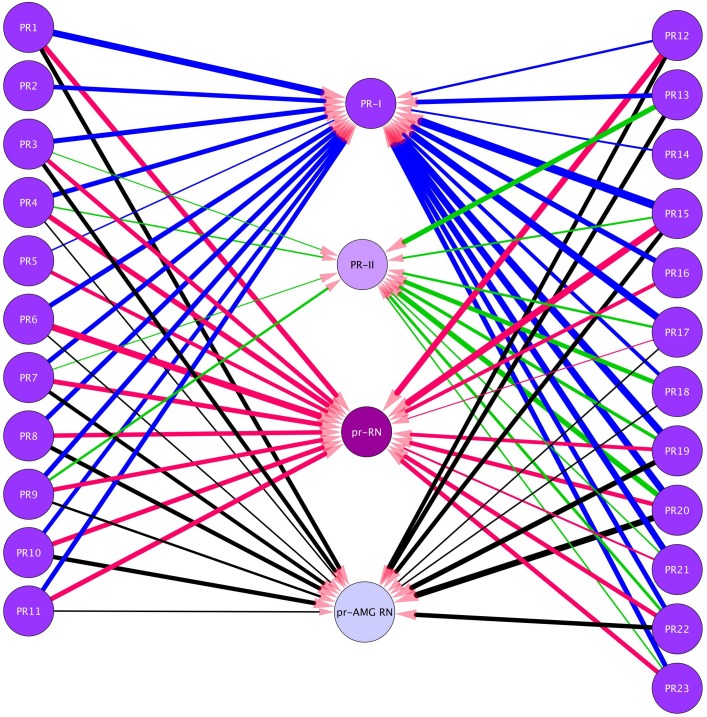
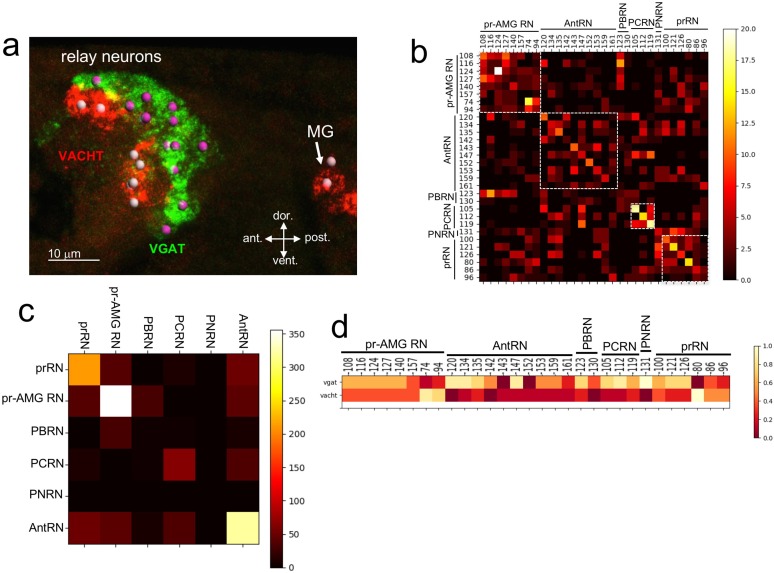
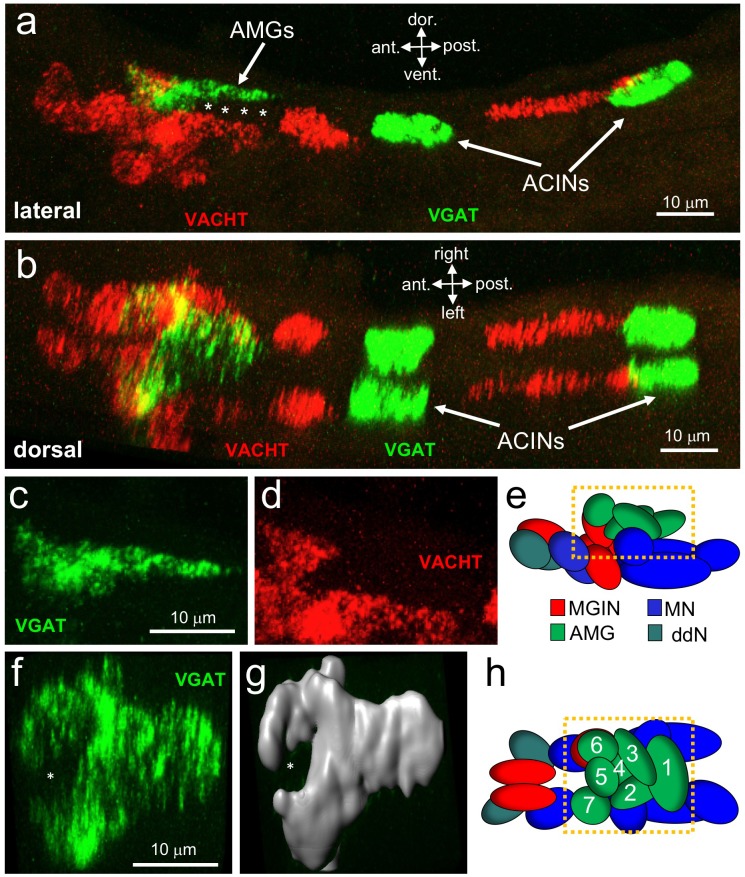
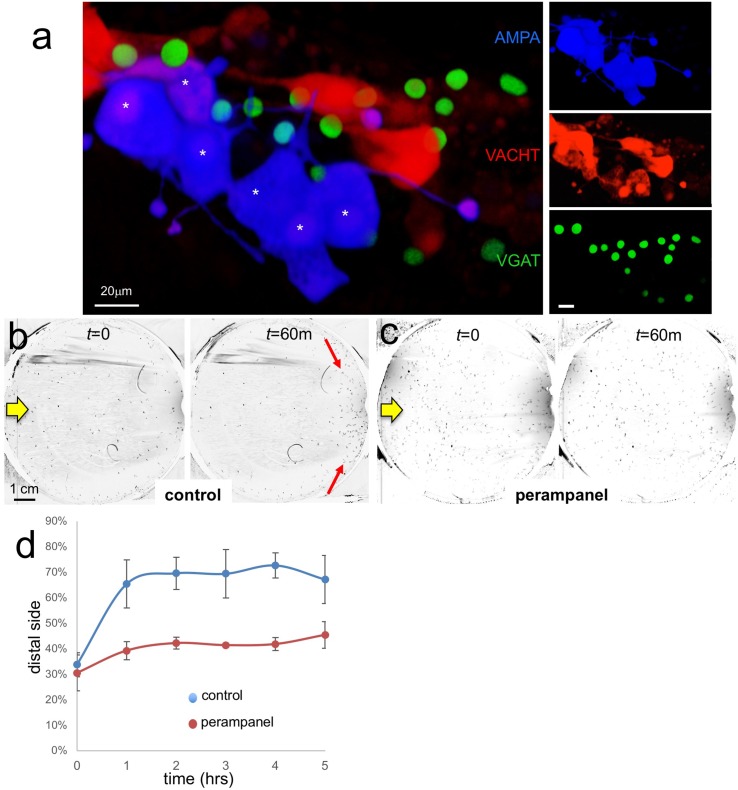
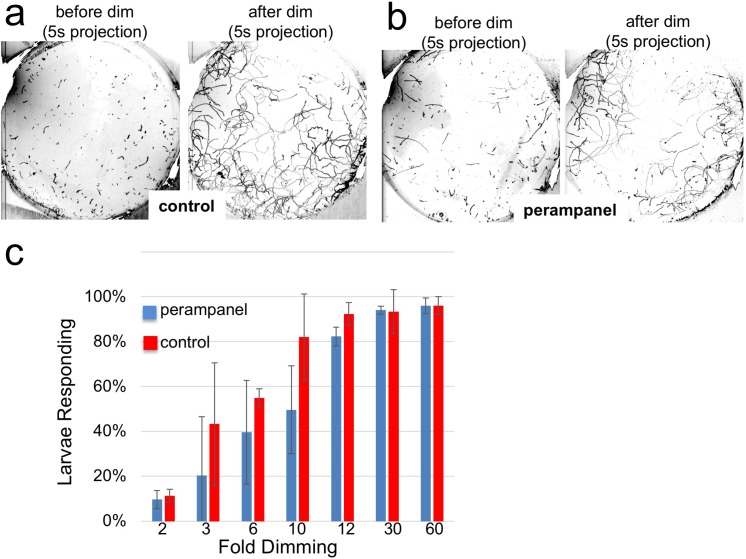
A common CNS architecture is observed in all chordates, from vertebrates to basal chordates like the ascidian stands apart among chordates in having a complete larval connectome. Starting with visuomotor circuits predicted by the connectome, we used expression maps of neurotransmitter use with behavioral assays to identify two parallel visuomotor circuits that are responsive to different components of visual stimuli. The first circuit is characterized by glutamatergic photoreceptors and responds to the direction of light. These photoreceptors project to cholinergic motor neurons, via two tiers of cholinergic interneurons. The second circuit responds to changes in ambient light and mediates an escape response. This circuit uses GABAergic photoreceptors which project to GABAergic interneurons, and then to cholinergic interneurons. Our observations on the behavior of larvae either treated with a GABA receptor antagonist or carrying a mutation that eliminates photoreceptors indicate the second circuit is disinhibitory.
在所有脊索动物中都观察到了一个常见的中枢神经系统架构,从脊椎动物到像尾索动物这样的基础脊索动物。尾索动物在拥有完整的幼虫连接组方面与众不同。从连接组预测的视觉运动回路开始,我们使用神经递质使用的表达图谱和行为分析来鉴定两个平行的视觉运动回路,它们对视觉刺激的不同成分做出反应。第一个回路的特征是谷氨酸能光感受器,对光的方向做出反应。这些光感受器通过两层胆碱能中间神经元投射到胆碱能运动神经元。第二个回路对环境光的变化做出反应,并介导逃避反应。这个回路使用 GABA 能光感受器,它们投射到 GABA 能中间神经元,然后投射到胆碱能中间神经元。我们对用 GABA 受体拮抗剂处理或携带消除光感受器突变的幼虫的行为观察表明,第二个回路是抑制性的。