Department of Viroscience, Erasmus Medical Center, 3015GD Rotterdam, The Netherlands.
Ministry of Public Health, Doha, Qatar, PO Box. 42.
Viruses. 2019 Apr 24;11(4):381. doi: 10.3390/v11040381.
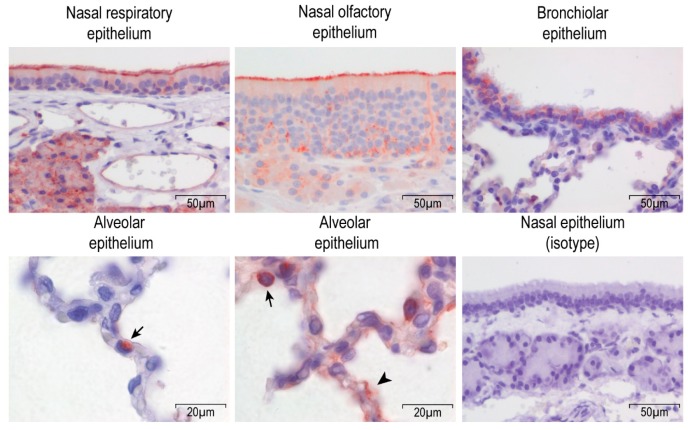
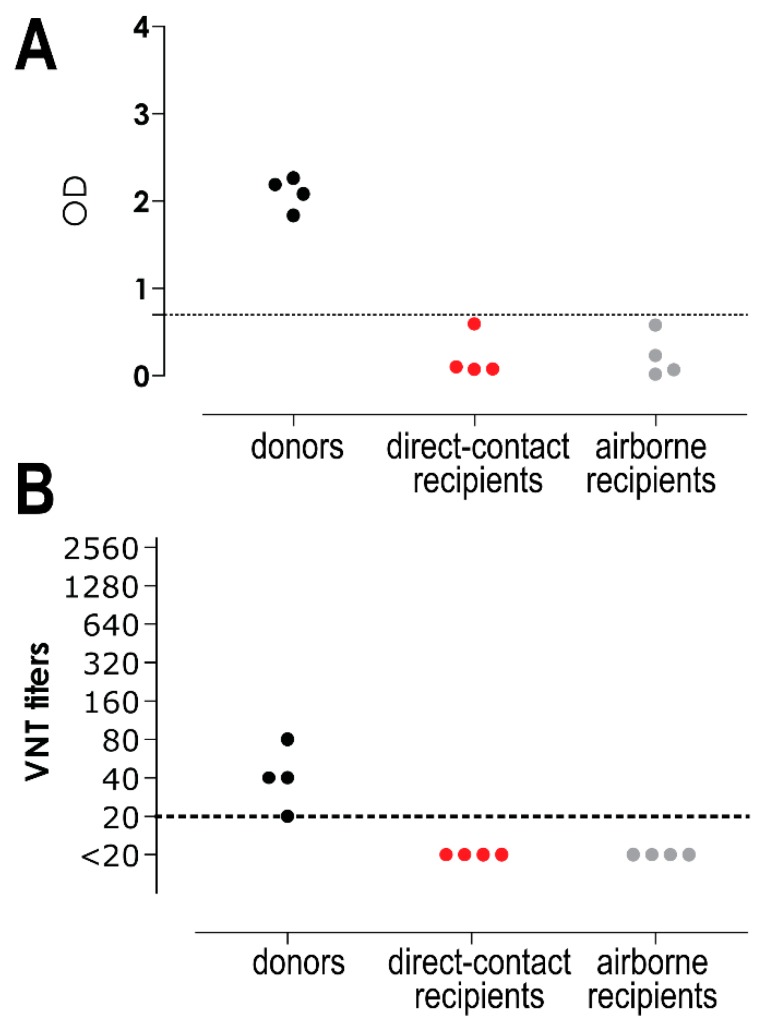
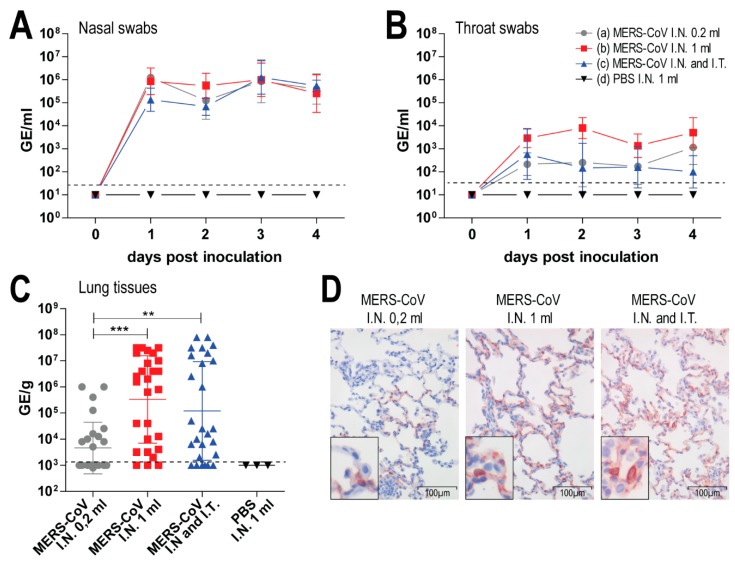
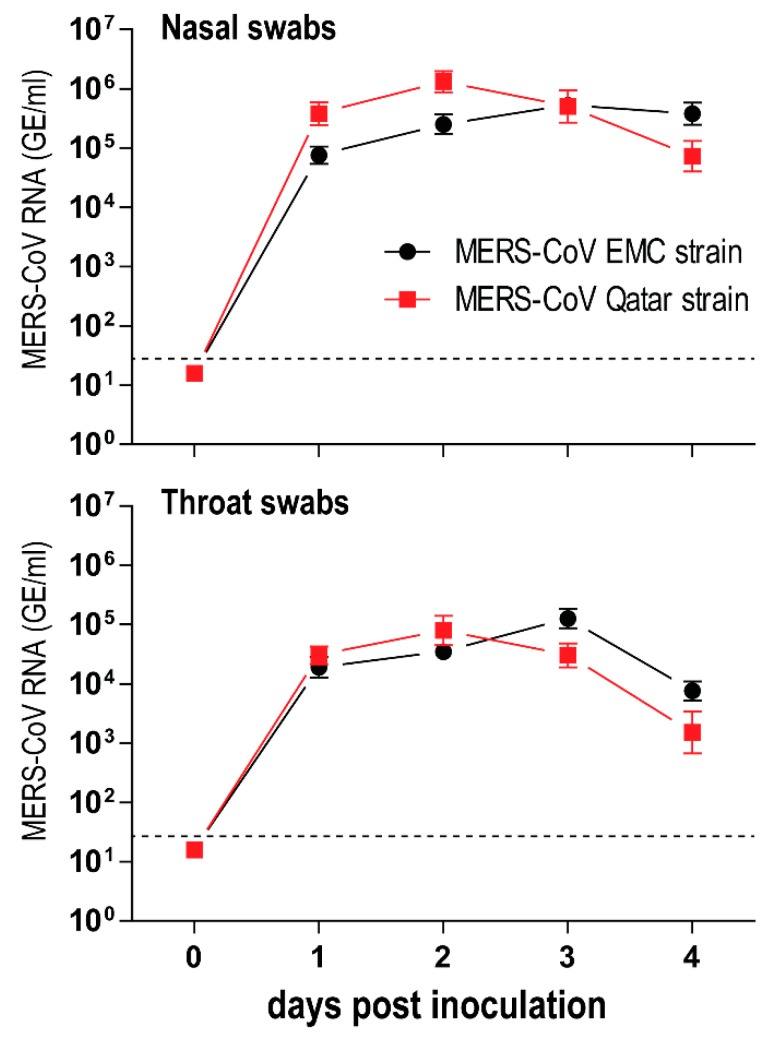
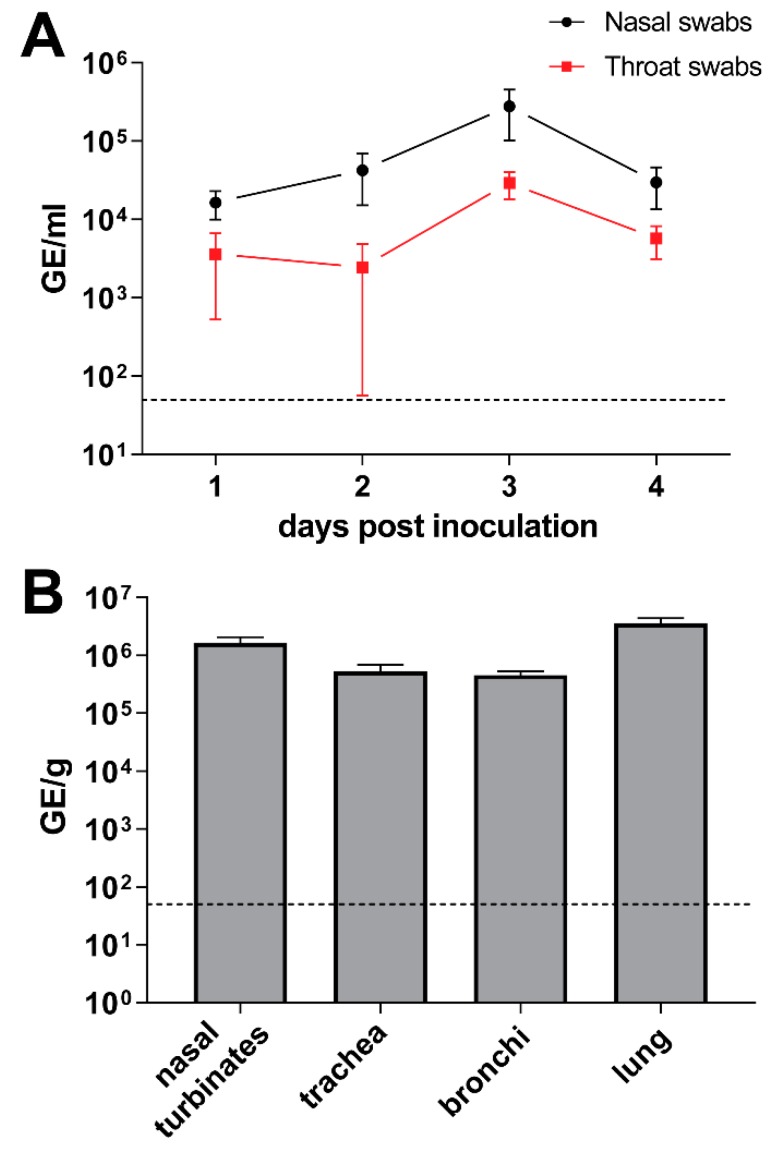
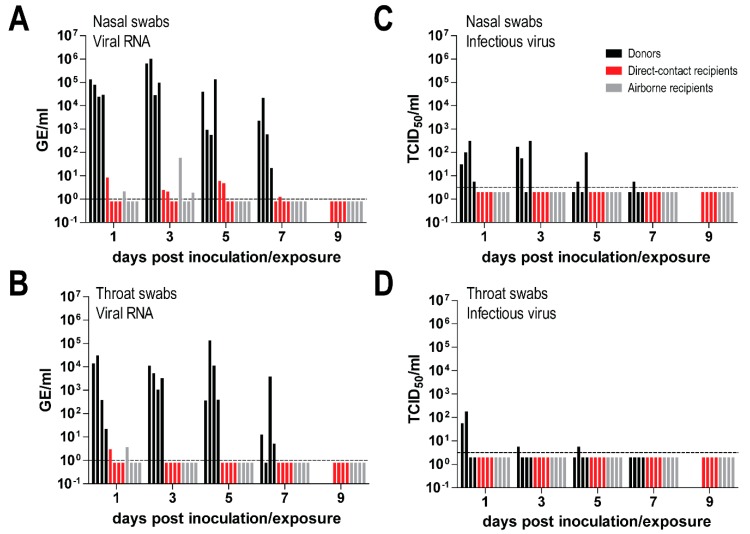
Middle East respiratory syndrome coronavirus (MERS-CoV) transmission from dromedaries to humans has resulted in major outbreaks in the Middle East. Although some other livestock animal species have been shown to be susceptible to MERS-CoV, it is not fully understood why the spread of the virus in these animal species has not been observed in the field. In this study, we used rabbits to further characterize the transmission potential of MERS-CoV. In line with the presence of MERS-CoV receptor in the rabbit nasal epithelium, high levels of viral RNA were shed from the nose following virus inoculation. However, unlike MERS-CoV-infected dromedaries, these rabbits did not develop clinical manifestations including nasal discharge and did shed only limited amounts of infectious virus from the nose. Consistently, no transmission by contact or airborne routes was observed in rabbits. Our data indicate that despite relatively high viral RNA levels produced, low levels of infectious virus are excreted in the upper respiratory tract of rabbits as compared to dromedary camels, thus resulting in a lack of viral transmission.
中东呼吸综合征冠状病毒(MERS-CoV)从单峰驼传播给人类,导致中东地区爆发了重大疫情。尽管已经证明其他一些家畜动物物种易感染 MERS-CoV,但尚不完全清楚为什么这些动物物种中没有观察到病毒的传播。在这项研究中,我们使用兔子进一步表征了 MERS-CoV 的传播潜力。与兔子鼻上皮存在 MERS-CoV 受体一致,在病毒接种后,大量的病毒 RNA 从鼻子中排出。然而,与感染 MERS-CoV 的单峰驼不同,这些兔子没有出现包括鼻漏在内的临床症状,并且仅从鼻子中排出有限量的传染性病毒。同样,在兔子中没有观察到通过接触或空气传播的情况。我们的数据表明,尽管兔子产生了相对较高水平的病毒 RNA,但与单峰驼相比,它们在上呼吸道排出的传染性病毒水平较低,因此导致病毒传播的缺乏。