Andrich David E, Melbouci Lilya, Ou Ya, Auclair Nickolas, Mercier Jocelyne, Grenier Jean-Christophe, Lira Fábio Santos, Barreiro Luis B, Danialou Gawiyou, Comtois Alain-Steve, Lavoie Jean-Claude, St-Pierre David H
Département des Sciences de l'Activité Physique, Université du Québec à Montréal (UQAM), Montréal, QC, Canada.
Groupe de Recherche en Activité Physique Adaptée (GRAPA), Université du Québec à Montréal (UQAM), Montréal, QC, Canada.
Front Physiol. 2019 Apr 10;10:372. doi: 10.3389/fphys.2019.00372. eCollection 2019.
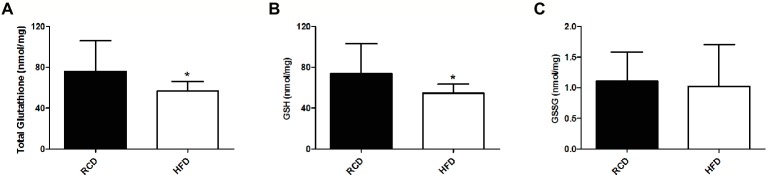
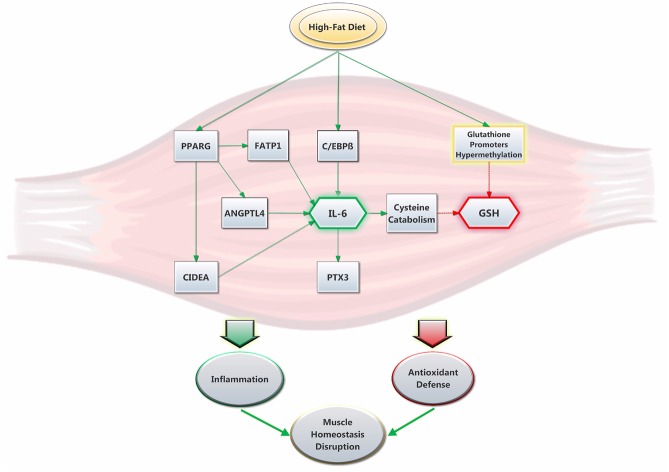
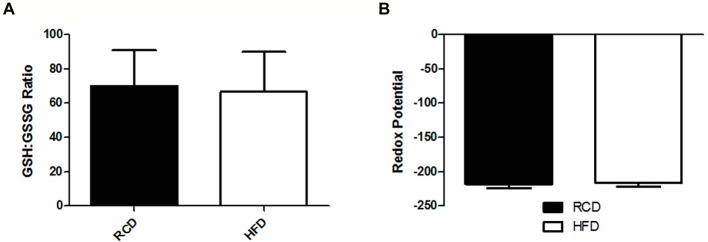
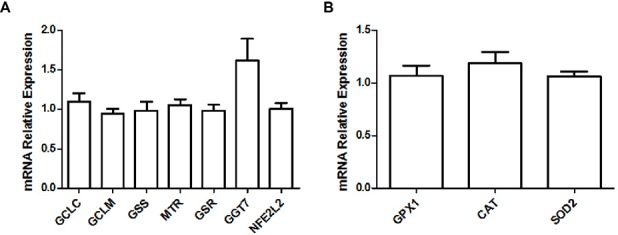
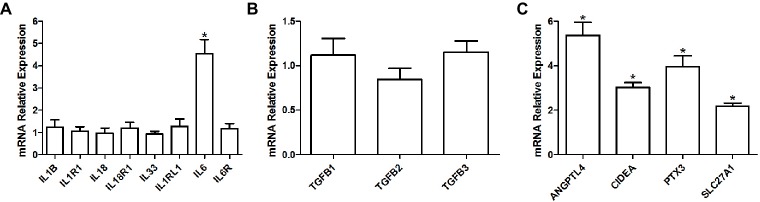
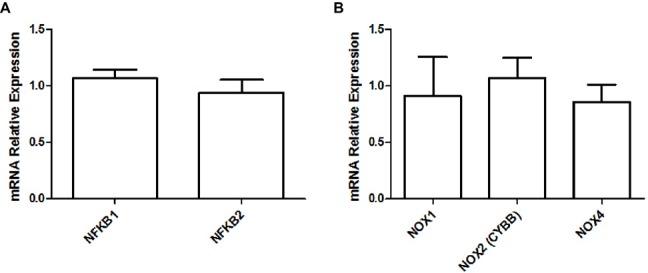
Obesity and ensuing disorders are increasingly prevalent worldwide. High-fat diets (HFD) and diet-induced obesity have been shown to induce oxidative stress and inflammation while altering metabolic homeostasis in many organs, including the skeletal muscle. We previously observed that 14 days of HFD impairs contractile functions of the soleus (SOL) oxidative skeletal muscle. However, the mechanisms underlying these effects are not clarified. In order to determine the effects of a short-term HFD on skeletal muscle glutathione metabolism, young male Wistar rats (100-125 g) were fed HFD or a regular chow diet (RCD) for 14 days. Reduced (GSH) and disulfide (GSSG) glutathione levels were measured in the SOL. The expression of genes involved in the regulation of glutathione metabolism, oxidative stress, antioxidant defense and inflammation were measured by RNA-Seq. We observed a significant 25% decrease of GSH levels in the SOL muscle. Levels of GSSG and the GSH:GSSG ratio were similar in both groups. Further, we observed a 4.5 fold increase in the expression of pro-inflammatory cytokine interleukin 6 (IL-6) but not of other cytokines or markers of inflammation and oxidative stress. We hereby demonstrate that a short-term HFD significantly lowers SOL muscle GSH levels. This effect could be mediated through the increased expression of IL-6. Further, the skeletal muscle antioxidant defense could be impaired under cellular stress. We surmise that these early alterations could contribute to HFD-induced insulin resistance observed in longer protocols.
肥胖及其引发的疾病在全球范围内日益普遍。高脂饮食(HFD)和饮食诱导的肥胖已被证明会诱导氧化应激和炎症,同时改变包括骨骼肌在内的许多器官的代谢稳态。我们之前观察到,14天的高脂饮食会损害比目鱼肌(SOL)氧化型骨骼肌的收缩功能。然而,这些影响背后的机制尚不清楚。为了确定短期高脂饮食对骨骼肌谷胱甘肽代谢的影响,将年轻雄性Wistar大鼠(100 - 125克)喂食高脂饮食或常规饲料(RCD)14天。测量比目鱼肌中还原型(GSH)和二硫键型(GSSG)谷胱甘肽水平。通过RNA测序测量参与谷胱甘肽代谢、氧化应激、抗氧化防御和炎症调节的基因表达。我们观察到比目鱼肌中GSH水平显著下降25%。两组中GSSG水平和GSH:GSSG比值相似。此外,我们观察到促炎细胞因子白细胞介素6(IL - 6)的表达增加了4.5倍,但其他细胞因子或炎症和氧化应激标志物的表达没有增加。我们在此证明,短期高脂饮食会显著降低比目鱼肌的GSH水平。这种效应可能是通过IL - 6表达增加介导的。此外,在细胞应激下骨骼肌的抗氧化防御可能受损。我们推测这些早期变化可能导致在更长实验方案中观察到的高脂饮食诱导的胰岛素抵抗。