Daniali Hojjat, Flaten Magne Arve
Department of Humanity Sciences, Shahed University, Tehran, Iran.
Department of Psychology, Norwegian University of Science and Technology, Trondheim, Norway.
Front Psychiatry. 2019 Apr 15;10:242. doi: 10.3389/fpsyt.2019.00242. eCollection 2019.
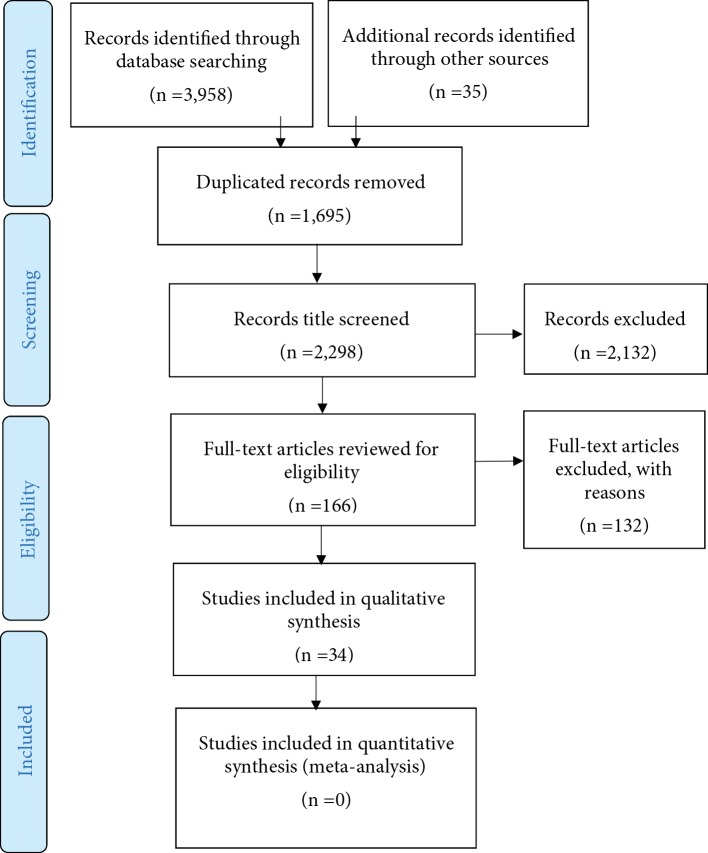
Previous research has indicated that the sex, status, and nonverbal behaviors of experimenters or clinicians can contribute to reported pain, and placebo and nocebo effects in patients or research participants. However, no systematic review has been published. The aim of this study was to investigate the effects of experimenter/clinician characteristics and nonverbal behavior on pain, placebo, and nocebo effects. Using EmBase, Web of Knowledge, and PubMed databases, several literature searches were conducted to find studies that investigated the effects of the experimenter's/clinician's sex, status, and nonverbal behaviors on pain, placebo, and nocebo effects. Thirty-four studies were included, 20 on the effects of characteristics of the experimenter/clinician, 11 on the role of nonverbal behaviors, and 3 on the effects of both nonverbal behaviors and characteristics of experimenters/clinicians on pain and placebo/nocebo effects. There was a tendency for experimenters/clinicians to induce lower pain report in participants of the opposite sex. Furthermore, higher confidence, competence, and professionalism of experimenters/clinicians resulted in lower pain report and higher placebo effects, whereas lower status of experimenters/clinicians such as lower confidence, competence, and professionalism generated higher reported pain and lower placebo effects. Positive nonverbal behaviors (e.g., smiling, strong tone of voice, more eye contact, more leaning toward the patient/participant, and more body gestures) contributed to lower reported pain and higher placebo effects, whereas negative nonverbal behaviors (i.e., no smile, monotonous tone of voice, no eye contact, leaning backward from the participant/patient, and no body gestures) contributed to higher reported pain and nocebo effects. Characteristics and nonverbal behaviors of experimenters/clinicians contribute to the elicitation and modulation of pain, placebo, and nocebo effects.
先前的研究表明,实验者或临床医生的性别、地位和非语言行为会影响患者或研究参与者报告的疼痛、安慰剂和反安慰剂效应。然而,尚未发表系统综述。本研究的目的是调查实验者/临床医生的特征和非语言行为对疼痛、安慰剂和反安慰剂效应的影响。利用EmBase、Web of Knowledge和PubMed数据库进行了多次文献检索,以寻找研究实验者/临床医生的性别、地位和非语言行为对疼痛、安慰剂和反安慰剂效应影响的研究。纳入了34项研究,其中20项研究了实验者/临床医生特征的影响,11项研究了非语言行为的作用,3项研究了非语言行为和实验者/临床医生特征对疼痛和安慰剂/反安慰剂效应的影响。实验者/临床医生倾向于使异性参与者报告的疼痛较低。此外,实验者/临床医生更高的自信、能力和专业素养会导致更低的疼痛报告和更高的安慰剂效应,而实验者/临床医生较低的地位,如较低的自信、能力和专业素养,则会导致更高的疼痛报告和更低的确安慰剂效应。积极的非语言行为(如微笑、有力的语调、更多的眼神交流、更多地倾向患者/参与者以及更多的身体姿势)有助于降低报告的疼痛和提高安慰剂效应,而消极的非语言行为(即不微笑、单调的语调、没有眼神交流、从参与者/患者向后倾斜以及没有身体姿势)则会导致更高的疼痛报告和反安慰剂效应。实验者/临床医生的特征和非语言行为有助于疼痛、安慰剂和反安慰剂效应的引发和调节。