College of Veterinary Medicine, Northwest A&F University, Yangling, Shaanxi, China.
Key Laboratory of Animal Immunology of the Ministry of Agriculture, Henan Provincial Key Laboratory of Animal Immunology, Henan Academy of Agricultural Sciences, Zhengzhou, Henan, China.
mBio. 2019 May 7;10(3):e00574-19. doi: 10.1128/mBio.00574-19.
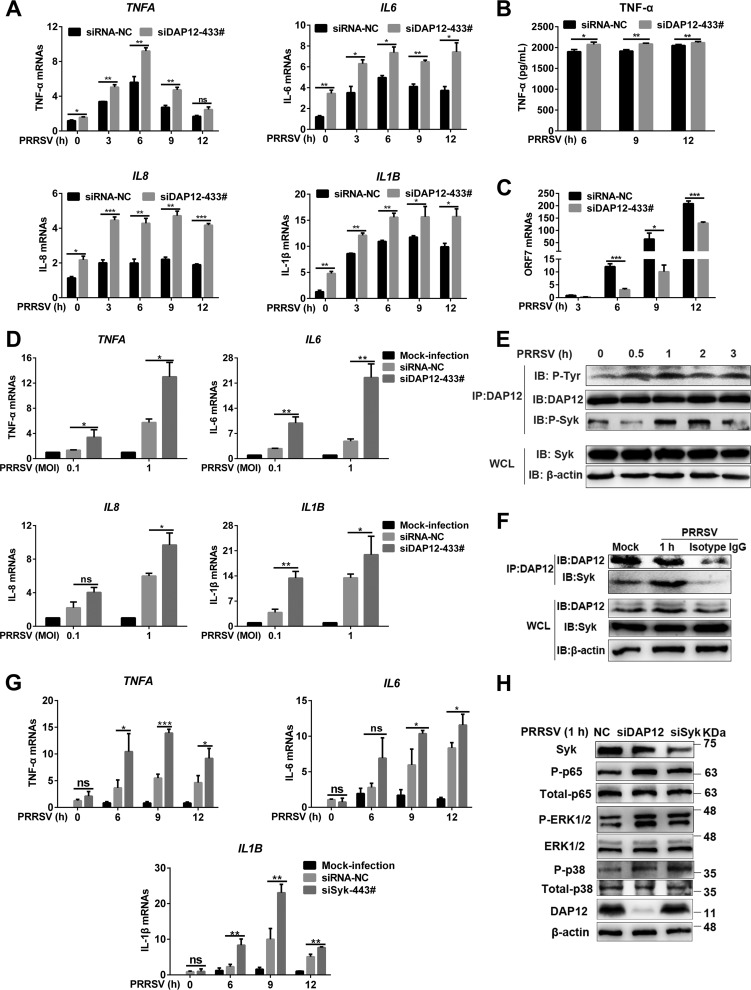
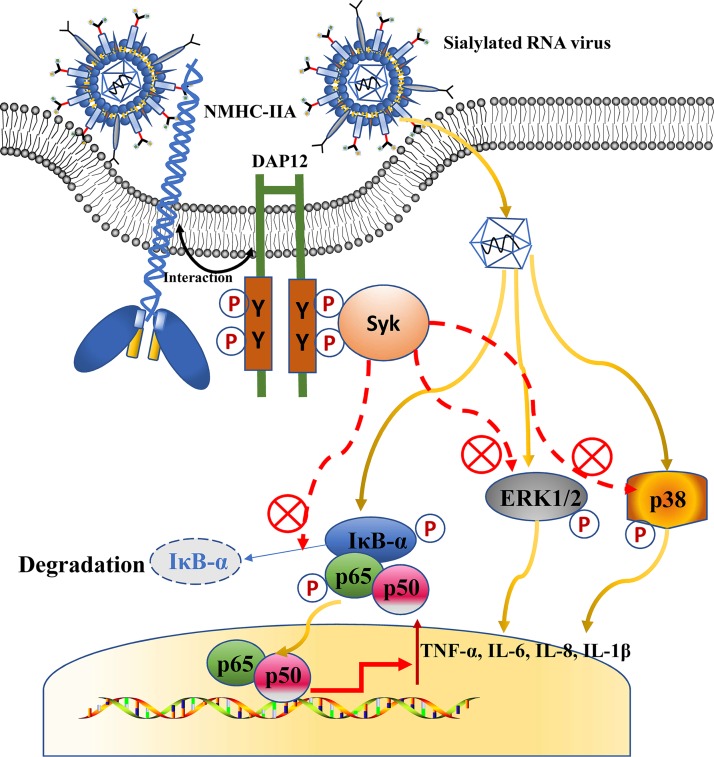
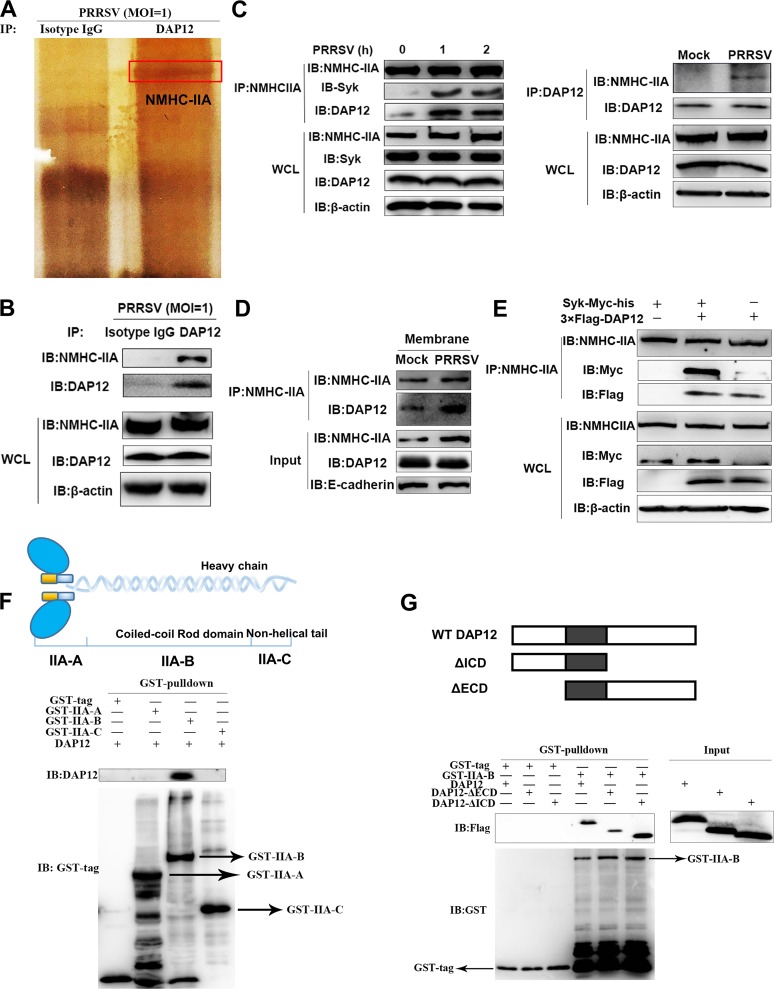
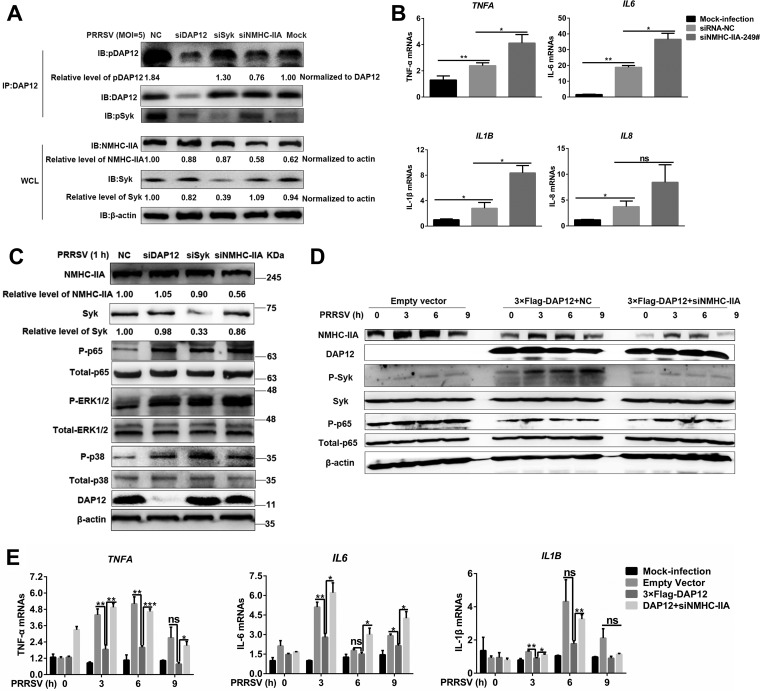
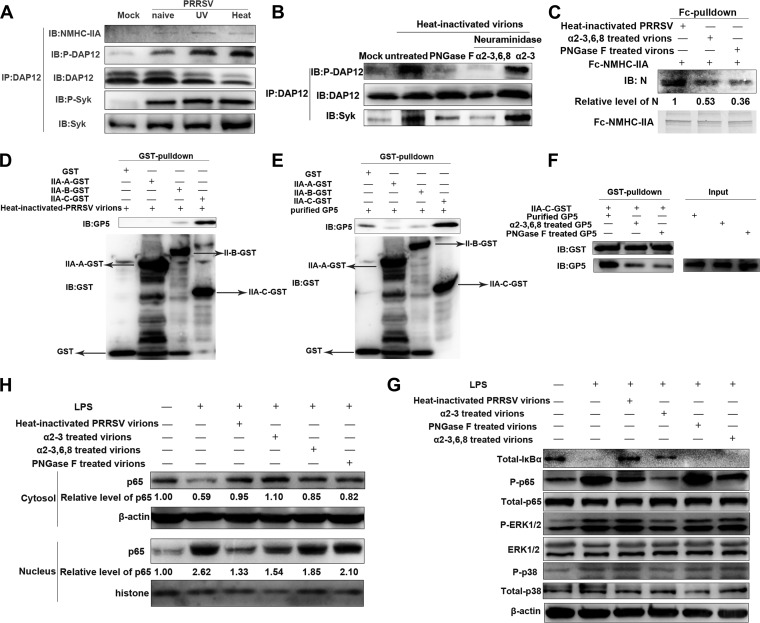
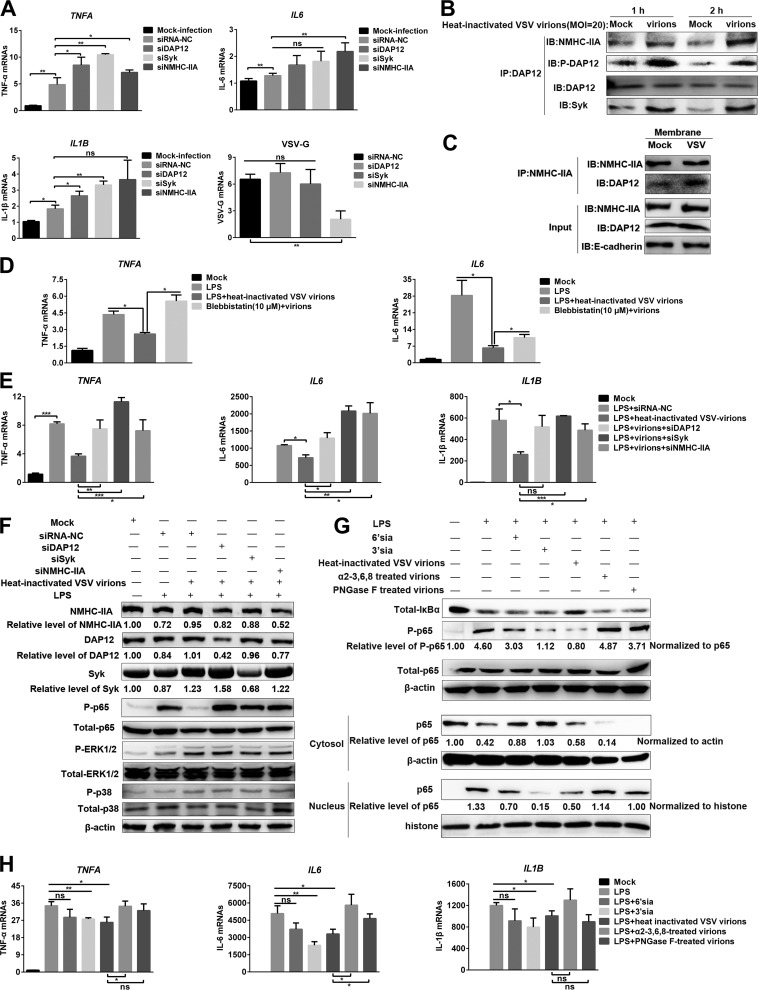
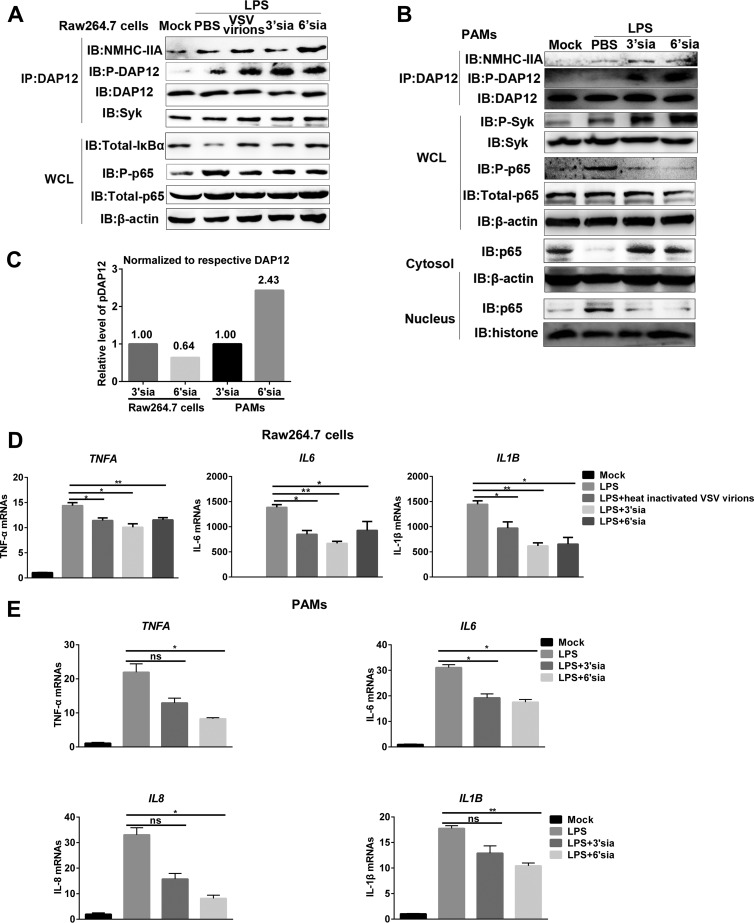
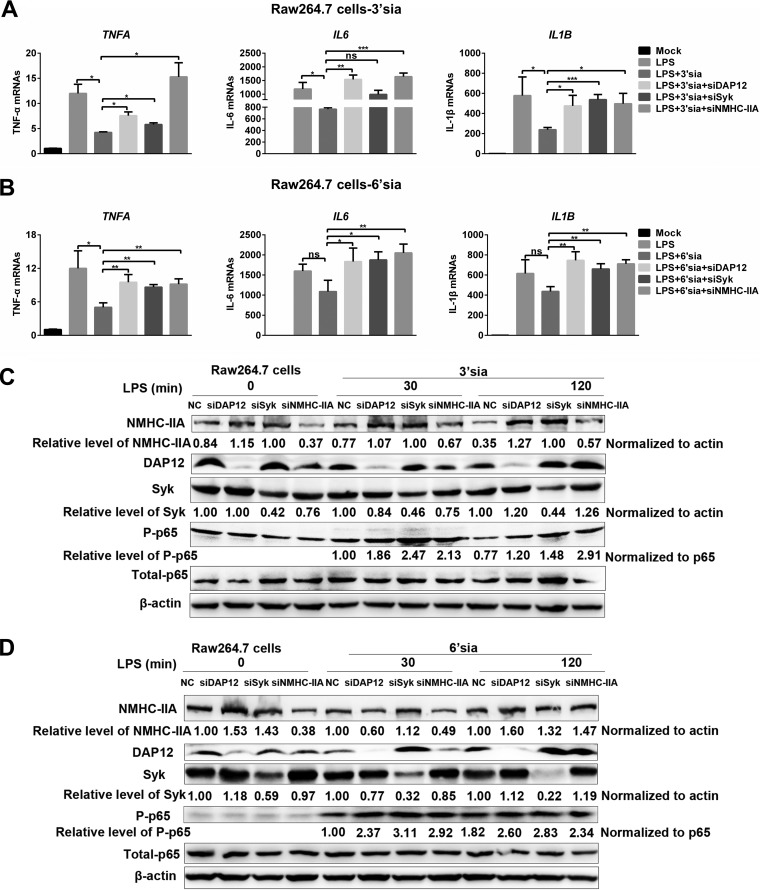
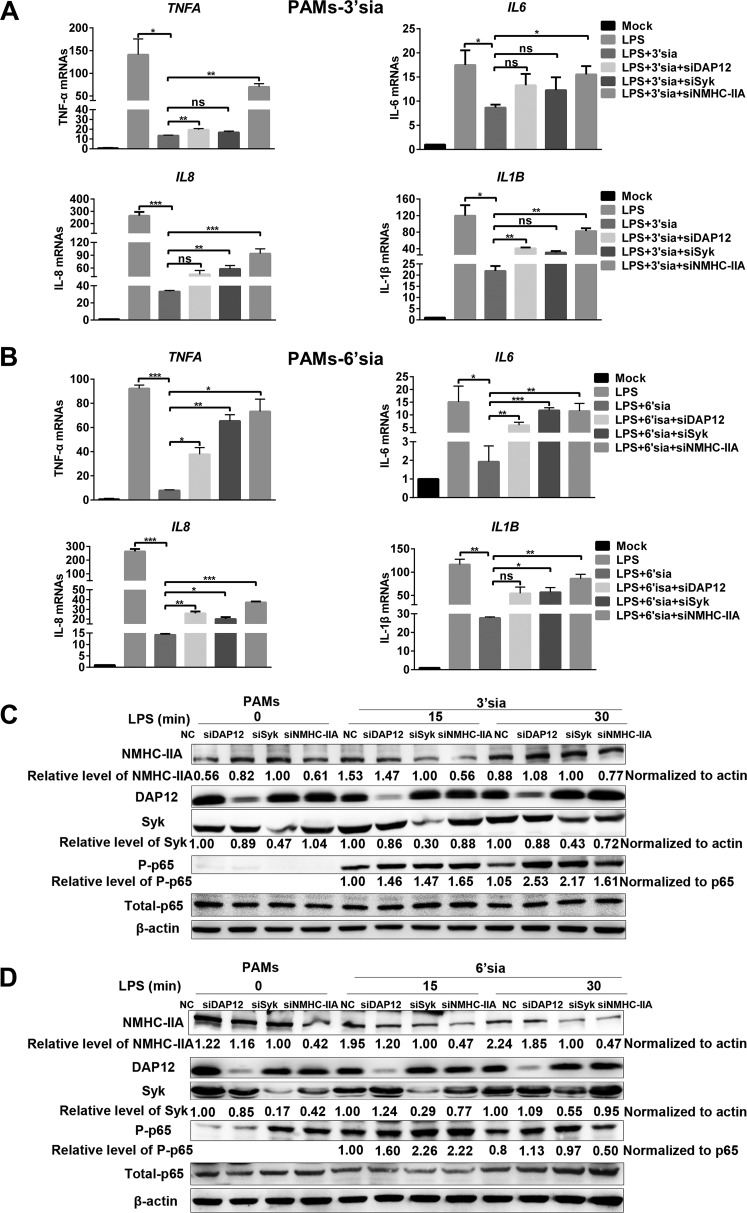
Viral infections induce proinflammatory signaling cascades and inflammatory cytokine production, which is precisely regulated for host benefits. In the current study, we unravel a previously unappreciated role of nonmuscle myosin heavy chain IIA (NMHC-IIA) as a negative regulator in inflammatory responses. We identified that cell surface NMHC-IIA recognized sialic acids on sialylated RNA viruses during early infections and interacted with an immune adaptor DNAX activation protein of 12 kDa (DAP12) to recruit downstream spleen tyrosine kinase (Syk), leading to suppressed virus-triggered proinflammatory responses. More importantly, recognition of sialylated RNA viruses or sialic acid mimics by NMHC-IIA was shown to inhibit lipopolysaccharide (LPS)-induced proinflammatory responses via the DAP12-Syk pathway. These findings uncover a novel negative regulation mechanism of proinflammatory responses and provide a molecular basis to design anti-inflammatory drugs. NMHC-IIA, a subunit of nonmuscle myosin IIA (NM-IIA), takes part in diverse physiological processes, including cell movement, cell shape maintenance, and signal transduction. Recently, NMHC-IIA has been demonstrated to be a receptor or factor contributing to viral infections. Here, we identified that NMHC-IIA recognizes sialic acids on sialylated RNA viruses, vesicular stomatitis virus (VSV) and porcine reproductive and respiratory syndrome virus (PRRSV). Upon recognition, NMHC-IIA associates with the transmembrane region of DAP12 to recruit Syk. Activation of the DAP12-Syk pathway impairs the host antiviral proinflammatory cytokine production and signaling cascades. More importantly, sialic acid mimics and sialylated RNA viruses enable the antagonism of LPS-triggered proinflammatory responses through engaging the NMHC-IIA-DAP12-Syk pathway. These results actually support that NMHC-IIA is involved in negative modulation of the host innate immune system, which provides a molecular basis for prevention and control of the sialylated RNA viruses and treatment of inflammatory diseases.
病毒感染诱导促炎信号级联反应和炎症细胞因子的产生,而这正是宿主获益的精确调节。在本研究中,我们揭示了非肌肉肌球蛋白重链 IIA(NMHC-IIA)作为炎症反应的负调控因子的先前未被认识的作用。我们发现,细胞表面 NMHC-IIA 在早期感染过程中识别唾液酸化 RNA 病毒上的唾液酸,并与免疫衔接蛋白 12kDa DNAX 激活蛋白(DAP12)相互作用,招募下游脾酪氨酸激酶(Syk),从而抑制病毒触发的促炎反应。更重要的是,NMHC-IIA 识别唾液酸化 RNA 病毒或唾液酸类似物可通过 DAP12-Syk 途径抑制脂多糖(LPS)诱导的促炎反应。这些发现揭示了促炎反应的一种新的负调控机制,并为设计抗炎药物提供了分子基础。非肌肉肌球蛋白重链 IIA(NM-IIA)的一个亚基 NMHC-IIA 参与了多种生理过程,包括细胞运动、细胞形状维持和信号转导。最近,NMHC-IIA 已被证明是参与病毒感染的受体或因子。在这里,我们发现 NMHC-IIA 识别唾液酸化 RNA 病毒、水疱性口炎病毒(VSV)和猪繁殖与呼吸综合征病毒(PRRSV)上的唾液酸。在识别后,NMHC-IIA 与 DAP12 的跨膜区结合,招募 Syk。DAP12-Syk 通路的激活会损害宿主抗病毒促炎细胞因子的产生和信号级联反应。更重要的是,唾液酸类似物和唾液酸化 RNA 病毒通过与 NMHC-IIA-DAP12-Syk 通路相互作用,使 LPS 触发的促炎反应受到抑制。这些结果实际上支持 NMHC-IIA 参与宿主固有免疫系统的负调控,为预防和控制唾液酸化 RNA 病毒以及治疗炎症性疾病提供了分子基础。