Zhou Yuyin, Zhang Ningning, Arikawa Andrea Y, Chen Chi
Department of Food Science and Nutrition, University of Minnesota, St. Paul, MN 55108, USA.
Department of Nutrition & Dietetics, University of North Florida, Jacksonville, FL 32224, USA.
Metabolites. 2019 May 11;9(5):96. doi: 10.3390/metabo9050096.
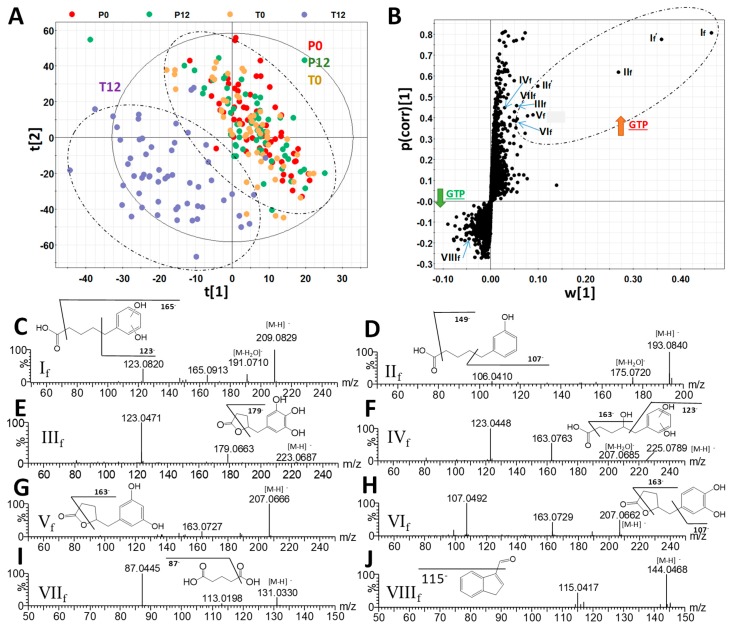
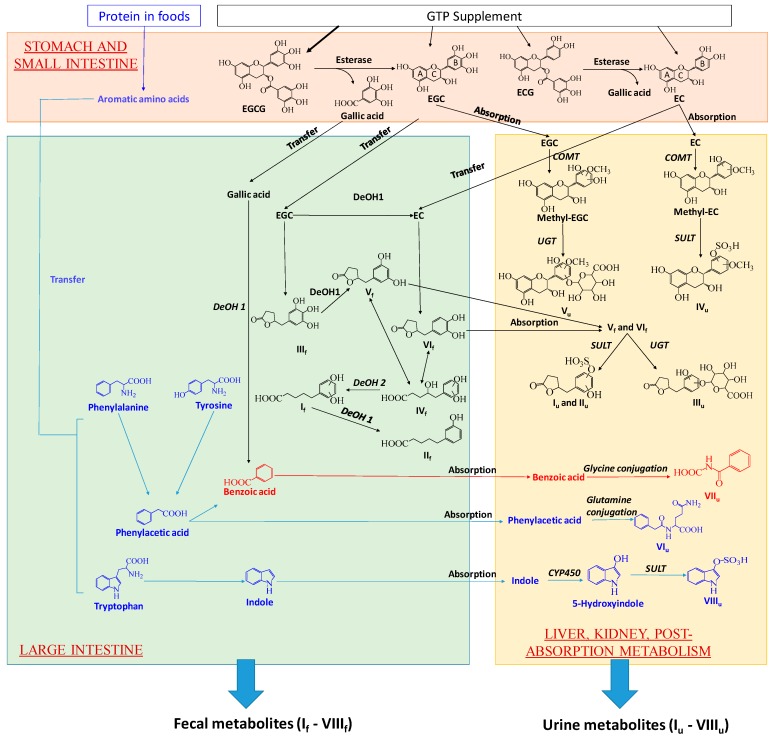
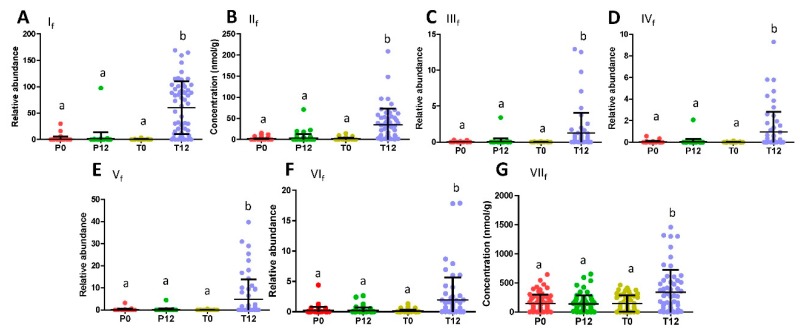
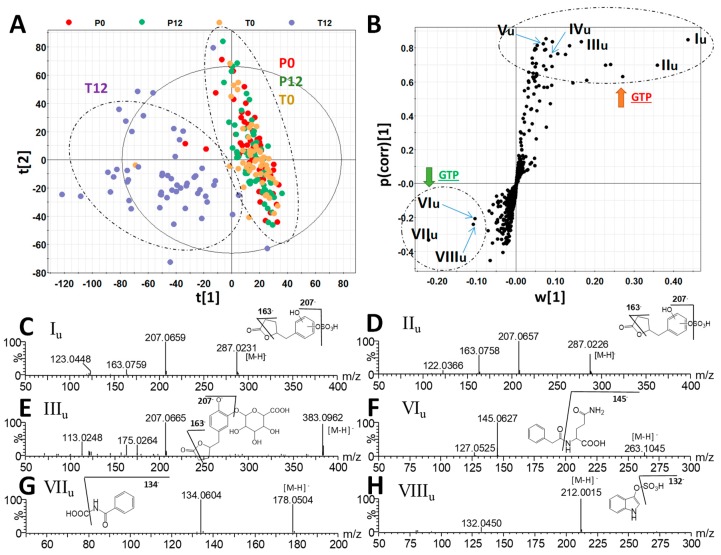
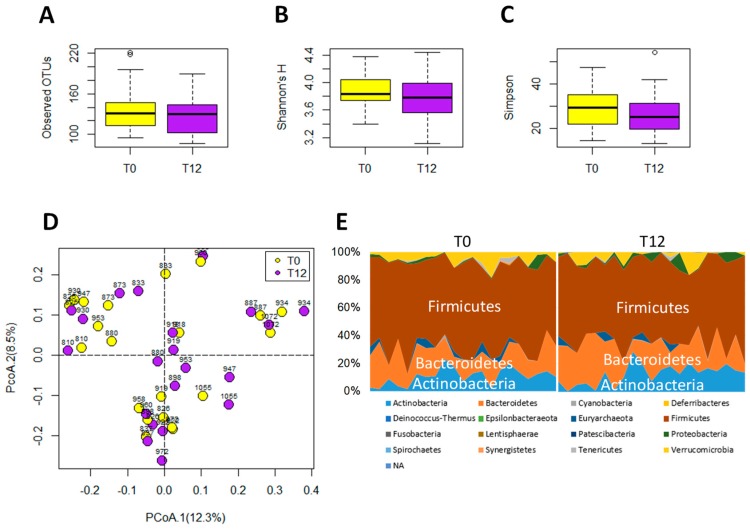
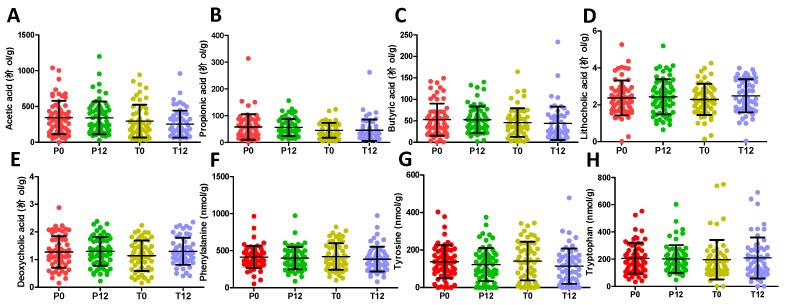
The bioactivities and potential health benefits of green tea polyphenols (GTP) have been extensively investigated, but the metabolic impact of chronic GTP intake on humans is not well defined. In this study, fecal and urine samples from postmenopausal female subjects taking a GTP supplement or placebo for 12 months were compared by liquid chromatography-mass spectrometry-based metabolomic analysis. The GTP-derived and GTP-responsive metabolites were identified and characterized by structural elucidation and quantitative analysis of the metabolites contributing to the separation of control and treatment samples in the multivariate models. Major GTP and their direct sulfate and glucuronide metabolites were absent in feces and urine. In contrast, GTP-derived phenyl-γ-valerlactone and phenylvaleric acid metabolites were identified as the most abundant GTP-derived metabolites in feces and urine, suggesting extensive microbial biotransformation of GTP in humans. Interestingly, GTP decreased the levels of microbial metabolites of aromatic amino acids (AAA), including indoxyl sulfate, phenylacetylglutamine, and hippuric acid, in urine. However, it did not affect the levels of AAA, as well as other microbial metabolites, including short-chain fatty acids and secondary bile acids, in feces. 16S rRNA gene sequencing indicated that the fecal microbiome was not significantly affected by chronic consumption of GTP. Overall, microbial metabolism is responsible for the formation of GTP metabolites while GTP metabolism may inhibit the formation of AAA metabolites from microbial metabolism. Because these GTP-derived and GTP-responsive metabolites have diverse bioactivities, microbial metabolism of GTP and AAA may play important roles in the beneficial health effects of green tea consumption in humans.
绿茶多酚(GTP)的生物活性和潜在健康益处已得到广泛研究,但长期摄入GTP对人体的代谢影响尚不清楚。在本研究中,通过基于液相色谱-质谱的代谢组学分析,比较了服用GTP补充剂或安慰剂12个月的绝经后女性受试者的粪便和尿液样本。通过对多变量模型中有助于区分对照和处理样本的代谢物进行结构解析和定量分析,鉴定并表征了GTP衍生和GTP响应的代谢物。粪便和尿液中不存在主要的GTP及其直接的硫酸盐和葡萄糖醛酸代谢物。相反,GTP衍生的苯基-γ-戊内酯和苯基戊酸代谢物被鉴定为粪便和尿液中最丰富的GTP衍生代谢物,表明GTP在人体内发生了广泛的微生物生物转化。有趣的是,GTP降低了尿液中芳香族氨基酸(AAA)的微生物代谢物水平,包括硫酸吲哚酚、苯乙酰谷氨酰胺和马尿酸。然而,它对粪便中AAA的水平以及其他微生物代谢物,包括短链脂肪酸和次级胆汁酸,没有影响。16S rRNA基因测序表明,长期摄入GTP对粪便微生物群没有显著影响。总体而言,微生物代谢负责GTP代谢物的形成,而GTP代谢可能抑制微生物代谢中AAA代谢物的形成。由于这些GTP衍生和GTP响应的代谢物具有多种生物活性,GTP和AAA的微生物代谢可能在绿茶对人体健康有益作用中发挥重要作用。