Ironwood Pharmaceuticals, Cambridge, MA 02142;
Cyclerion Therapeutics, Cambridge, MA 02142.
Proc Natl Acad Sci U S A. 2019 May 28;116(22):11057-11062. doi: 10.1073/pnas.1821045116. Epub 2019 May 13.
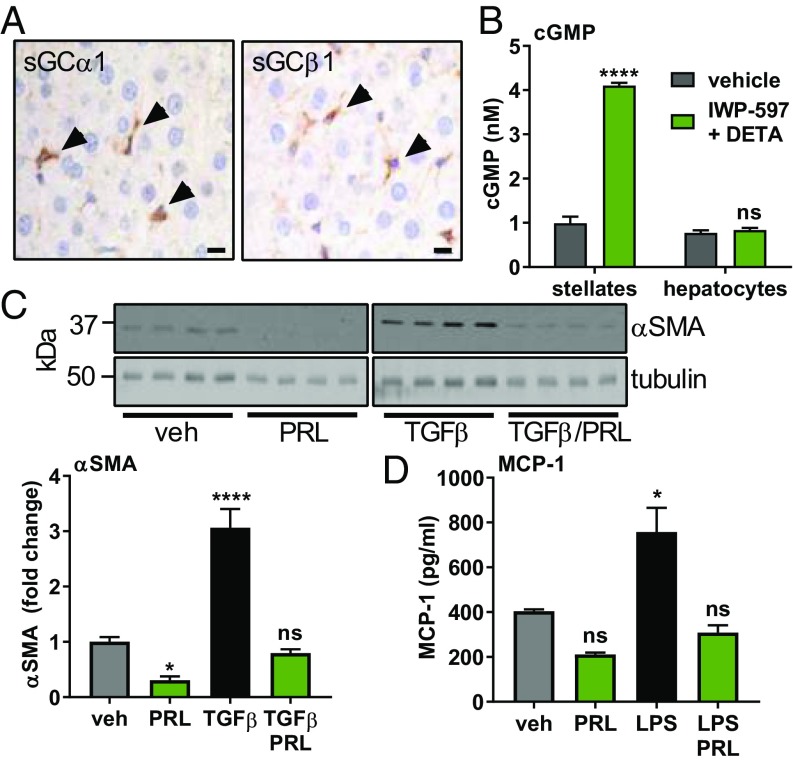
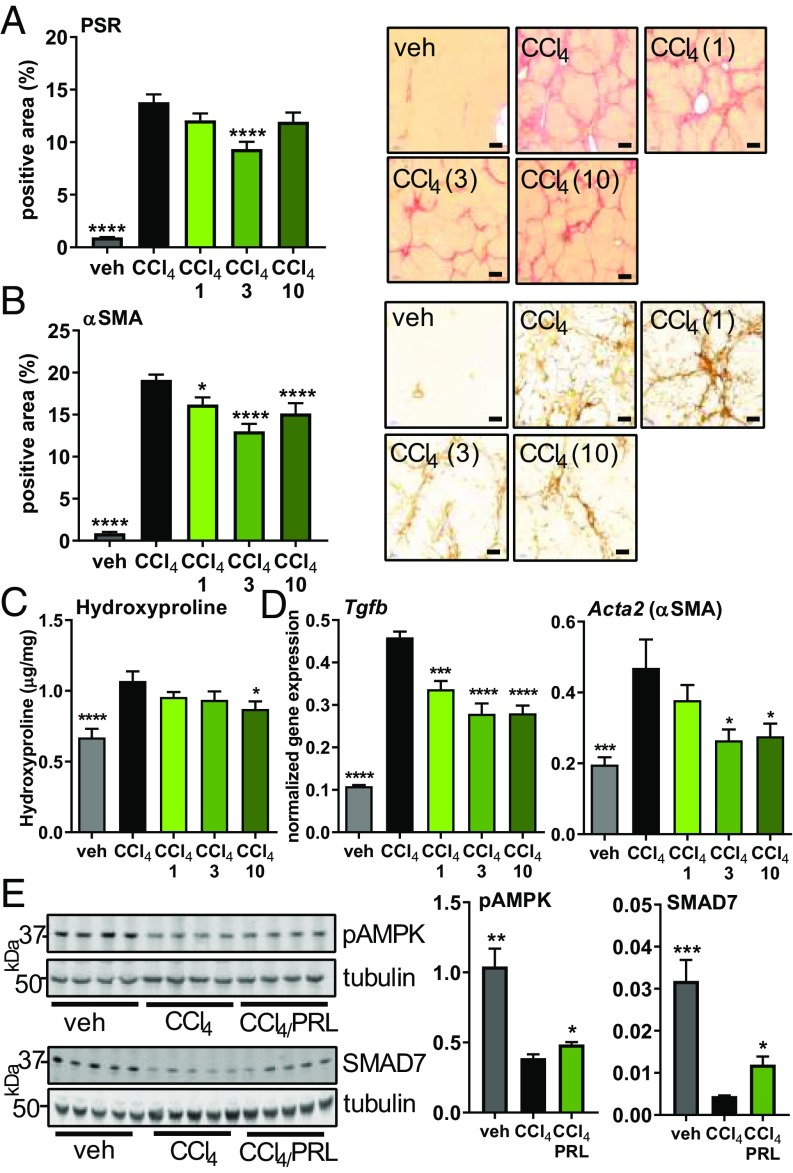
Endothelial dysfunction and reduced nitric oxide (NO) signaling are a key element of the pathophysiology of nonalcoholic steatohepatitis (NASH). Stimulators of soluble guanylate cyclase (sGC) enhance NO signaling; have been shown preclinically to reduce inflammation, fibrosis, and steatosis; and thus have been proposed as potential therapies for NASH and fibrotic liver diseases. Praliciguat, an oral sGC stimulator with extensive distribution to the liver, was used to explore the role of this signaling pathway in NASH. We found that sGC is expressed in hepatic stellate cells and stellate-derived myofibroblasts, but not in hepatocytes. Praliciguat acted directly on isolated hepatic stellate cells to inhibit fibrotic and inflammatory signaling potentially through regulation of AMPK and SMAD7. Using in vivo microdialysis, we demonstrated stimulation of the NO-sGC pathway by praliciguat in both healthy and fibrotic livers. In preclinical models of NASH, praliciguat treatment was associated with lower levels of liver fibrosis and lower expression of fibrotic and inflammatory biomarkers. Praliciguat treatment lowered hepatic steatosis and plasma cholesterol levels. The antiinflammatory and antifibrotic effects of praliciguat were recapitulated in human microtissues in vitro. These data provide a plausible cellular basis for the mechanism of action of sGC stimulators and suggest the potential therapeutic utility of praliciguat in the treatment of NASH.
内皮功能障碍和一氧化氮(NO)信号转导减少是非酒精性脂肪性肝炎(NASH)病理生理学的一个关键因素。可溶性鸟苷酸环化酶(sGC)的刺激剂增强了 NO 信号转导;临床前研究表明,它们可以减少炎症、纤维化和脂肪变性;因此,它们被提议作为 NASH 和纤维化性肝病的潜在治疗方法。普拉西古肽是一种口服 sGC 刺激剂,广泛分布于肝脏,用于探索该信号通路在 NASH 中的作用。我们发现 sGC 在肝星状细胞和星状细胞衍生的肌成纤维细胞中表达,但不在肝细胞中表达。普拉西古肽直接作用于分离的肝星状细胞,通过调节 AMPK 和 SMAD7 来抑制纤维化和炎症信号。通过使用体内微透析,我们证明了普拉西古肽在健康和纤维化的肝脏中均刺激了 NO-sGC 通路。在 NASH 的临床前模型中,普拉西古肽治疗与较低水平的肝纤维化和较低水平的纤维化和炎症生物标志物表达相关。普拉西古肽治疗降低了肝脂肪变性和血浆胆固醇水平。普拉西古肽在体外的人类微组织中重现了其抗炎和抗纤维化作用。这些数据为 sGC 刺激剂的作用机制提供了合理的细胞基础,并表明普拉西古肽在治疗 NASH 方面具有潜在的治疗效用。