Rezvani Amin Zohreh, Khashyarmanesh Zahra, Fazly Bazzaz Bibi Sedigheh, Sabeti Noghabi Zahra
Biotechnology Research Center, Pharmaceutical Technology Institute, Mashhad University of Medical Sciences, Mashhad, Iran.
Department of Chemistry, Farhangian University, Tehran, Iran.
Iran J Pharm Res. 2019 Winter;18(1):210-221.
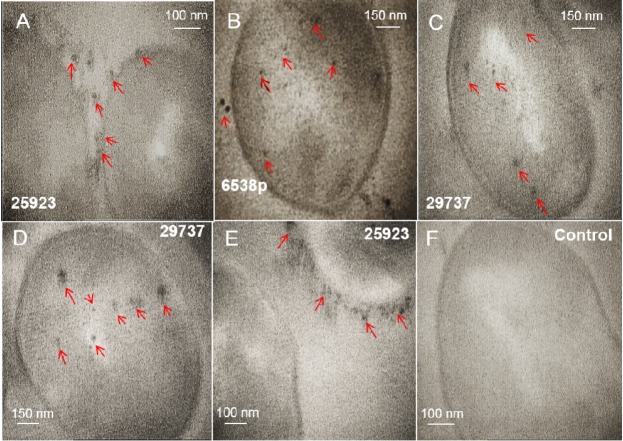
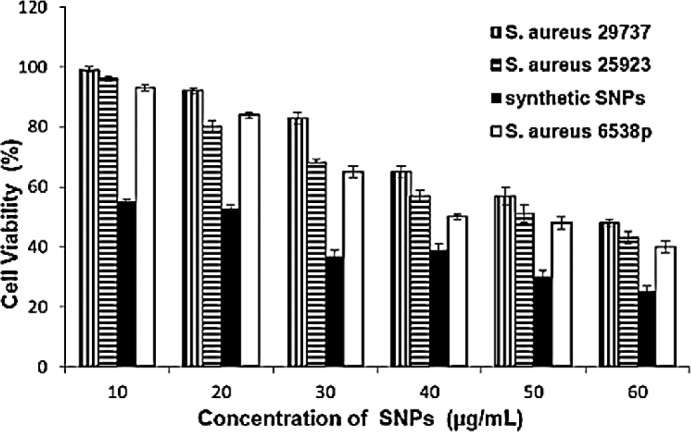
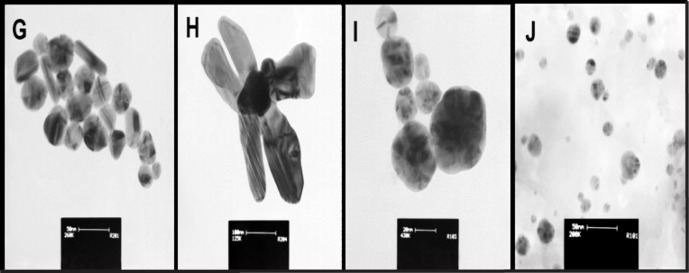
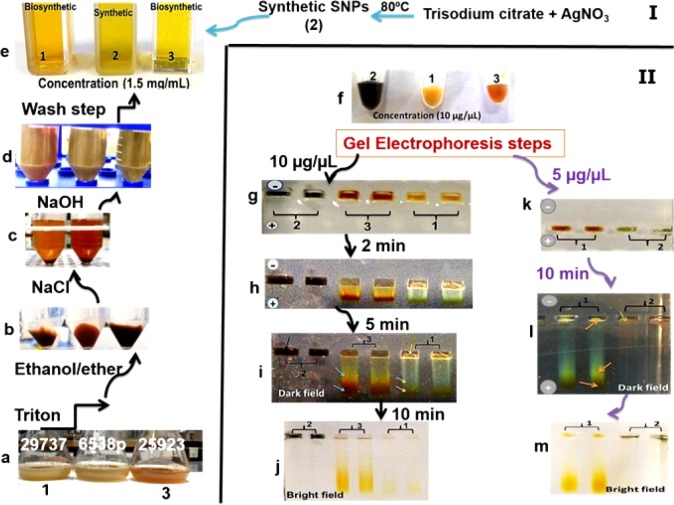
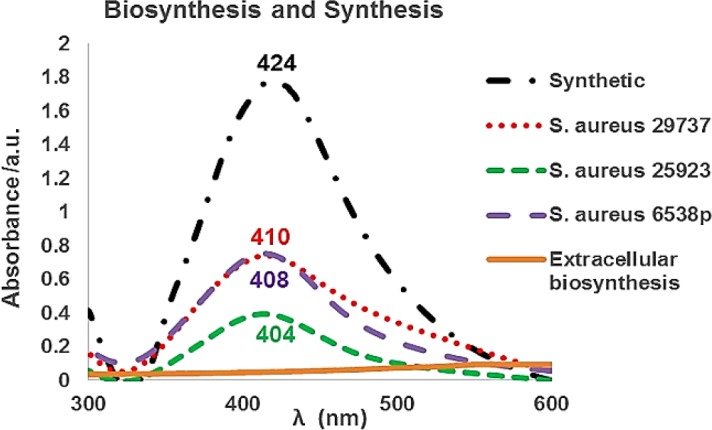
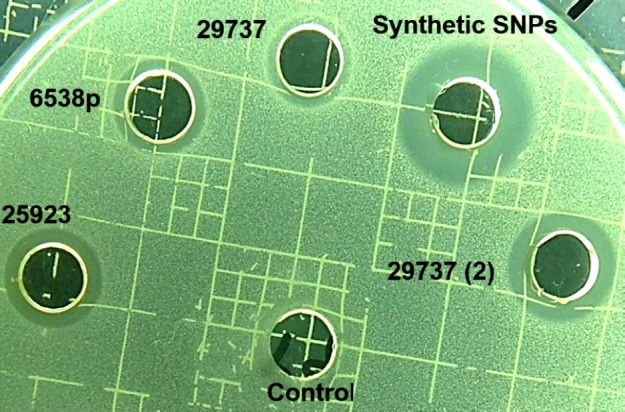
Control of size and shape is a challenge in nanoparticle synthesis. Synthetic and biosynthetic (both extracellular and intracellular) methods are used to prepare silver nanoparticle (SNP). In this study, the behavior of three strains of () was investigated in the presence of silver nitrate intra- and extracellularly. strains biosynthesized SNPs intracellularly, while in the method of the extracellular biosynthesis, none of the strains could produce the SNP under different conditions (dark, bright light, and the presence of nitrate ion). Intracellular SNPs were purified. The results of this study and previous results were used to compare different properties of the biosynthetic (intra- and extracellular) and synthetic SNPs in terms of shape, size, zeta potential, stability, and toxicity. The results confirmed lower toxicity of biosynthetic SNPs assays, and their more stability with less aggregation compared to the synthetic ones. Also, the biosynthetic nanoparticles were found uniform and small. These nanoparticles may be useful for being employed as biosensors.
纳米颗粒合成中对尺寸和形状的控制是一项挑战。合成法和生物合成法(包括细胞外和细胞内)都被用于制备银纳米颗粒(SNP)。在本研究中,研究了三株()菌株在细胞内和细胞外存在硝酸银的情况下的行为。菌株在细胞内生物合成了SNP,而在细胞外生物合成方法中,在不同条件下(黑暗、强光和硝酸根离子存在),没有一株菌株能够产生SNP。细胞内的SNP被纯化。本研究结果和先前结果被用于比较生物合成(细胞内和细胞外)和合成SNP在形状、尺寸、zeta电位、稳定性和毒性方面的不同特性。结果证实,在检测中生物合成SNP的毒性较低,并且与合成SNP相比,它们具有更高的稳定性,聚集较少。此外,发现生物合成的纳米颗粒均匀且尺寸较小。这些纳米颗粒可能用作生物传感器。