Wypij Magdalena, Jędrzejewski Tomasz, Trzcińska-Wencel Joanna, Ostrowski Maciej, Rai Mahendra, Golińska Patrycja
Department of Microbiology, Nicolaus Copernicus University, Toruń, Poland.
Department of Immunology, Nicolaus Copernicus University, Toruń, Poland.
Front Microbiol. 2021 Apr 22;12:632505. doi: 10.3389/fmicb.2021.632505. eCollection 2021.
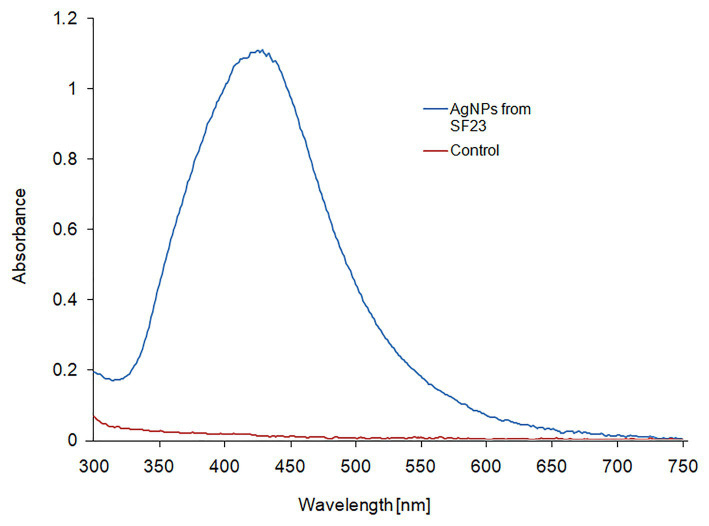
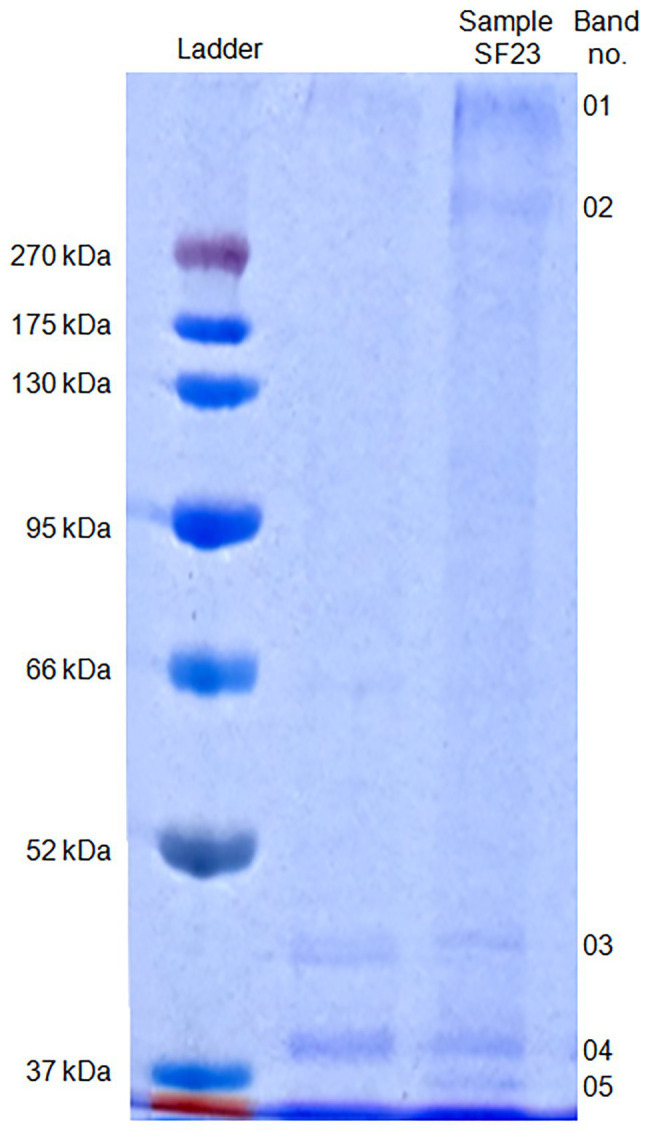
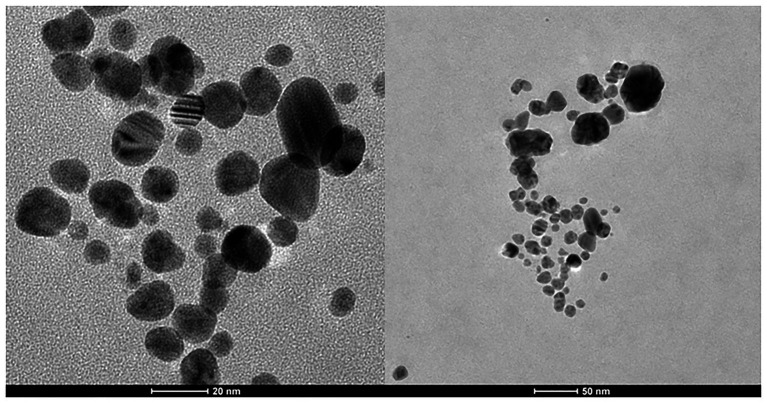
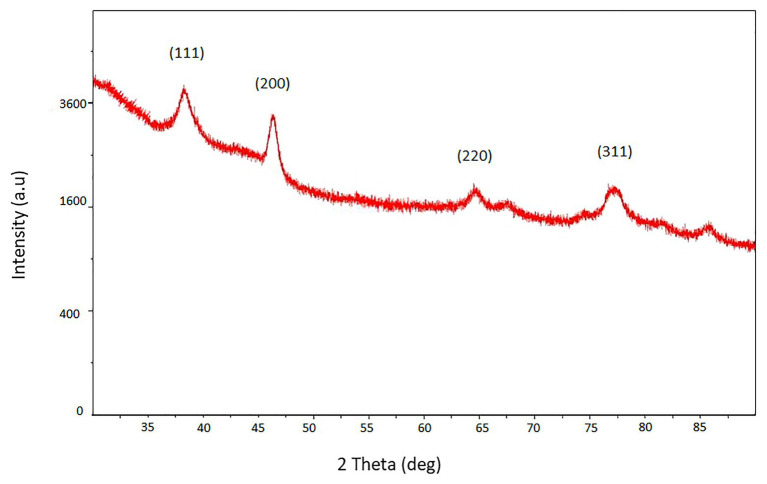
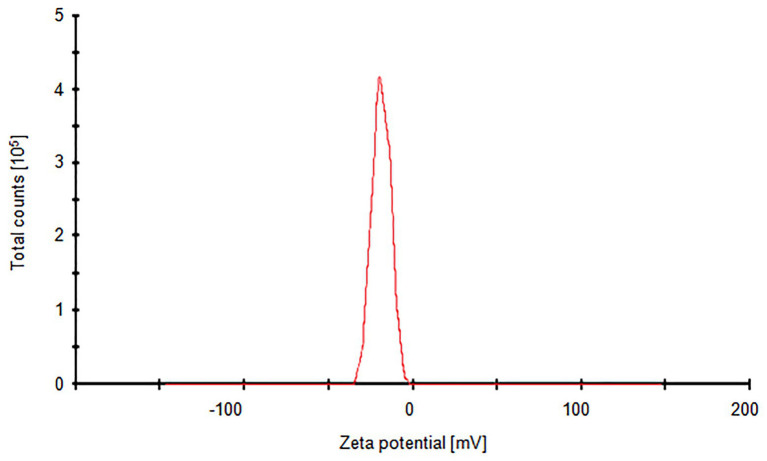
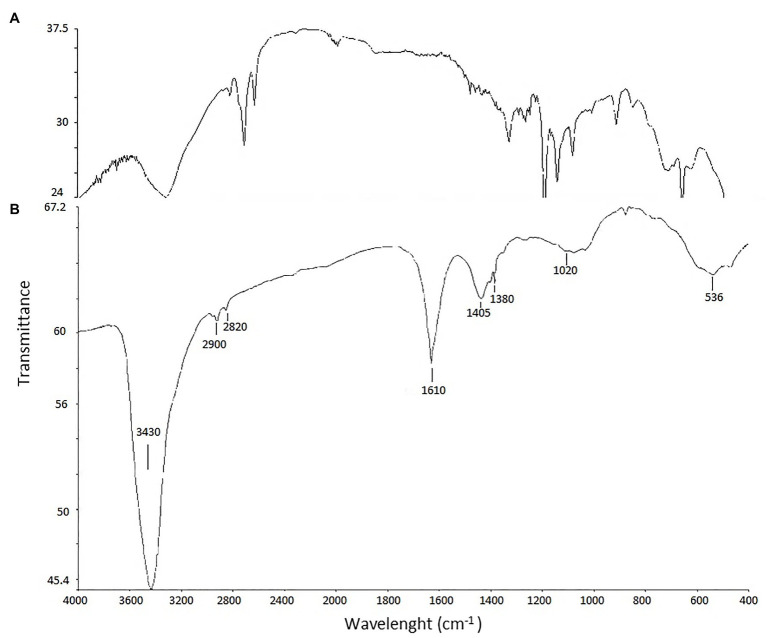
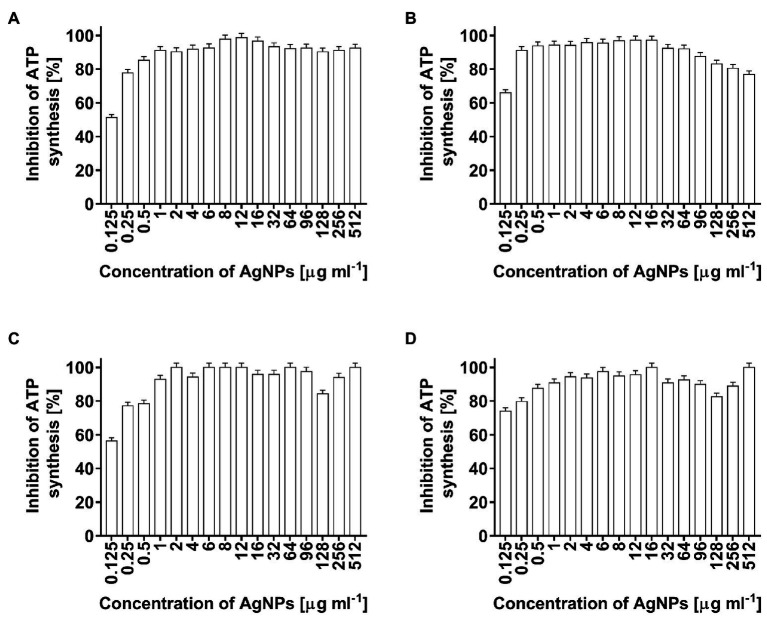
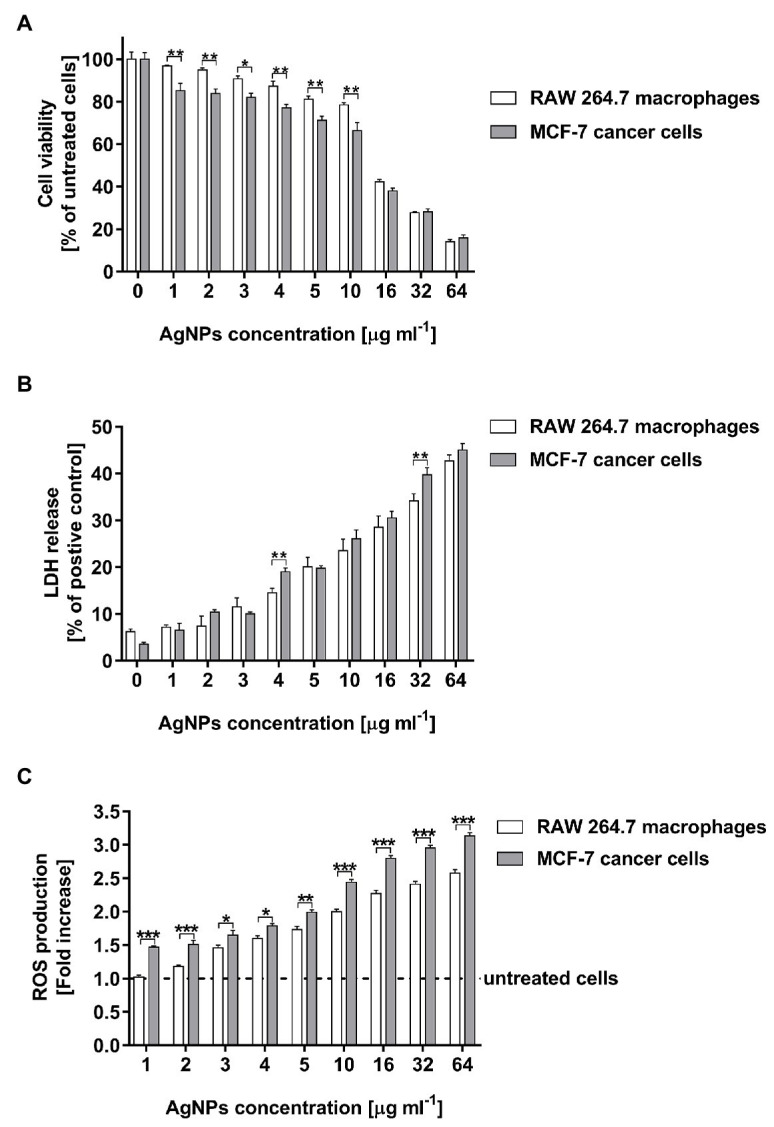
The increasing number of multi-drug-resistant bacteria and cancer cases, that are a real threat to humankind, forces research world to develop new weapons to deal with it. Biogenic silver nanoparticles (AgNPs) are considered as a solution to this problem. Biosynthesis of AgNPs is regarded as a green, eco-friendly, low-priced process that provides small and biocompatible nanostructures with antimicrobial and anticancer activities and potential application in medicine. The biocompatibility of these nanoparticles is related to the coating with biomolecules of natural origin. The synthesis of AgNPs from actinobacterial strain was confirmed using UV-Vis spectroscopy while their morphology, crystalline structure, stability, and coating were characterized using, transmission electron microscopy (TEM), X-ray diffraction (XRD), Zeta potential and Fourier transform infrared spectroscopy (FTIR). Antibacterial activity of biogenic AgNPs was evaluated by determination of minimum inhibitory and minimum biocidal concentrations (MIC and MBC) against , , , and . The potential mechanism of antibacterial action of AgNPs was determined by measurement of ATP level. Since the use of AgNPs in biomedical applications depend on their safety, the cytotoxicity of biosynthesized AgNPs on MCF-7 human breast cancer cell line and murine macrophage cell line RAW 264.7 using MTT [3-(4,5-dimethylthiazol-2-yl)-2,5-diphenyltetrazolium bromide] assay, cell lactate dehydrogenase (LDH) release and measurement of reactive oxygen species (ROS) level were assessed. The nanoparticle protein capping agent that can be involved in reduction of silver ions to AgNPs and their stabilization was identified using LC-MS/MS. Nanoparticles were spherical in shape, small in size (mean 13.2 nm), showed crystalline nature, good stability (-18.7 mV) and presence of capping agents. They exhibited antibacterial activity (MIC of 8-128 μg ml, MBC of 64-256 μg ml) and significantly decreased ATP levels in bacterial cells after treatment with different concentrations of AgNPs. The analysis showed that the AgNPs demonstrated dose-dependent cytotoxicity against RAW 264.7 macrophages and MCF-7 breast cancer cells but higher against the latter than the former. Cell viability decrease was found to be 42.2-14.2 and 38.0-15.5% while LDH leakage 14.6-42.7% and 19.0-45.0%, respectively. IC values calculated for MTT assay was found to be 16.3 and 12.0 μg ml and for LDH assay 102.3 and 76.2 μg ml, respectively. Moreover, MCF-7 cells released a greater amount of ROS than RAW 264.7 macrophages during stimulation with all tested concentrations of AgNPs (1.47-3.13 and 1.02-2.58 fold increase, respectively). The SDS-PAGE (sodium dodecyl sulfate-polyacrylamide gel electrophoresis) analysis revealed the presence of five protein bands at a molecular weight between 31.7 and 280.9 kDa. These proteins showed the highest homology to hypothetical proteins and porins from , sp. and . Based on obtained results it can be concluded that biogenic AgNPs were capped with proteins and demonstrated potential as antimicrobial and anticancer agent.
多重耐药菌和癌症病例数量的不断增加对人类构成了真正的威胁,这迫使科研界研发新的应对手段。生物源银纳米颗粒(AgNPs)被视为解决这一问题的一种方法。AgNPs的生物合成被认为是一种绿色、环保、低成本的过程,它能提供具有抗菌和抗癌活性且在医学上具有潜在应用价值的小尺寸生物相容性纳米结构。这些纳米颗粒的生物相容性与天然来源生物分子的包覆有关。利用紫外可见光谱法证实了从放线菌菌株合成AgNPs,同时使用透射电子显微镜(TEM)、X射线衍射(XRD)、zeta电位和傅里叶变换红外光谱(FTIR)对其形态、晶体结构、稳定性和包覆情况进行了表征。通过测定对大肠杆菌、金黄色葡萄球菌、枯草芽孢杆菌和白色念珠菌的最低抑菌浓度和最低杀菌浓度(MIC和MBC)来评估生物源AgNPs的抗菌活性。通过测量ATP水平确定了AgNPs抗菌作用的潜在机制。由于AgNPs在生物医学应用中的使用取决于其安全性,因此使用MTT [3-(4,5-二甲基噻唑-2-基)-2,5-二苯基四氮唑溴盐] 法、细胞乳酸脱氢酶(LDH)释放以及测量活性氧(ROS)水平,评估了生物合成的AgNPs对MCF-7人乳腺癌细胞系和小鼠巨噬细胞系RAW 264.7的细胞毒性。使用液相色谱-串联质谱(LC-MS/MS)鉴定了可参与将银离子还原为AgNPs并使其稳定的纳米颗粒蛋白质封端剂。纳米颗粒呈球形,尺寸小(平均13.2 nm),具有晶体性质、良好的稳定性(-18.7 mV)且存在封端剂。它们表现出抗菌活性(MIC为8 - 128 μg/ml,MBC为64 - 256 μg/ml),并且在用不同浓度的AgNPs处理后,细菌细胞中的ATP水平显著降低。分析表明,AgNPs对RAW 264.7巨噬细胞和MCF-7乳腺癌细胞表现出剂量依赖性细胞毒性,但对后者的毒性高于前者。发现细胞活力下降分别为42.2 - 14.2%和38.0 - 15.5%,而LDH泄漏分别为14.6 - 42.7%和19.0 - 45.0%。MTT法计算的IC值分别为16.3和12.0 μg/ml,LDH法计算的IC值分别为102.3和76.2 μg/ml。此外,在所有测试浓度的AgNPs刺激下,MCF-7细胞释放的ROS比RAW 264.7巨噬细胞更多(分别增加1.47 - 3.13倍和1.02 - 2.58倍)。十二烷基硫酸钠-聚丙烯酰胺凝胶电泳(SDS-PAGE)分析显示存在五条分子量在31.7至280.9 kDa之间的蛋白条带。这些蛋白质与来自大肠杆菌、枯草芽孢杆菌属和金黄色葡萄球菌的假定蛋白质和孔蛋白具有最高的同源性。基于所得结果可以得出结论,生物源AgNPs被蛋白质封端,并显示出作为抗菌和抗癌剂的潜力。