Department of Agriculture and Animal Health,College of Agriculture and Environmental Sciences, University of South Africa, Johannesburg, South Africa.
BMC Complement Altern Med. 2019 May 22;19(1):106. doi: 10.1186/s12906-019-2519-3.
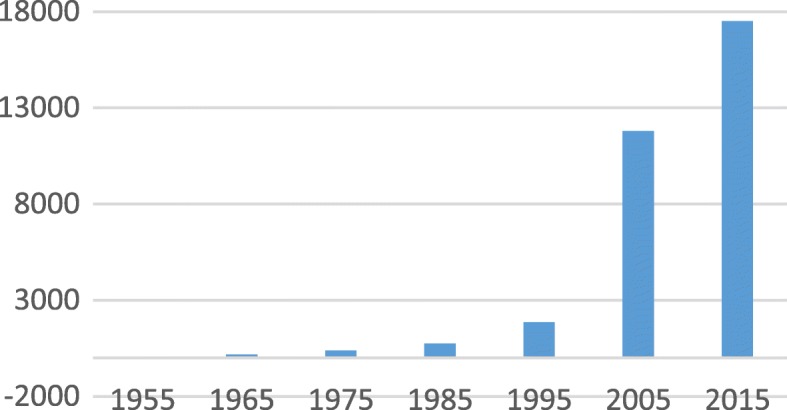
There is an urgent need to discover new antimicrobial compounds or extracts to address the crucial problem of increasing microbial resistance against current antibiotics. Plant chemical biodiversity is a valuable potential resource. Although compounds from plants are used as basis for several human drugs, no commercially successful antibiotic has yet been discovered from plants, despite more than a thousand publications in this field per year. This may be due to wrong methods that have been used or wrong plants that were investigated. A lot of energy is wasted by using techniques such as agar diffusion that do not work well with plant extracts. Many manuscripts are rejected before sending to reviewers because wrong methods are used. Antimicrobial activity of plant extracts based on agar diffusion studies have limited value.
Results obtained from several hundred of our publications in this area as researcher and experience as editor was used to identify difficulties in generating reproducible data. Other publications were also consulted and procedures used were evaluated.
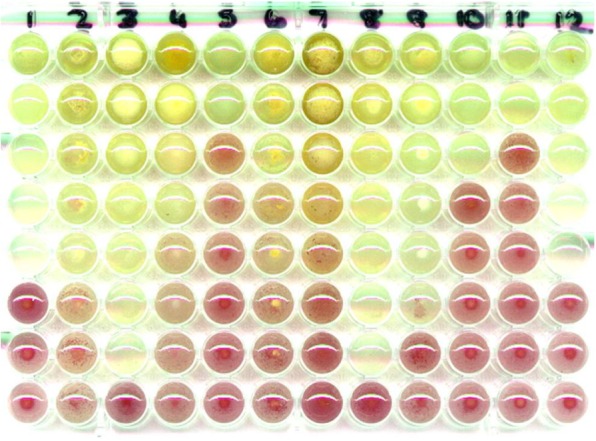
Because many of the antimicrobial compounds in plant extracts are relatively non-polar, these compounds do not diffuse well in the aqueous agar matrix used in agar diffusion studies. So many other factors also influence the zone of inhibition, that results between different laboratories are not comparable. The different methods used to determine the minimal inhibitory concentration (MIC) in serial dilution studies have been discussed. Using p-iodonitrotetrazolium violet to indicate growth provided the best results. Factors such as inoculum size, solvent, selection of positive controls and selection of plants to investigate also play a role. A method developed to determine antibacterial and antifungal activity of plant extracts work very well and is widely used based on > 1830 citations.
By using proposed methods manuscripts will provide reproducible information that may be published in good journals. The publications could contribute to a rational basis for finding compounds or extracts from plants that may address the problem of antimicrobial resistance. Random screening of a large number of plant species using this technique have already led to some commercial applications and identification of a potentially new antifungal framework compound.
微生物对抗生素的耐药性日益增强,这是一个亟待解决的关键问题,因此我们急需发现新的抗菌化合物或提取物。植物的化学多样性是一种极具潜力的资源。虽然一些植物化合物被用于多种人类药物,但目前尚未发现从植物中提取的具有商业价值的抗生素,尽管每年该领域有超过一千篇相关文献发表。这可能是由于使用的方法不正确或选择的植物不合适。琼脂扩散等技术效果不佳,浪费了大量的精力,而许多植物提取物都无法很好地应用于这些技术。由于使用了错误的方法,许多稿件在提交给审稿人之前就被拒绝了。基于琼脂扩散研究的植物提取物的抗菌活性的价值有限。
作为研究人员,我们在该领域发表了数百篇论文,并积累了丰富的经验,在此基础上,我们确定了在生成可重复数据方面存在的困难。此外,我们还查阅了其他出版物,并对所使用的程序进行了评估。
由于植物提取物中的许多抗菌化合物相对非极性,这些化合物在琼脂扩散研究中使用的水性琼脂基质中扩散效果不佳。因此,许多其他因素也会影响抑菌带的大小,导致不同实验室的结果无法进行比较。我们还讨论了在连续稀释研究中确定最小抑菌浓度(MIC)时使用的不同方法。使用对碘硝基四唑紫来指示生长提供了最佳结果。接种物大小、溶剂、阳性对照的选择以及待研究植物的选择等因素也会产生影响。我们开发了一种用于确定植物提取物的抗菌和抗真菌活性的方法,该方法效果很好,已被广泛应用,引用次数超过 1830 次。
使用建议的方法,手稿将提供可重复的信息,这些信息可能会在高质量期刊上发表。这些出版物可能有助于为解决抗菌药物耐药性问题提供从植物中寻找化合物或提取物的合理依据。使用该技术对大量植物物种进行随机筛选已经带来了一些商业应用,并鉴定出一种潜在的新型抗真菌框架化合物。