Research Department, Sidra Medicine, Doha, Qatar.
Front Immunol. 2019 May 10;10:1042. doi: 10.3389/fimmu.2019.01042. eCollection 2019.
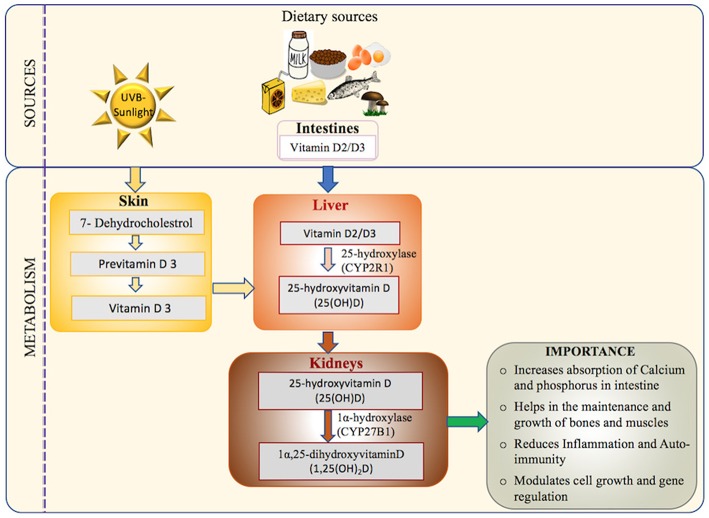
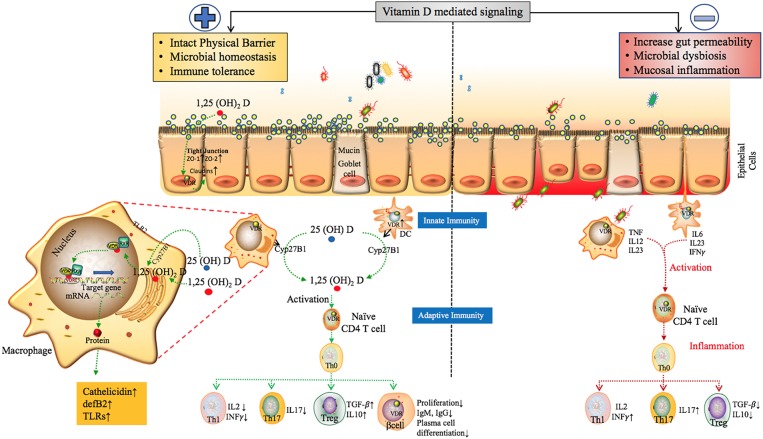
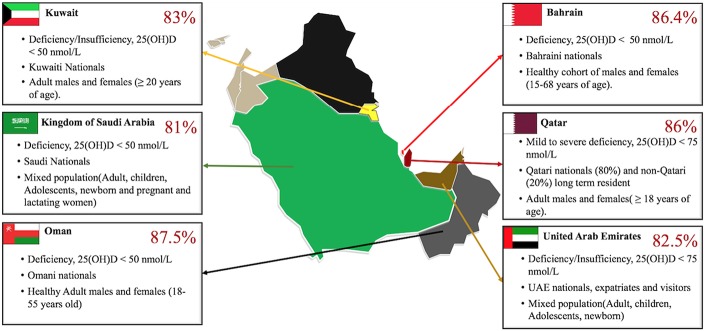
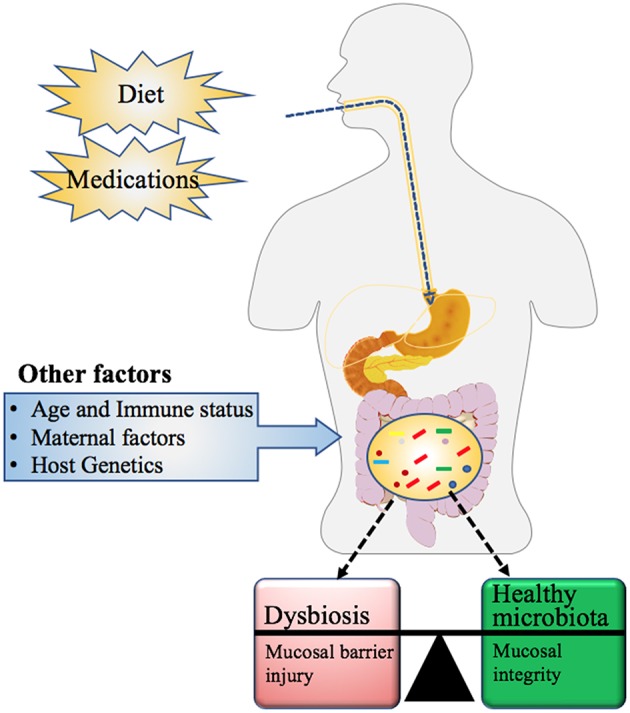
Vitamin D is a fat soluble secosteroid that is primarily synthesized in the skin upon exposure to Ultraviolet B (UVB) sun rays. Vitamin D is essential for the growth and development of bones and helps in reducing inflammation by strengthening muscles and the immune system. Despite the endless supply of sunlight in the Gulf Cooperation Council (GCC) countries which includes United Arab Emirates, Qatar, Kuwait, Bahrain, Saudi Arabia, and Oman, Vitamin D deficiency in the (GCC) general population at various age groups remains alarmingly high. In parallel runs the increasing prevalence of acute and chronic illnesses including, autoimmune diseases, cancer, type 1 diabetes mellitus, cardiovascular disease and Inflammatory bowel disease in the adult as well as the pediatric population of these countries. The exact association between Vitamin D deficiency and chronic disease conditions remains unclear; however, studies have focused on the mechanism of Vitamin D regulation by assessing the role of the Vitamin D associated genes/proteins such as VDR (Vitamin D receptor), VDBP (Vitamin D Binding protein), CYP27B1 as these are integral parts of the Vitamin D signaling pathway. VDR is known to regulate the expression of more than 200 genes across a wide array of tissues in the human body and may play a role in controlling the Vitamin D levels. Moreover, reduced Vitamin D level and downregulation of VDR have been linked to gut dysbiosis, highlighting an intriguing role for the gut microbiome in the Vitamin D metabolism. However, this role is not fully described yet. In this review, we aim to expand our understanding of the causes of Vitamin D deficiency in the GCC countries and explore the potential relationship between the genetic predisposition, Vitamin D levels, immune system and the gut microbiome composition. Trying to unravel this complex interaction may aid in understanding the mechanism by which Vitamin D contributes to various disease conditions and will pave the way toward new therapeutics treatments for Vitamin D deficiency and its associated outcomes.
维生素 D 是一种脂溶性甾体化合物,主要在皮肤暴露于紫外线 B(UVB)射线时在皮肤中合成。维生素 D 对于骨骼的生长和发育至关重要,通过增强肌肉和免疫系统有助于减少炎症。尽管海湾合作委员会(GCC)国家包括阿拉伯联合酋长国、卡塔尔、科威特、巴林、沙特阿拉伯和阿曼拥有无尽的阳光供应,但不同年龄组的(GCC)普通人群的维生素 D 缺乏仍然令人震惊地高。与此同时,这些国家的成年人和儿科人群中,急性和慢性疾病的患病率不断上升,包括自身免疫性疾病、癌症、1 型糖尿病、心血管疾病和炎症性肠病。维生素 D 缺乏与慢性疾病状况之间的确切关联尚不清楚;然而,研究集中在通过评估维生素 D 相关基因/蛋白质(如 VDR(维生素 D 受体)、VDBP(维生素 D 结合蛋白)、CYP27B1)的维生素 D 调节机制上,因为这些是维生素 D 信号通路的组成部分。VDR 已知可调节人体多种组织中 200 多种基因的表达,可能在控制维生素 D 水平方面发挥作用。此外,维生素 D 水平降低和 VDR 下调与肠道菌群失调有关,这突显了肠道微生物组在维生素 D 代谢中的作用令人着迷。然而,这一作用尚未完全描述。在这篇综述中,我们旨在扩大对 GCC 国家维生素 D 缺乏原因的理解,并探讨遗传易感性、维生素 D 水平、免疫系统和肠道微生物组组成之间的潜在关系。试图解开这种复杂的相互作用可能有助于理解维生素 D 对各种疾病状况的贡献机制,并为维生素 D 缺乏及其相关后果的新治疗方法铺平道路。