Zhou Junfeng, Ci Xinxin, Ma Xiaoyuan, Yu Qinlei, Cui Yan, Zhen Yu, Li Shanshan
Department of Dermatology and Venereology, The First Hospital of Jilin University, Changchun, China.
Institute of Translational Medicine, The First Hospital of Jilin University, Changchun, China.
Front Pharmacol. 2019 May 8;10:497. doi: 10.3389/fphar.2019.00497. eCollection 2019.
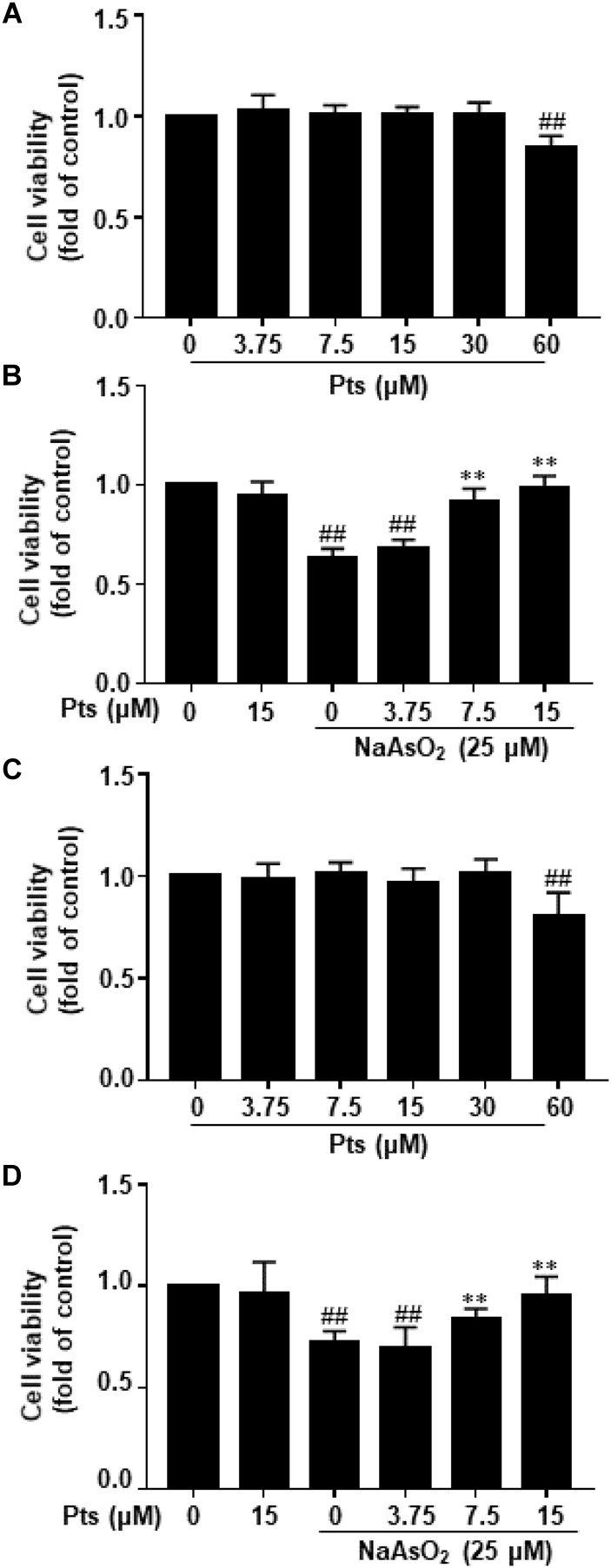
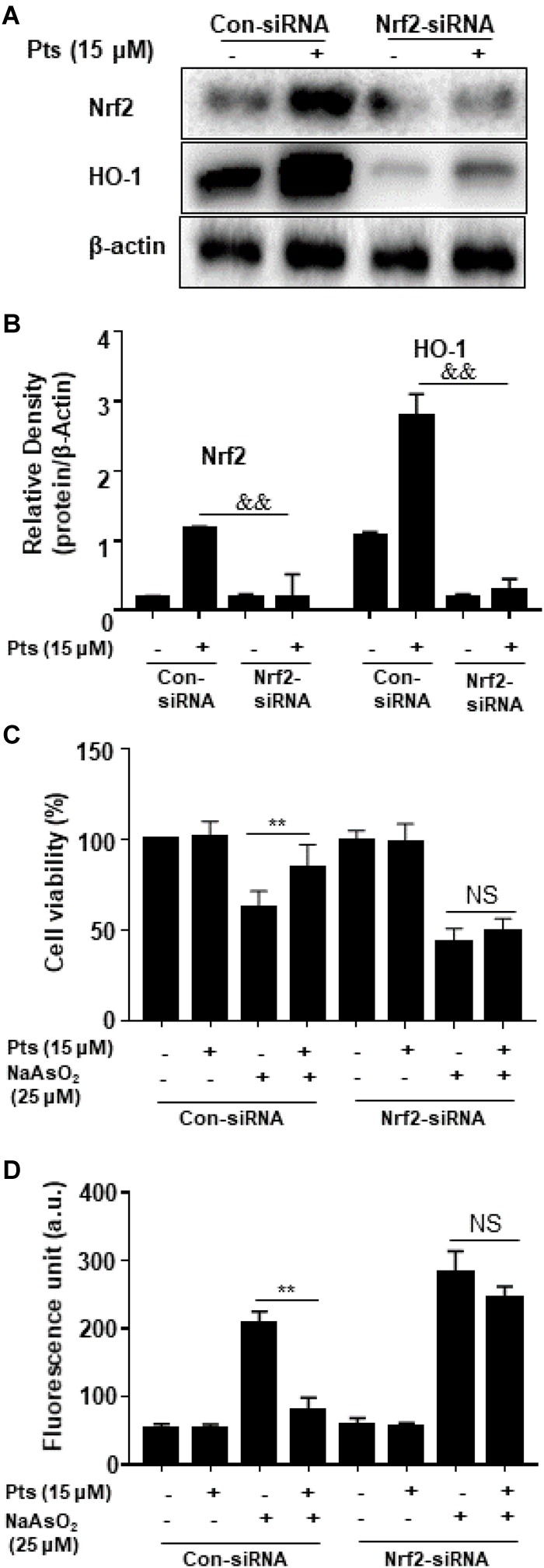
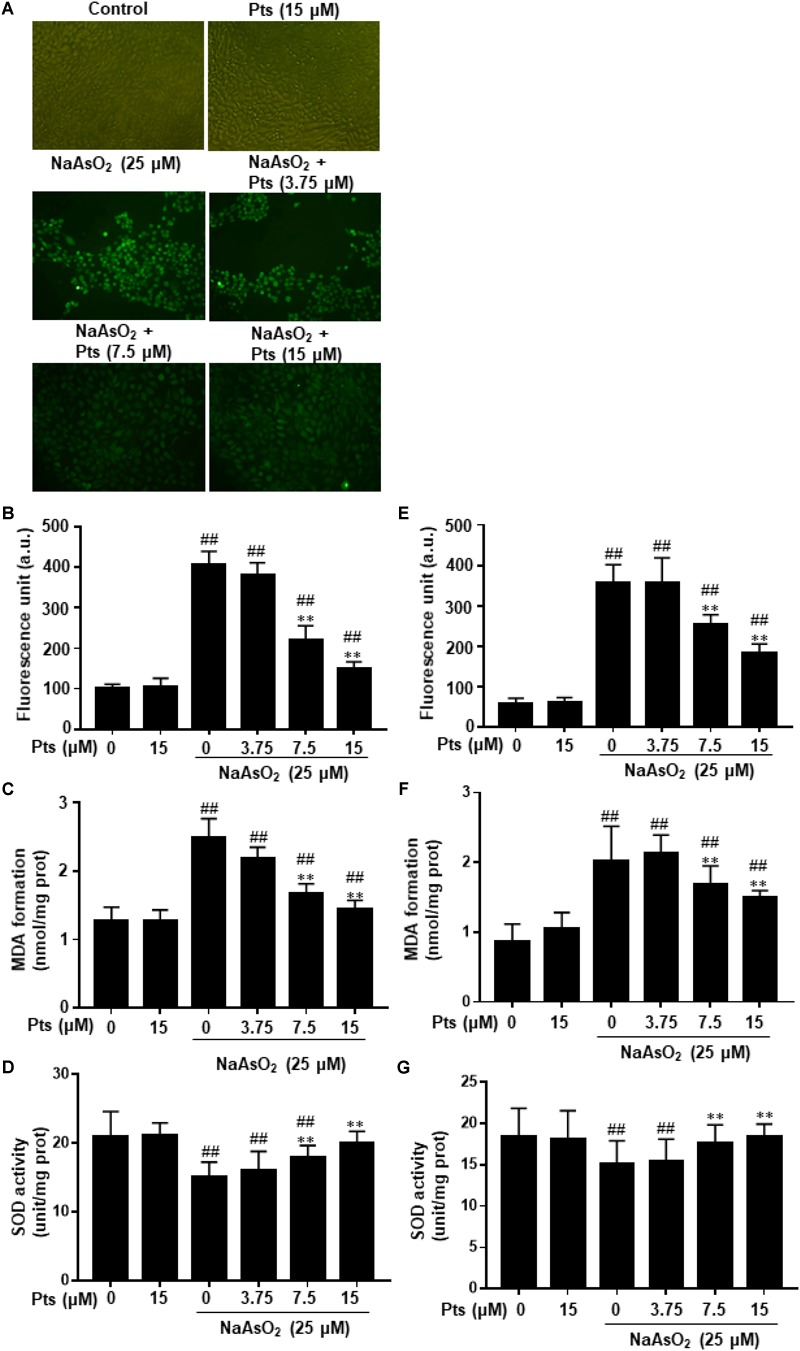
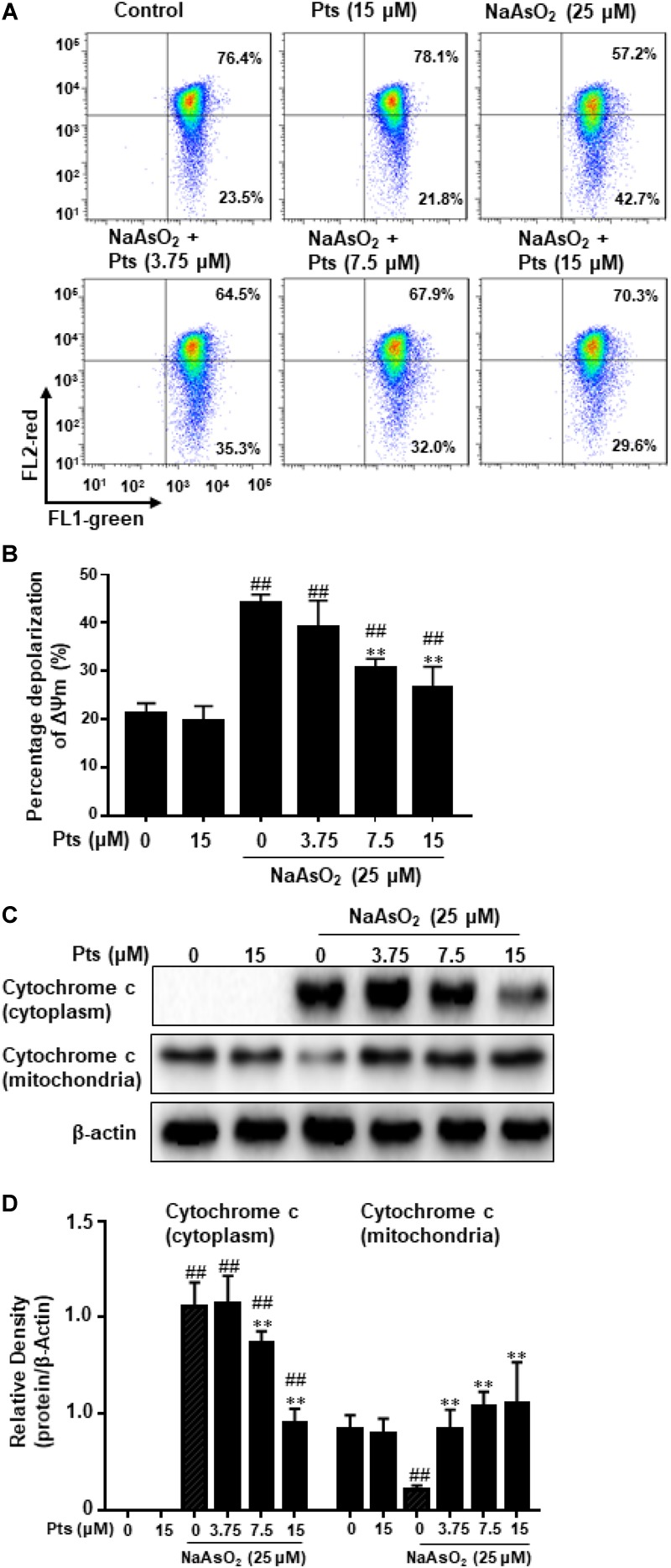
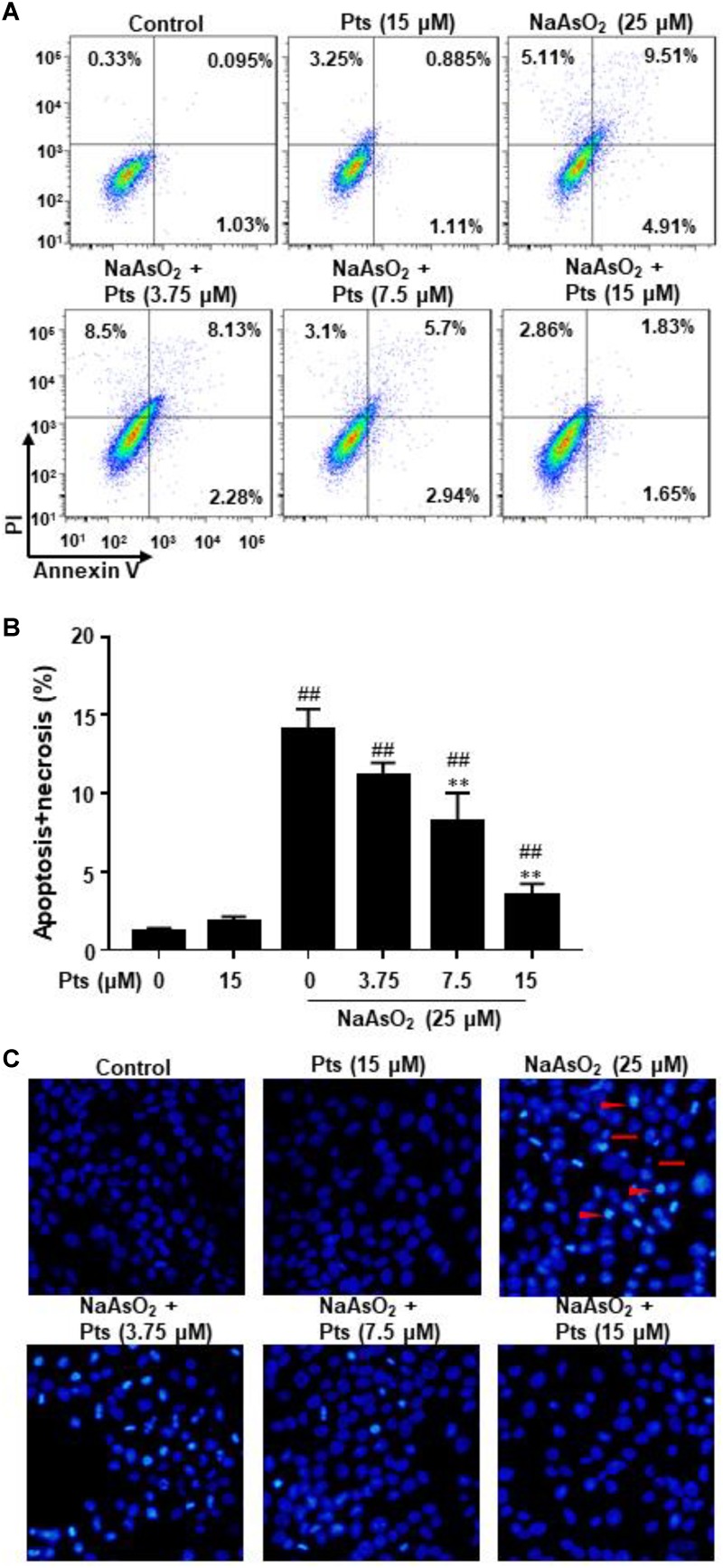
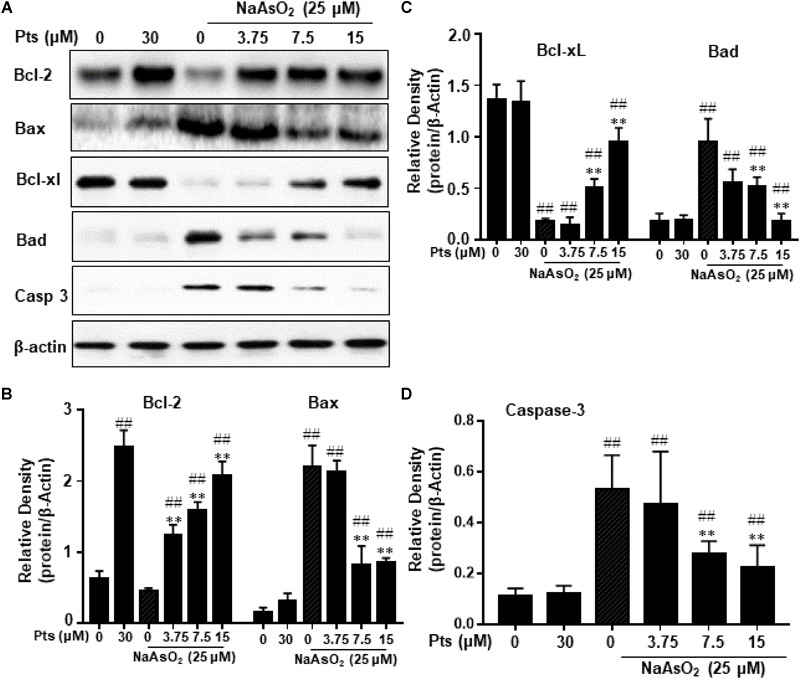
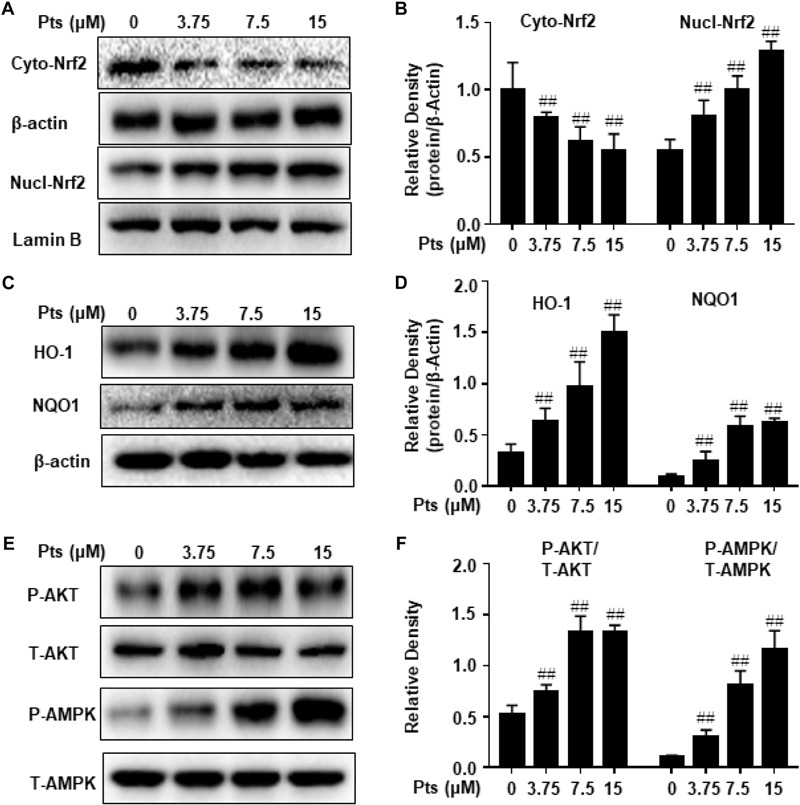
The NF-E2 p45-related factor 2 (Nrf2), a transcription factor that regulates the cellular adaptive response to oxidative stress, is a target for limiting tissue damage from exposure to environmental toxins, including arsenic. In the current study, we determine whether Pterostilbene (Pts), as a potent activator of Nrf2, has a protective effect on arsenic-induced cytotoxicity and apoptosis in human keratinocytes. Human keratinocytes (HaCaT) or mouse epidermal cells (JB6) were pretreated with Pts for 24 h prior to arsenic treatment. Harvested cells were analyzed by MTT, DCFH-DA, commercial kits, Flow cytometry assay and western blot analysis. Our results demonstrated that Pts effectively regulated the viability in HaCaT and JB6 cells, decreased the reactive oxygen species (ROS) generation and lipid peroxidation (MDA), and improved the NaAsO-induced depletion of superoxide dismutase (SOD). Moreover, Pts treatment further dramatically inhibited NaAsO-induced apoptosis, specifically the mitochondrial mediation of apoptosis, which coincided with the effective recovery of NaAsO-induced mitochondrial membrane potential (ΔΨm) depolarization and cytochrome c release from the mitochondria. Furthermore, arsenic-induced decrease of anti-apoptotic factor Bcl-2 and Bcl-xl, and increase of pro-apoptotic factor Bax and Bad, as well as survival signal related factor caspase 3 activation were reversed by Pts treatment. Further mechanistic studies confirmed that Pts increased antioxidant enzyme expression in a dose-dependent manner, which was related to Nrf2 nuclear translocation. In addition, the effects of Pts on NaAsO-induced cell viability were largely weakened when Nrf2 was knocked down. Together, our results provide evidence for the use of Pts to activate the Nrf2 pathway to alleviate arsenic-induced dermal damage.
核因子E2相关因子2(Nrf2)是一种调节细胞对氧化应激适应性反应的转录因子,是限制暴露于包括砷在内的环境毒素所导致的组织损伤的作用靶点。在本研究中,我们确定了作为Nrf2强效激活剂的紫檀芪(Pts)是否对砷诱导的人角质形成细胞的细胞毒性和凋亡具有保护作用。在砷处理前,将人角质形成细胞(HaCaT)或小鼠表皮细胞(JB6)用Pts预处理24小时。通过MTT、DCFH-DA、商业试剂盒、流式细胞术分析和蛋白质印迹分析对收获的细胞进行分析。我们的结果表明,Pts有效调节了HaCaT和JB6细胞的活力,减少了活性氧(ROS)的产生和脂质过氧化(MDA),并改善了砷酸钠(NaAsO)诱导的超氧化物歧化酶(SOD)消耗。此外,Pts处理进一步显著抑制了NaAsO诱导的凋亡,特别是线粒体介导的凋亡,这与NaAsO诱导的线粒体膜电位(ΔΨm)去极化和细胞色素c从线粒体释放的有效恢复相一致。此外,Pts处理逆转了砷诱导的抗凋亡因子Bcl-2和Bcl-xl的减少,以及促凋亡因子Bax和Bad的增加,以及存活信号相关因子半胱天冬酶3的激活。进一步的机制研究证实, Pts以剂量依赖性方式增加抗氧化酶表达,这与Nrf2核转位有关。此外,当Nrf2被敲低时,Pts对NaAsO诱导的细胞活力的影响大大减弱。总之,我们的结果为使用Pts激活Nrf2途径以减轻砷诱导的皮肤损伤提供了证据。