Graduate School of Land Management and Regional Planning, Faculty of Planning, Architecture, Art and Design, Laval University, Quebec, G1V 0A6, Canada.
Centre for Research on Planning and Development (CRAD), Laval University, Quebec, G1V 0A6, Canada.
BMC Public Health. 2019 May 31;19(1):672. doi: 10.1186/s12889-019-6885-z.
There has been an increasing interest in urban agriculture (UA) practice and research in recent years. Scholars have already reported numerous beneficial and potential adverse impacts of UA on health-related outcomes. This scoping review aims to explore these impacts and identify knowledge gaps for future UA studies.
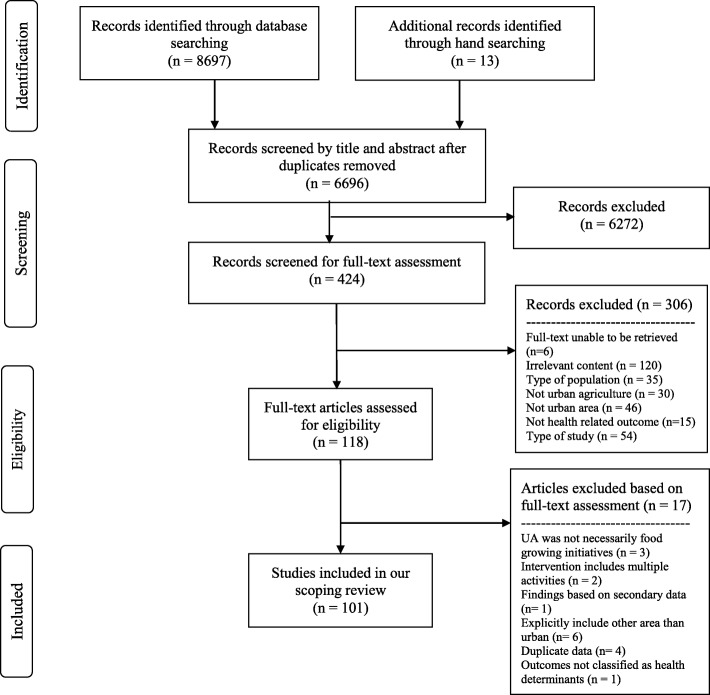
A systematic search was conducted in seven electronic bibliographic databases to identify relevant peer-reviewed studies. Articles were screened and assessed for eligibility. From eligible studies, data were extracted to summarize, collate, appraise the quality and make a narrative account of the findings.
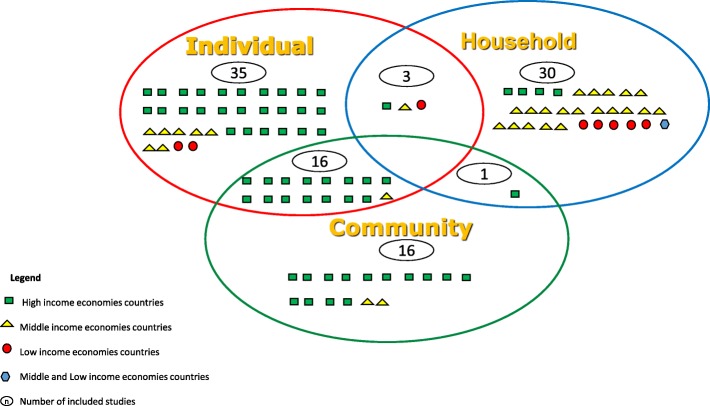
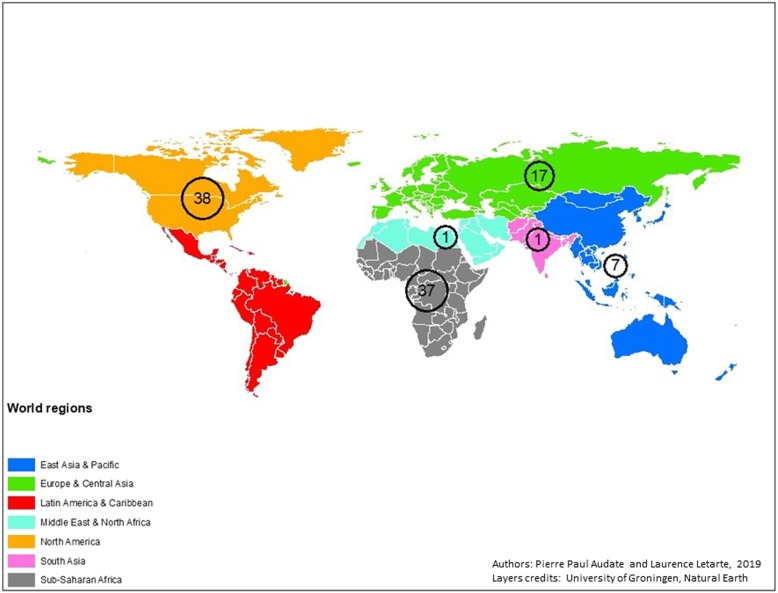
A total of 101 articles (51 quantitative, 29 qualitative, and 21 mixed methods studies) were included in our final analysis. Among these articles, 38 and 37% reported findings from North America and Sub-Saharan Africa respectively. Quantitative studies revealed evidence of positive impacts of UA on food security, nutrition outcomes, physical and mental health outcomes, and social capital. The qualitative studies reported a wide range of perceived benefits and motivations of UA. The most frequently reported benefits include contributions to social capital, food security, health and/or wellbeing. However, the evidence must be interpreted with caution since the quality of most of the studies was assessed as weak to moderate. While no definitive conclusions can be drawn about the adverse impacts of UA on health, paying particular attention to contamination of UA soil is recommended.
More peer-reviewed studies are needed in areas where UA is practiced such as Latin America and Caribbean. The inconsistency and the lack of strong quality in the methodology of the included studies are proof that more rigorous studies are also needed in future research. Nevertheless, the substantial existing evidence from this review corroborate that UA can influence different determinants of health such as food security, social capital, health and well-being in a variety of contexts.
近年来,人们对城市农业(UA)实践和研究越来越感兴趣。学者们已经报告了 UA 对与健康相关结果的许多有益和潜在的不利影响。本范围综述旨在探讨这些影响,并确定未来 UA 研究的知识空白。
系统检索了七个电子书目数据库,以确定相关的同行评审研究。筛选和评估文章的合格性。从合格的研究中提取数据,以总结、整理、评估质量并叙述研究结果。
共有 101 篇文章(51 篇定量、29 篇定性和 21 篇混合方法研究)纳入我们的最终分析。在这些文章中,38%和 37%分别来自北美和撒哈拉以南非洲。定量研究表明 UA 对食品安全、营养结果、身心健康结果和社会资本有积极影响。定性研究报告了 UA 的广泛感知效益和动机。最常报告的益处包括对社会资本、食品安全、健康和/或福祉的贡献。然而,由于大多数研究的质量被评估为弱到中等,因此必须谨慎解释证据。虽然不能确定 UA 对健康的不利影响,但建议特别注意 UA 土壤的污染。
需要在实践 UA 的地区(如拉丁美洲和加勒比地区)开展更多的同行评审研究。纳入研究的方法学的不一致性和缺乏强有力的质量证明,未来的研究也需要更严格的研究。然而,本综述的大量现有证据证实,UA 可以在各种情况下影响食品安全、社会资本、健康和福祉等不同的健康决定因素。