Shoji Tsubasa
Department of Biological Science, Nara Institute of Science and Technology (NAIST), Ikoma, Japan.
Front Plant Sci. 2019 May 14;10:560. doi: 10.3389/fpls.2019.00560. eCollection 2019.
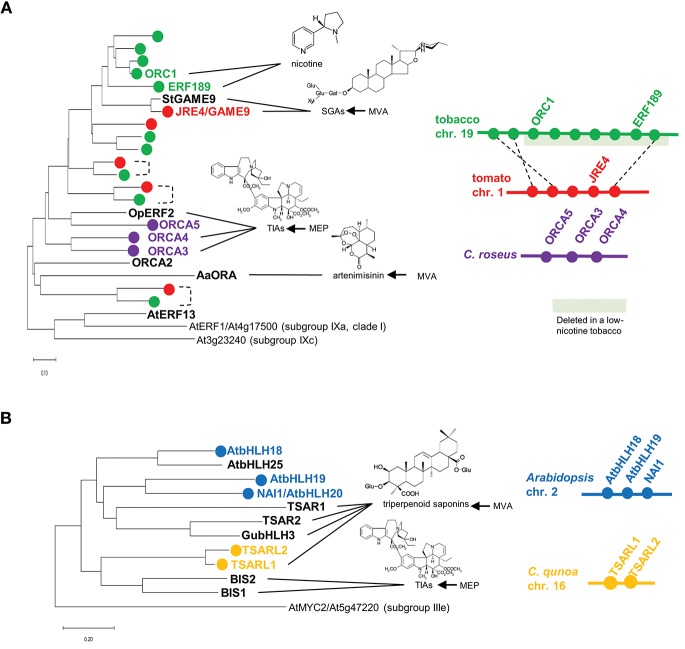
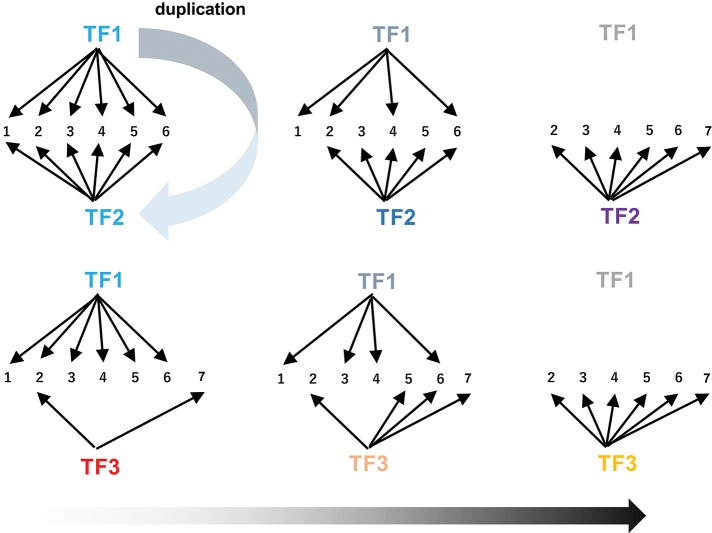
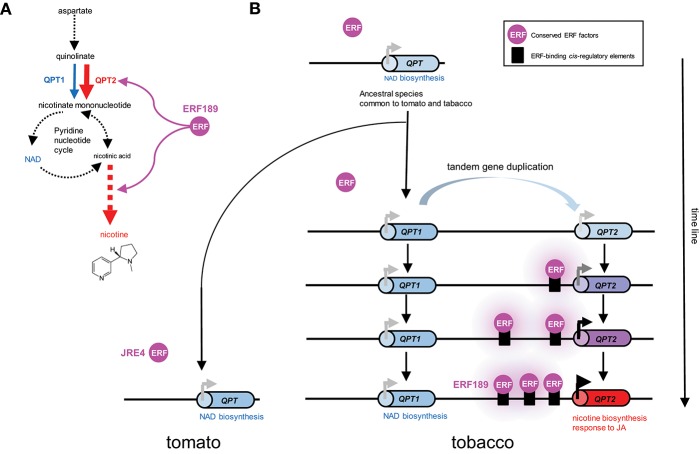
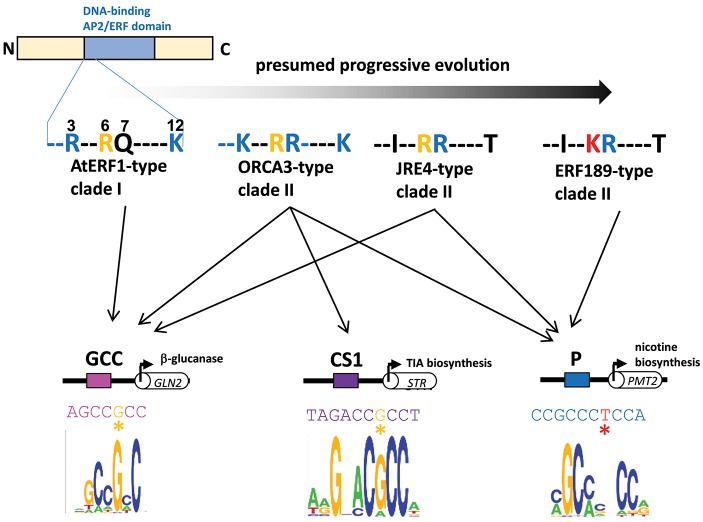
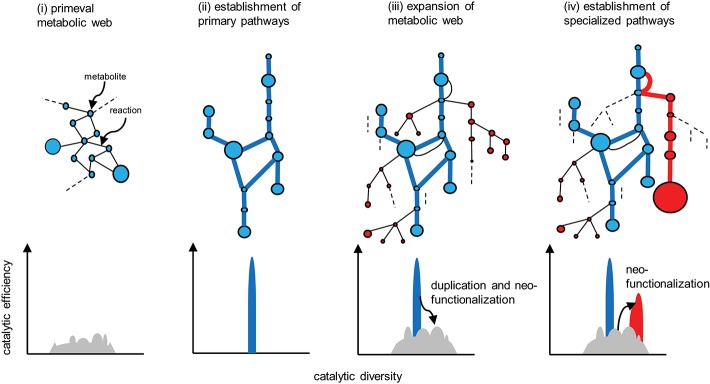
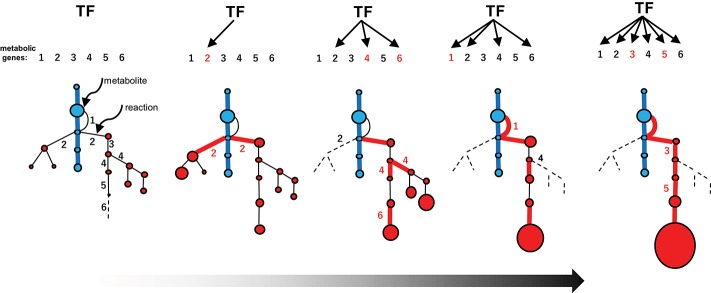
Plants produce a vast array of structurally diverse specialized metabolites with various biological activities, including medicinal alkaloids and terpenoids, from relatively simple precursors through a series of enzymatic steps. Massive metabolic flow through these pathways usually depends on the transcriptional coordination of a large set of metabolic, transport, and regulatory genes known as a regulon. The coexpression of genes involved in certain metabolic pathways in a wide range of developmental and environmental contexts has been investigated through transcriptomic analysis, which has been successfully exploited to mine the genes involved in various metabolic processes. Transcription factors are DNA-binding proteins that recognize relatively short sequences known as -regulatory elements residing in the promoter regions of target genes. Transcription factors have positive or negative effects on gene transcription mediated by RNA polymerase II. Evolutionarily conserved transcription factors of the APETALA2/ETHYLENE RESPONSE FACTOR (AP2/ERF) and basic helix-loop-helix (bHLH) families have been identified as jasmonate (JA)-responsive transcriptional regulators of unrelated specialized pathways in distinct plant lineages. Here, I review the current knowledge and propose a conceptual model for the evolution of metabolic pathways, termed "recruitment model of metabolic evolution." According to this model, structural genes are repeatedly recruited into regulons under the control of conserved transcription factors through the generation of cognate -regulatory elements in the promoters of these genes. This leads to the adjustment of catalytic activities that improve metabolic flow through newly established passages.
植物通过一系列酶促步骤,从相对简单的前体物质中产生大量结构多样、具有各种生物活性的特殊代谢产物,包括药用生物碱和萜类化合物。这些途径中的大量代谢流通常依赖于一组被称为调节子的代谢、转运和调控基因的转录协调。通过转录组分析,人们研究了在广泛的发育和环境背景下,参与某些代谢途径的基因的共表达情况,转录组分析已成功用于挖掘参与各种代谢过程的基因。转录因子是一类DNA结合蛋白,可识别位于靶基因启动子区域的相对较短的序列,即调控元件。转录因子对RNA聚合酶II介导的基因转录具有正向或负向作用。APETALA2/乙烯反应因子(AP2/ERF)和碱性螺旋-环-螺旋(bHLH)家族中进化保守的转录因子,已被确定为不同植物谱系中不相关特殊途径的茉莉酸(JA)响应转录调节因子。在此,我回顾了当前的知识,并提出了一个代谢途径进化的概念模型,称为“代谢进化的招募模型”。根据这个模型,结构基因通过在这些基因启动子中产生同源调控元件,在保守转录因子的控制下反复被招募到调节子中。这导致催化活性的调整,从而改善通过新建立通道的代谢流。