The Lundberg Laboratory for Diabetes Research, Department of Molecular and Clinical Medicine, the Sahlgrenska Academy at the University of Gothenburg, Gothenburg, SE41345, Sweden.
Nat Commun. 2019 Jun 21;10(1):2757. doi: 10.1038/s41467-019-10688-x.
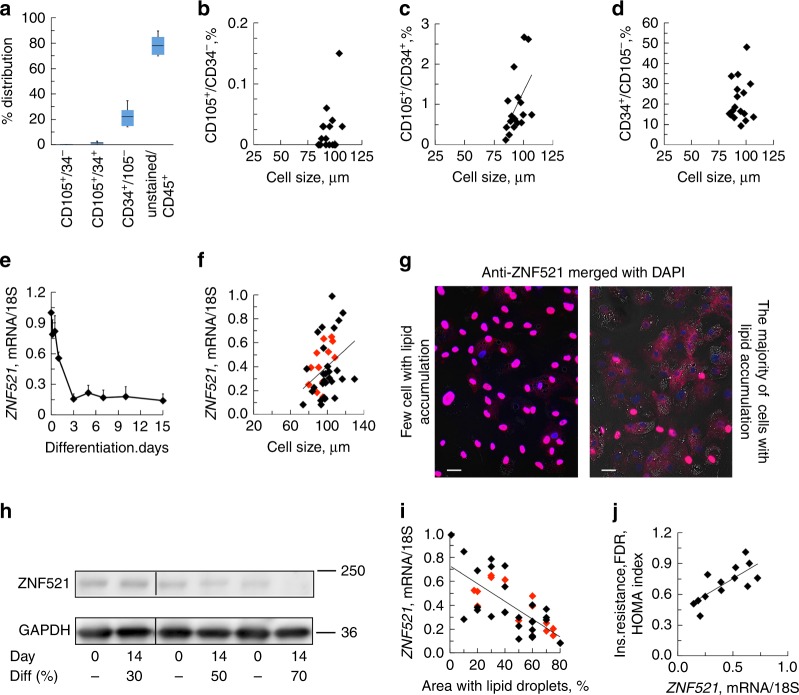
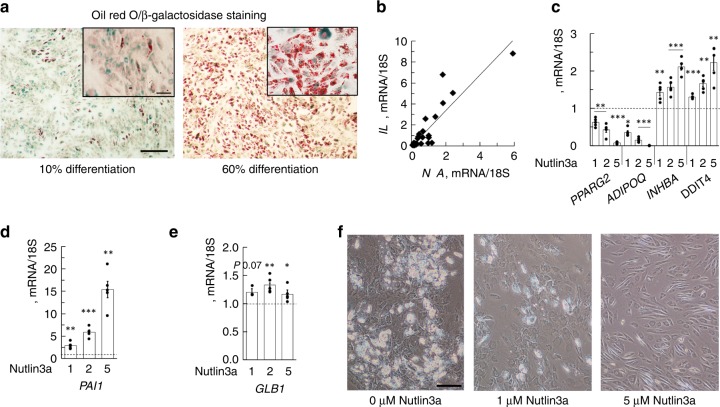
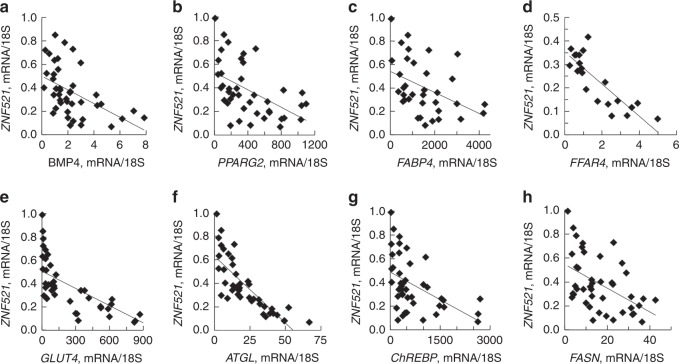
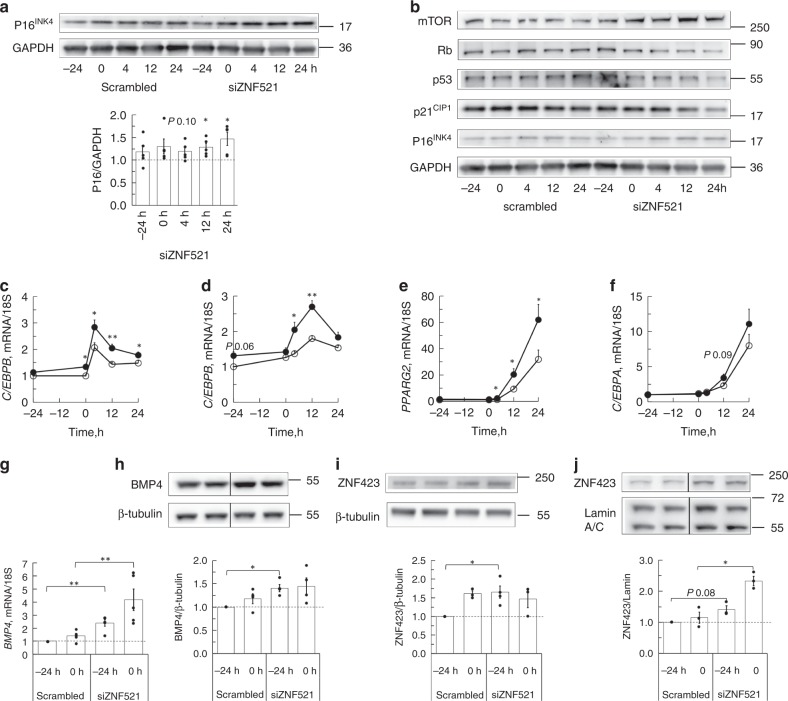
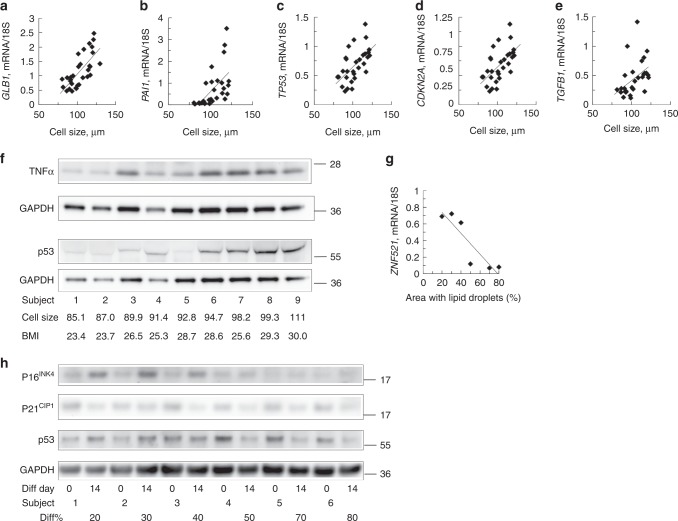
Inappropriate expansion of the adipose cells in the subcutaneous adipose tissue (SAT) is a characteristic of hypertrophic obesity and of individuals with genetic predisposition for T2D (first-degree relatives; FDR). It is associated with insulin resistance, a dysfunctional, adipose tissue and reduced adipogenesis. We examined the regulation of adipogenesis in human SAT precursor cells and found ZNF521 to be a critical regulator of early adipogenic commitment and precursor cells leaving the cell cycle. However, neither altered upstream signalling nor lack of SAT progenitor cells could explain the reduced adipogenesis in hypertrophic obesity. Instead, we show that progenitor cells undergoing poor differentiation are characterized by senescence, inability to suppress p53/P16 and secretion of factors reducing adipogenesis in non-senescent cells. We found aging, FDR and established T2D to be associated with increased progenitor cell senescence, reduced adipogenesis and hypertrophic expansion of the SAT adipose cells.
在皮下脂肪组织 (SAT) 中,脂肪细胞的不适当扩张是肥胖症和具有 T2D 遗传易感性个体的特征(一级亲属;FDR)。它与胰岛素抵抗、功能失调的脂肪组织和减少的脂肪生成有关。我们研究了人类 SAT 前体细胞中的脂肪生成调节,发现 ZNF521 是早期脂肪生成承诺和前体细胞离开细胞周期的关键调节剂。然而,上游信号的改变或 SAT 祖细胞的缺乏都不能解释肥胖症中脂肪生成的减少。相反,我们表明,分化不良的祖细胞表现出衰老、不能抑制 p53/P16 和分泌因子减少非衰老细胞中的脂肪生成。我们发现衰老、FDR 和已建立的 T2D 与祖细胞衰老增加、脂肪生成减少以及 SAT 脂肪细胞的肥大扩张有关。